12V Auxiliary Battery Drain
high- Typically appears
- 0–30k mi
- Estimated repair
- $150 – $350
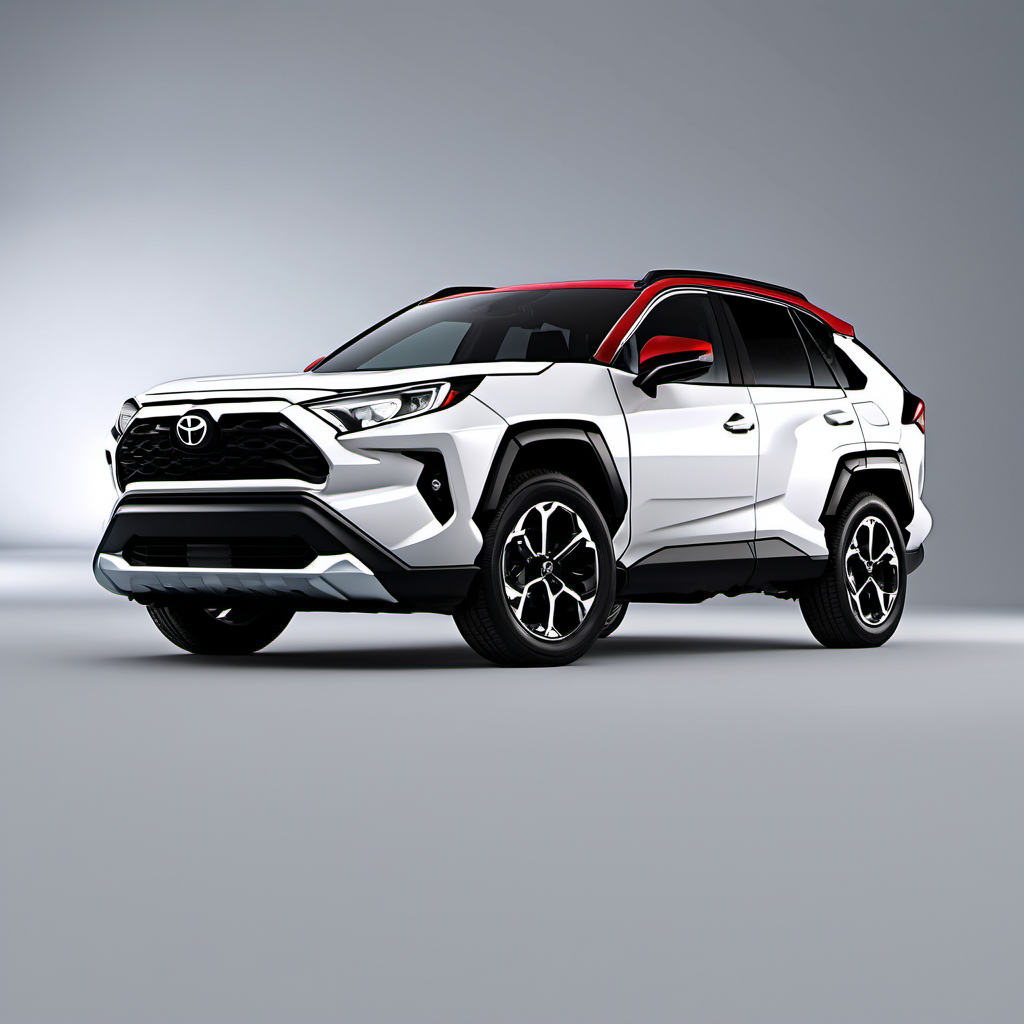
2024 Toyota
2.5L I4 PHEV (DOHC, VVT-iE + VVT-i)
The 2024 Toyota RAV4 Prime is a plug-in hybrid SUV that combines a 2.5L four-cylinder engine with two electric motors for a combined system output of 302 horsepower — making it one of the quickest compact SUVs on the market at 5.7 seconds to 60 mph. It offers an EPA-rated 42 miles of all-electric range, meaning most daily commuters in the Lake Geneva area can do short trips entirely on electricity while retaining full gas-powered range for longer drives. AWD (via an electric rear motor) is standard on all trims, a genuine advantage for Wisconsin winters. The RAV4 Prime sits on Toyota's TNGA-K platform shared with the standard RAV4 and RAV4 Hybrid. The plug-in hybrid system is a refined evolution of Toyota's well-proven THS II architecture, and real-world ownership data shows it's held up well. The 18.1 kWh battery pack is covered by Toyota's hybrid battery warranty of 10 years or 150,000 miles, which removes the biggest financial risk of PHEV ownership. For a Lake Geneva owner, this vehicle makes a lot of sense: you get meaningful electric-only range for around-town driving, standard AWD for winter roads, and a conventional gas engine that eliminates range anxiety on highway trips. The tradeoff is a higher purchase price and a heavier curb weight than the standard RAV4, which puts slightly more stress on brakes and tires.
The 2024 Toyota RAV4 Prime is a plug-in hybrid SUV that combines a 2.5L four-cylinder engine with two electric motors for a combined system output of 302 horsepower — making it one of the quickest compact SUVs on the market at 5.7 seconds to 60 mph. It offers an EPA-rated 42 miles of all-electric range, meaning most daily commuters in the Lake Geneva area can do short trips entirely on electricity while retaining full gas-powered range for longer drives. AWD (via an electric rear motor) is standard on all trims, a genuine advantage for Wisconsin winters. The RAV4 Prime sits on Toyota's TNGA-K platform shared with the standard RAV4 and RAV4 Hybrid. The plug-in hybrid system is a refined evolution of Toyota's well-proven THS II architecture, and real-world ownership data shows it's held up well. The 18.1 kWh battery pack is covered by Toyota's hybrid battery warranty of 10 years or 150,000 miles, which removes the biggest financial risk of PHEV ownership. For a Lake Geneva owner, this vehicle makes a lot of sense: you get meaningful electric-only range for around-town driving, standard AWD for winter roads, and a conventional gas engine that eliminates range anxiety on highway trips. The tradeoff is a higher purchase price and a heavier curb weight than the standard RAV4, which puts slightly more stress on brakes and tires.
Toyota specifies 0W-16 for this engine; do not substitute a heavier weight. The hybrid system cycles the engine on and off frequently, so clean oil is critical for VVT actuator health. Use maintenance mode (engine-on mode) when performing the oil change so the engine is fully warm.
At 4,235 lbs this vehicle is heavy for its class. Regenerative braking reduces rear brake wear but the added weight accelerates tire wear unevenly. Rotating on schedule protects your investment in tires.
Wisconsin roads kick up fine road-salt dust and pollen. A clogged cabin filter makes the HVAC work harder and can contribute to the blower noise complaints documented in TSB-0056-23.
The Atkinson-cycle engine runs at high compression (14.0:1); clean airflow supports proper combustion and VVT performance.
This is the most common real-world issue on the RAV4 Prime. The 12V battery powers the system startup sequence; a weak battery can leave you stranded even with a full high-voltage pack. If the vehicle sits more than two weeks, use a battery maintainer.
Regenerative braking means the hydraulic brakes are used less, but brake fluid still absorbs moisture over time. Moisture lowers the boiling point and can cause corrosion in calipers — especially relevant with Wisconsin salt exposure.
Toyota SLLC is pre-mixed pink coolant. Do not top off with generic green coolant — it is incompatible and will shorten water pump and seal life.
The Prime's battery pack uses active liquid cooling. Inspect for coolant leaks in the HV circuit and ensure the battery cooling fan (under the rear seat) intake is clear of debris. A blocked intake accelerates battery degradation.
Always defer to the manufacturer's service manual for warranty-mandated intervals.
Annual maintenance costs are low relative to the vehicle's complexity — the hybrid system reduces brake wear and the 10k oil change interval keeps service visits infrequent. Fuel savings for plug-in users are substantial. The 10-year/150k-mile hybrid battery warranty eliminates the most expensive potential repair during typical ownership. Budget for a 12V battery replacement ($150–$350) every 3–5 years as a normal recurring cost.
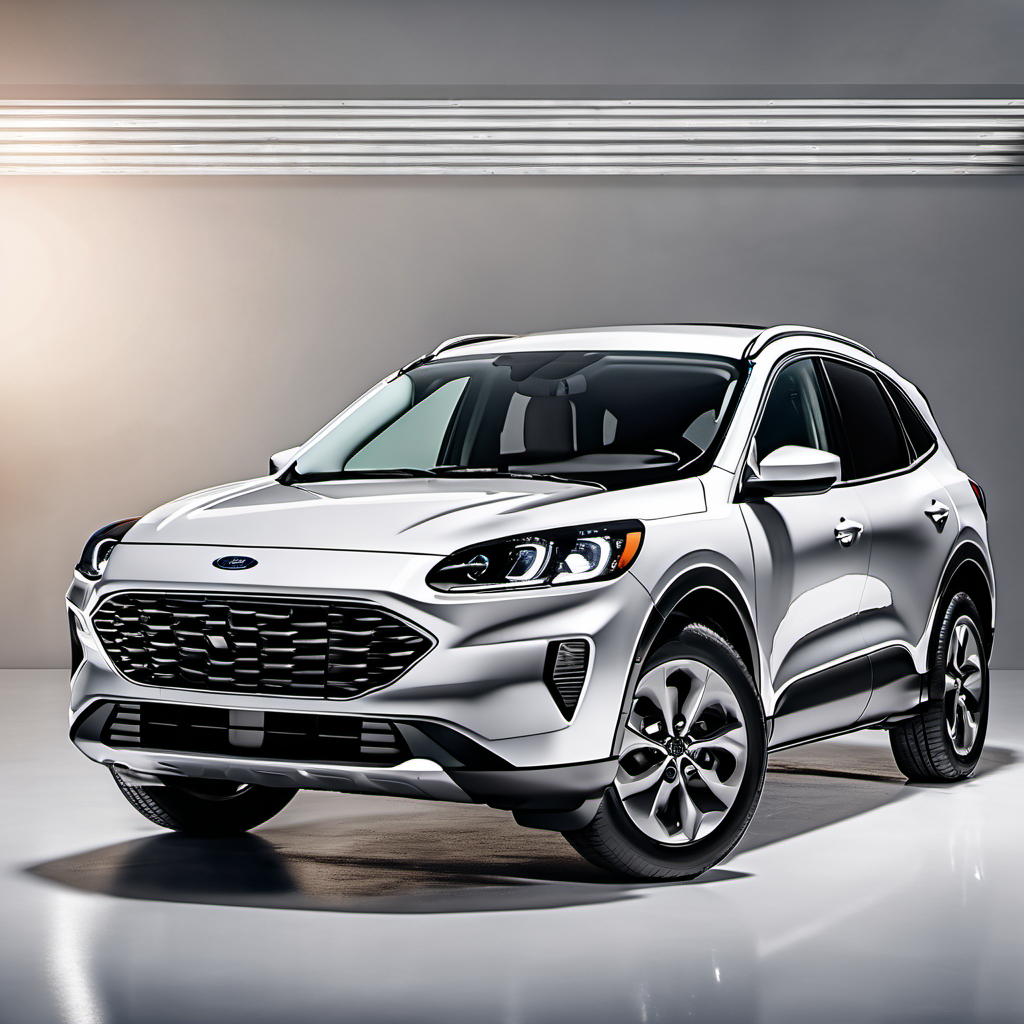
Direct PHEV competitor in the compact SUV segment, similar price range, also offers meaningful EV range. Less AWD traction than the RAV4 Prime and a smaller battery pack (~37 mi range), but worth cross-shopping on price.
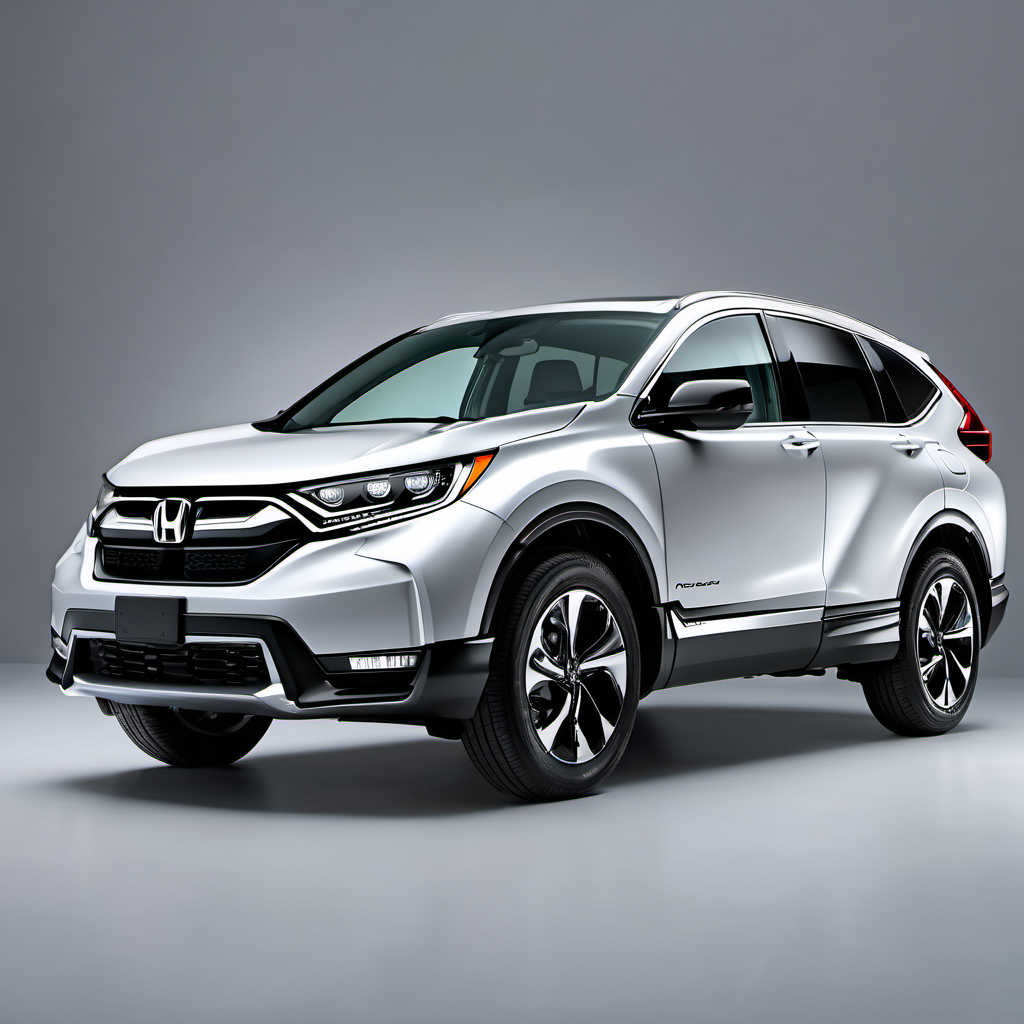
Same segment, similar PHEV mission. The CR-V PHEV offers slightly more cargo space and a turbocharged gas engine, but Toyota's hybrid system has a longer reliability track record.
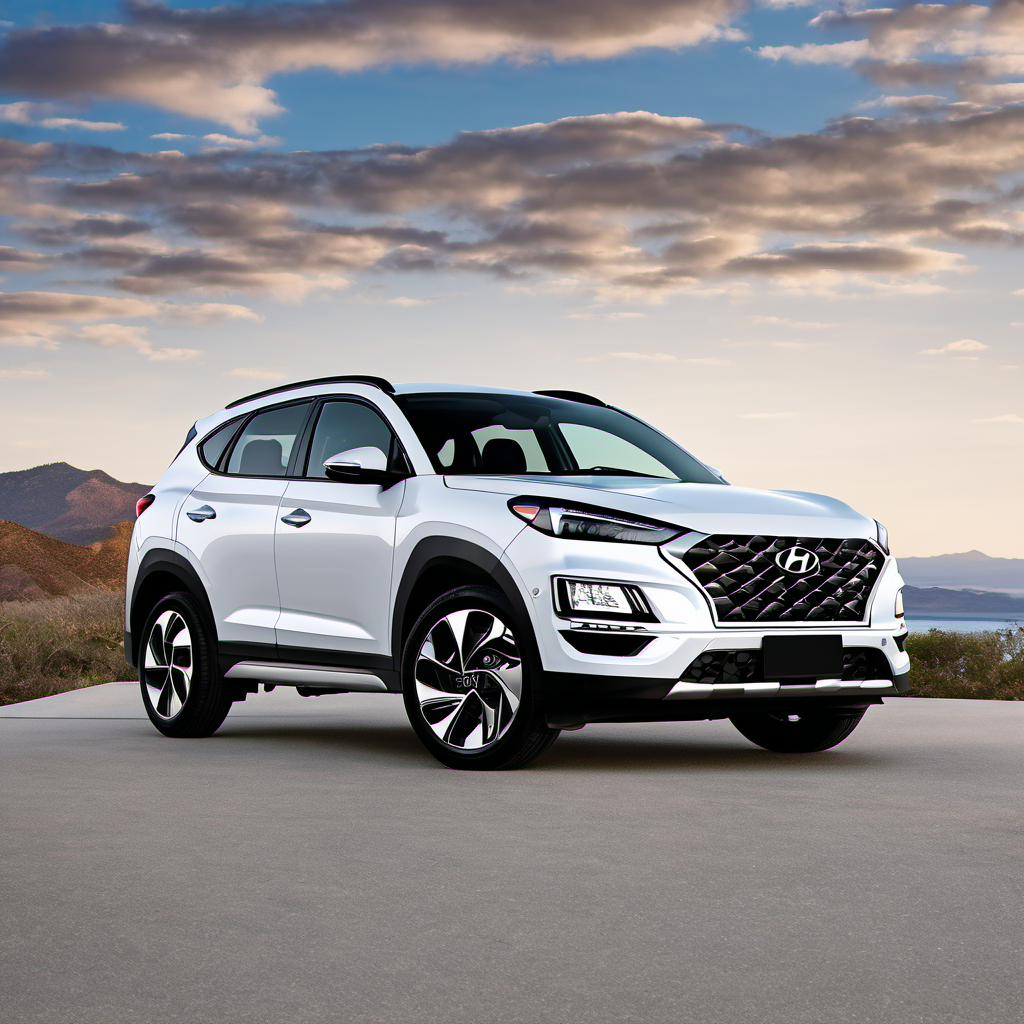
AWD PHEV in the same price bracket (~$42k base). The Tucson PHEV offers similar EV range and a longer warranty, but Hyundai's hybrid system is newer and has less long-term owner data than Toyota's.
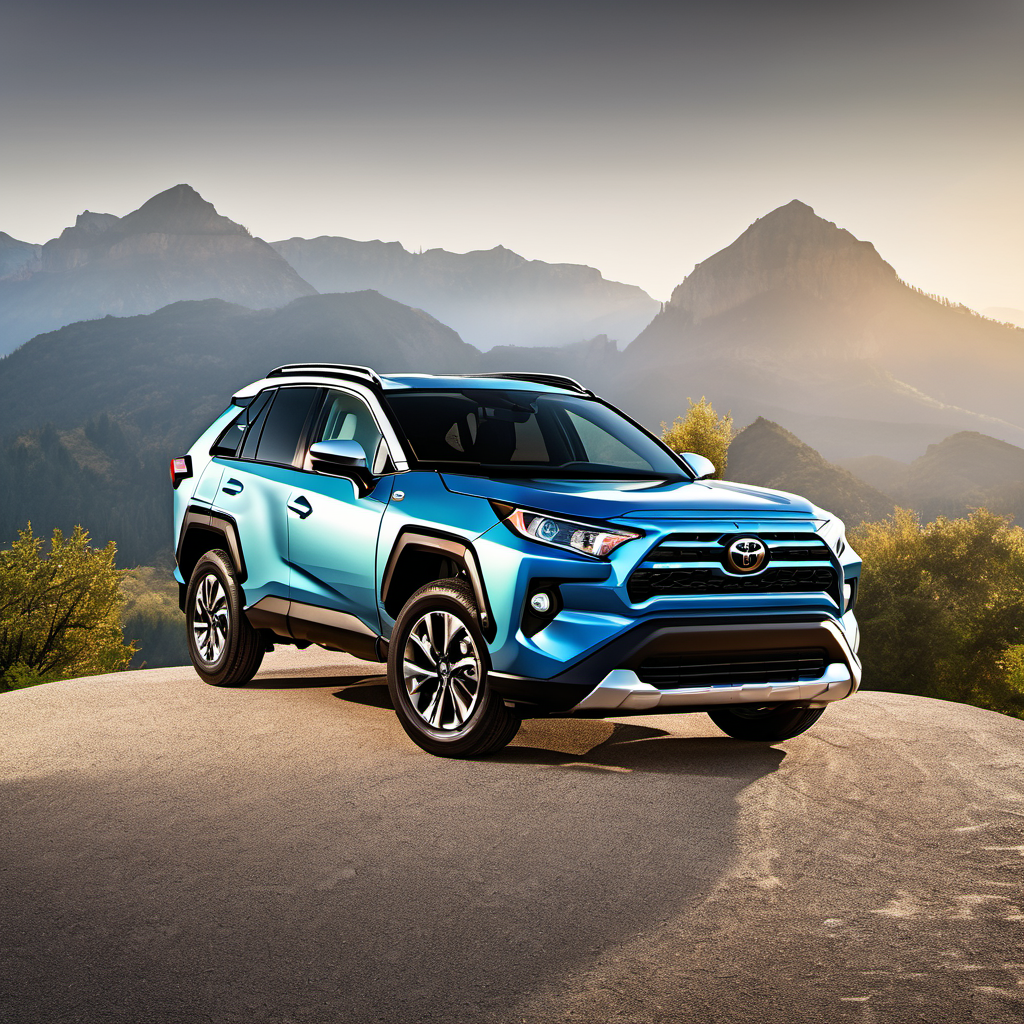
If home charging isn't practical, the RAV4 Hybrid delivers the same AWD capability and Toyota reliability at ~$7,000 less with no charging infrastructure needed. Lower EV benefit but lower upfront cost.