Transmission Shudder / Torque Converter Clutch Performance
medium- Typically appears
- 20–40k mi
- Estimated repair
- $150 – $500
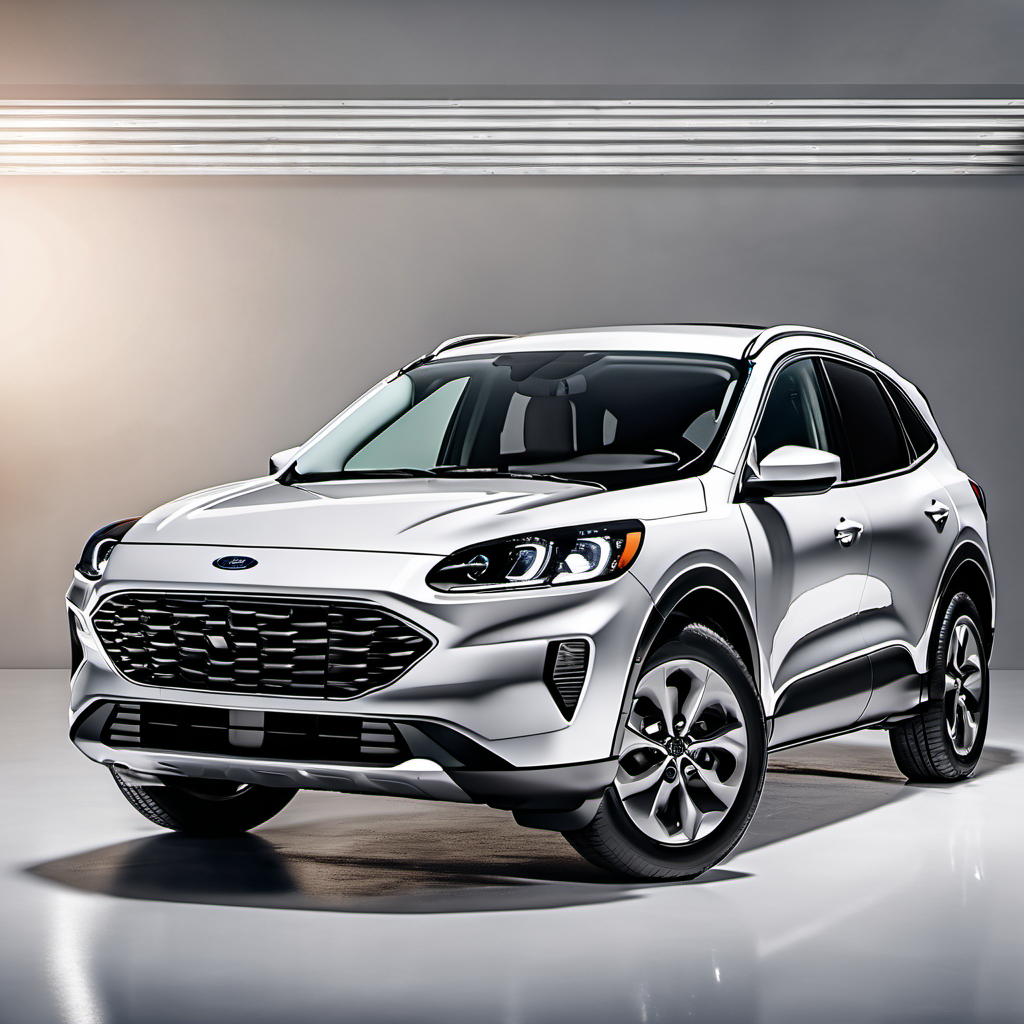
2024 Ford
1.5L 3-cyl
The 2024 Ford Escape is a compact crossover SUV that has been a staple of Ford's lineup for over two decades. For 2024, it carries forward the eighth-generation platform with a turbocharged 1.5L three-cylinder engine as the standard powertrain, paired with an 8-speed automatic transmission. It competes squarely in the high-volume compact crossover segment against the Honda CR-V, Toyota RAV4, and Chevrolet Equinox. The Escape's appeal lies in its car-like ride, reasonable fuel economy, and a cabin that's notably more refined than its predecessors. The SYNC 4 infotainment system is a headline feature, though early units have shown some software growing pains. Hybrid and Plug-in Hybrid variants share the same body and are worth serious consideration for buyers who do a lot of city driving. For Wisconsin drivers, the standard FWD setup is adequate for most conditions, but buyers in Lake Geneva who deal with real winter roads should strongly consider the AWD option or the PHEV trim which also offers AWD. The 1.5L turbo-three is a capable but still relatively young engine architecture — its long-term durability record is still being written.
The 2024 Ford Escape is a compact crossover SUV that has been a staple of Ford's lineup for over two decades. For 2024, it carries forward the eighth-generation platform with a turbocharged 1.5L three-cylinder engine as the standard powertrain, paired with an 8-speed automatic transmission. It competes squarely in the high-volume compact crossover segment against the Honda CR-V, Toyota RAV4, and Chevrolet Equinox. The Escape's appeal lies in its car-like ride, reasonable fuel economy, and a cabin that's notably more refined than its predecessors. The SYNC 4 infotainment system is a headline feature, though early units have shown some software growing pains. Hybrid and Plug-in Hybrid variants share the same body and are worth serious consideration for buyers who do a lot of city driving. For Wisconsin drivers, the standard FWD setup is adequate for most conditions, but buyers in Lake Geneva who deal with real winter roads should strongly consider the AWD option or the PHEV trim which also offers AWD. The 1.5L turbo-three is a capable but still relatively young engine architecture — its long-term durability record is still being written.
The 1.5L turbo-three requires 0W-20 full synthetic, 4.5 quarts. Turbocharged engines run hotter oil and are more sensitive to extended intervals. This is especially important if you do short trips in Wisconsin winters — the engine may never fully warm up, meaning more moisture and fuel dilution in the oil.
FWD compact crossovers put heavy wear on the front tires. Regular rotation keeps wear even, extends tire life, and is cheap insurance. In Wisconsin, uneven tires hurt traction on winter roads.
Ford does not always list this as a scheduled service, but the torque converter shudder issue reported on the 2024 Escape is frequently resolved or prevented by a fluid change. Use only Ford-specified fluid. If you buy this used, do it at purchase regardless of claimed history.
A clogged air filter hurts fuel economy and can increase turbo stress. Easy DIY swap. Wisconsin gravel roads and spring pollen can shorten this interval.
Lake Geneva winters are hard on batteries. The Escape's stop/start system and always-on electronics draw meaningful current. A load test in October catches a weak battery before it leaves you stranded at -10°F.
Brake fluid absorbs moisture over time, lowering its boiling point. Wisconsin winters accelerate this through temperature cycling. Fresh fluid also helps prevent corrosion in the ABS module.
Given Ford's history with coolant issues on 1.5L EcoBoost variants in earlier years, keeping an eye on coolant level and condition is worth doing at every oil change. Any unexplained coolant loss warrants immediate investigation.
Often overlooked and not in the standard schedule, but important for HVAC performance. A plugged cabin filter reduces defroster effectiveness — a safety issue in Wisconsin winters.
Always defer to the manufacturer's service manual for warranty-mandated intervals.
The 2024 Escape is a reasonable cost-of-ownership proposition for a new compact crossover. Routine maintenance at an independent shop runs $400–$750/year for a well-kept example. Fuel costs are low for the segment. The main wildcard is out-of-warranty electronic/infotainment repairs and any transmission work not covered by TSB resolution under warranty. Keep up with Ford's published TSBs while the vehicle is still under the 3-year/36,000-mile bumper-to-bumper warranty.
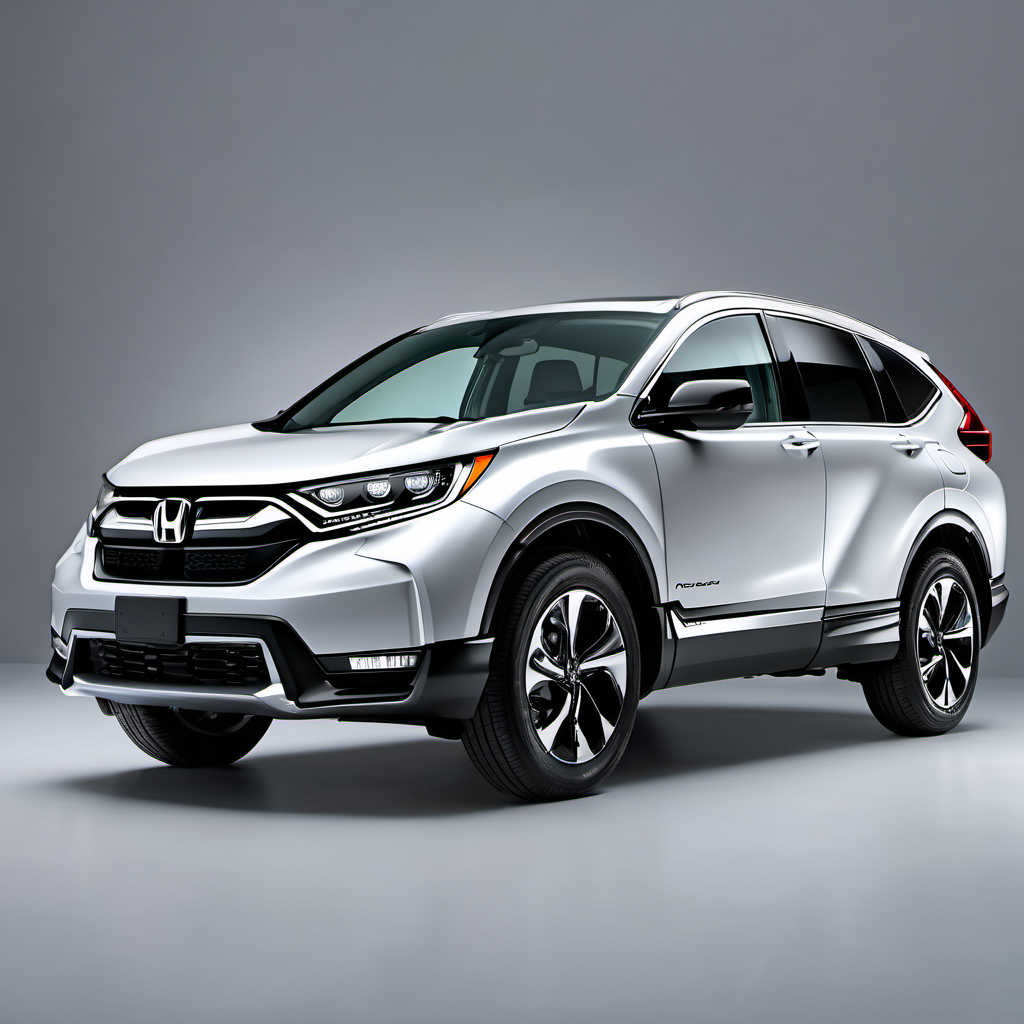
Benchmark of the compact crossover class. Standard hybrid powertrain offers better fuel economy; stronger long-term reliability record than the current-gen Escape. Slightly larger cargo area.
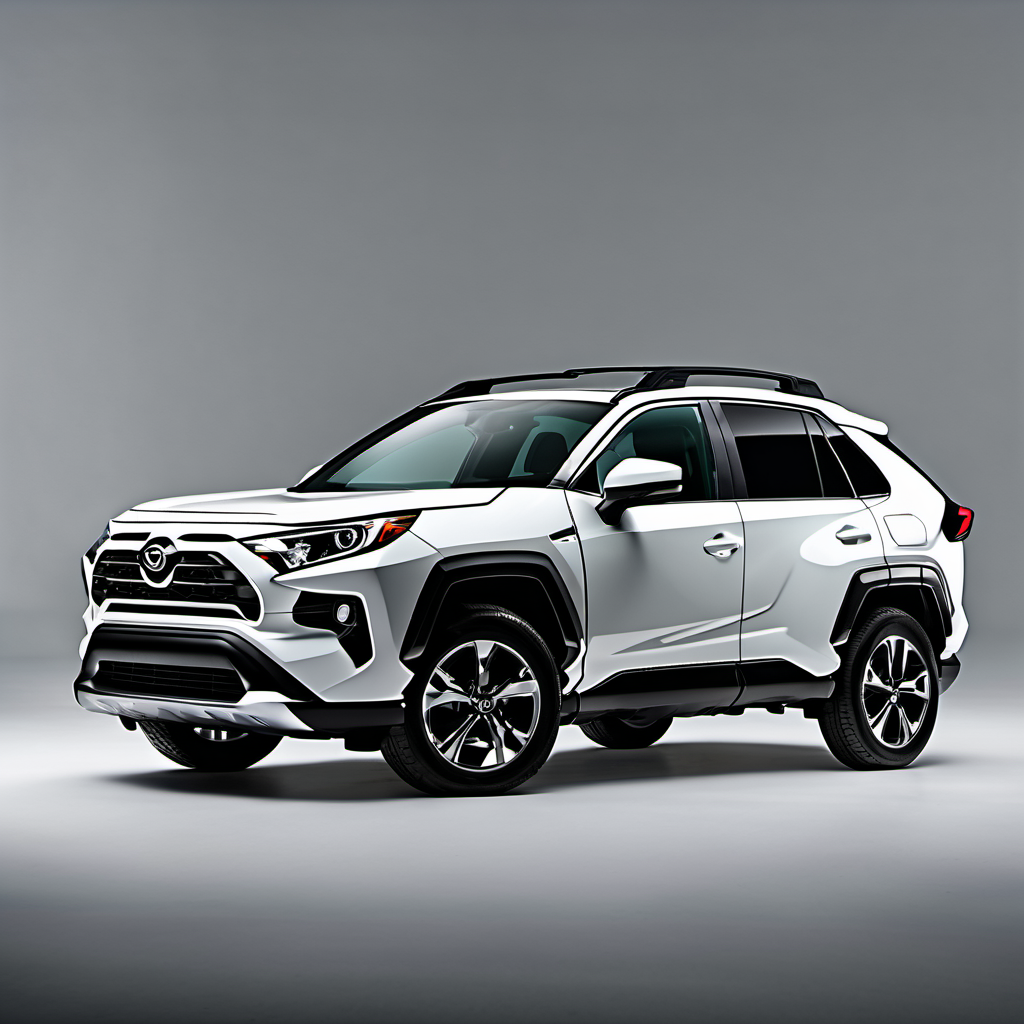
Top-selling compact crossover for a reason. Available AWD at a reasonable price, strong resale value, and Toyota's reliability reputation. Less car-like to drive than the Escape but arguably tougher long-term.
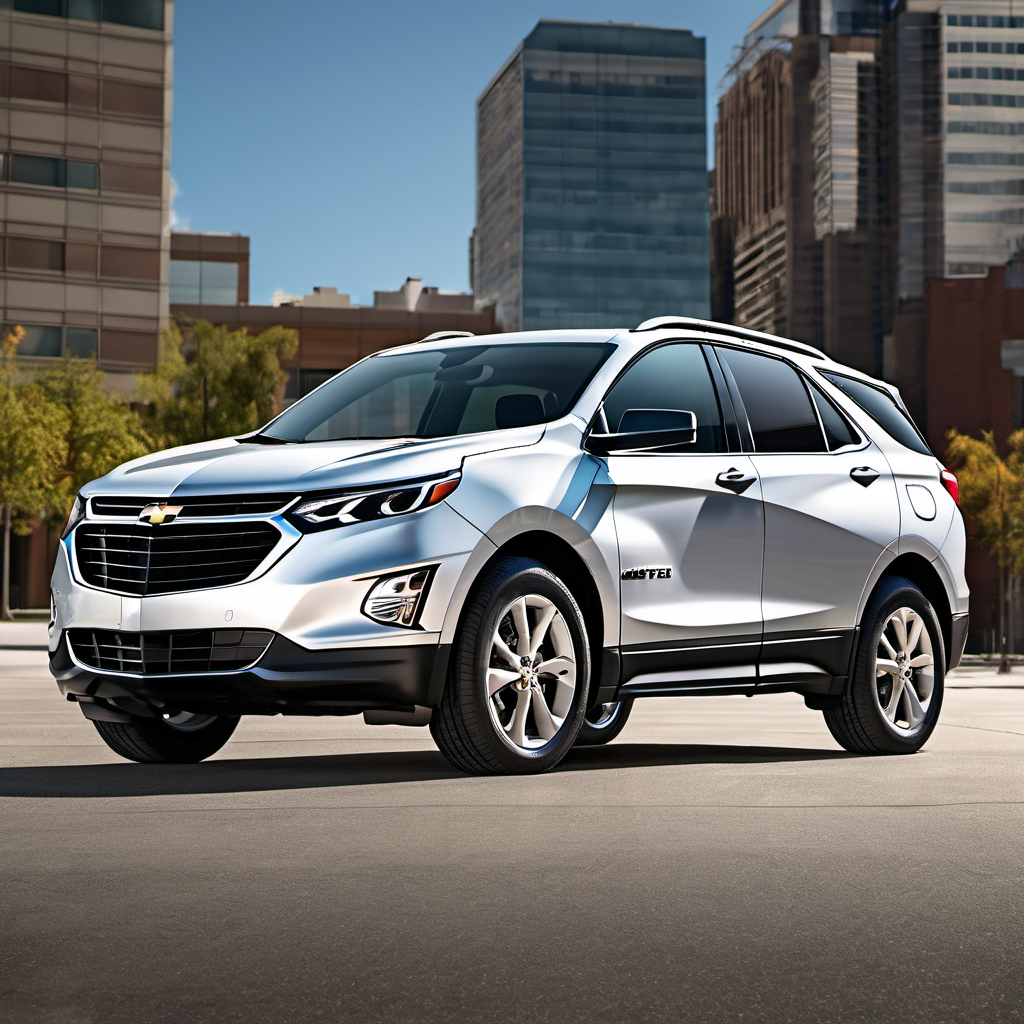
Similar price point and footprint. The redesigned 2024 Equinox offers a turbocharged 1.5L four-cylinder and competitive fuel economy. Good choice if you want a domestic brand with a more established engine in this displacement class.
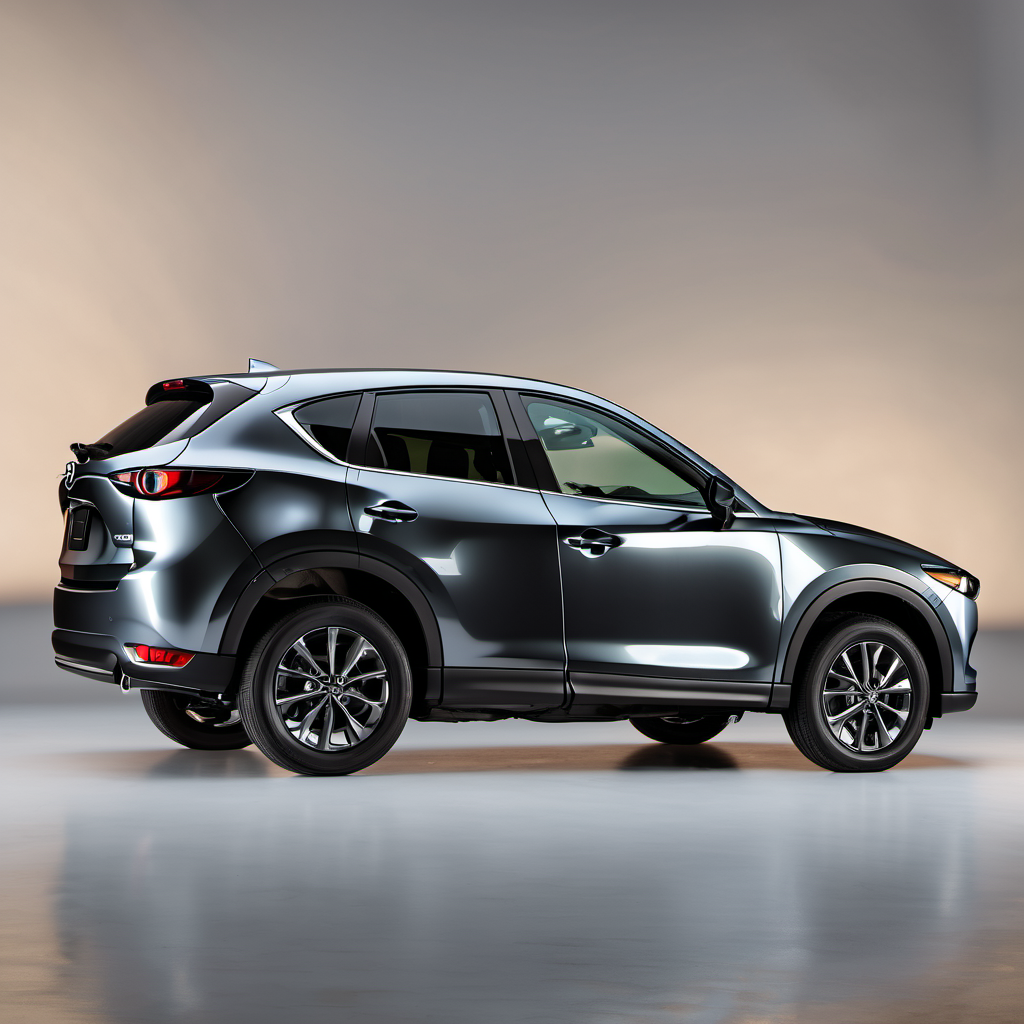
If driving dynamics and interior quality are priorities, the CX-5 punches above its price. Standard AWD on most trims — a meaningful advantage for Wisconsin winters. Slightly smaller but better reliability scores.