12V Auxiliary Battery Failure
medium- Typically appears
- 40–80k mi (or 4–7 years by age)
- Estimated repair
- $250 – $400
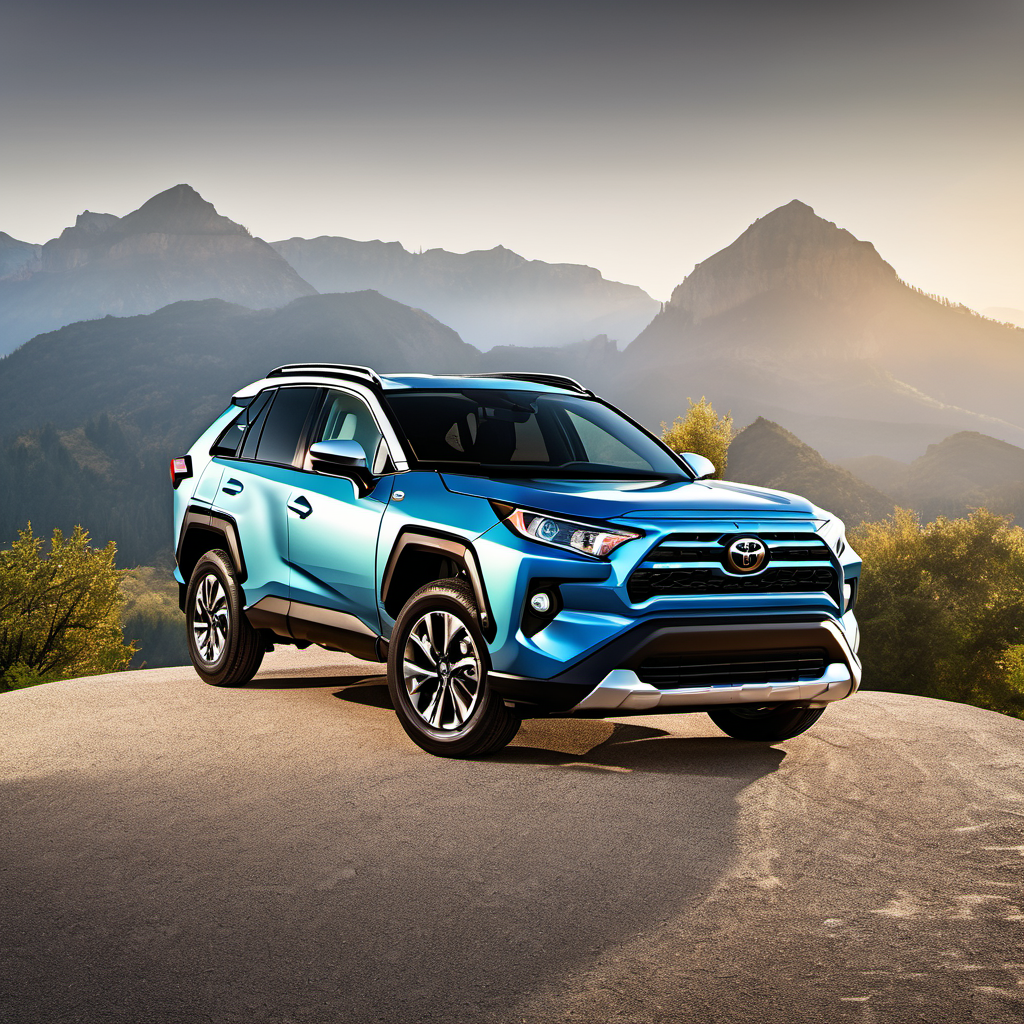
2024 Toyota
2.5L 4-cyl
The 2024 Toyota RAV4 Hybrid is one of the best-selling compact SUVs in America, and for good reason. It pairs a 2.5L four-cylinder Atkinson-cycle engine with two electric motor-generators and a nickel-metal hydride battery to deliver AWD traction without a traditional driveshaft — the rear axle is driven entirely by an electric motor. The result is a crossover that gets mid-40s MPG in the city while still hauling five people and a full load of gear. Toyota's fourth-generation hybrid system, THS II, is well past its teething stage. The same core architecture has been in mass production since 2019 in this platform and has accumulated millions of real-world miles globally. Reliability data from earlier RAV4 Hybrid generations strongly favors long-term ownership, with relatively few powertrain surprises. For Lake Geneva-area drivers, the AWD setup is a genuine winter asset — both axles get driven without the weight penalty of a traditional 4WD transfer case. The tradeoff is that hybrid system components (the 12V auxiliary battery in particular) need closer attention in sub-zero weather than a conventional vehicle.
The 2024 Toyota RAV4 Hybrid is one of the best-selling compact SUVs in America, and for good reason. It pairs a 2.5L four-cylinder Atkinson-cycle engine with two electric motor-generators and a nickel-metal hydride battery to deliver AWD traction without a traditional driveshaft — the rear axle is driven entirely by an electric motor. The result is a crossover that gets mid-40s MPG in the city while still hauling five people and a full load of gear. Toyota's fourth-generation hybrid system, THS II, is well past its teething stage. The same core architecture has been in mass production since 2019 in this platform and has accumulated millions of real-world miles globally. Reliability data from earlier RAV4 Hybrid generations strongly favors long-term ownership, with relatively few powertrain surprises. For Lake Geneva-area drivers, the AWD setup is a genuine winter asset — both axles get driven without the weight penalty of a traditional 4WD transfer case. The tradeoff is that hybrid system components (the 12V auxiliary battery in particular) need closer attention in sub-zero weather than a conventional vehicle.
The Atkinson-cycle engine runs leaner combustion cycles than a conventional engine; fresh full-synthetic oil protects the VVT-i system and prevents sludge that can trigger camshaft timing codes. Don't stretch this interval — skipped oil changes are the #1 cause of avoidable engine wear on this platform.
AWD torque vectoring and aggressive regenerative braking create uneven wear patterns. Staying on schedule maximizes tire life and keeps traction balanced in winter conditions.
A restricted filter forces the engine to work harder during gas-assist phases, reducing the efficiency advantage the hybrid system provides.
This small lead-acid battery starts the hybrid system. In sub-zero Lake Geneva winters, a weak 12V battery is the most common reason a RAV4 Hybrid won't wake up in the morning. Test it every October — replacement is cheap insurance.
Toyota does not publish a mandatory replacement interval, but inspection at this mileage is good practice. Contaminated fluid can accelerate wear in the motor-generators.
Brake fluid absorbs moisture over time. On a hybrid, the hydraulic and regenerative brake systems work together — degraded fluid can cause the brake actuator to behave erratically, especially in wet or icy conditions.
Wisconsin road dust, pollen, and salt particles clog the cabin filter quickly. A dirty filter strains the HVAC blower motor and reduces defrost effectiveness in winter.
The RAV4 Hybrid has two separate cooling loops — one for the engine and one for the power electronics/inverter. Both need attention on schedule to prevent overheating of hybrid components.
Always defer to the manufacturer's service manual for warranty-mandated intervals.
The RAV4 Hybrid costs more upfront than the gas-only version, but the math works out for most drivers. Fuel savings are real and measurable. Brake jobs are infrequent because regenerative braking does most of the work — rear pads in particular can go 80,000+ miles. The main risk item is a traction battery replacement after 150k miles, but that's an uncommon event and the cost has dropped significantly as the refurbished battery market has matured. Annual maintenance is genuinely lower than a comparable AWD crossover with a conventional drivetrain.
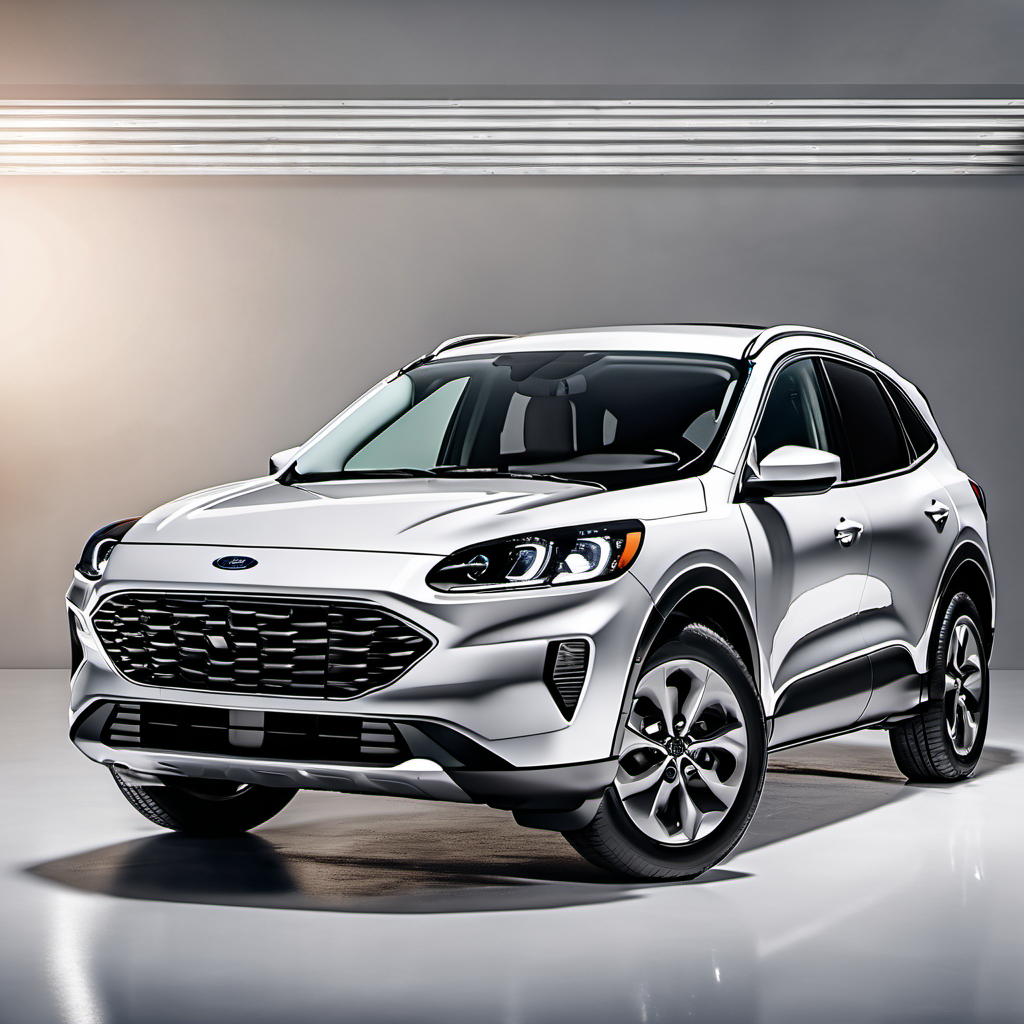
Same segment, AWD available, similar MPG. Cheaper MSRP but smaller interior and Ford's hybrid system is less proven long-term than Toyota's.
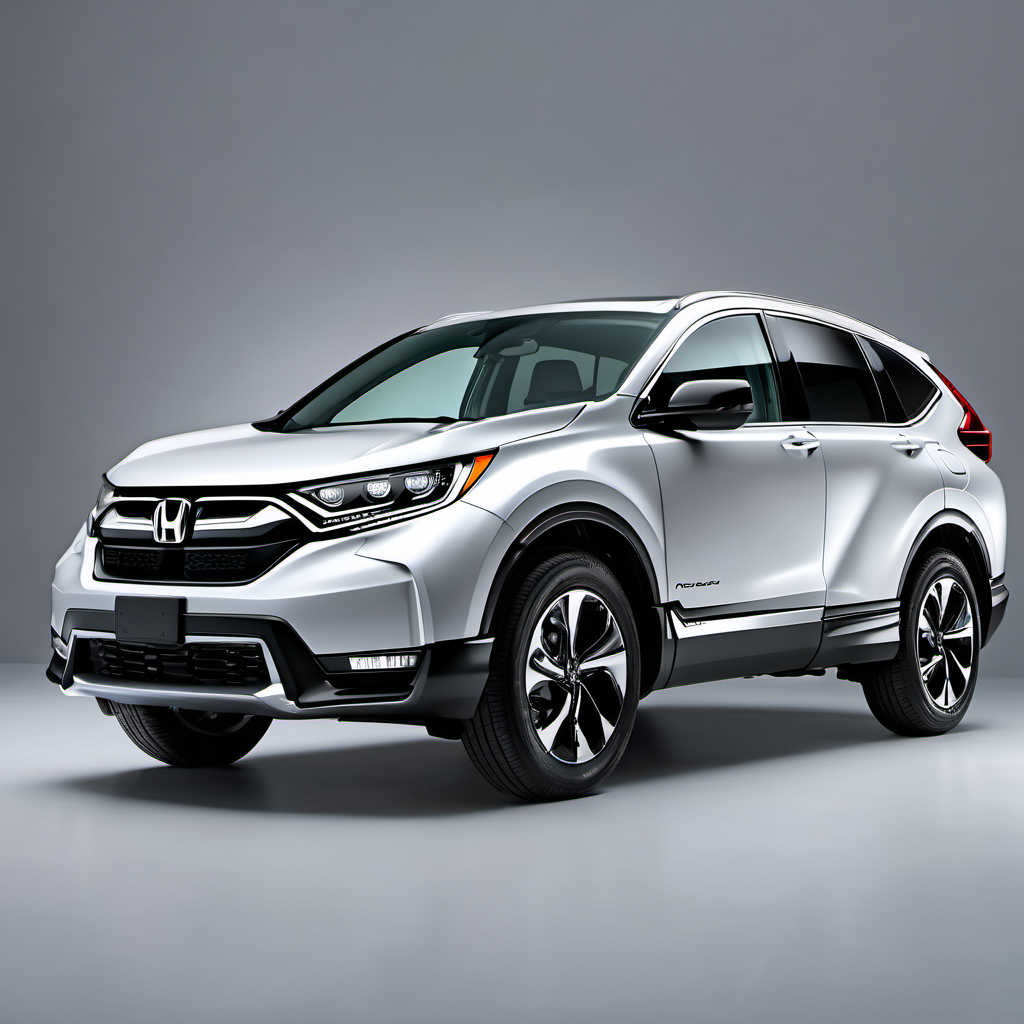
Direct size and price competitor. Honda's two-motor hybrid system is efficient and smooth, though the RAV4 Hybrid edges it on MPG and resale value.
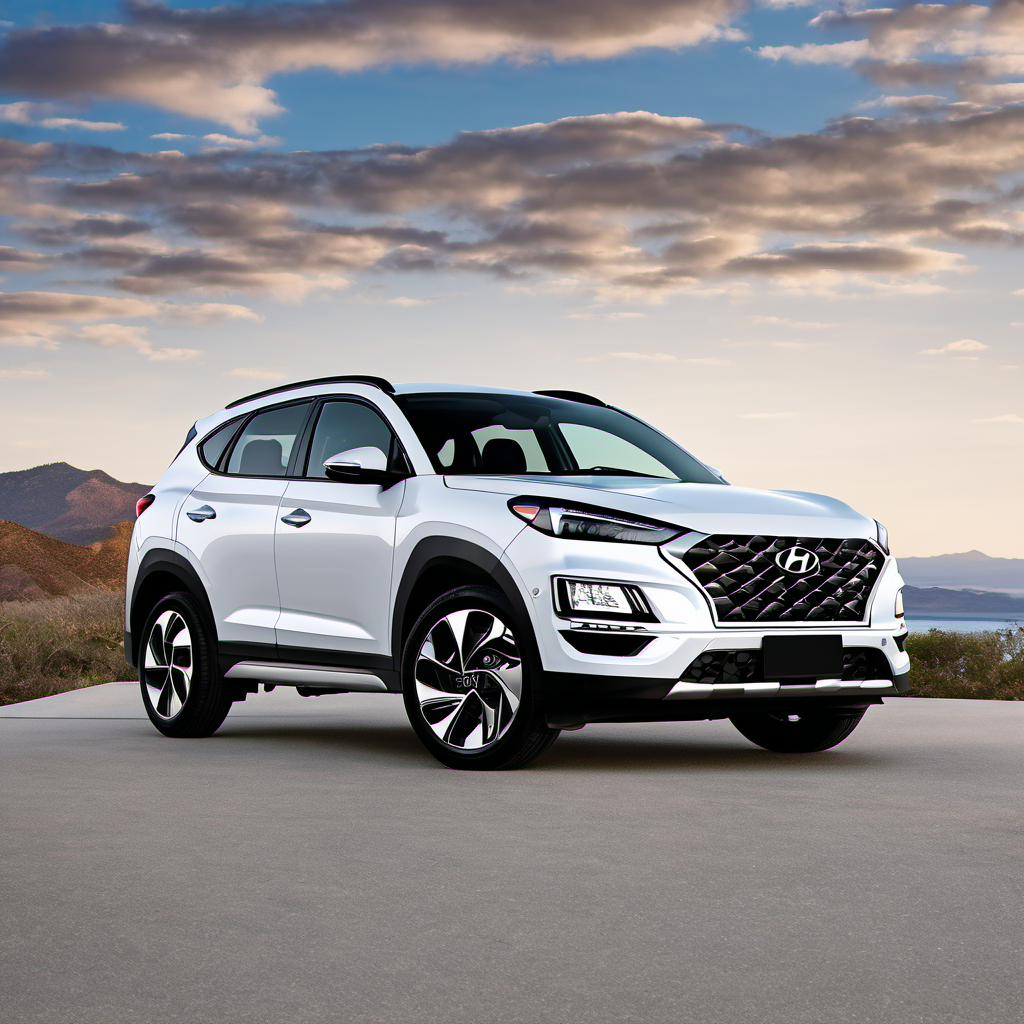
Well-equipped AWD hybrid at a lower price point. Good fuel economy and a longer warranty, but resale value and long-term hybrid reliability trail Toyota.
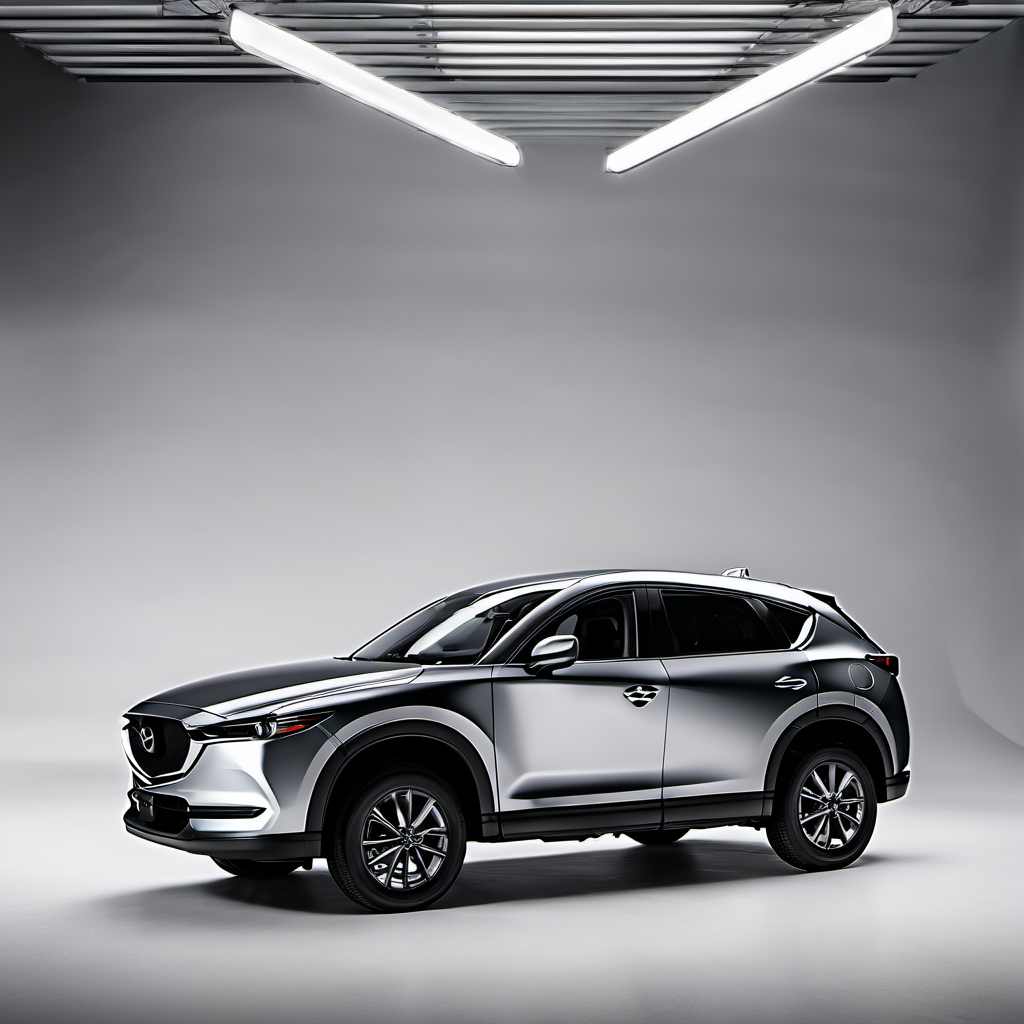
Uses the same Toyota THS II hybrid system under license in AWD format. Similar reliability profile but with a more driver-focused interior and slightly lower cargo volume.