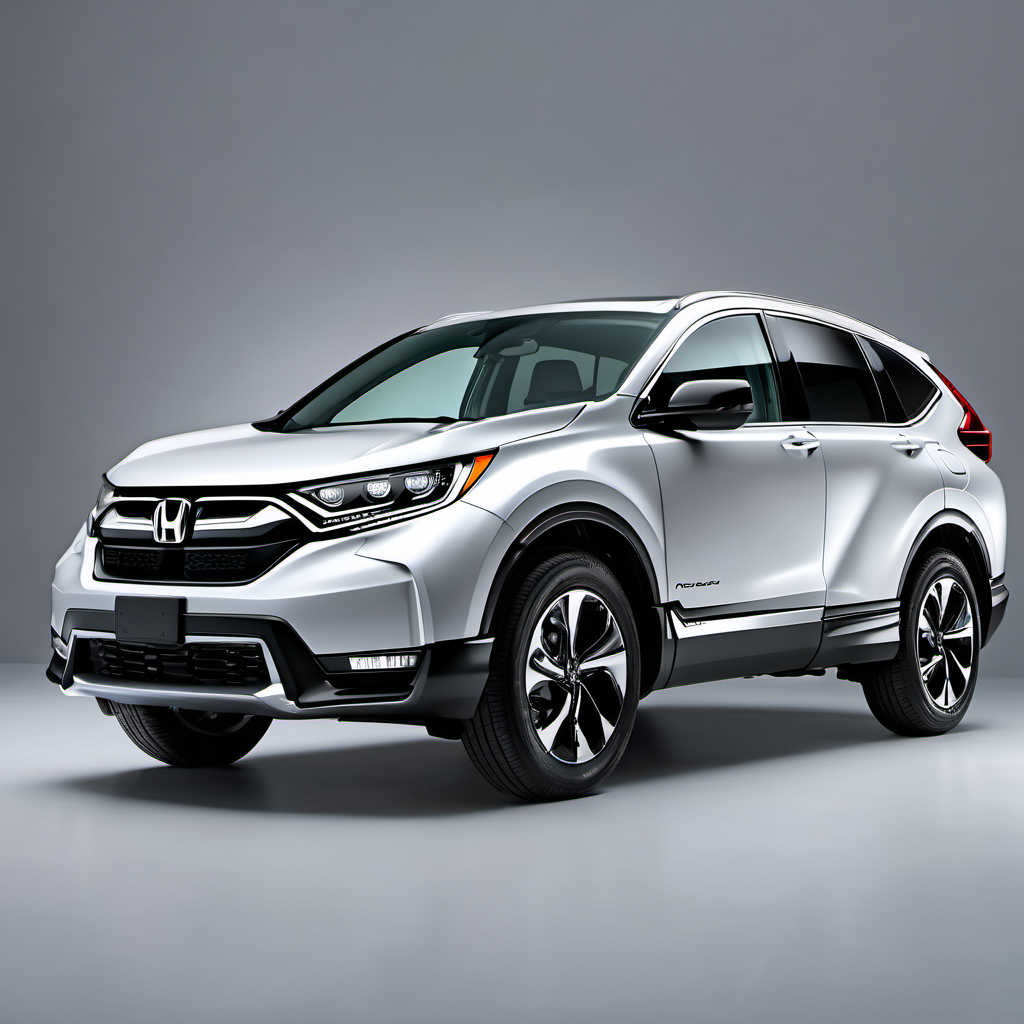
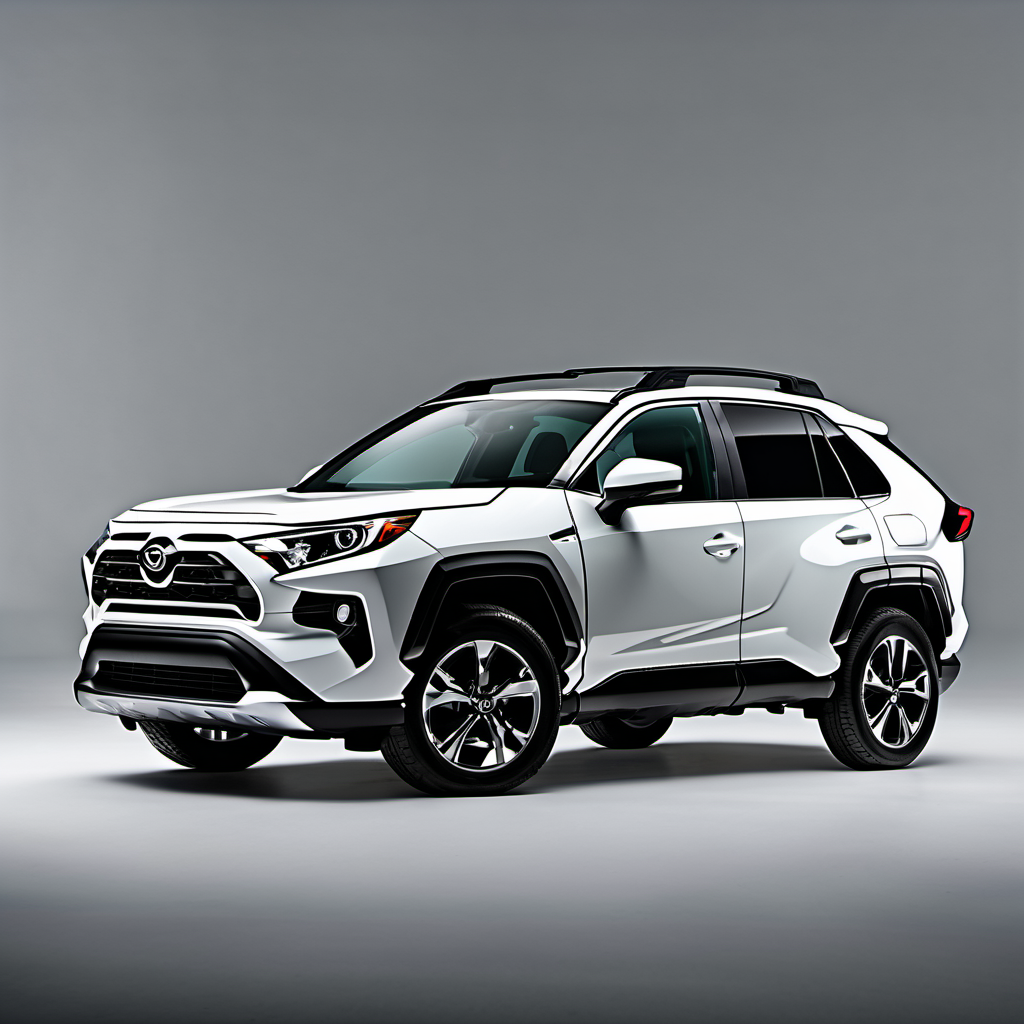
2024 Honda CR-V

2024 Honda

CR-V

1.5L 4-cyl

The 2024 Honda CR-V is the sixth-generation version of Honda's best-selling compact SUV, now carrying a revised 1.5L turbocharged four-cylinder paired with a CVT. It's a roomy, well-built crossover that punches above its class in cargo space and interior quality. Honda refined the platform significantly over the fifth gen, addressing some of the earlier oil-dilution complaints associated with the 1.5T in colder climates. For most families and commuters, the CR-V hits the sweet spot: practical cargo room, decent fuel economy, comfortable ride, and Honda's strong long-term reliability reputation behind it. The hybrid variant is also available if efficiency is a priority, but the gas 1.5T remains the volume seller. The 2024 model year is still relatively new on the road, so long-term data is limited. Early reports suggest the infotainment system is the most common friction point, while the powertrain itself is holding up well. Wisconsin winters are manageable in FWD trim for most drivers, though AWD is worth considering if you're in a rural area or deal with unplowed roads.

Reliability
4/5
Verified data
Specs shown for CR-V FWD — the most common configuration. Other trims may vary in engine, drivetrain, or fuel economy. Sign in to see your vehicle's exact specs.
Engine
[object Object]
Drivetrain
FWD
Fuel
Gasoline
MPG
28 city / 34 hwy / 30 combined
Seats
Doors
Body
Small Sport Utility Vehicle 2WD

Overview

AI-curated

The 2024 Honda CR-V is the sixth-generation version of Honda's best-selling compact SUV, now carrying a revised 1.5L turbocharged four-cylinder paired with a CVT. It's a roomy, well-built crossover that punches above its class in cargo space and interior quality. Honda refined the platform significantly over the fifth gen, addressing some of the earlier oil-dilution complaints associated with the 1.5T in colder climates. For most families and commuters, the CR-V hits the sweet spot: practical cargo room, decent fuel economy, comfortable ride, and Honda's strong long-term reliability reputation behind it. The hybrid variant is also available if efficiency is a priority, but the gas 1.5T remains the volume seller. The 2024 model year is still relatively new on the road, so long-term data is limited. Early reports suggest the infotainment system is the most common friction point, while the powertrain itself is holding up well. Wisconsin winters are manageable in FWD trim for most drivers, though AWD is worth considering if you're in a rural area or deal with unplowed roads.

Known for
  • Spacious interior and best-in-class cargo room for the segment
  • Efficient 1.5L turbocharged engine with solid real-world fuel economy
  • Strong long-term Honda reliability reputation
  • Comfortable highway ride and well-tuned CVT
  • Comprehensive safety tech standard across trims
Best for
  • Families needing practical daily transportation
  • Commuters who prioritize fuel economy and reliability
  • Buyers wanting Honda resale value and dealer network support
  • Light winter driving (AWD trim for heavier conditions)
Watch for
  • Infotainment system glitches and slow response — a known 2023–2024 irritant
  • CVT transmission shudder reported by some owners under 25k miles
  • Oil dilution in the 1.5T engine in extremely cold climates (short trips, sub-zero temps)
  • FWD base trims can struggle in deep Wisconsin snow — consider AWD

Common issues by mileage

6 known

Infotainment System Freezing / Unresponsive

high
Typically appears
15–40k mi
Estimated repair
$0 – $300

Lost Communication With Instrument Panel Cluster (U0155)

medium
Typically appears
20–50k mi
Estimated repair
$150 – $350

CVT Transmission Shudder on Acceleration

medium
Typically appears
10–30k mi
Estimated repair
$150 – $500

Engine Oil Dilution (Short-Trip / Cold-Climate Use)

medium
Typically appears
0–60k mi
Estimated repair
$0 – $150

VTC / Camshaft Timing Actuator Codes

low
Typically appears
60–120k mi
Estimated repair
$300 – $900

Turbocharger Bypass Valve Circuit Fault

low
Typically appears
80–150k mi
Estimated repair
$200 – $600

Maintenance schedule

  1. 1
    Every 5,000 miles or 6 months Engine oil and filter change (0W-20 Full Synthetic, 4.5 qt)

    Honda's Maintenance Minder may stretch intervals longer, but in Wisconsin winter conditions — especially with short trips — more frequent changes help combat oil dilution in the 1.5T. Use full synthetic only.

  2. 2
    Every 7,500 miles or 9 months Tire rotation

    Even wear extends tire life and maintains predictable handling. Critical for a FWD crossover where front tires take extra load.

  3. 3
    Every 30,000 miles or 24 months Engine air filter replacement

    Dirty filter reduces turbo performance and fuel economy. Wisconsin gravel and salt-treated roads accelerate contamination.

  4. 4
    Every 3 years or 45,000 miles CVT fluid replacement

    Honda officially calls CVT fluid 'lifetime' but independent shops and extended owners strongly recommend replacement at this interval to prevent shudder and extend transmission life.

  5. 5
    Every fall (before temps drop below 20°F) Battery load test

    The stop-start system and modern electronics place higher demand on the battery. A weak battery that passes a basic test in summer can fail on a -10°F Lake Geneva morning.

  6. 6
    Every fall Switch to winter-rated windshield washer fluid (-20°F or lower rated)

    Standard fluid freezes on the windshield at Wisconsin temps. Frozen washer lines and jets are a common and preventable issue.

  7. 7
    Every 2 years Brake fluid flush

    Brake fluid absorbs moisture over time, lowering its boiling point. Road salt also accelerates corrosion on brake hardware — inspect calipers and slides at every fluid service.

  8. 8
    Every 5 years or 60,000 miles Spark plug replacement (iridium plugs)

    Turbocharged engines run plugs harder than naturally aspirated engines. Fresh plugs maintain clean combustion and protect the catalytic converter.

Always defer to the manufacturer's service manual for warranty-mandated intervals.

Cost of ownership

Annual maintenance
$400 – $800
Fuel
At 30 MPG combined and ~15,000 miles/year, expect roughly $1,500–$1,800/year at current Wisconsin gas prices (~$3.20–$3.80/gal for regular unleaded).
Insurance
Typically $1,100–$1,500/year in the Lake Geneva area for a 2024 CR-V, depending on coverage level and driver history. Honda's strong safety ratings help keep rates reasonable.

The CR-V sits solidly in the 'affordable to own' tier of compact SUVs. Routine maintenance costs are modest, parts are widely available and competitively priced, and the powertrain is unlikely to cause expensive surprises in the first 100k miles with proper care. The main wildcard is infotainment electronics — software updates are typically warranty-covered, but out-of-warranty module replacements can run $300–$500. AWD models will add slightly to tire wear costs.
Seasonal care

Lake Geneva, WI
Winter
  • Test the battery every fall — cold cranking amps drop sharply below 0°F and the 1.5T's stop-start system stresses the battery more than a conventional setup.
  • Switch to -20°F or lower rated windshield washer fluid before November. Frozen nozzles and cracked reservoir caps are common and preventable.
  • Inspect wiper blades and consider winter-specific blades to handle ice and heavy snow buildup on Wisconsin roads.
  • Monitor oil condition closely if you make frequent short trips (under 10 miles). The 1.5T is prone to oil dilution in cold weather; check the dipstick for a milky or overfull reading and change oil more frequently if needed.
  • If parking outside, check tire pressure weekly — pressure drops roughly 1 PSI for every 10°F drop in temperature. Under-inflated tires reduce traction and fuel economy.
  • Rinse the undercarriage at a coin wash every 2–3 weeks during salt season to slow corrosion on brake lines, suspension components, and subframe mounting points.
Summer
  • Check tire pressure monthly — hot pavement raises pressure and over-inflated tires reduce contact patch and ride quality.
  • Run the A/C system on MAX cool for 5–10 minutes periodically to keep the refrigerant circuit lubricated and catch leaks early before the humid July heat arrives.
  • Inspect cabin air filter — pollen and road dust from summer travel clog it faster than winter. A dirty filter strains the A/C blower and reduces interior air quality.
  • Check coolant level and condition at every oil change. The turbocharged engine runs hotter than a naturally aspirated unit and coolant degradation accelerates in sustained summer heat.

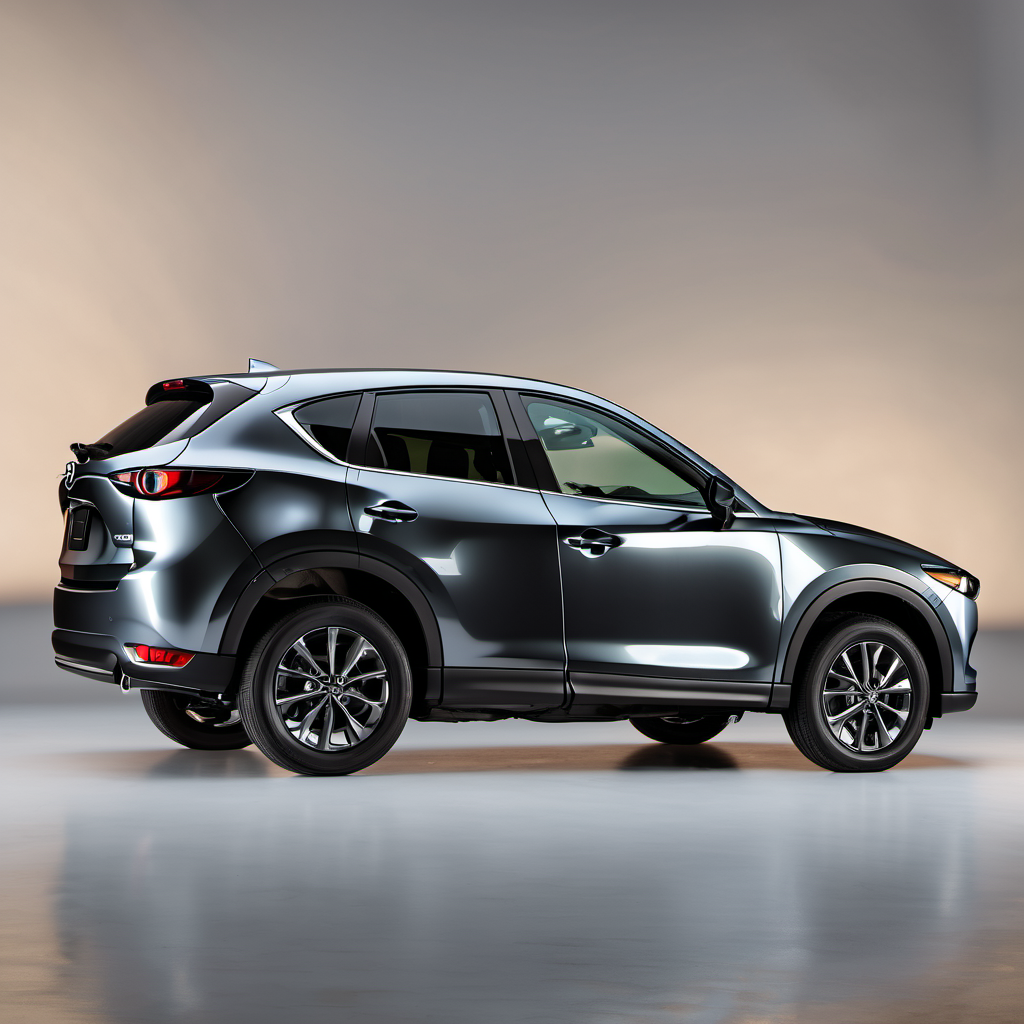
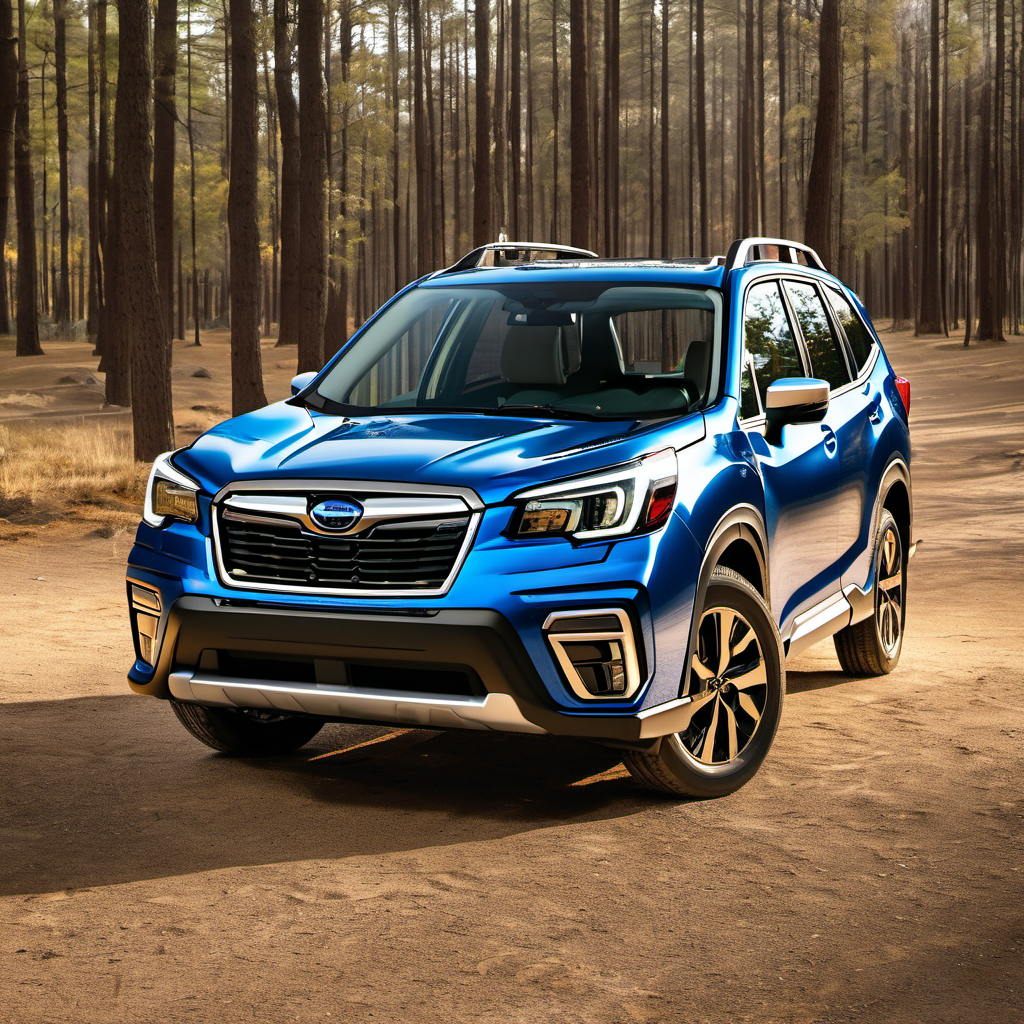
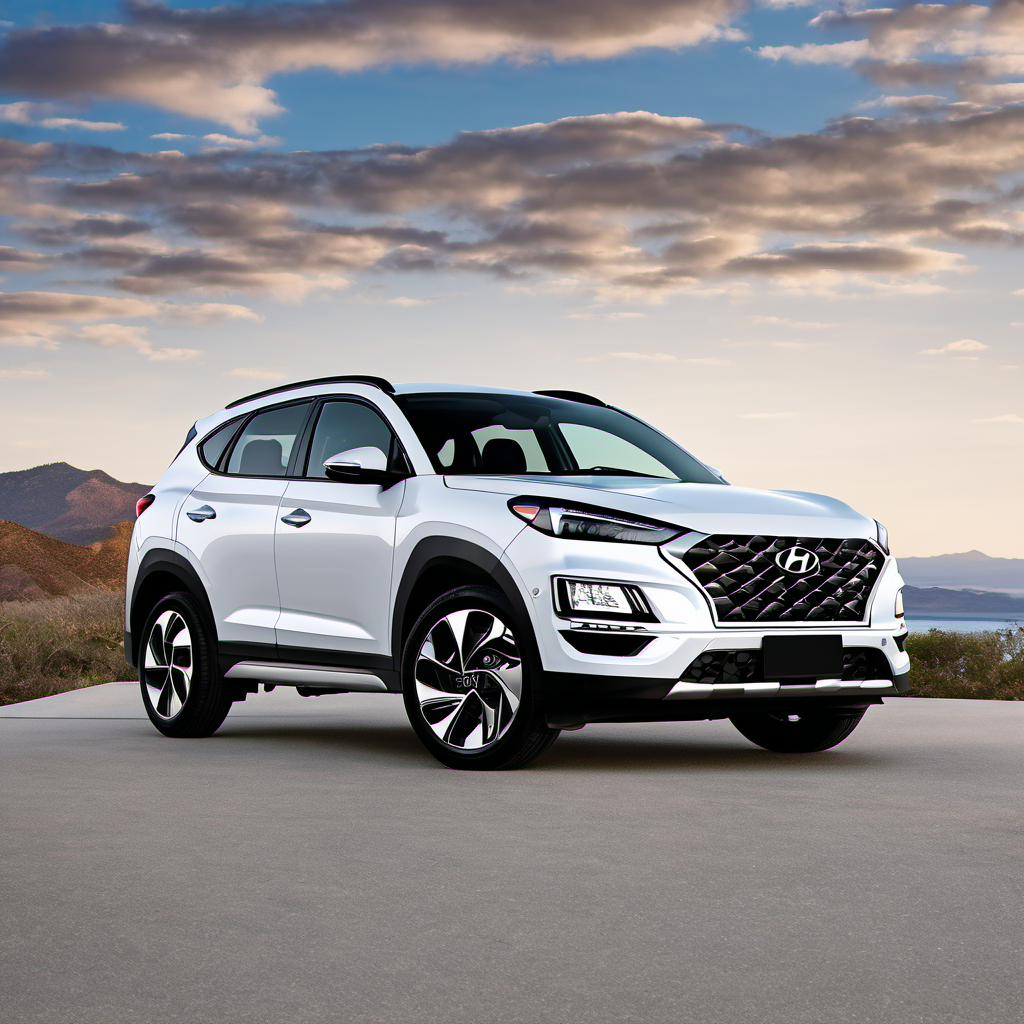
Comparable vehicles

If you're shopping for one

Red flags
  • Infotainment that freezes or reboots during the test drive — could indicate a pending module replacement that's expensive out of warranty.
  • CVT shudder during acceleration that a fluid change doesn't resolve — may indicate internal wear.
  • Oil level significantly above the full mark on the dipstick — classic sign of fuel/oil dilution from a previous owner's short-trip cold-weather driving pattern.
  • Any rust on brake lines, subframe, or rear trailing arm mounts — especially on Wisconsin-registered vehicles with heavy salt exposure.
  • Missing service records for oil changes — the 1.5T is sensitive to oil maintenance intervals.
What to inspect
  • Pull up the infotainment system and cycle through all screens, Apple CarPlay/Android Auto, and backup camera — verify no lag, freezing, or black screens.
  • Test drive from a cold start and feel for any shudder or vibration from the CVT when accelerating from a full stop.
  • Check the oil dipstick for level and condition — an overfull reading or milky/watery oil points to dilution from short-trip cold-weather use.
  • Confirm any open Honda TSBs or recalls have been completed — ask for service records.
  • On AWD trims, verify all four tires are the same brand and tread depth — mismatched tires can damage the rear coupling.
AI profile generated 4 days ago · claude-sonnet-4-6 · v2.