Infotainment System Freezing / Reboots
high- Typically appears
- 0–30k mi
- Estimated repair
- $0 – $300
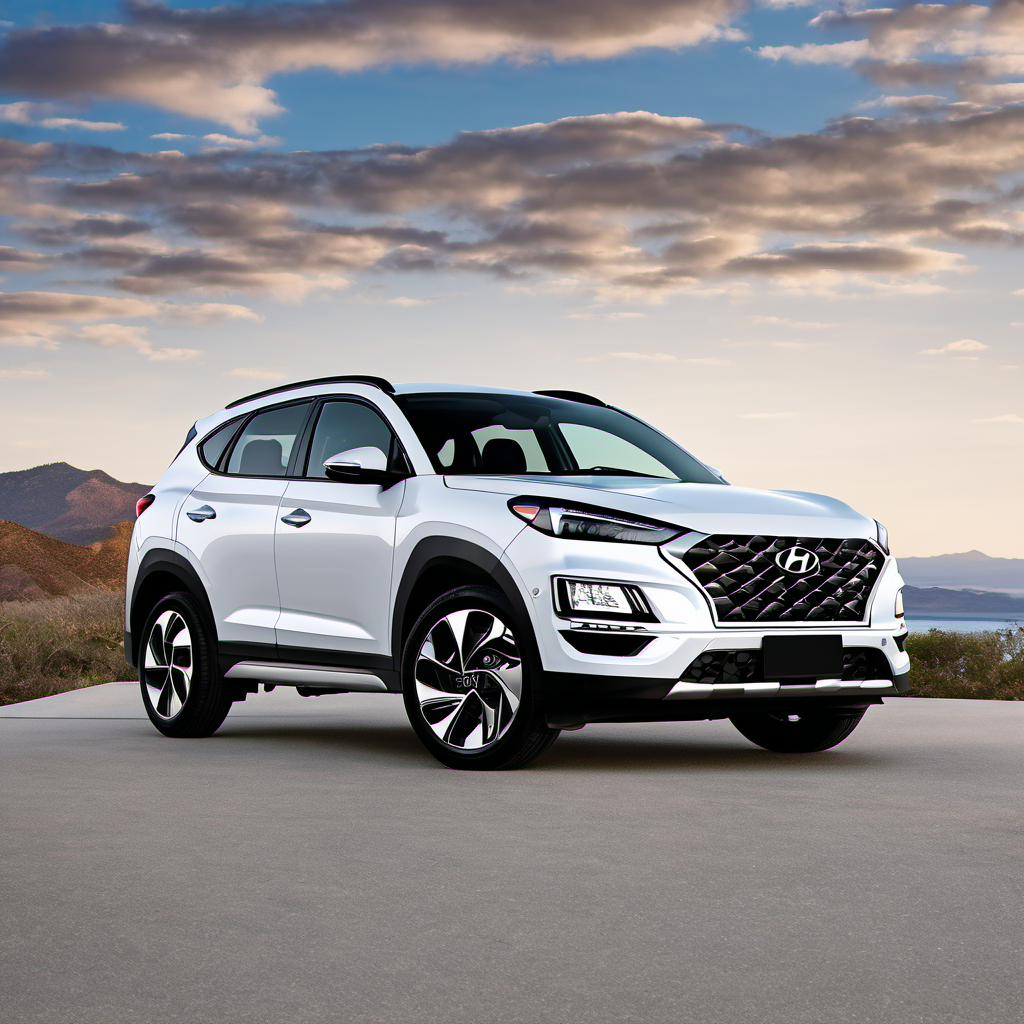
2024 Hyundai
2.5L 4-cyl
The 2024 Hyundai Tucson is a thoroughly redesigned compact SUV that punches above its price class in interior quality, standard features, and warranty coverage. The base 2.5L naturally aspirated four-cylinder is a solid, no-drama engine that delivers competitive fuel economy and enough power for daily use. The available hybrid and plug-in hybrid variants broaden the lineup, but the standard gas model is the volume leader and the most proven powertrain in the family. Hyundai's 5-year/60k bumper-to-bumper and 10-year/100k powertrain warranty is a genuine ownership advantage — especially for used buyers who may still be within those windows. Interior packaging is clever, the ride is comfortable, and safety tech comes standard at lower trims than most competitors. The main gripes are software-side rather than mechanical: the infotainment system has a track record of freezing and rebooting, and the transmission can shudder at low speeds early in ownership. Neither is a dealbreaker, but both are worth knowing before you buy. For a Wisconsin driver who wants a reliable, comfortable daily driver with low running costs, the Tucson is a strong choice — just confirm AWD if winter traction is a priority, as the base trim is FWD.
The 2024 Hyundai Tucson is a thoroughly redesigned compact SUV that punches above its price class in interior quality, standard features, and warranty coverage. The base 2.5L naturally aspirated four-cylinder is a solid, no-drama engine that delivers competitive fuel economy and enough power for daily use. The available hybrid and plug-in hybrid variants broaden the lineup, but the standard gas model is the volume leader and the most proven powertrain in the family. Hyundai's 5-year/60k bumper-to-bumper and 10-year/100k powertrain warranty is a genuine ownership advantage — especially for used buyers who may still be within those windows. Interior packaging is clever, the ride is comfortable, and safety tech comes standard at lower trims than most competitors. The main gripes are software-side rather than mechanical: the infotainment system has a track record of freezing and rebooting, and the transmission can shudder at low speeds early in ownership. Neither is a dealbreaker, but both are worth knowing before you buy. For a Wisconsin driver who wants a reliable, comfortable daily driver with low running costs, the Tucson is a strong choice — just confirm AWD if winter traction is a priority, as the base trim is FWD.
Hyundai's 2.5L uses a GDI+port injection system that can accumulate carbon deposits. Fresh full-synthetic oil at 5k intervals keeps the VVT system clean and helps avoid camshaft timing codes (P0012, P0015) that show up on neglected units.
FWD models wear front tires faster. Regular rotation protects your tire investment and maintains even handling, especially important on winter roads.
Wisconsin road grit and seasonal debris load up filters faster than mild climates. Check at 25k and replace by 30k.
Not always listed in the basic schedule, but salt air, pollen, and winter dust make this an important comfort and HVAC efficiency item.
If you experience the known low-speed shudder, have the shop check fluid condition before replacing anything — a fluid change plus TSB reflash resolves it in most cases.
Brake fluid is hygroscopic and absorbs moisture over time. In a Wisconsin winter-use vehicle with lots of brake cycling, keeping fluid fresh protects calipers and ABS components.
The Tucson's electronics put a real load on the 12V battery. A weak battery in Lake Geneva winters can cause module communication faults and no-start events. Test before October.
Hyundai has released multiple OTA-capable and dealer-applied software patches for infotainment freezing and transmission calibration. Staying current prevents the most common owner complaints.
Always defer to the manufacturer's service manual for warranty-mandated intervals.
The Tucson is an inexpensive vehicle to maintain under normal conditions. Oil changes, rotations, and filters are the bulk of routine spend in the first 60k miles. The 10-year/100k powertrain warranty and 5-year bumper-to-bumper coverage absorb most major repair risk for new buyers. Used buyers should confirm warranty transfer status — it does transfer to subsequent owners, though the bumper-to-bumper term shortens. The main wildcard is electronics: infotainment repairs outside warranty can run $150–$300 per visit.
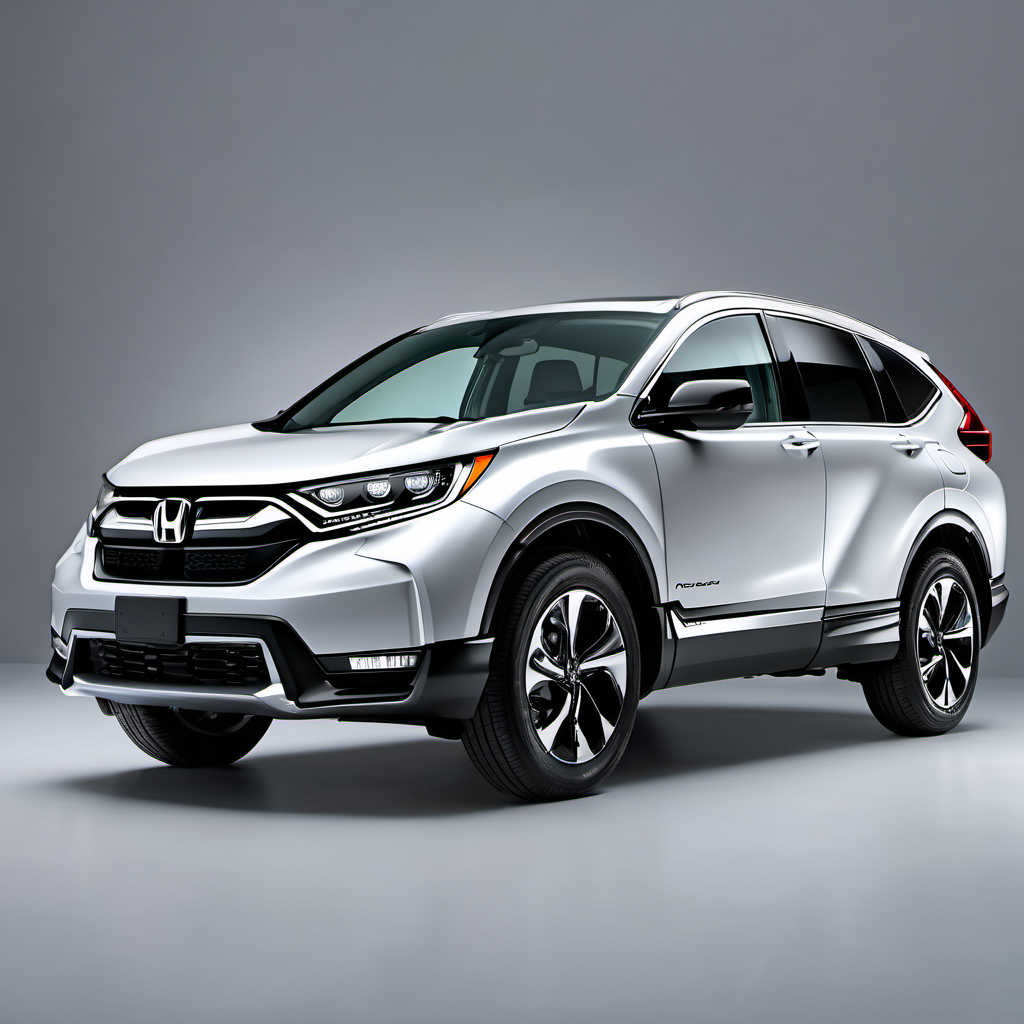
Direct segment rival with similar pricing, excellent long-term reliability, and a strong dealer network. Slightly less warranty coverage but a longer proven track record in this generation.
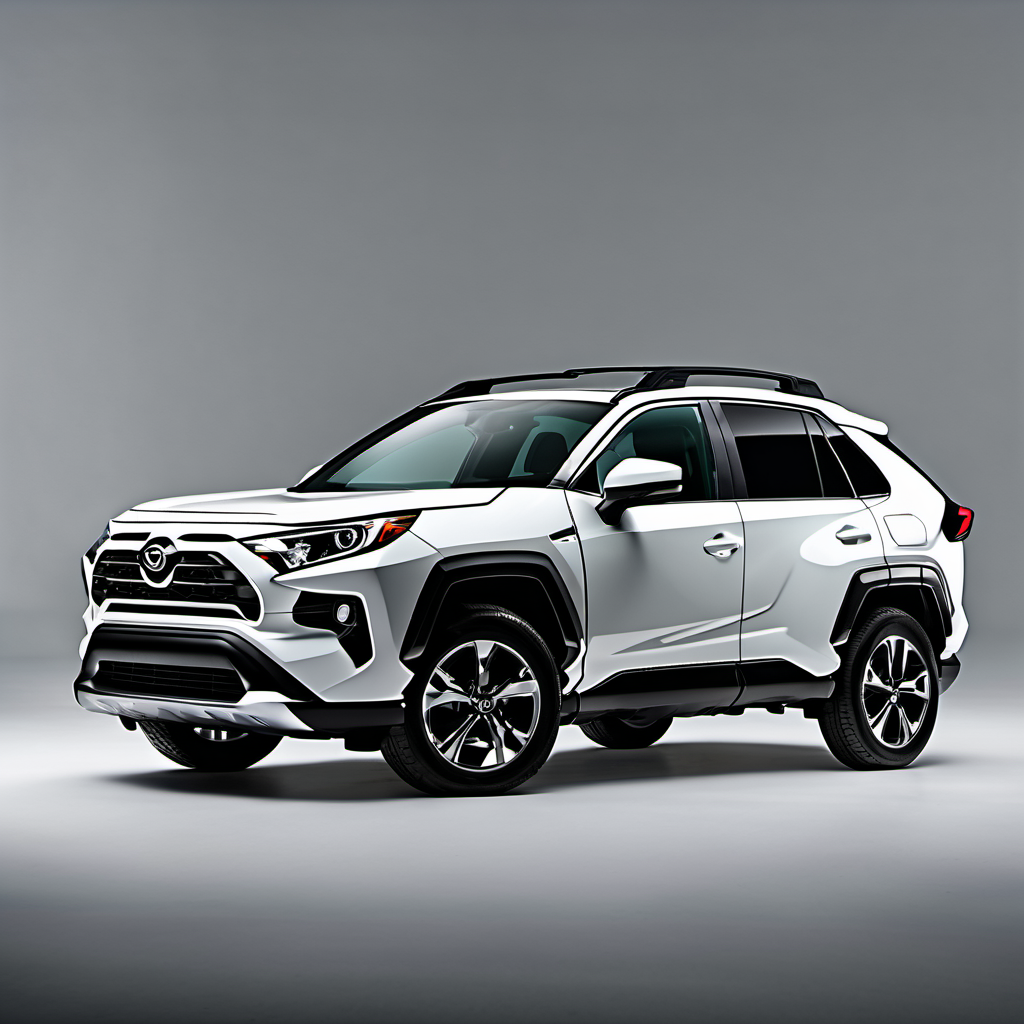
The segment benchmark for resale value and long-term reliability. Less interior flair than the Tucson but arguably a safer used-market bet at higher mileages.
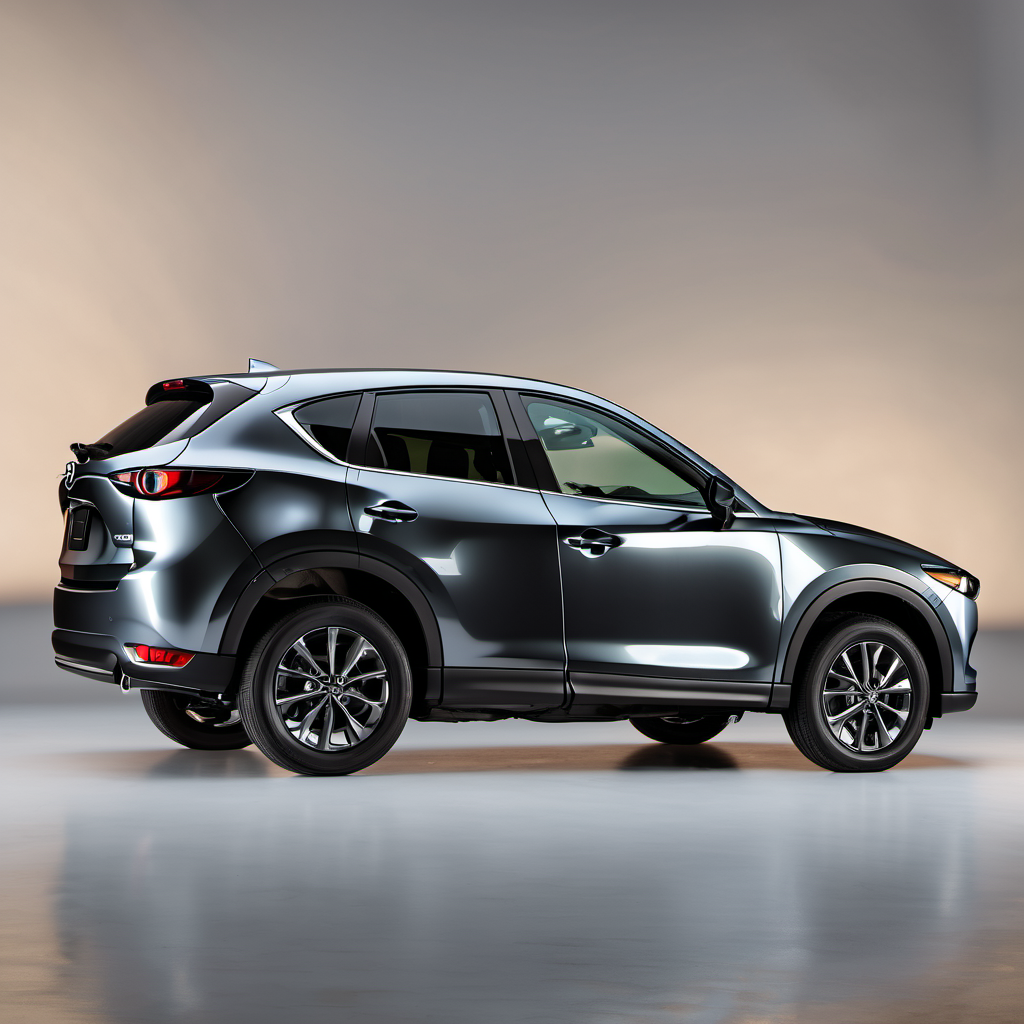
Premium feel without the premium price. More driver-focused than the Tucson, excellent fit and finish, and strong reliability scores. AWD is more widely available across trims.

Built on the same platform as the Tucson with shared powertrains. Slightly sportier styling, same warranty, and near-identical ownership costs — worth cross-shopping at the same dealer.