Secondary Air Injection Pump Failure
high- Typically appears
- 75–110k mi
- Estimated repair
- $900 – $1,800
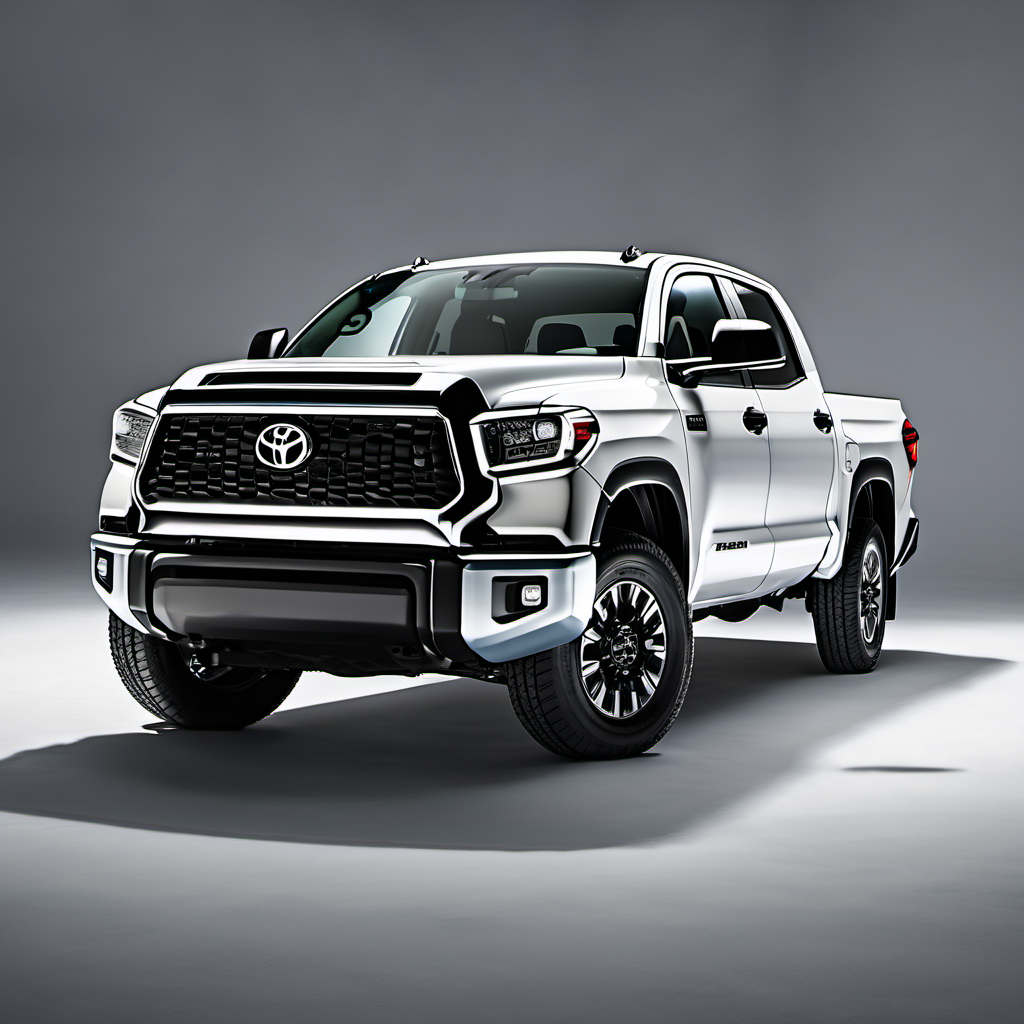
2022 Toyota
5.7L V8 · Pickup
The 2022 Toyota Tundra Double Cab is the last model year of the second-generation Tundra before the full redesign introduced the twin-turbo V6. This generation carried the legendary 5.7L V8 that earned Toyota's reputation for indestructibility in the full-size truck segment. It's a big, straightforward truck with a proven powertrain that many mechanics and owners trust for high-mileage duty. With 381 hp, a 10,400-lb tow rating, and 4WD, the Tundra competes directly with the F-150 and RAM 1500 but has always lagged slightly in fuel economy and interior refinement. What it lacks in mpg it makes up for in long-term dependability — the 5.7L iForce engine is widely regarded as one of the most durable V8s ever put in a production truck. For Lake Geneva-area buyers, the Tundra's 4WD system and generous ground clearance make it a capable winter rig, but frame rust is a real concern in Wisconsin's salt belt. An undercoating inspection and annual touchups should be on every owner's checklist.
The 2022 Toyota Tundra Double Cab is the last model year of the second-generation Tundra before the full redesign introduced the twin-turbo V6. This generation carried the legendary 5.7L V8 that earned Toyota's reputation for indestructibility in the full-size truck segment. It's a big, straightforward truck with a proven powertrain that many mechanics and owners trust for high-mileage duty. With 381 hp, a 10,400-lb tow rating, and 4WD, the Tundra competes directly with the F-150 and RAM 1500 but has always lagged slightly in fuel economy and interior refinement. What it lacks in mpg it makes up for in long-term dependability — the 5.7L iForce engine is widely regarded as one of the most durable V8s ever put in a production truck. For Lake Geneva-area buyers, the Tundra's 4WD system and generous ground clearance make it a capable winter rig, but frame rust is a real concern in Wisconsin's salt belt. An undercoating inspection and annual touchups should be on every owner's checklist.
The 5.7L V8's VVT-i system depends on clean oil to function correctly. Dirty oil causes sludge buildup in the cam phasers, which leads to expensive timing codes. Use 0W-20 full synthetic, 7.4 quarts with filter. This is the single most important service on this truck.
At 5,670 lbs, this truck is hard on tires. Rotating every 5k miles extends tire life significantly and helps you spot uneven wear from alignment or suspension issues early.
Toyota lists this as 'lifetime' fluid, but in towing or cold-climate use it degrades faster. A 60k-mile change interval dramatically reduces the risk of the rough-shifting and torque converter issues common on this platform. Use only Toyota WS ATF — 11.5 quarts total fill.
Standard interval for this engine. Dusty gravel roads or construction use may require more frequent replacement. A clogged filter costs you fuel economy this truck can't afford to give up.
Easy access, inexpensive part. A clogged cabin filter reduces HVAC airflow and heater effectiveness — important for Wisconsin winters.
Front and rear differentials use 75W-85 GL-5; the rear requires an LSD additive if so equipped. The transfer case uses 75W GL-4. These are often skipped but are critical for 4WD longevity, especially when running in 4WD on snowy Wisconsin roads.
DOT 3 is hygroscopic — it absorbs moisture over time, lowering the boiling point and promoting internal corrosion. In a salt-belt state like Wisconsin, moisture intrusion happens faster. Fresh fluid protects calipers and wheel cylinders.
Frame rust is the biggest long-term threat to this truck in Wisconsin. Inspect brake lines, fuel lines, and frame rails every year. Touch up undercoating where it's been compromised. Catching surface rust early costs very little; ignoring it costs thousands.
Always defer to the manufacturer's service manual for warranty-mandated intervals.
The Tundra's annual maintenance costs are reasonable for a full-size 4WD truck — oil changes, tire rotations, and filters are the bulk of routine spend. Budget separately for the near-certain secondary air injection pump replacement ($900–$1,800) somewhere in the 75–110k mile window. Fuel is the biggest ongoing cost: the 5.7L V8 is not fuel-efficient, and you'll feel it weekly at the pump. The upside is strong resale value and a powertrain that rarely needs major unplanned work when properly maintained.
The segment benchmark. More powertrain options, better fuel economy with EcoBoost engines, more interior refinement — but less proven long-term durability data than the Tundra's 5.7L V8.
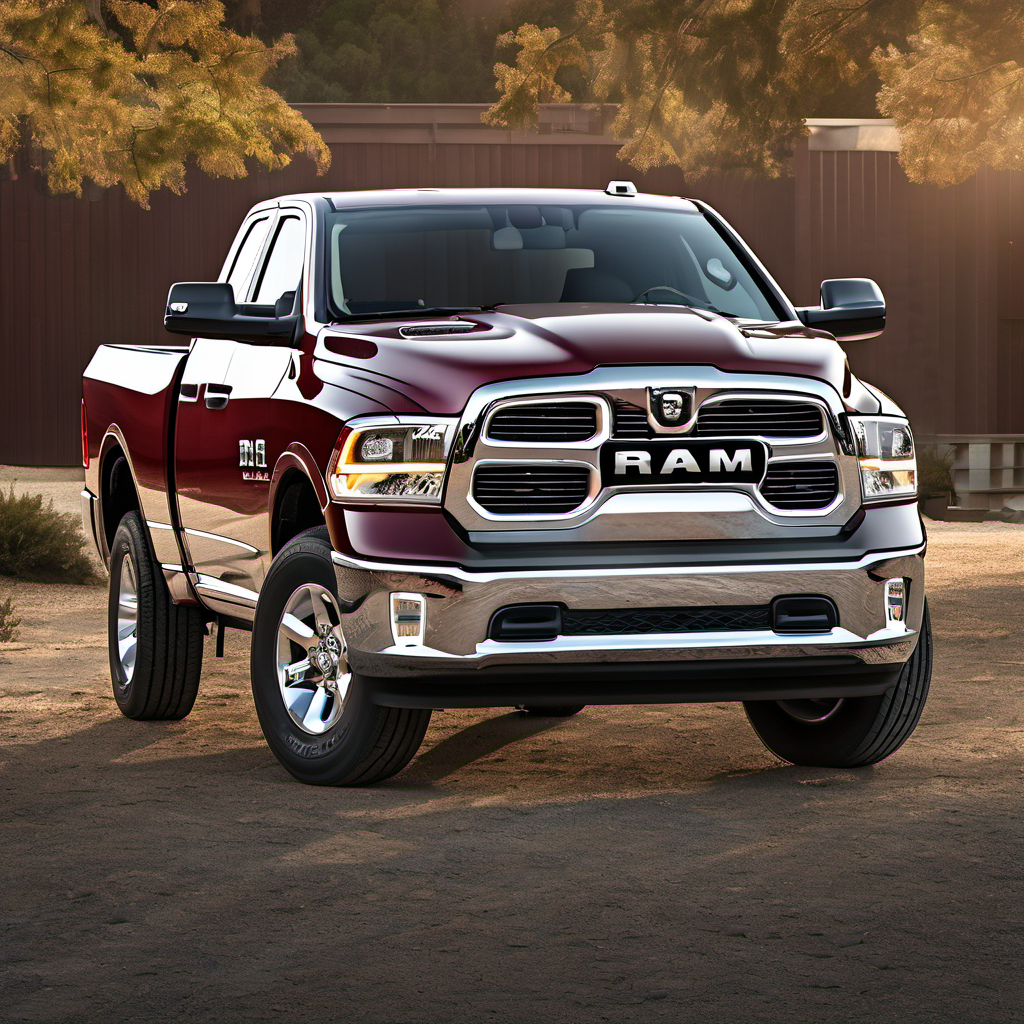
The most comfortable full-size truck interior in the segment. Smooth eTorque mild-hybrid option improves mpg. Less repair-history confidence than Tundra at high mileage.
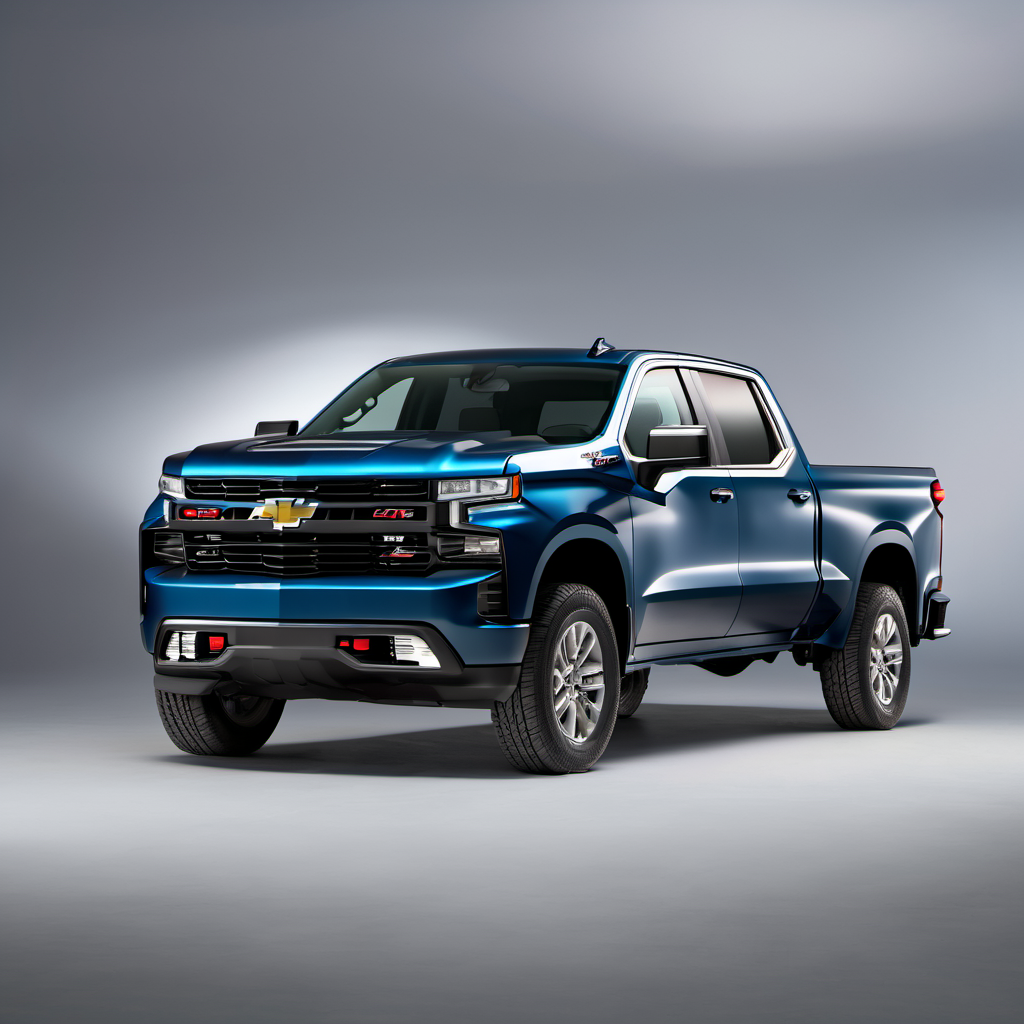
Strong V8 options, wide dealer network in the Midwest, competitive towing. Reliability is good but not quite at Tundra levels over 200k miles.
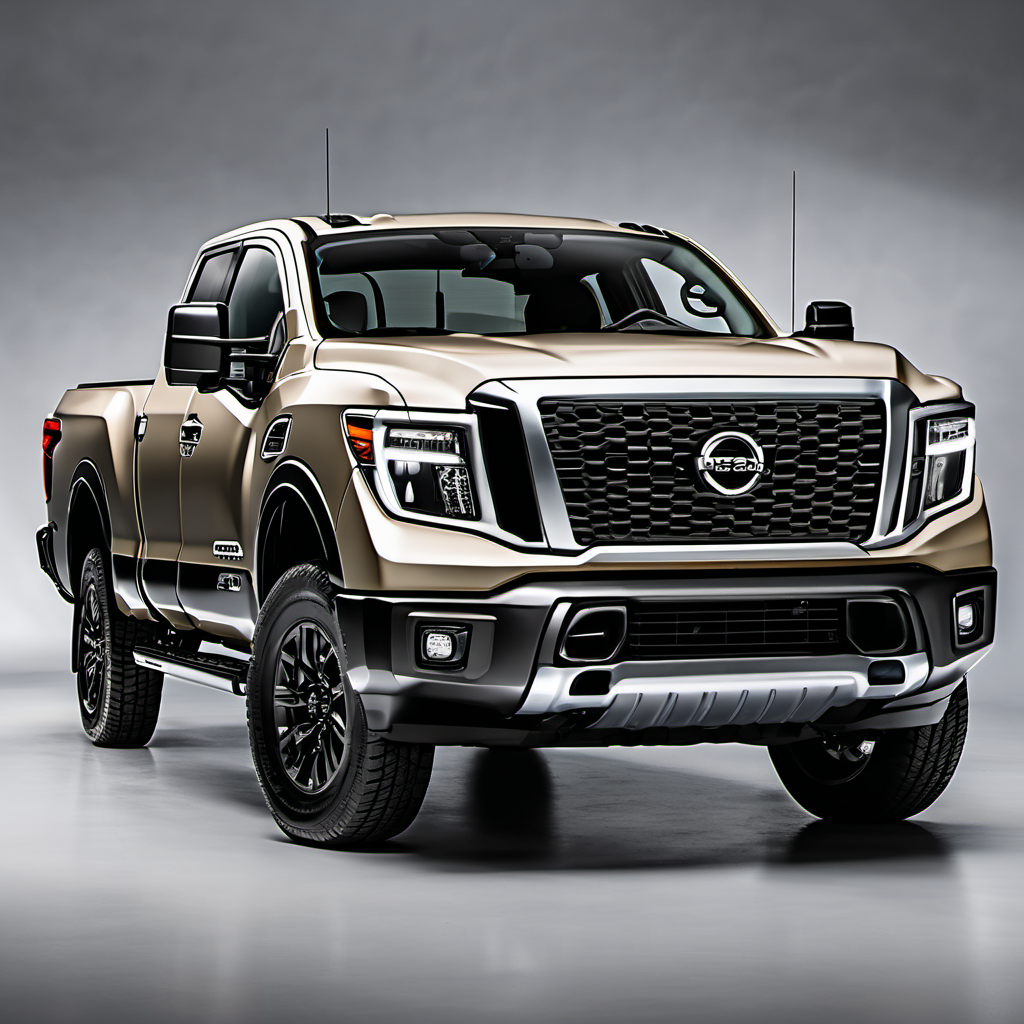
Direct Tundra competitor with a similar 5.6L V8 philosophy. Lower resale value and smaller dealer/parts network than Toyota, but a legitimate alternative for buyers who want V8 simplicity.