Transmission Shudder / Torque Converter Clutch Failure
high- Typically appears
- 40–70k mi
- Estimated repair
- $2,800 – $4,200
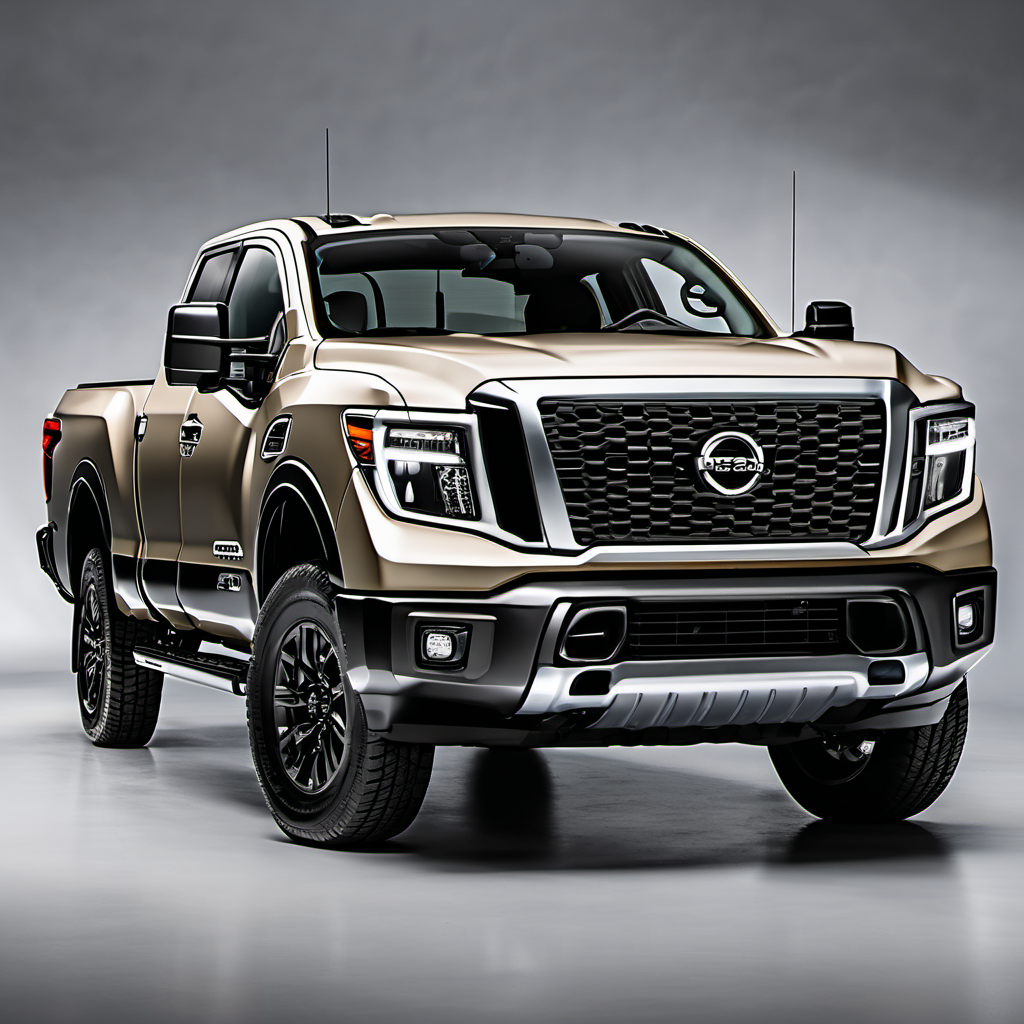
2022 Nissan
5.6L V8 · Pickup
The 2022 Nissan Titan King Cab is a full-size pickup built around Nissan's proven 5.6L Endurance V8 — the only engine offered, which simplifies ownership and keeps parts common across the lineup. The King Cab body style splits the difference between a regular cab and a crew cab, offering rear-hinged back doors and a longer bed (78.7 inches) that makes it genuinely useful for hauling lumber, gear, or anything that won't fit in a crew cab's shorter bed. The Titan competes against the Ford F-150, RAM 1500, and Toyota Tundra but holds a smaller slice of the market. That means lower resale demand but also less dealer markup pressure on used examples. The 9,290-lb tow rating is competitive, and the ride quality is notably car-like for a body-on-frame truck — a trait owners consistently praise. Wisconsin buyers should pay particular attention to the frame and undercarriage. Wisconsin's road salt is aggressive, and the Titan has a known regional susceptibility to frame surface rust. Proactive undercoating and regular undercarriage washing will make a meaningful difference in long-term structural integrity.
The 2022 Nissan Titan King Cab is a full-size pickup built around Nissan's proven 5.6L Endurance V8 — the only engine offered, which simplifies ownership and keeps parts common across the lineup. The King Cab body style splits the difference between a regular cab and a crew cab, offering rear-hinged back doors and a longer bed (78.7 inches) that makes it genuinely useful for hauling lumber, gear, or anything that won't fit in a crew cab's shorter bed. The Titan competes against the Ford F-150, RAM 1500, and Toyota Tundra but holds a smaller slice of the market. That means lower resale demand but also less dealer markup pressure on used examples. The 9,290-lb tow rating is competitive, and the ride quality is notably car-like for a body-on-frame truck — a trait owners consistently praise. Wisconsin buyers should pay particular attention to the frame and undercarriage. Wisconsin's road salt is aggressive, and the Titan has a known regional susceptibility to frame surface rust. Proactive undercoating and regular undercarriage washing will make a meaningful difference in long-term structural integrity.
The 5.6L's VVT system is sensitive to oil condition. The 5W-30 synthetic blend spec helps cold starts, which matters in Wisconsin winters. At 6.5 quarts, don't skip the filter — it holds significant old oil. This is the single most important service on this truck.
4WD trucks wear tires unevenly, especially with the added weight of the 5.6L V8 up front. Regular rotation extends tire life and keeps handling balanced — critical on winter roads.
Given the known transmission shudder issue on this generation, we recommend shortening the interval to 60k if you do any towing, frequent short trips, or live somewhere with cold winters (which describes Lake Geneva). Only use Nissan Matic J ATF — wrong fluid accelerates the shudder problem. Capacity is 10.8 quarts total.
A clogged air filter on a high-compression direct-injection V8 will hurt fuel economy and power noticeably. Wisconsin gravel roads and winter sand can load filters faster than the 30k interval assumes.
Wisconsin winters pump a lot of road grime and salt dust through the HVAC system. A clean cabin filter keeps the blower motor healthy and keeps the air quality tolerable.
Given the documented rear axle noise issue on this generation, keeping fresh differential fluid is your best low-cost defense. Old fluid loses its protective additives and accelerates bearing wear.
DOT 3 absorbs moisture over time, which lowers its boiling point and can cause corrosion in the brake system. This matters even more in Wisconsin where road salt gets into everything.
Salt-belt frame rust is a documented issue on these trucks. A high-pressure undercarriage wash at a coin car wash every few weeks during Wisconsin winter costs a few dollars and can add years to the frame, brake lines, and fuel lines.
Always defer to the manufacturer's service manual for warranty-mandated intervals.
The Titan's annual maintenance costs are reasonable during the first 50,000 miles — mostly oil changes, rotations, and filters. The potential transmission repair in the 40–70k window is the big wildcard; budget $3,000–$4,200 if it happens and isn't covered under any remaining powertrain warranty. Fuel is the largest recurring cost given the V8's appetite. On the positive side, independent shop labor rates on this truck are straightforward — no exotic tooling required — and parts availability is solid for a lower-volume truck.
The benchmark full-size truck. More engine options, better fuel economy with the EcoBoost V6, higher resale value, and a wider dealer/parts network. If towing capacity and technology matter, the F-150 edges the Titan out — but it costs more new and used.
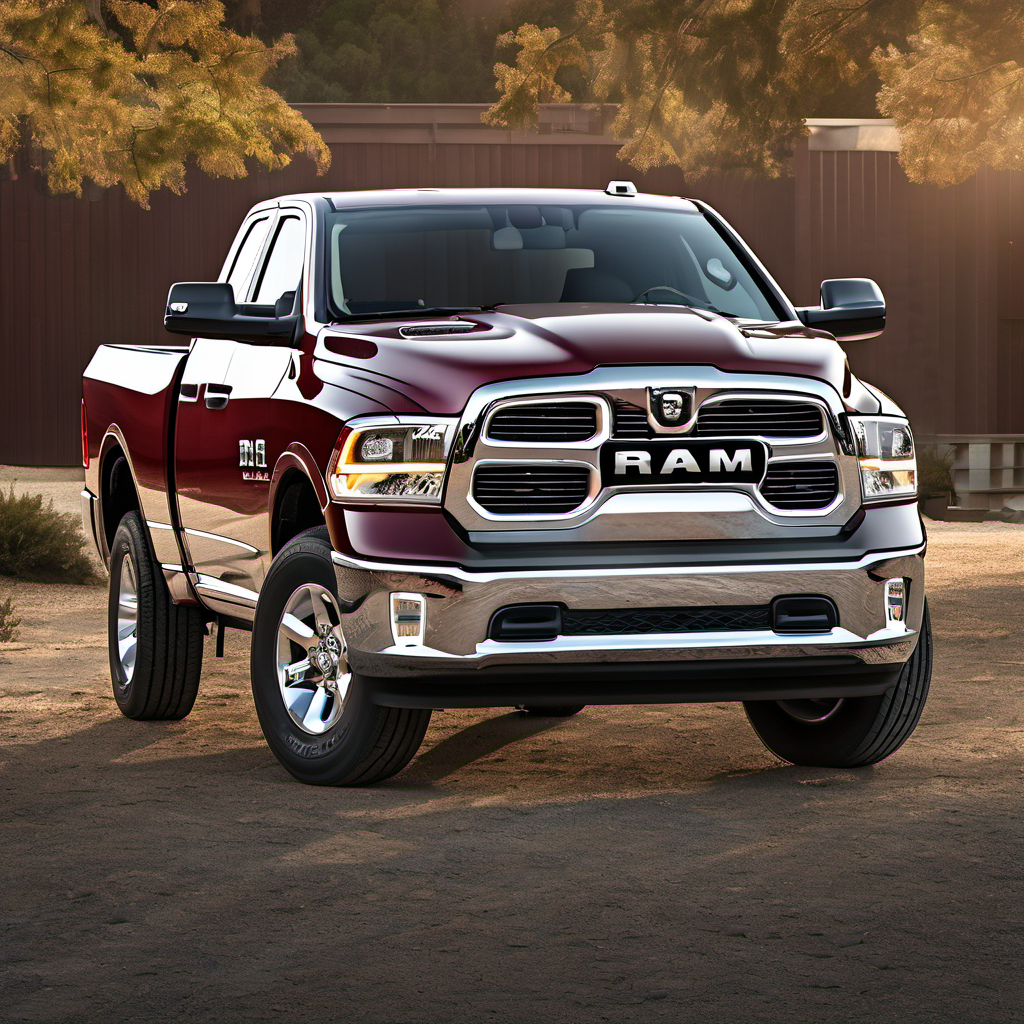
Best ride quality in the segment thanks to coil-spring rear suspension. Comparable tow ratings, nicer interior than the Titan, and strong resale. The eTorque mild hybrid on V8 models adds a bit of efficiency. Slightly more expensive used.
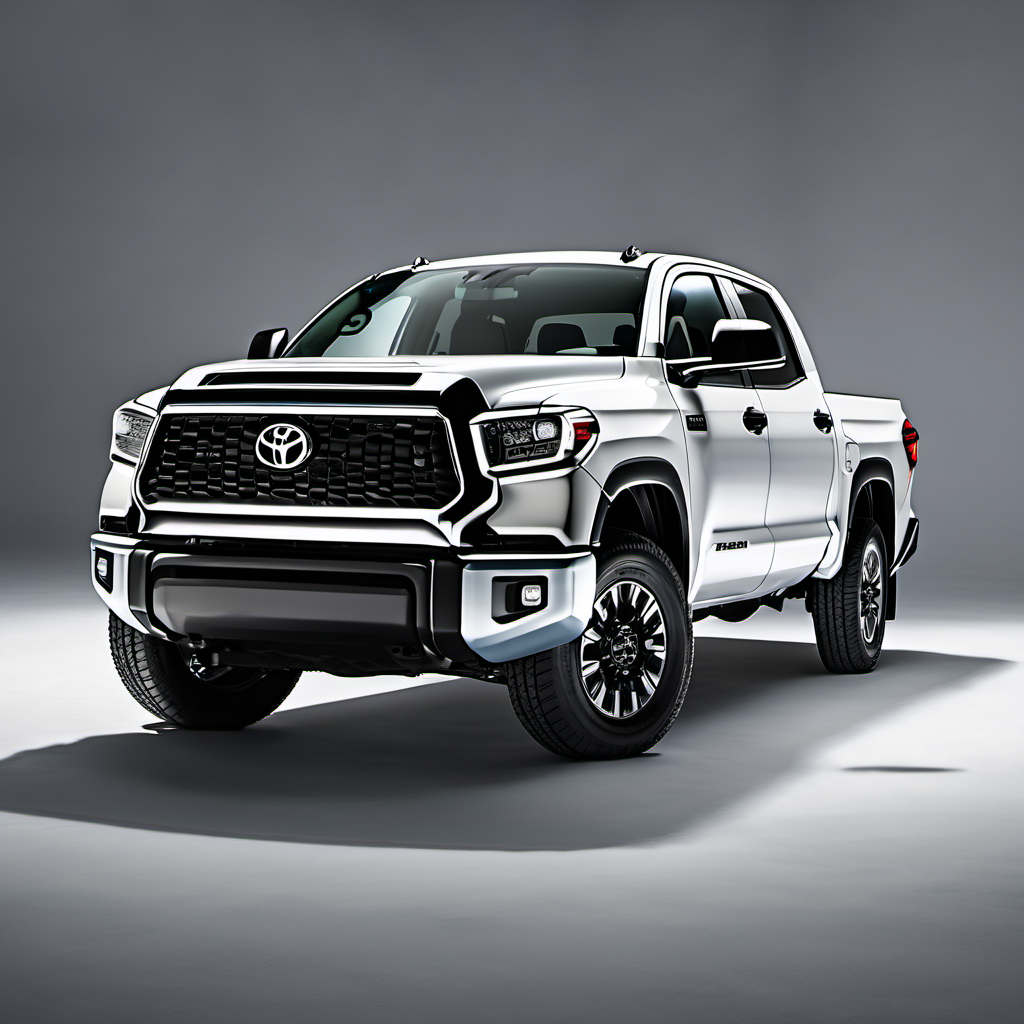
The 2022 Tundra went to a twin-turbo V6 — a significant departure. Reliability reputation is excellent, resale is the strongest in the segment, and the new platform is more modern than the Titan. Comparable price point on the used market.
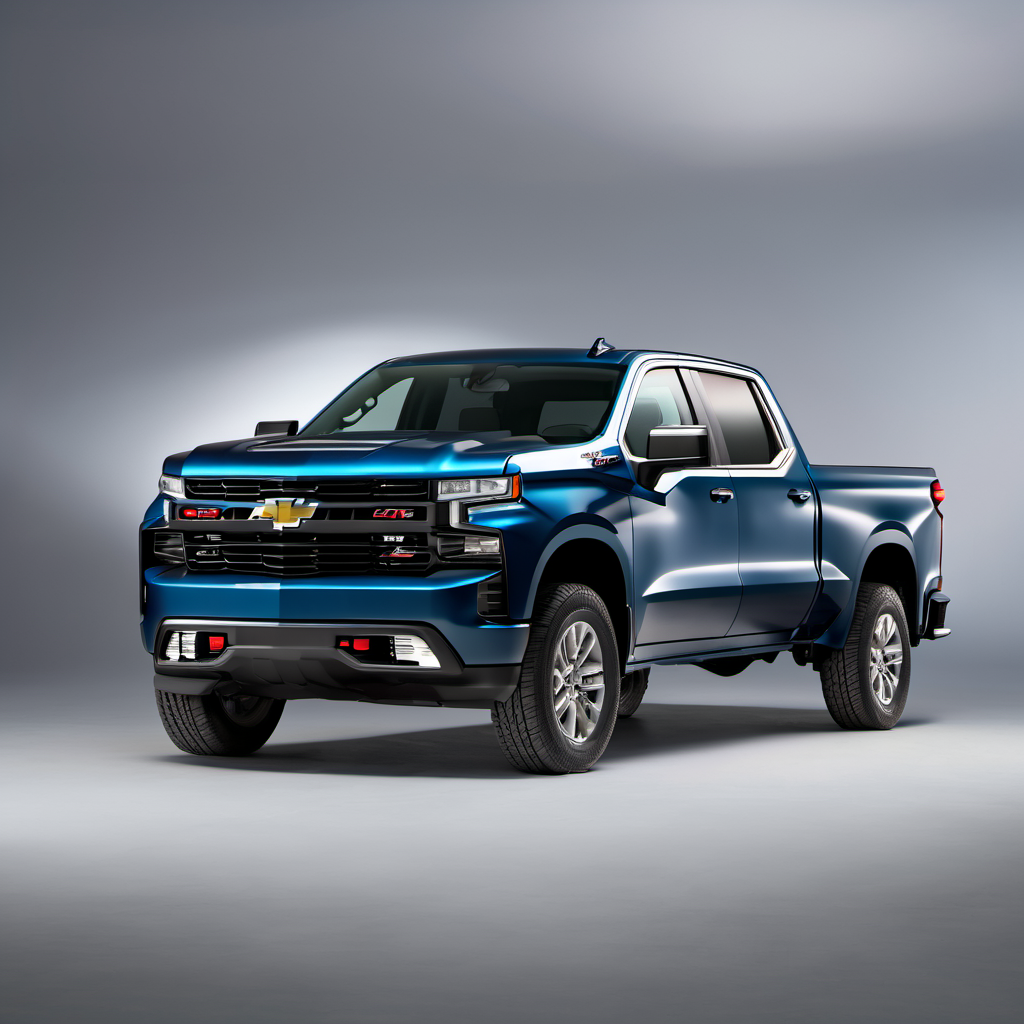
Wide range of engine options including an efficient inline-6 diesel. Strong dealer network in Wisconsin, good resale, and a mature platform. The 5.3L and 6.2L V8 options are well-proven alternatives to the Titan's 5.6L.