Spark plug blow-out (3.3L V6)
low- Typically appears
- 60–120k mi
- Estimated repair
- $150 – $400
2022 Ford
3.3L V6
The 2022 Ford F-150 is the 14th-generation half-ton pickup and the best-selling vehicle in America for decades running. It rides on a fully boxed high-strength steel frame, uses a mix of aluminum-alloy body panels, and comes in a wide range of configurations from basic work truck to luxury-level Limited. The 2022 model year carried over the redesigned 2021 platform with interior and tech refinements including Ford's SYNC 4 infotainment system. The base 3.3L naturally aspirated V6 is a reliable workhorse for buyers who don't need heavy towing or maximum payload. Most buyers step up to one of the EcoBoost turbo engines (2.7L or 3.5L V6) or the 5.0L V8, which offer significantly more capability. The 2022 F-150 also added a PowerBoost hybrid option and carried over the Power Stroke diesel, making it one of the most engine-diverse pickups in the segment. For Lake Geneva area owners, this truck is well-suited to Wisconsin winters — the high ground clearance, available 4WD, and robust electrical system handle seasonal demands well. Salt exposure on the frame and undercarriage is the top long-term concern, as with any vehicle in this region.
The 2022 Ford F-150 is the 14th-generation half-ton pickup and the best-selling vehicle in America for decades running. It rides on a fully boxed high-strength steel frame, uses a mix of aluminum-alloy body panels, and comes in a wide range of configurations from basic work truck to luxury-level Limited. The 2022 model year carried over the redesigned 2021 platform with interior and tech refinements including Ford's SYNC 4 infotainment system. The base 3.3L naturally aspirated V6 is a reliable workhorse for buyers who don't need heavy towing or maximum payload. Most buyers step up to one of the EcoBoost turbo engines (2.7L or 3.5L V6) or the 5.0L V8, which offer significantly more capability. The 2022 F-150 also added a PowerBoost hybrid option and carried over the Power Stroke diesel, making it one of the most engine-diverse pickups in the segment. For Lake Geneva area owners, this truck is well-suited to Wisconsin winters — the high ground clearance, available 4WD, and robust electrical system handle seasonal demands well. Salt exposure on the frame and undercarriage is the top long-term concern, as with any vehicle in this region.
Ford specifies 10,000 mi on the Intelligent Oil-Life Monitor, but upper Midwest cold starts and stop-and-go shorten effective oil life. 7,500 mi is a safe, cost-effective interval for this engine.
Wisconsin gravel roads and construction seasons clog filters faster than EPA test-cycle estimates. Inspect every oil change.
3.3L V6 uses standard iridium plugs rated to 60k. Don't stretch beyond this — worn plugs stress ignition coils.
Ford markets this as 'lifetime' fluid, but independent shops in the Midwest see transmission wear accelerated by towing and cold weather. 60k change is cheap insurance.
Brake fluid absorbs moisture over time, lowering its boiling point. Wisconsin's cold-to-hot cycling accelerates this.
Wisconsin road salt is the primary long-term killer of F-150 frames and brake lines. Annual treatment dramatically extends undercarriage life.
A battery that tests 'okay' in summer can fail to crank at -10°F. The F-150's start-stop system and electrical load demand a healthy battery. Replace proactively at 4–5 years.
Ford orange OAT coolant degrades over time. A depleted coolant in a Wisconsin winter risks freeze damage or corrosion in the aluminum components.
Always defer to the manufacturer's service manual for warranty-mandated intervals.
The 3.3L F-150 is one of the more economical full-size trucks to maintain day-to-day — no turbo, no hybrid battery, no diesel complexity. Routine maintenance at an independent shop should run $600–$1,100/yr depending on mileage and whether you're doing tires that year. The biggest wildcard costs are collision repair (aluminum panels, ADAS calibration) and undercarriage rust if salt protection is neglected. Budget for a set of winter tires if running RWD — they make a tangible difference on Geneva-area roads in January.
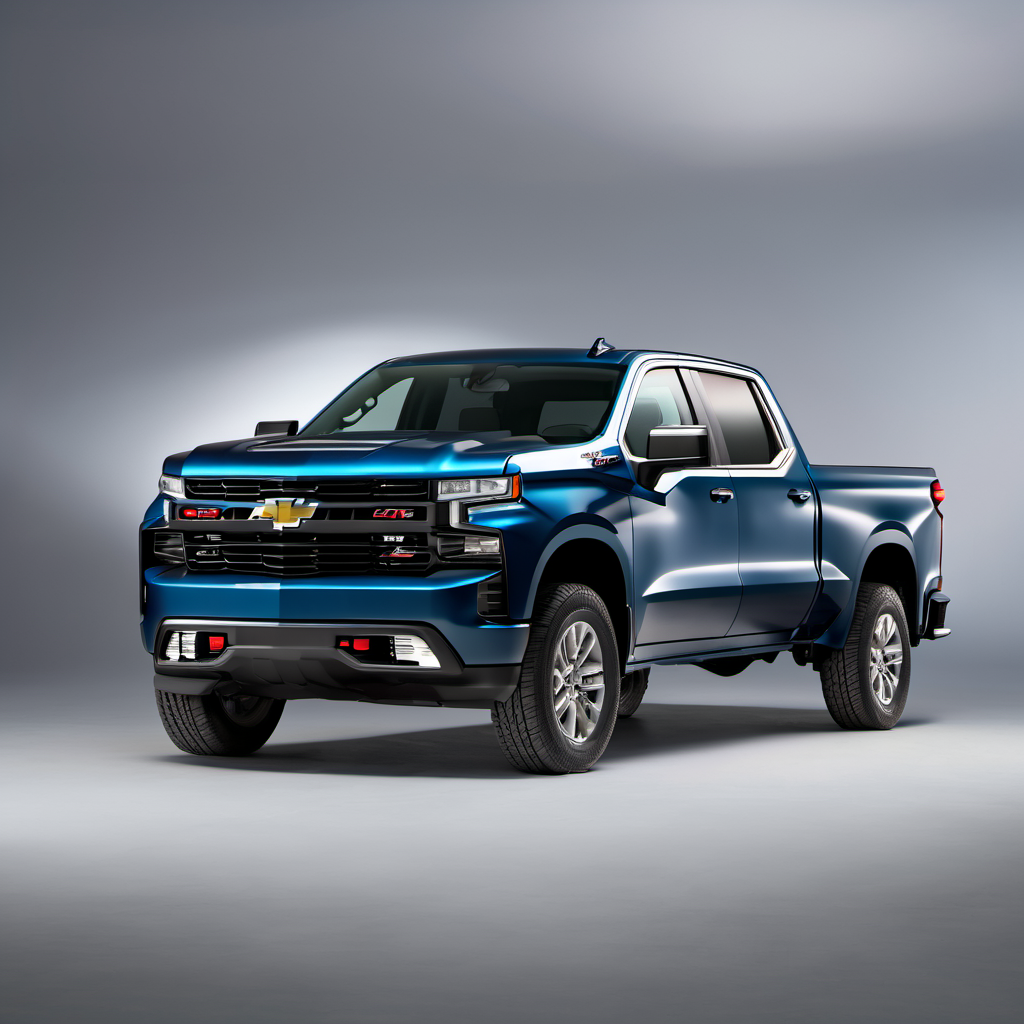
Direct competitor in the half-ton segment. The 2022 Silverado offers a comparable base V6 and a strong 5.3L V8 option. Generally rated slightly higher for long-term reliability on V8 trims; interior quality lags the F-150 at similar price points.
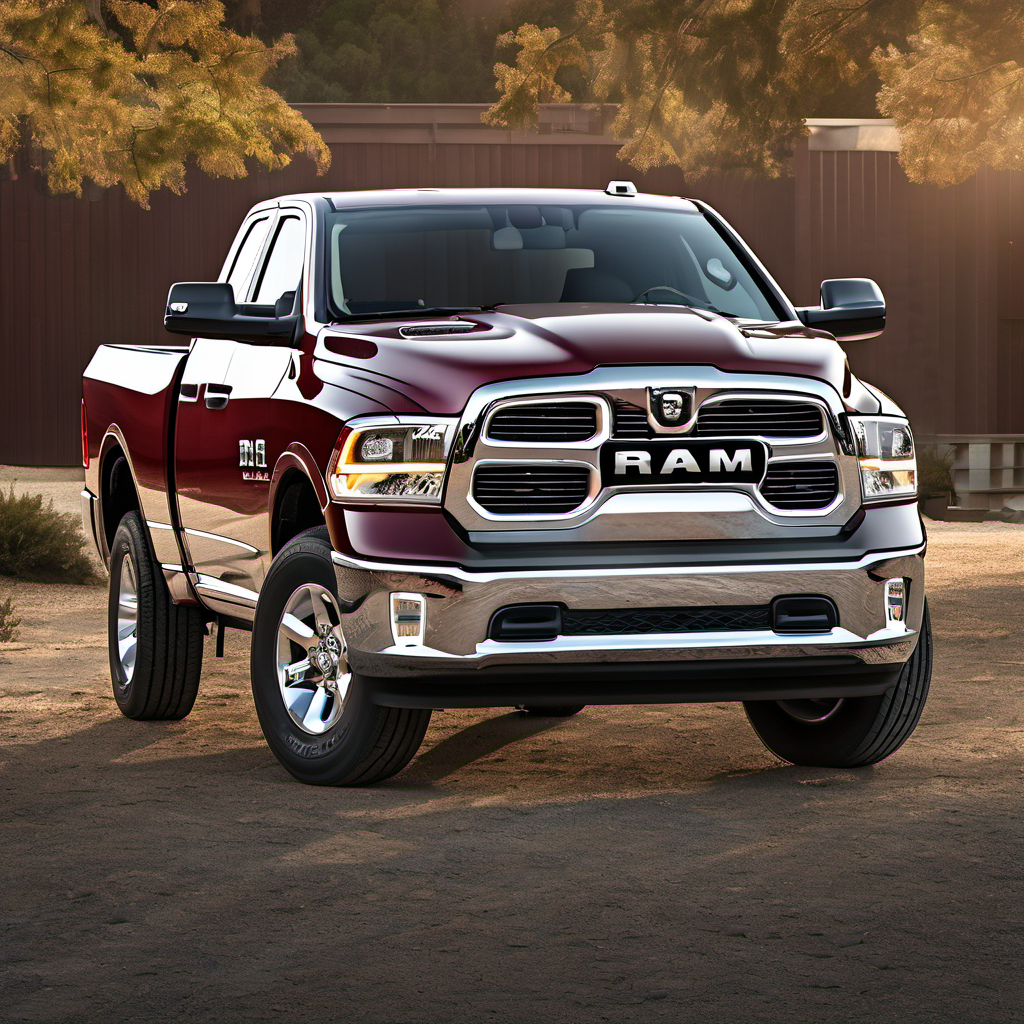
RAM 1500 is widely praised for the most car-like ride in the segment thanks to its coil-spring rear suspension. Interior quality is competitive with the F-150. eTorque mild hybrid available on most engines. Strong value at comparable MSRP.
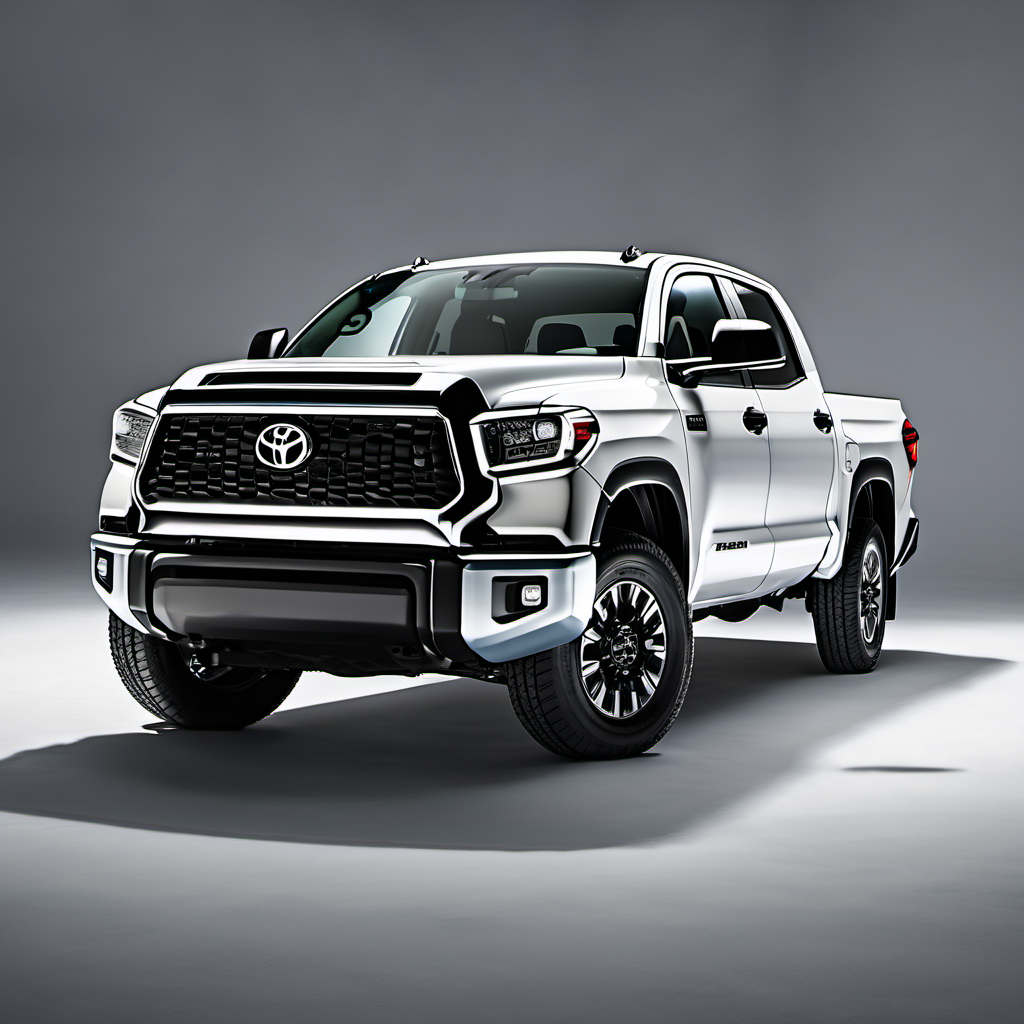
The 2022 Tundra was fully redesigned with a twin-turbo V6 as the only engine. Historically the reliability benchmark in the segment. Towing ratings are slightly lower than the F-150, but long-term durability reputation is stronger. Higher resale value.
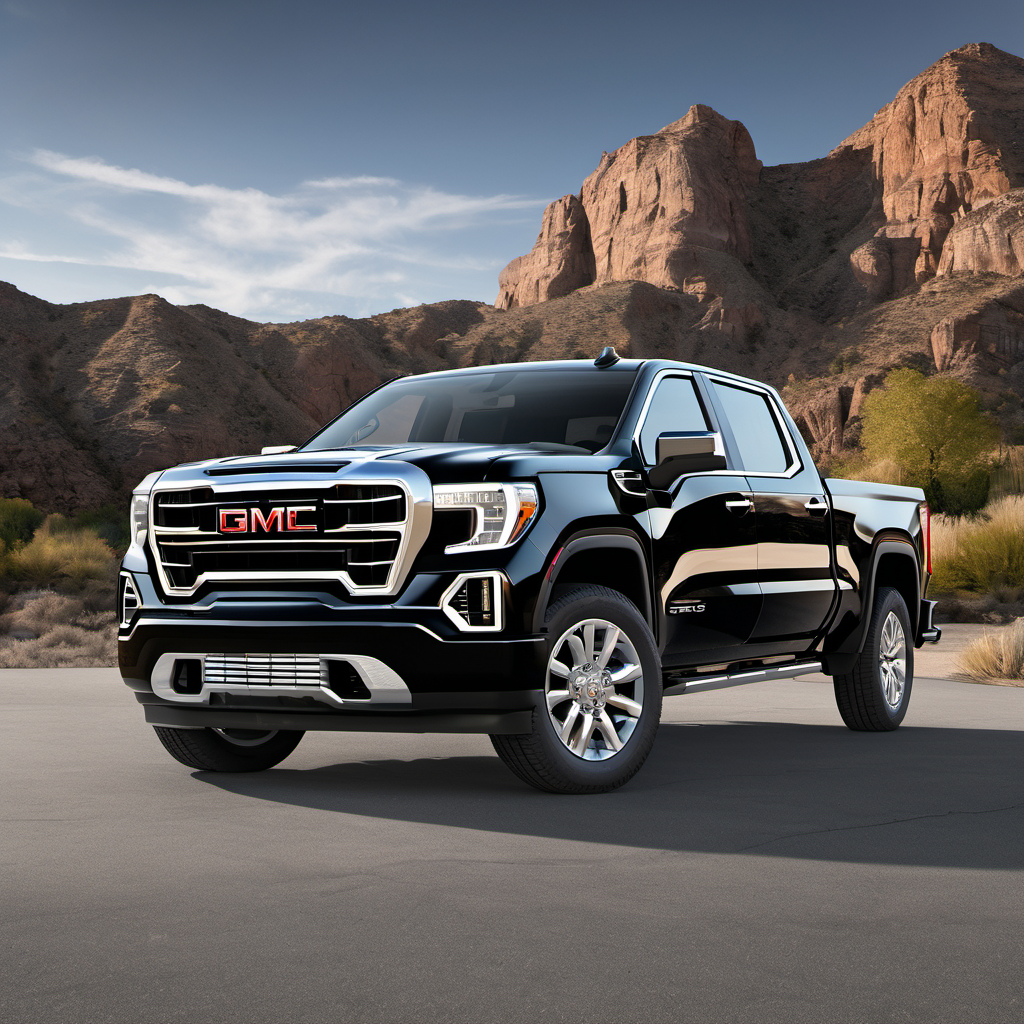
Mechanically shares its platform with the Silverado 1500 but is positioned slightly upmarket with better interior options and the available MultiPro tailgate. Good alternative if you want GM reliability with a more premium feel.