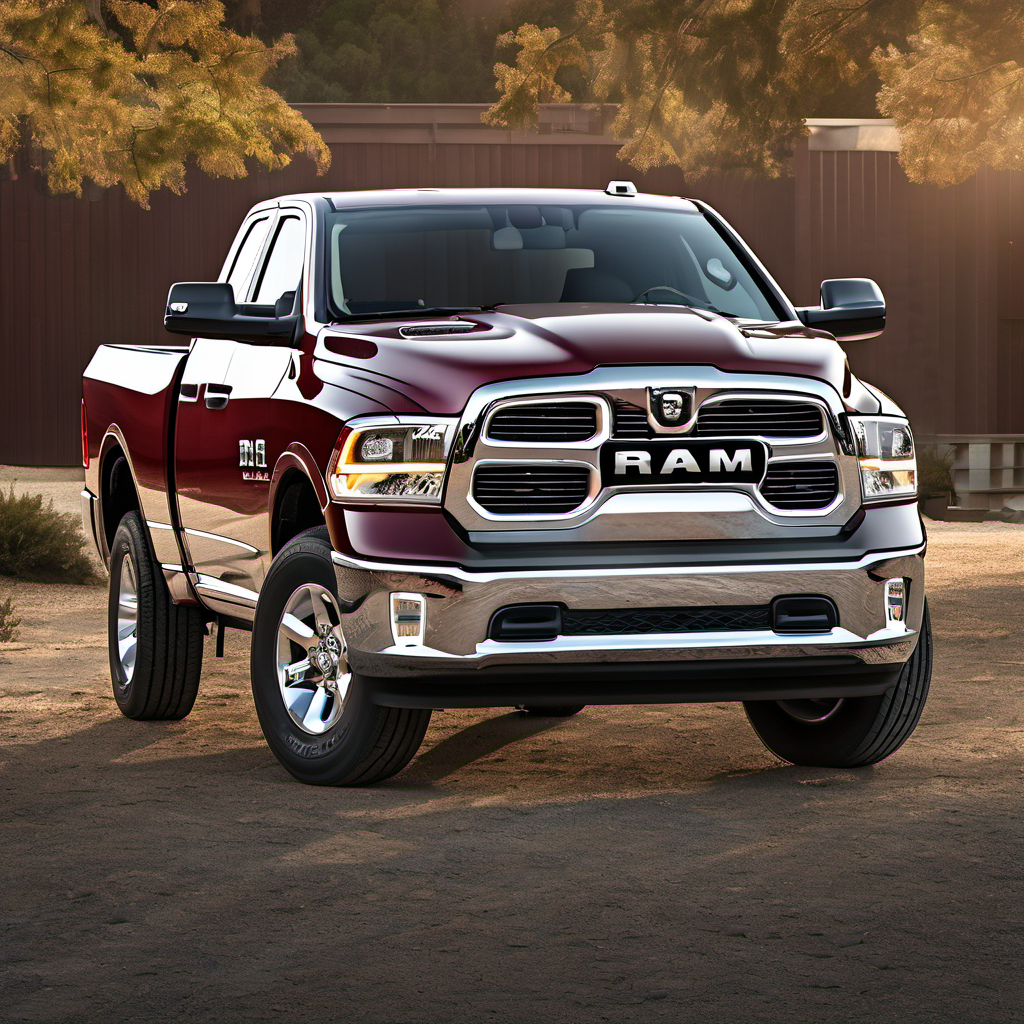
2022 Ram 1500 Classic Regular Cab Pickup

2022 Ram

1500 Classic Regular CabPickup

5.7L V8 · Pickup

The 2022 Ram 1500 Classic Regular Cab is the carry-over "Classic" body-style truck that Ram kept in production alongside the next-gen 1500, positioned as a more affordable, no-frills work truck entry point. Powered by the proven 5.7L HEMI V8, it delivers serious towing muscle (up to 10,620 lbs) and a straightforward two-door, bench-seat layout that contractors and farmers have relied on for years. Under the skin it shares its underpinnings with the previous-generation Ram 1500 (DS/DJ platform), which means parts are plentiful and independent shops know this truck well. The 8-speed TorqueFlite automatic is capable but has a documented shudder issue that Ram addressed via TSB — worth knowing before you buy. In Lake Geneva's salt-heavy winters, frame rust is the single biggest long-term threat to this truck. Buy it with that in mind and stay ahead of it with regular undercarriage washes and annual undercoating.

Reliability
3/5
Verified data
Engine
5.7L V8
Drivetrain
RWD
Fuel
Gasoline
MPG
17 city / 25 hwy / 20 combined
Seats
3
Doors
2
Body
Pickup
MSRP
$31,695

Overview

AI-curated

The 2022 Ram 1500 Classic Regular Cab is the carry-over "Classic" body-style truck that Ram kept in production alongside the next-gen 1500, positioned as a more affordable, no-frills work truck entry point. Powered by the proven 5.7L HEMI V8, it delivers serious towing muscle (up to 10,620 lbs) and a straightforward two-door, bench-seat layout that contractors and farmers have relied on for years. Under the skin it shares its underpinnings with the previous-generation Ram 1500 (DS/DJ platform), which means parts are plentiful and independent shops know this truck well. The 8-speed TorqueFlite automatic is capable but has a documented shudder issue that Ram addressed via TSB — worth knowing before you buy. In Lake Geneva's salt-heavy winters, frame rust is the single biggest long-term threat to this truck. Buy it with that in mind and stay ahead of it with regular undercarriage washes and annual undercoating.

Known for
  • 5.7L HEMI V8 reliability and power
  • Strong towing and payload numbers for a light-duty half-ton
  • High resale value relative to segment
  • Roomy, functional cab for a two-door regular cab
  • Parts availability and straightforward serviceability
Best for
  • Contractors and tradespeople who need a capable daily work truck
  • Towing boats, trailers, and equipment regularly
  • Buyers who want V8 power without the full-size premium of the next-gen 1500
  • Rural and farm use where payload matters more than luxury
Watch for
  • 8-speed transmission shudder (TSB 21-010-20 applies)
  • Oil cooler leaks — can cause oil loss and engine damage if ignored
  • Frame and undercarriage rust in salt-belt states like Wisconsin
  • Uconnect infotainment freezing on used examples
  • Higher fuel costs — the HEMI rarely sees its best highway MPG under load

Common issues by mileage

6 known

8-Speed Transmission Shudder

high
Typically appears
25–50k mi
Estimated repair
$150 – $600

Incorrect Gear Ratio / Transmission Fault

medium
Typically appears
35–80k mi
Estimated repair
$800 – $3,000

Oil Cooler Leak

medium
Typically appears
45–80k mi
Estimated repair
$400 – $900

Frame / Undercarriage Rust (Salt Belt)

high
Typically appears
40–120k mi
Estimated repair
$300 – $2,500

Uconnect Infotainment Freeze / Crash

medium
Typically appears
Any mileage
Estimated repair
$0 – $400

Maintenance schedule

  1. 1
    Every 5,000 miles or 6 months Engine oil and filter change — 7 qts 5W-20 Synthetic Blend

    The HEMI runs a relatively large sump; fresh oil protects the MDS (cylinder deactivation) lifters and VVT components. Don't stretch this interval with synthetic blend.

  2. 2
    Every 20,000 miles Cabin air filter replacement

    Wisconsin roads kick up significant dust and road grit year-round. A clogged cabin filter strains the HVAC blower and reduces defrost effectiveness.

  3. 3
    Every 30,000 miles Engine air filter inspection/replacement

    Dirt roads and farm use can clog the air filter faster than the published interval. A restricted filter costs you fuel economy on a truck that already drinks premium.

  4. 4
    Every 60,000 miles or 60 months Transmission fluid change — 9 qts Mopar ATF+4

    Critical for the 8-speed. Using the correct ATF+4 fluid is non-negotiable — aftermarket substitutes can worsen the known shudder issue. Drain-and-fill, not a full flush on an older unit.

  5. 5
    Every 30,000 miles Inspect oil cooler lines and fittings for seepage

    Oil cooler leaks are a documented issue on this generation. Catching a slow seep early is a $400 fix; ignoring it until oil pressure drops can mean an engine replacement.

  6. 6
    Every spring (post-winter) Full undercarriage inspection and touch-up undercoating

    Lake Geneva roads see heavy salt from November through March. The Classic platform's frame is a known rust point in the salt belt. An annual undercarriage wash and coating inspection is the cheapest insurance you can buy.

  7. 7
    Every 2 years or as needed Coolant condition check — system uses Mopar OAT (orange) coolant, 14.7 qt capacity

    OAT coolant degrades more slowly than older green coolant, but it still needs testing. Wrong coolant type mixed in causes accelerated corrosion in the aluminum heads.

  8. 8
    Every fall (pre-winter) Battery load test and terminal cleaning

    The HEMI's cold-crank demand is high. Sub-zero Wisconsin starts will quickly expose a battery that's borderline — a $20 load test beats a $200 roadside call in January.

Always defer to the manufacturer's service manual for warranty-mandated intervals.

Cost of ownership

Annual maintenance
$700 – $1,400
Fuel
At 20 MPG combined and typical Wisconsin driving mix, expect 600–800 gallons/year for average 12,000-mile use — roughly $2,100–$2,900 at current mid-grade prices. Towing drops economy to the low teens.
Insurance
Typically $1,400–$1,900/year for full coverage in the Lake Geneva area on a 2022 model, depending on driver history and garaging.

Day-to-day this truck is straightforward to maintain and parts are competitively priced. The big cost wildcards are a transmission repair ($800–$3,000) and frame rust remediation if undercoating is neglected. Fuel is the highest recurring cost — the HEMI is thirsty, especially under load. Budget $3,500–$5,500/year all-in for routine maintenance, fuel, and insurance.

Seasonal care

Lake Geneva, WI
Winter
  • Load test the battery every fall — the 5.7L HEMI pulls serious cold-crank amps; replace any battery showing weakness before temps drop below 10°F.
  • Switch to winter-rated wiper blades and fill the washer reservoir with fluid rated to at least -20°F. The Lake Geneva area regularly hits those temps and road salt spray is constant.
  • Flush and refill the washer reservoir before first freeze — summer fluid will ice up and crack the reservoir or pump.
  • Wash the undercarriage every 1–2 weeks during heavy salt season. The Classic platform frame is prone to rust; prevention here is far cheaper than remediation.
  • If the truck sits outdoors, consider a block heater — cold starts on a thick-oil V8 cause the most engine wear and can stress the MDS lifters.
  • Check tire pressures every 2 weeks in winter; pressure drops roughly 1 PSI per 10°F. Under-inflated tires on a 4,800-lb truck are a handling and wear hazard.
Summer
  • Inspect the A/C system before Memorial Day — compressor failures are reported around 80k miles, especially in trucks that work hard. A refrigerant check and belt inspection take 20 minutes.
  • Check coolant concentration in spring; the system holds 14.7 qts of Mopar OAT orange coolant and needs to protect to at least -34°F for Wisconsin winters — verify it hasn't been diluted.
  • Monitor tire pressure as temps rise — pressure increases about 1 PSI per 10°F. Overinflated tires on a loaded work truck reduce traction and wear unevenly.
  • Inspect the bed and cab exterior for paint chips or scratches from winter debris. Touch up promptly — bare metal on a Wisconsin truck rusts faster than you'd expect.
  • Check brake fluid level and condition; heat soak from summer towing can accelerate fluid degradation. DOT 3 absorbs moisture over time — replace if the fluid looks dark.

Comparable vehicles

If you're shopping for one

Red flags
  • Any transmission shudder felt during a test drive, especially light-throttle acceleration from 25–45 mph — could indicate a deeper issue beyond the TSB fix.
  • Oil spots under the truck at rest — could be the oil cooler or rear main seal; either needs diagnosis before purchase.
  • Frame rust that's progressed beyond surface oxidation to flaking or structural loss — repair costs can exceed the truck's value.
  • Check engine light at purchase — insist on a full OBD scan; P0730-range transmission codes on this truck signal potentially expensive internal damage.
  • Mismatched paint or obvious bodywork on the cab — the Classic body has been in production a long time and flood/accident titles circulate.
What to inspect
  • Pull the transmission service history — ask specifically if TSB 21-010-20 (shudder reflash) has been performed. If not, budget for it.
  • Check oil cooler lines and the area behind the engine for any oil seepage or residue — even a small wet spot warrants closer inspection.
  • Get under the truck and inspect the full length of the frame rails, crossmembers, and fuel/brake lines for rust scale or perforation — especially on any truck registered in Wisconsin or neighboring states.
  • Start the engine cold and listen for lifter tick during the first 30 seconds — points to MDS lifter wear or low oil pressure from a past neglected change.
  • Test every Uconnect function: nav, Bluetooth, backup camera. Infotainment head unit replacements run $300–$600 at an independent shop.
  • Check the bed floor and tailgate for dents or cracks that suggest heavy commercial use — often a sign of overloading history.
AI profile generated 1 hr ago · claude-sonnet-4-6 · v2.