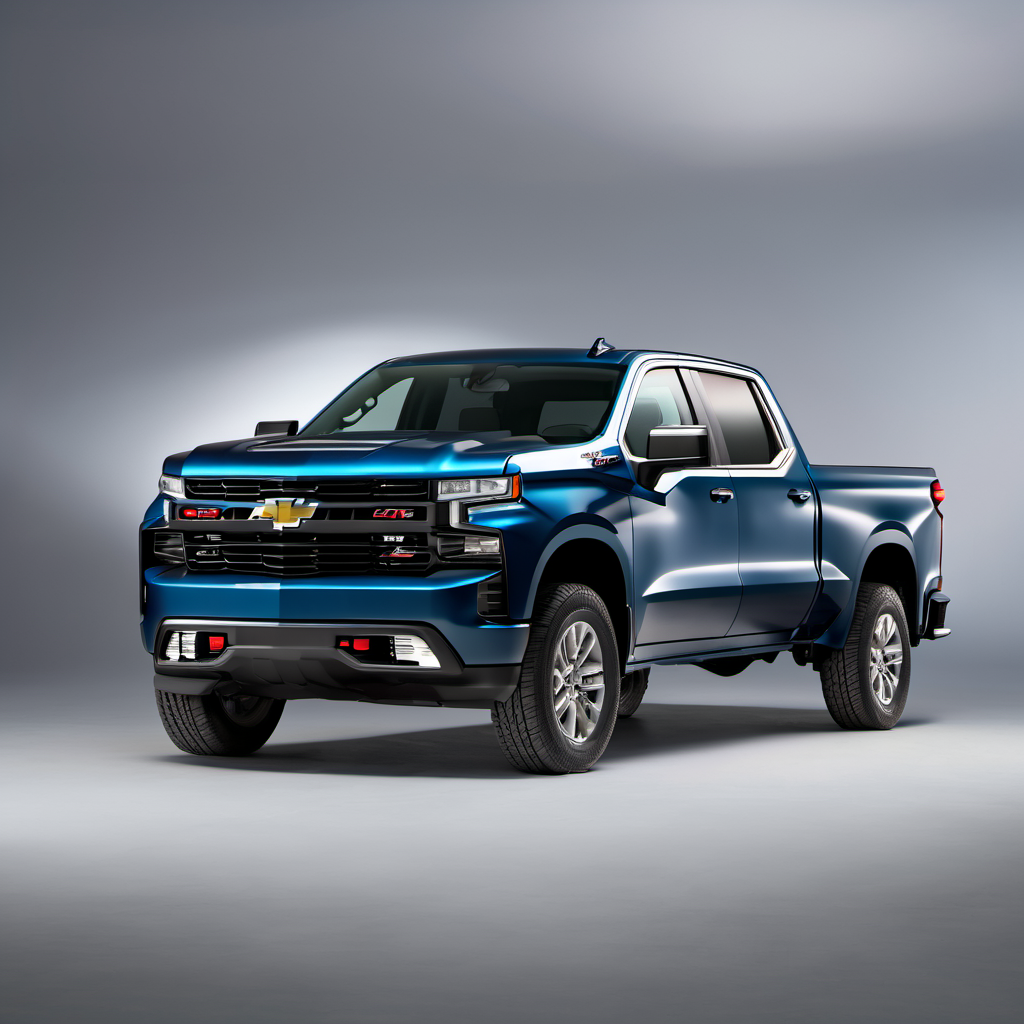
2022 Chevrolet Silverado 1500 Crew Cab Pickup
Popular pick

2022 Chevrolet

Silverado 1500 Crew CabPickup

5.3L V8 · Pickup

The 2022 Chevrolet Silverado 1500 Crew Cab is the fourth-generation T1XX-platform full-size pickup. With a proper steel bed, available 4WD, and GM's proven 5.3L L84 V8 (355 hp), it covers everything from daily commuting to serious towing and hauling. The Crew Cab body gives you a full rear seat — genuinely usable for adults — without sacrificing much bed length on the short-bed configuration. GM updated this generation with a wider range of powertrains and trims than almost any competitor. The 5.3L V8 with Dynamic Fuel Management (cylinder deactivation) is the workhorse engine of the lineup and the most common configuration on the lot. It's capable and smooth, though the AFM/DFM system is worth watching on high-mileage examples. For Lake Geneva-area owners, the 4WD system is a genuine asset from November through March. The high ground clearance (8.9 in) handles snow-packed roads well, and the truck's size means you'll want to stay on top of undercoating — Wisconsin salt will find every crevice on this platform.

Reliability
3/5
Verified data
Engine
5.3L V8
Drivetrain
4WD/4-Wheel Drive/4x4
Fuel
Gasoline
MPG
14 city / 19 highway / 16 combined
Seats
3
Doors
4
Body
Pickup
MSRP
$43,700

Overview

AI-curated

The 2022 Chevrolet Silverado 1500 Crew Cab is the fourth-generation T1XX-platform full-size pickup. With a proper steel bed, available 4WD, and GM's proven 5.3L L84 V8 (355 hp), it covers everything from daily commuting to serious towing and hauling. The Crew Cab body gives you a full rear seat — genuinely usable for adults — without sacrificing much bed length on the short-bed configuration. GM updated this generation with a wider range of powertrains and trims than almost any competitor. The 5.3L V8 with Dynamic Fuel Management (cylinder deactivation) is the workhorse engine of the lineup and the most common configuration on the lot. It's capable and smooth, though the AFM/DFM system is worth watching on high-mileage examples. For Lake Geneva-area owners, the 4WD system is a genuine asset from November through March. The high ground clearance (8.9 in) handles snow-packed roads well, and the truck's size means you'll want to stay on top of undercoating — Wisconsin salt will find every crevice on this platform.

Known for
  • Strong, proven 5.3L V8 with good low-end torque
  • Best-in-class towing and payload options in its trim range
  • Spacious, comfortable Crew Cab interior
  • Robust 4WD system suited to all-weather use
  • Wide trim ladder from work-truck bare-bones to luxury-level High Country
Best for
  • Owners who tow boats, trailers, or equipment regularly
  • Families needing a full rear seat plus truck capability
  • Rural and suburban Wisconsin drivers dealing with winter roads
  • Contractors and tradespeople needing real payload capacity
  • Drivers who want a long-term, serviceable platform
Watch for
  • Dynamic Fuel Management (cylinder deactivation) lifter failures — known on this engine family
  • Infotainment system freezes and Bluetooth dropouts are a common early complaint
  • Transmission rough-shift behavior, especially in lower gears — check TSB 22-NA-007
  • High-pressure fuel pump failure at higher mileage (75k+)
  • Underbody rust in Rust Belt climates — inspect frame rails and brake lines

Common issues by mileage

6 known

Transmission Rough or Delayed Shifting

medium
Typically appears
20–60k mi
Estimated repair
$150 – $3,000

Infotainment System Freezing / Connectivity Failures

high
Typically appears
0–30k mi
Estimated repair
$0 – $300

High-Pressure Fuel Pump (HPFP) Failure

low
Typically appears
60–100k mi
Estimated repair
$900 – $1,800

Underbody / Frame Rust

high
Typically appears
30–80k mi
Estimated repair
$200 – $1,500

Brake Rotor Warping

medium
Typically appears
20–50k mi
Estimated repair
$300 – $700

Maintenance schedule

  1. 1
    Every 7,500 miles or 6 months, whichever comes first Engine Oil & Filter Change

    The L84 requires 0W-20 full synthetic — 8 quarts with filter. The AFM/DFM system is oil-pressure dependent; dirty or low oil accelerates lifter wear. In Wisconsin winters, clean oil is critical for cold-start protection. Don't stretch this interval even if the oil life monitor says you can.

  2. 2
    Every 7,500 miles Tire Rotation

    4WD trucks wear tires unevenly if not rotated regularly. Keeping tread even across all four corners is especially important heading into winter — uneven tread degrades traction in snow. Check pressure at every rotation; cold Wisconsin temps drop PSI about 1 lb per 10°F.

  3. 3
    Every 45,000 miles if towing; every 97,500 miles otherwise (DEXRON-VI, 12 qt capacity) Transmission Fluid Change

    GM's 'lifetime' fluid spec assumes light-duty use. Towing or plowing significantly shortens fluid life. Fresh fluid is cheap insurance against the shifting issues already reported on this platform.

  4. 4
    Every 45,000 miles (sooner in dusty or agricultural environments) Air Filter Replacement

    A clogged air filter hurts fuel economy on an already thirsty V8 and can contribute to fuel trim issues. In rural Wisconsin with gravel roads, inspect annually even if the mileage interval hasn't been reached.

  5. 5
    Every 22,500 miles or annually Cabin Air Filter Replacement

    Keeps the HVAC system flowing properly — important for defrost performance in Wisconsin winters. A clogged cabin filter reduces defroster airflow and fogs windows faster.

  6. 6
    Every 60,000 miles, or after significant water crossings / off-road use Differential & Transfer Case Fluid Service

    Front and rear differentials use 75W-85 GL-5; transfer case uses 75W-90 GL-4. These are often skipped but are critical on 4WD trucks. Moisture contamination from Wisconsin road splash accelerates wear on gear faces.

  7. 7
    Every 2 years; flush per GM DEX-COOL schedule (5 years / 150k mi) Coolant Inspection / Freeze-Point Test

    DEX-COOL with 15.4 qt capacity needs to be verified at -34°F or lower protection before each Wisconsin winter. Diluted coolant can freeze in the block. Check the coolant color — if it looks brown or rusty, flush sooner.

  8. 8
    Monthly during winter salt season (December–March); full inspection each spring Undercarriage Wash & Rust Inspection

    Wisconsin road salt is the single biggest long-term threat to this truck. Flush the frame, wheel wells, and brake lines at a touchless undercarriage wash regularly. Each spring, inspect brake lines, fuel lines, and frame rails for pitting. Apply underbody coating to bare metal as needed.

Always defer to the manufacturer's service manual for warranty-mandated intervals.

Cost of ownership

Annual maintenance
$700 – $1,400
Fuel
At 16 MPG combined and ~15,000 miles/year, expect roughly $2,600–$3,200/year in fuel at current Midwest gas prices. Towing or heavy hauling will push you closer to 12–13 MPG and increase costs accordingly.
Insurance
Typically $1,400–$2,000/year for full coverage in the Lake Geneva area for a 2022 Silverado 1500, depending on driver history and trim. Comprehensive coverage is advisable — theft rates on full-size pickups are elevated nationally.

The Silverado 1500 5.3L is not a cheap truck to fuel, but routine maintenance costs are reasonable at an independent shop. The big budget risks are the AFM/DFM lifter system (potential $2,500–$5,000 repair if it goes) and rust-related brake/fuel line work if undercoating is neglected. Budget for a set of dedicated winter tires (~$800–$1,200 mounted) — they matter more than 4WD for Lake Geneva winters. All-in, a well-maintained example should avoid major repairs through 100k miles.

Seasonal care

Lake Geneva, WI
Winter
  • Verify antifreeze protection to at least -34°F before freeze season — DEX-COOL dilutes over time and 15.4 quarts is a lot of coolant to have freeze up.
  • Switch to a battery with at least 650 CCA if the stock battery is more than 3 years old. V8 trucks need strong cranking amps at sub-zero temperatures.
  • Fill washer fluid reservoir with a rated -20°F or -40°F formula only. The large windshield on a Crew Cab collects road spray constantly; running out of fluid in freezing temps is dangerous.
  • Consider a set of dedicated winter tires — 4WD helps you go but does nothing for stopping on ice. A Crew Cab Silverado at 4,900 lbs takes a long distance to stop.
  • Apply a fresh coat of underbody rust inhibitor before the first salt application in November. Pay special attention to the frame rails, brake lines, and inner wheel well lips.
  • Use a full-synthetic 0W-20 and do not skip an oil change going into winter. Cold-start wear is highest in the first seconds of a -10°F morning start; clean, low-viscosity oil reaches the lifters faster.
Summer
  • Check tire pressure every 2–3 weeks — summer heat inflates tires 4–6 PSI above cold readings and overinflation causes center-tread wear and a harsh ride.
  • Inspect the A/C system before peak heat. The Silverado's cabin is large; if the system is low on refrigerant, you'll feel it. An A/C performance check is cheap preventive maintenance.
  • Towing in summer heat stresses the transmission and cooling system. If towing frequently in 85°F+ conditions, check transmission fluid level/condition and consider a transmission temp gauge or cooler upgrade if you don't already have the factory tow package.
  • Inspect brake pads and rotors after spring — winter driving wears brakes faster, and summer towing demands reliable stopping power.
  • Clean and treat door seals and bed weatherstripping — Wisconsin winters dry out rubber and UV exposure in summer accelerates cracking.

Comparable vehicles

No comparable vehicles documented yet.

AI profile generated 2 hr ago · claude-sonnet-4-6 · v2.