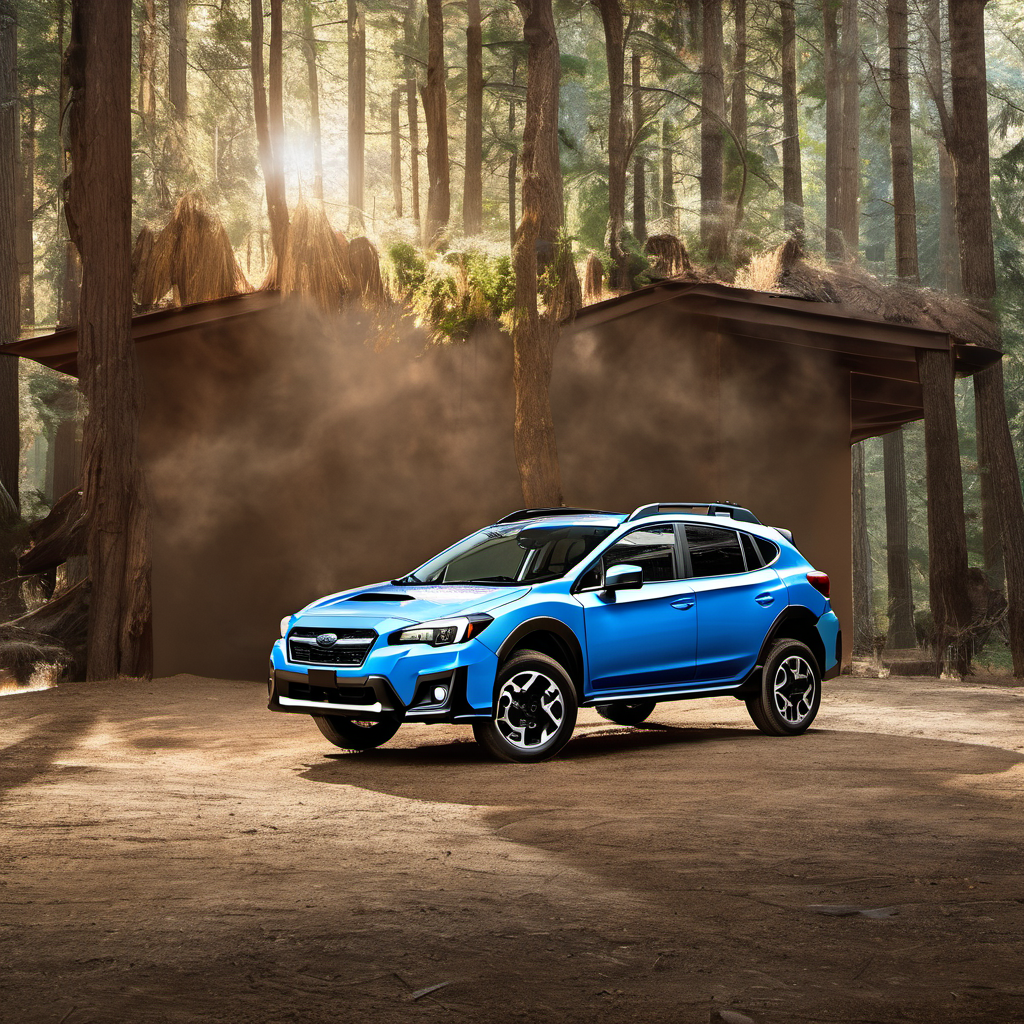
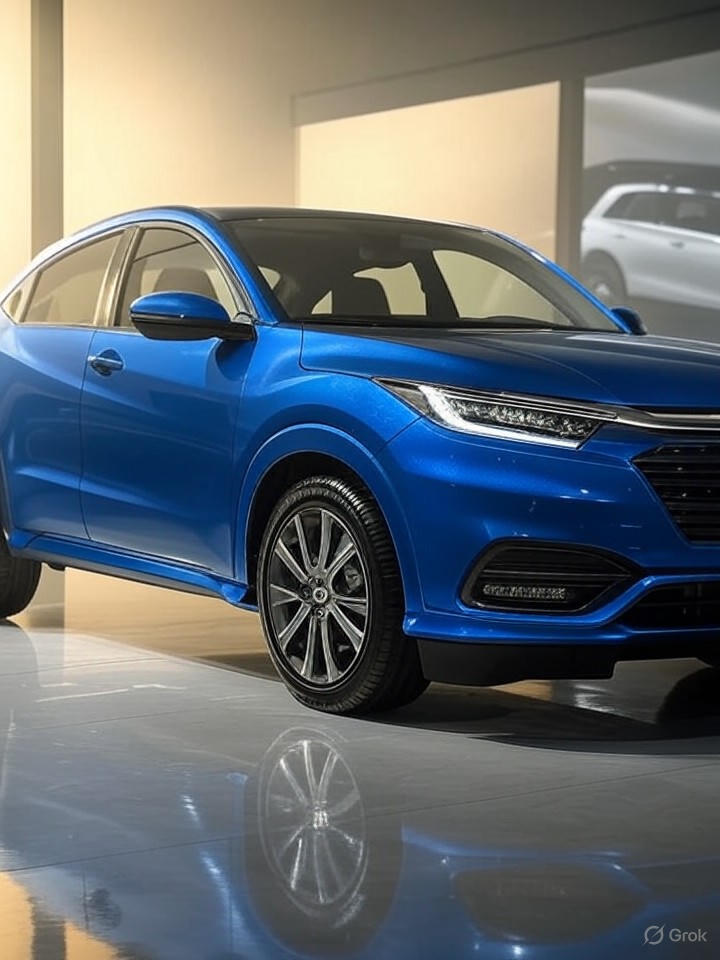
2018 Subaru Crosstrek SUV

2018 Subaru

CrosstrekSUV

2.0L H4 (Boxer) · SUV

The 2018 Subaru Crosstrek is the second-generation model (GP/GT platform), riding on a longer wheelbase than its predecessor and offering a more refined, quieter cabin. It pairs Subaru's symmetrical all-wheel drive with a raised ride height, making it genuinely capable on snowy Wisconsin roads without the bulk of a traditional SUV. The 2018 model year introduced a new-generation platform, updated styling, and added available features like a wireless phone charger and enhanced EyeSight driver assist. Power comes from a 2.0L flat-four paired with either a 6-speed manual or Lineartronic CVT. The CVT is the more common choice and delivers adequate highway cruising, though the engine is notably underpowered by modern crossover standards — a trade-off for excellent fuel economy. A plug-in hybrid (PHEV) variant was also introduced for 2018, though the standard non-PHEV is far more common in this market. For Lake Geneva area drivers, the Crosstrek is a strong everyday vehicle: AWD comes standard on every trim, ground clearance is generous for a compact crossover, and parts/service support is widely available. Long-term reliability is solid, though the CVT and oil consumption on the FB20 engine are worth monitoring.

Reliability
4/5
Verified data
Specs shown for Crosstrek AWD — the most common configuration. Other trims may vary in engine, drivetrain, or fuel economy. Sign in to see your vehicle's exact specs.
Engine
[object Object]
Drivetrain
AWD
Fuel
Gasoline
MPG
27 city / 33 hwy / 29 combined
Seats
5
Doors
4
Body
Crossover
MSRP
$22,170

Overview

AI-curated

The 2018 Subaru Crosstrek is the second-generation model (GP/GT platform), riding on a longer wheelbase than its predecessor and offering a more refined, quieter cabin. It pairs Subaru's symmetrical all-wheel drive with a raised ride height, making it genuinely capable on snowy Wisconsin roads without the bulk of a traditional SUV. The 2018 model year introduced a new-generation platform, updated styling, and added available features like a wireless phone charger and enhanced EyeSight driver assist. Power comes from a 2.0L flat-four paired with either a 6-speed manual or Lineartronic CVT. The CVT is the more common choice and delivers adequate highway cruising, though the engine is notably underpowered by modern crossover standards — a trade-off for excellent fuel economy. A plug-in hybrid (PHEV) variant was also introduced for 2018, though the standard non-PHEV is far more common in this market. For Lake Geneva area drivers, the Crosstrek is a strong everyday vehicle: AWD comes standard on every trim, ground clearance is generous for a compact crossover, and parts/service support is widely available. Long-term reliability is solid, though the CVT and oil consumption on the FB20 engine are worth monitoring.

Known for
  • Standard symmetrical AWD on every trim
  • Best-in-class ground clearance for compact crossovers (8.7 in)
  • Strong resale value
  • Fuel-efficient 2.0L boxer engine
  • Available EyeSight safety suite
Best for
  • Wisconsin winter commuters who want AWD without buying a full SUV
  • Light off-road or gravel-road use
  • Drivers prioritizing fuel economy in an AWD vehicle
  • First-time Subaru owners stepping up from a sedan
Watch for
  • Underpowered on highway on-ramps, especially with passengers
  • CVT can feel sluggish and has a distinct repair cost if it fails
  • FB20 engine known for excessive oil consumption between changes
  • EyeSight cameras can malfunction in heavy snow or frost

Common issues by mileage

6 known

Excessive Engine Oil Consumption

high
Typically appears
30k–100k mi
Estimated repair
$0 – $200

CVT Shudder or Hesitation

medium
Typically appears
60k–120k mi
Estimated repair
$150 – $4,500

VVT / Camshaft Timing System (Oil Sludge in VVT Solenoids)

medium
Typically appears
60k–120k mi
Estimated repair
$200 – $900

Oxygen Sensor / A/F Sensor Heater Circuit Failure

low
Typically appears
80k–150k mi
Estimated repair
$150 – $400

EyeSight Camera Calibration / Malfunction

medium
Typically appears
Any mileage
Estimated repair
$100 – $600

Windshield Stress Cracks (EyeSight Camera Mount Area)

medium
Typically appears
Any mileage
Estimated repair
$400 – $900

Maintenance schedule

  1. 1
    Every 5,000–6,000 miles (not the 7,500 Subaru suggests for FB20 oil consumers) Engine oil change with oil level check between changes

    FB20 is a documented oil consumer. Running low on oil accelerates wear in the VVT system and can trigger camshaft timing codes. Check dipstick at every fuel stop until you know your car's consumption rate.

  2. 2
    Every 30,000 miles under normal conditions; every 25,000 if used in stop-and-go or towing CVT fluid change

    Subaru marks CVT fluid as 'lifetime' but independent shops and long-term owners strongly disagree. Fresh fluid is the single best way to extend CVT life.

  3. 3
    Every 60,000 miles Spark plug replacement

    Boxer engines require more labor to access rear plugs. Staying on schedule prevents misfires and maintains fuel economy.

  4. 4
    Every 30,000 miles or as Subaru Super Coolant degrades (test at oil changes) Coolant flush

    Subaru's long-life coolant actually does last longer than generic coolant, but once it degrades it can cause corrosion in the aluminum boxer engine block.

  5. 5
    Every 2 years regardless of mileage Brake fluid flush

    Brake fluid absorbs moisture over time, which lowers its boiling point and accelerates caliper corrosion — accelerated significantly by Wisconsin road salt.

  6. 6
    At 60,000 miles or if P0012/P0015/P0026/P0027 appear Inspect and clean VVT oil control solenoids

    Sludge from infrequent oil changes blocks solenoid screens, causing timing faults. Cleaning costs far less than replacing the entire VVT assembly.

  7. 7
    Every spring after Wisconsin winter Inspect underbody, subframe, and brake lines for rust

    Road salt accumulates in the subframe pockets and brake line brackets. Catching surface rust early prevents structural or safety-critical failures.

  8. 8
    Every 15,000–20,000 miles or annually Replace cabin air filter

    A clogged cabin filter reduces defrost effectiveness — critical for windshield visibility in Wisconsin winters.

Always defer to the manufacturer's service manual for warranty-mandated intervals.

Cost of ownership

Annual maintenance
$400 – $900
Fuel
At 29 MPG combined and ~15,000 miles/year, expect roughly $1,500–$1,900/year at $3.00–$3.75/gallon. AWD adds no fuel penalty over FWD variants because all trims are AWD.
Insurance
Generally moderate for the segment — expect $900–$1,400/year for a typical adult driver in southern Wisconsin. EyeSight safety features can earn discounts from many insurers.

The Crosstrek sits in a sweet spot for total cost of ownership. Fuel economy is excellent for an AWD vehicle, routine maintenance is straightforward, and parts are widely available. The main financial risk is CVT repair or replacement ($3,000–$5,000 at an independent shop) if fluid maintenance is neglected, and windshield replacement is pricier than average because EyeSight cameras require recalibration after any glass swap.
Seasonal care

Lake Geneva, WI
Winter
  • Switch to a dedicated winter tire set — the stock all-season tires are mediocre in deep snow despite AWD. AWD helps you go, but doesn't help you stop.
  • Test the 12V battery before November. Cold-start drain is significant and Subaru's stop-start system stresses batteries harder than average.
  • Fill washer fluid with a rated -20°F or colder formula. The low cowl and camera placement means your windshield gets heavy salt spray.
  • EyeSight cameras (mounted at the top-center of the windshield) will deactivate when fogged or ice-covered. Clear the entire windshield — not just the driver's arc — before driving.
  • Rinse the underbody at a touchless car wash every 1–2 weeks during heavy salt season. Pay attention to the wheel wells and subframe.
  • Check tire pressure monthly — every 10°F drop costs roughly 1 PSI, and underinflation worsens winter handling.
Summer
  • Inspect A/C system operation early in the season. The Crosstrek's compact engine bay retains heat and A/C compressor issues show up faster when the system is stressed.
  • Check tire pressure after any significant temperature increase — heat causes overinflation that reduces wet-road grip.
  • Inspect the radiator and coolant overflow reservoir. Boxer engines run warm and a marginal cooling system will show problems on hot days with A/C on.
  • Clean any remaining road salt residue from brake rotors and calipers before it bakes on in summer heat.
  • Inspect wiper blades; the winter blades you used should be swapped back to standard blades once freezing temps are gone.

Comparable vehicles

If you're shopping for one

Red flags
  • Any camshaft timing-related codes (P0012, P0015, P0026, P0027) — these suggest either oil neglect or a failing VVT system.
  • CVT fluid that is dark brown or smells burnt — fresh CVT fluid is nearly clear/light pink.
  • A windshield replacement without documentation of EyeSight recalibration.
  • Subframe or brake line rust beyond surface level — structural rust repair in this area is often not economically justified.
  • No documented oil change history and oil that is very dark at under 3,000 miles since last claimed service — strong sign of oil consumption being masked.
What to inspect
  • Pull the oil dipstick and check both level and condition — if it's dark and low, walk away or negotiate for documented frequent oil changes.
  • Check the CVT for shudder during low-speed acceleration and smooth, linear response at highway speeds. Any jerking or slipping is expensive.
  • Inspect the windshield closely around the EyeSight camera mount area (top center) for cracks — replacement requires camera recalibration and is costly.
  • Verify EyeSight is functional: at parking-lot speeds, the pre-collision braking warning should activate when you inch toward an object.
  • Look under the car for rust on the subframe, brake lines, and heat shields — Wisconsin salt is harsh and neglected examples show it early.
  • Check all four tires for even wear — uneven wear can indicate a neglected AWD system or alignment issues that stressed the center differential.
AI profile generated 22 days ago · claude-sonnet-4-6 · v2.