Variable Valve Timing (VVT) solenoid sludging / cam timing codes
medium- Typically appears
- 60,000–120,000 mi
- Estimated repair
- $150 – $450
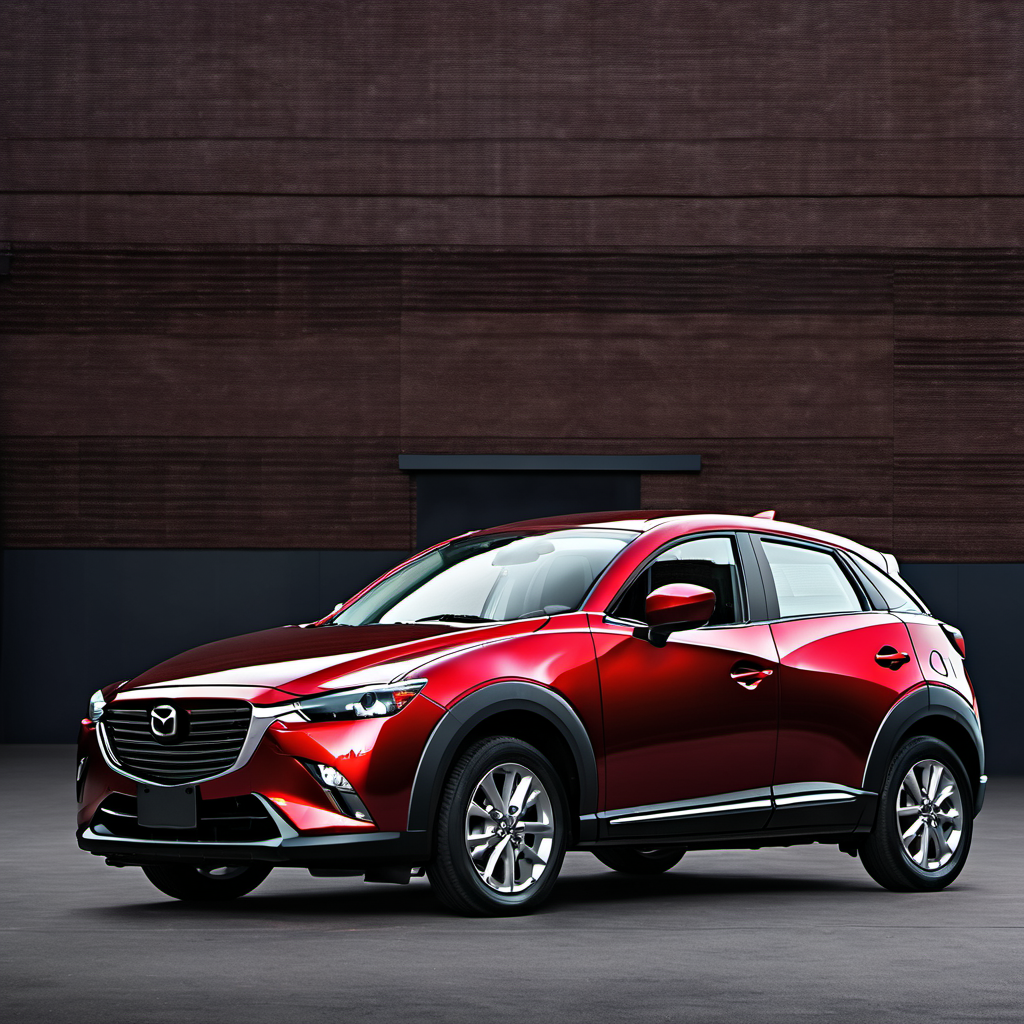
2018 MAZDA
SUV
The 2018 Mazda CX-3 is a subcompact crossover built on Mazda's car-based platform, sharing its underpinnings with the Mazda2 and Mazda3. It punches above its class in driving dynamics and interior quality, offering a genuinely sporty feel that most subcompact SUVs can't match. Fuel economy is strong, and the cabin materials are notably upscale for the segment. The CX-3 is best suited for urban and suburban drivers who want SUV styling without the bulk. Rear-seat space and cargo room are tighter than class rivals — this is a two-adult car that happens to have back seats, not a family hauler. The 2018 model year represents a mature version of the first-generation CX-3, with minor refinements over the launch year. Mazda's SKYACTIV technology emphasizes efficiency through high compression rather than forced induction, which pays off in reliability and everyday drivability. The 2018 CX-3 is a solid used-car buy as long as you match it to the right buyer.
The 2018 Mazda CX-3 is a subcompact crossover built on Mazda's car-based platform, sharing its underpinnings with the Mazda2 and Mazda3. It punches above its class in driving dynamics and interior quality, offering a genuinely sporty feel that most subcompact SUVs can't match. Fuel economy is strong, and the cabin materials are notably upscale for the segment. The CX-3 is best suited for urban and suburban drivers who want SUV styling without the bulk. Rear-seat space and cargo room are tighter than class rivals — this is a two-adult car that happens to have back seats, not a family hauler. The 2018 model year represents a mature version of the first-generation CX-3, with minor refinements over the launch year. Mazda's SKYACTIV technology emphasizes efficiency through high compression rather than forced induction, which pays off in reliability and everyday drivability. The 2018 CX-3 is a solid used-car buy as long as you match it to the right buyer.
Mazda's SKYACTIV-G runs a high 13:1 compression ratio, making oil quality critical. Sludge buildup from extended intervals is the #1 cause of VVT solenoid codes on this engine. Use full synthetic 0W-20 per Mazda spec.
FWD puts extra wear on front tires. With the CX-3's sporty alignment settings and light curb weight, rotation keeps wear even and extends tire life significantly.
Brake fluid absorbs moisture over time, lowering its boiling point. In Wisconsin's freeze-thaw cycles, moisture ingress is faster than in dry climates. Fresh fluid prevents corrosion in the ABS modulator.
SKYACTIV-G's high compression puts higher stress on plugs than a conventional engine. Mazda specifies iridium plugs; do not substitute with copper. Worn plugs can cause misfire codes that mimic more expensive problems.
Wisconsin spring brings heavy pollen and road dust. A clogged filter robs the naturally aspirated engine of power and fuel economy more noticeably than on turbocharged engines.
Standard blades ice up and streak at sub-freezing temps. Lake Geneva regularly sees temps below 0°F — summer washer fluid will freeze solid in the lines and reservoir.
The CX-3's start-stop system (if equipped) and tight engine bay put extra demand on the battery. Cold cranking amps drop sharply below 0°F. A battery showing weakness in October will likely leave you stranded in January.
Often overlooked. A clogged cabin filter reduces HVAC airflow, which matters for defrost effectiveness in winter — a safety issue when you need clear windows fast.
Always defer to the manufacturer's service manual for warranty-mandated intervals.
The CX-3 is an economical vehicle to own. Annual maintenance at an independent shop runs $400–$750 in normal years (oil changes, filters, rotation). Its naturally aspirated engine avoids turbo repair costs. The main budget surprises are brake pads (more frequent than expected) and potential infotainment work. No timing belt — the SKYACTIV-G uses a timing chain, eliminating that major service cost.
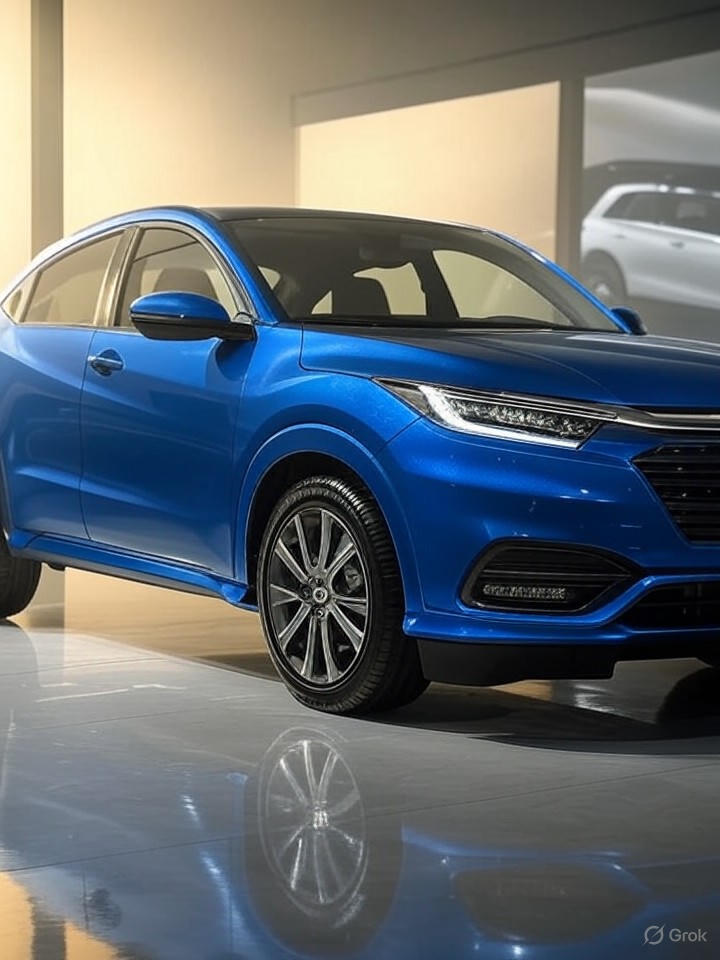
Same subcompact crossover segment and price range, but the HR-V offers significantly more rear-seat room and cargo space via Honda's Magic Seat. Less fun to drive than the CX-3 but more practical for occasional passengers.
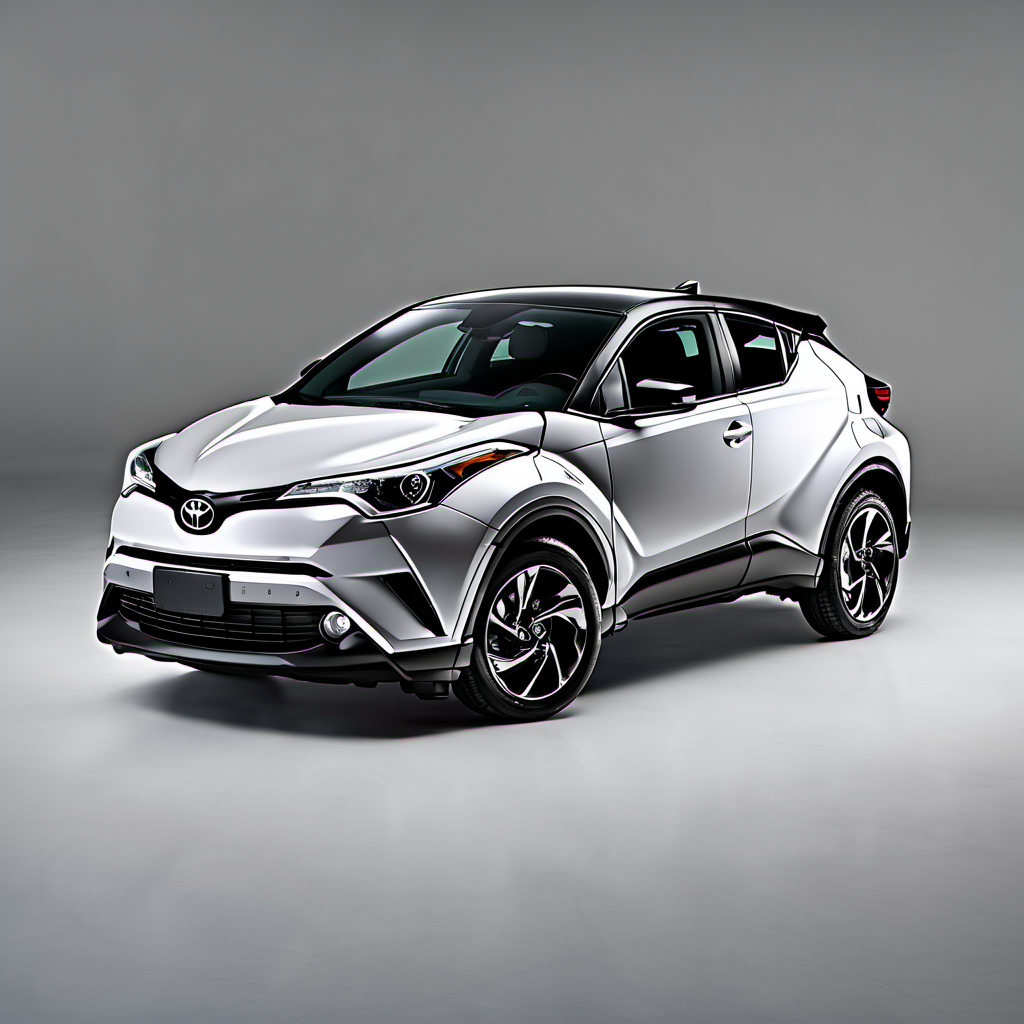
Similarly styled subcompact crossover with comparable fuel economy. The C-HR matches the CX-3 on driving dynamics but also has a tight rear seat. Toyota's reliability reputation is similar; the C-HR lacks AWD entirely.
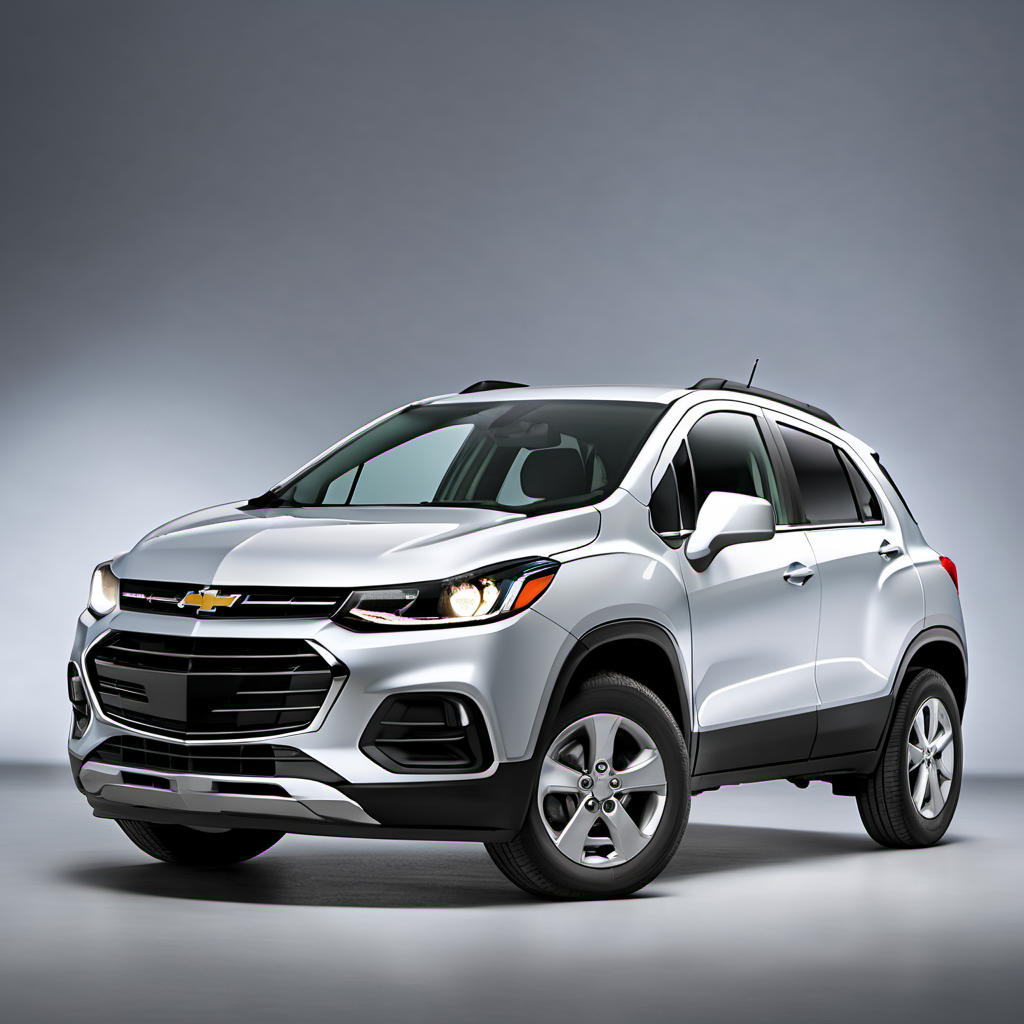
The Trax is roomier inside and available with AWD, making it more practical for Wisconsin winters. It lags the CX-3 in driving feel and fuel economy, but it's a genuine five-passenger vehicle.
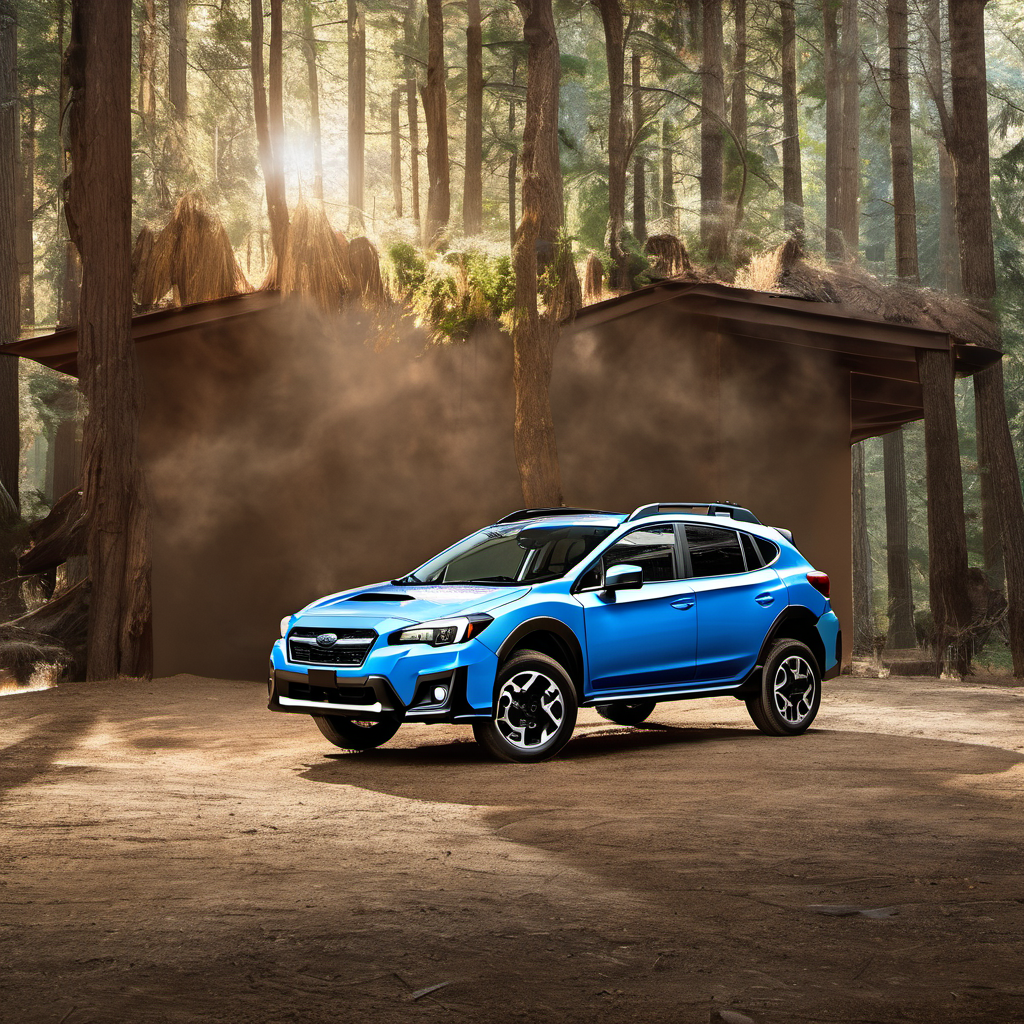
If AWD matters for Lake Geneva winters, the Crosstrek is the direct alternative. It's slightly larger, standard AWD, and similarly priced. The CX-3 is more engaging to drive; the Crosstrek is more weatherproof.