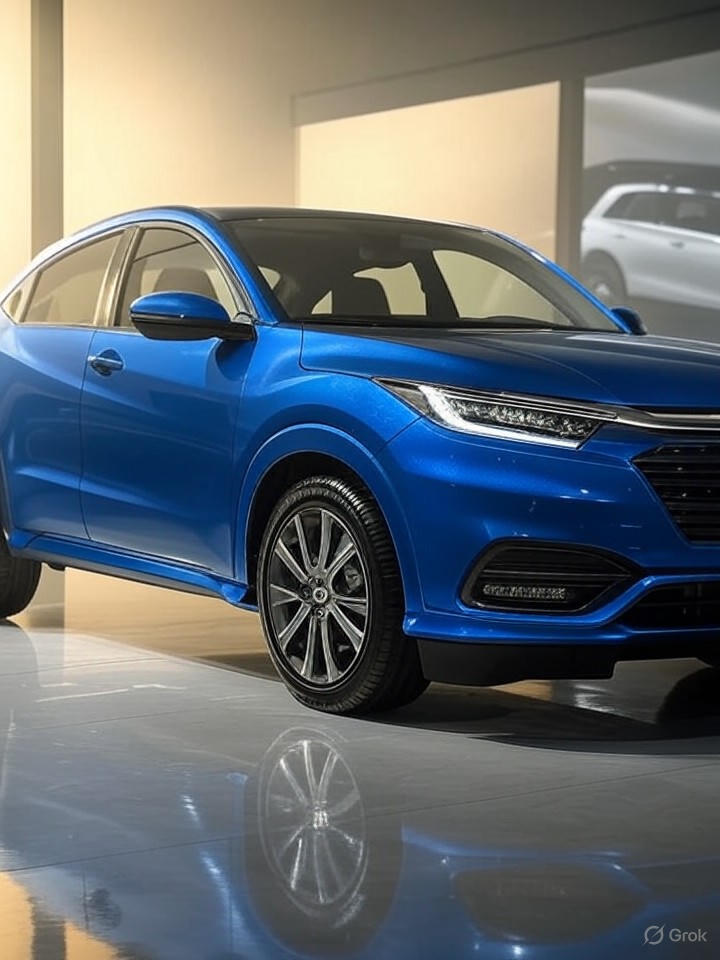
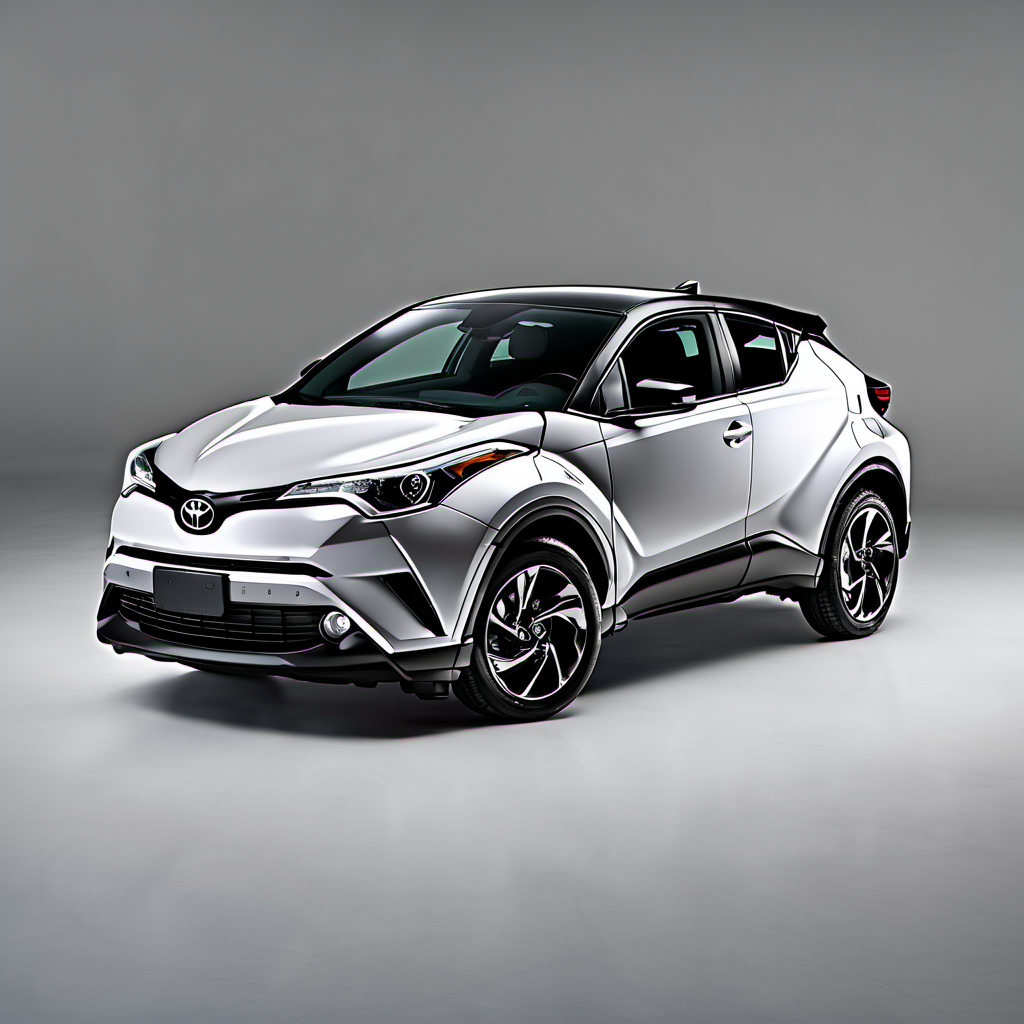
2018 Honda HR-V SUV

2018 Honda

HR-VSUV

SUV

The 2018 Honda HR-V is a subcompact crossover SUV built on the Fit's platform, slotting below the CR-V in Honda's lineup. It offers an unusually practical interior for its class — Honda's Magic Seat system in the rear lets you fold, tumble, or split the back seats in ways that embarrass most competitors. It's not a performance machine; the 1.8L four-cylinder is adequate but not exciting, and the CVT can feel sluggish under hard acceleration. For daily drivers who want good fuel economy, easy parking, and Honda's reputation for reliability, the HR-V hits a sweet spot. The FWD models are the volume sellers and handle Wisconsin winters reasonably well with a quality set of winter tires. AWD is available and adds meaningful traction but drops fuel economy slightly. The 2018 model year is part of the first-generation HR-V (2016–2022), which has built a solid reliability record. There are no major engine or transmission disasters to watch for — the main gripes are interior road noise, a somewhat underpowered engine, and a touchscreen infotainment system that owners find fiddly.

Reliability
4/5
Verified data
Specs shown for HR-V FWD — the most common configuration. Other trims may vary in engine, drivetrain, or fuel economy. Sign in to see your vehicle's exact specs.
Engine
[object Object]
Drivetrain
FWD
Fuel
Gasoline
MPG
25 city / 33 hwy / 28 combined
Seats
Doors
Body
Small Station Wagons

Overview

AI-curated

The 2018 Honda HR-V is a subcompact crossover SUV built on the Fit's platform, slotting below the CR-V in Honda's lineup. It offers an unusually practical interior for its class — Honda's Magic Seat system in the rear lets you fold, tumble, or split the back seats in ways that embarrass most competitors. It's not a performance machine; the 1.8L four-cylinder is adequate but not exciting, and the CVT can feel sluggish under hard acceleration. For daily drivers who want good fuel economy, easy parking, and Honda's reputation for reliability, the HR-V hits a sweet spot. The FWD models are the volume sellers and handle Wisconsin winters reasonably well with a quality set of winter tires. AWD is available and adds meaningful traction but drops fuel economy slightly. The 2018 model year is part of the first-generation HR-V (2016–2022), which has built a solid reliability record. There are no major engine or transmission disasters to watch for — the main gripes are interior road noise, a somewhat underpowered engine, and a touchscreen infotainment system that owners find fiddly.

Known for
  • Exceptional cargo and passenger flexibility via Honda Magic Seat
  • Strong long-term reliability track record
  • Good fuel economy for a crossover
  • Easy city maneuverability and parking
  • Above-average resale value
Best for
  • Urban and suburban commuters
  • Small families or couples needing flexible cargo space
  • First-time SUV buyers wanting low ownership cost
  • Drivers prioritizing reliability over performance
Watch for
  • Sluggish acceleration, especially merging at highway speeds
  • Noticeable road and wind noise in the cabin
  • CVT can feel rubbery and unresponsive when pushed hard
  • Rear visibility is limited — check mirrors and camera carefully
  • Base touchscreen is slow and unintuitive

Common issues by mileage

6 known

CVT shudder or hesitation under acceleration

medium
Typically appears
40–90k mi
Estimated repair
$150 – $400

VTC (Variable Timing Control) actuator noise on cold start — rattling for 1–2 seconds

medium
Typically appears
60–120k mi
Estimated repair
$300 – $700

Air conditioning compressor or condenser issues — reduced cooling in summer

low
Typically appears
60–100k mi
Estimated repair
$400 – $1,200

Brake noise / premature front brake pad wear

medium
Typically appears
30–60k mi
Estimated repair
$150 – $350

Infotainment touchscreen freezing or slow response

medium
Typically appears
Any
Estimated repair
$0 – $200

Rear wiper arm corrosion / failure — particularly relevant in road-salt environments

medium
Typically appears
30–80k mi
Estimated repair
$40 – $120

Maintenance schedule

  1. 1
    Every 5,000–7,500 miles or 12 months (use Honda-spec 0W-20 full synthetic) Engine oil and filter change

    The R18 engine's VTC system is oil-pressure dependent. Dirty or low oil accelerates VTC actuator wear and can trigger camshaft timing codes. Cold Wisconsin winters make fresh, low-viscosity oil especially important for clean cold starts.

  2. 2
    Every 30,000–40,000 miles — do not follow the 'lifetime fluid' myth CVT fluid change

    Honda's official interval is conservative. Independent shops and long-term owners consistently see smoother CVT operation and fewer shudder complaints when fluid is changed proactively, especially with the temperature swings in Wisconsin.

  3. 3
    Every 2–3 years regardless of mileage Brake fluid flush

    Brake fluid is hygroscopic — it absorbs moisture over time. In Wisconsin's freeze-thaw cycles, degraded fluid raises the risk of vapor lock and reduces braking performance.

  4. 4
    Every 15,000–20,000 miles or annually Cabin air filter replacement

    Clogged cabin filters reduce HVAC airflow, which hurts defrost performance in winter — a real safety issue when you need fast windshield clearing at sub-zero temps.

  5. 5
    Every 5,000–7,500 miles Tire rotation and inspection

    FWD vehicles load the front tires heavily. Regular rotation evens wear and is especially important before swapping to winter tires each fall.

  6. 6
    Every 30,000 miles (iridium plugs: up to 100,000 miles per Honda spec, but inspect at 60k) Spark plug replacement

    Worn plugs cause rough cold starts — noticeable in Wisconsin winters — and can stress ignition coils over time.

  7. 7
    First flush at 5 years / 60,000 miles; then every 3 years Coolant system inspection and flush

    Honda's blue coolant (Type 2) has a finite service life. Degraded coolant loses freeze-point protection, which is a serious risk given Lake Geneva's sub-zero temperatures.

  8. 8
    Monthly through winter, full inspection each spring Underbody wash and inspection for rust

    Lake Geneva roads are heavily salted from November through March. The HR-V's undercarriage brake lines, subframe, and exhaust hangers are vulnerable. Catching surface rust early prevents expensive structural repairs later.

Always defer to the manufacturer's service manual for warranty-mandated intervals.

Cost of ownership

Annual maintenance
$400 – $750
Fuel
At 28 combined MPG and ~12,000 miles/year, expect roughly $1,400–$1,700/year at current mid-grade Wisconsin gas prices. Stick to regular 87 octane — Honda specifies it and there's no benefit to premium.
Insurance
Typically $900–$1,400/year in the Lake Geneva area for a 2018 HR-V, depending on driver profile and coverage level. The HR-V's good safety scores and moderate repair costs keep insurance reasonable.

The HR-V is one of the cheaper crossovers to own long-term. Routine maintenance is straightforward, parts are affordable and widely available, and the 1.8L engine avoids the complexity of turbos or hybrids. Budget around $400–$750/year for scheduled maintenance in normal use. The biggest unplanned cost risk is CVT repair if fluid service is neglected — catching that early is the best investment you can make.
Seasonal care

Lake Geneva, WI
Winter
  • Switch to a dedicated winter tire set before temperatures drop below 40°F — the stock all-season tires lose grip quickly in snow and ice. A set of steel wheels for winter tires is cost-effective and protects your alloys from salt corrosion.
  • Test the 12V battery before first hard freeze. Honda HR-Vs use a small-capacity battery that can struggle with repeated sub-zero starts, especially if it's more than 3–4 years old.
  • Top off washer fluid with a -25°F or lower rated formula. The HR-V's washer reservoir is modest in size — it will run dry fast during a salty Wisconsin winter.
  • Apply a silicone-based door seal treatment to prevent door seals from freezing to the frame overnight — a common frustration on FWD Hondas in hard freezes.
  • Check coolant freeze protection level with a test strip or refractometer. Should be protected to at least -34°F for this area.
  • After winter, pressure-wash the underbody thoroughly — pay attention to wheel wells, subframe, and around the rear wiper arm mount where salt packs in.
Summer
  • Check tire pressure monthly — pressure rises 1 PSI for every 10°F increase in temperature. Overinflated tires on hot pavement reduce contact patch and increase wear.
  • Have the A/C system inspected if cooling seems weak before summer heat sets in. The HR-V's cabin heats up quickly and a marginal A/C system that barely coped in spring will fail in July.
  • Inspect wiper blades — winter use and UV degrade them fast. Replace if streaking occurs; rear visibility in rain depends on a good rear wiper.
  • Check brake pad thickness — summer is the best time for a visual inspection before fall and winter braking demands increase.

Comparable vehicles

If you're shopping for one

Red flags
  • Any camshaft or VTC timing DTC codes present or recently cleared — indicates potential oil neglect or internal engine wear
  • CVT shudder or hesitation during test drive — CVT repair or replacement runs $2,500–$4,500
  • Visible rust on brake lines, subframe, or fuel lines on cars from Wisconsin, Illinois, or Minnesota
  • Missing or inconsistent oil change records — the R18 engine with VTC is sensitive to oil quality and interval adherence
  • Accident history involving rear-end impact — rear hatch and latch alignment is difficult and expensive to restore properly on this body style
What to inspect
  • Pull codes before purchase — particularly look for any VTC/camshaft timing codes (P0012, P0015) which signal oil change neglect or actuator wear
  • With the engine warm and idling, listen for a brief rattle on startup — VTC actuator rattle is a known issue on higher-mileage R18 engines and gets expensive if ignored
  • Test the CVT through a full acceleration cycle: from a stop, through 30 mph, up to highway speed. Shudder, slipping, or delayed engagement are red flags
  • Check service records specifically for CVT fluid changes — a used HR-V with no record of CVT service at 40k+ miles is a risk
  • Inspect the underbody and wheel wells for rust — Wisconsin cars can develop frame and brake line corrosion faster than average. Look at the rear wiper arm mount area specifically
  • Verify all Magic Seat functions — fold, tumble, and split — operate smoothly and the latch mechanisms feel solid
  • Test the infotainment system fully including Apple CarPlay/Android Auto if equipped — screen replacement is not a cheap fix
AI profile generated 4 days ago · claude-sonnet-4-6 · v2.