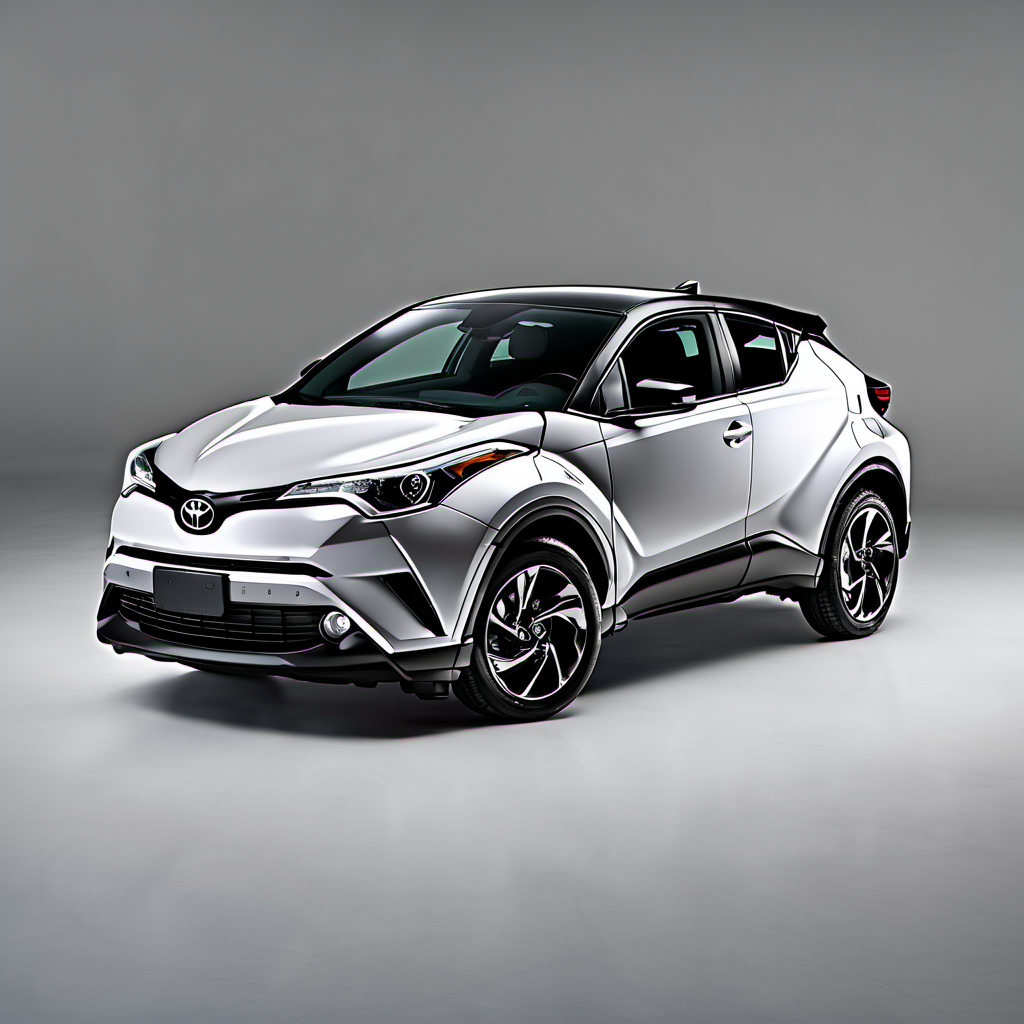
2018 Toyota C-HR SUV

2018 Toyota

C-HRSUV

SUV

The 2018 Toyota C-HR is a subcompact crossover that arrived in North America as Toyota's bold styling statement in the entry-level SUV segment. Built on the TNGA-C platform shared with the Corolla, it prioritizes a sleek, coupe-like exterior and a well-finished interior over outright cargo capacity or towing ability. Power comes from a 2.0L four-cylinder paired with a CVT, making this a smooth, efficient commuter rather than a performance vehicle. Front-wheel drive is standard — all-wheel drive was never offered on U.S.-spec C-HRs. It seats five but rear headroom and cargo space are tight by class standards, a direct trade-off for the low roofline. For Lake Geneva-area buyers, the FWD-only layout is worth noting before a Wisconsin winter. The C-HR handles light snow reasonably well on quality all-season tires, but anyone regularly navigating unplowed roads or steep driveways should weigh that limitation seriously.

Reliability
4/5
Verified data
Specs shown for C-HR — the most common configuration. Other trims may vary in engine, drivetrain, or fuel economy. Sign in to see your vehicle's exact specs.
Engine
[object Object]
Drivetrain
FWD
Fuel
Gasoline
MPG
27 city / 31 hwy / 29 combined
Seats
Doors
Body
Compact Cars

Overview

AI-curated

The 2018 Toyota C-HR is a subcompact crossover that arrived in North America as Toyota's bold styling statement in the entry-level SUV segment. Built on the TNGA-C platform shared with the Corolla, it prioritizes a sleek, coupe-like exterior and a well-finished interior over outright cargo capacity or towing ability. Power comes from a 2.0L four-cylinder paired with a CVT, making this a smooth, efficient commuter rather than a performance vehicle. Front-wheel drive is standard — all-wheel drive was never offered on U.S.-spec C-HRs. It seats five but rear headroom and cargo space are tight by class standards, a direct trade-off for the low roofline. For Lake Geneva-area buyers, the FWD-only layout is worth noting before a Wisconsin winter. The C-HR handles light snow reasonably well on quality all-season tires, but anyone regularly navigating unplowed roads or steep driveways should weigh that limitation seriously.

Known for
  • Distinctive, polarizing coupe-like styling
  • Smooth CVT and composed ride quality
  • Above-average fit and finish for its price point
  • Strong Toyota build quality and reliability track record
  • Nimble handling in urban environments
Best for
  • City and suburban commuters who want something different-looking
  • Buyers prioritizing style and fuel economy over cargo space
  • Single drivers or couples without large cargo needs
  • Drivers in areas with mild-to-moderate winter conditions
Watch for
  • FWD-only — no AWD option available on any U.S. trim
  • Tight rear headroom and limited cargo volume for the class
  • CVT can feel sluggish under hard acceleration
  • Rear visibility is poor due to the steeply raked roofline and thick C-pillar

Common issues by mileage

6 known

CVT shudder or hesitation under acceleration

medium
Typically appears
40–80k mi
Estimated repair
$150 – $600

VVT-i oil control valve / camshaft timing fault

low
Typically appears
60–120k mi
Estimated repair
$200 – $700

Oxygen sensor heater circuit failure

low
Typically appears
80–130k mi
Estimated repair
$150 – $400

Infotainment / multimedia system freezing or rebooting

medium
Typically appears
0–60k mi
Estimated repair
$0 – $300

Excessive wind noise from door seals or A-pillar

medium
Typically appears
20–70k mi
Estimated repair
$50 – $250

Battery drain / CAN bus communication fault

low
Typically appears
50–100k mi
Estimated repair
$100 – $500

Maintenance schedule

  1. 1
    Every 5,000 miles or 6 months Engine oil and filter change — use 0W-20 full synthetic

    The 2ZR-FBE VVT-i system is oil-pressure dependent. Dirty or low oil is the leading cause of camshaft timing codes. Don't stretch this interval.

  2. 2
    Every 60,000 miles (inspect at 30k) CVT fluid inspection and change

    Toyota rates CVT fluid as 'lifetime' but upper-Midwest stop-and-go and cold starts degrade it faster. Fresh fluid at 60k extends transmission life meaningfully.

  3. 3
    Every 15,000–20,000 miles or annually Cabin air filter replacement

    Wisconsin road salt and spring pollen load this filter quickly. A clogged cabin filter reduces defrost effectiveness in winter.

  4. 4
    Every 30,000 miles Engine air filter replacement

    Standard interval; inspect earlier if driving on gravel or dusty roads common around Lake Geneva.

  5. 5
    Every 5,000–7,500 miles Tire rotation and pressure check

    FWD vehicles wear front tires faster. Consistent rotation prevents uneven wear. Cold Wisconsin winters drop tire pressure ~1 PSI per 10°F — check monthly in winter.

  6. 6
    Every 3 years or 45,000 miles Brake fluid flush

    Brake fluid absorbs moisture over time. In freeze-thaw cycles, degraded fluid can cause corrosion in ABS components.

  7. 7
    Every 60,000 miles Spark plug replacement — iridium plugs

    Toyota specifies iridium plugs for the 2ZR-FBE. Worn plugs can cause misfires and stress the catalytic converter.

  8. 8
    Every 2 weeks during winter road salt season Underbody and wheel-well rinse

    The C-HR's low ground clearance lets salt pack into the undercarriage. Regular rinsing is the single best rust-prevention step on Wisconsin roads.

Always defer to the manufacturer's service manual for warranty-mandated intervals.

Cost of ownership

Annual maintenance
$400 – $900
Fuel
At 29 MPG combined and ~15,000 miles/year, expect roughly $1,500–$1,800/year in fuel at current Wisconsin gas prices. Premium fuel is not required.
Insurance
Typically $1,100–$1,500/year for a driver with a clean record in the Lake Geneva area, placing it in the affordable range for its class.

The C-HR is genuinely inexpensive to maintain. Routine service (oil, tires, filters) drives most of the annual cost. The CVT fluid change at 60k is the largest single scheduled item. Avoid deferred oil changes — the VVT-i system punishes neglect with expensive timing repairs. Overall, one of the cheaper subcompact crossovers to own long-term.
Seasonal care

Lake Geneva, WI
Winter
  • Switch to a dedicated winter tire set — FWD-only means traction is entirely on two front tires. All-season tires lose grip below 45°F; winters make a significant safety difference on Wisconsin roads.
  • Check battery condition in October. The stock battery is adequate but cold-cranking amps drop sharply below 0°F. A battery over 4 years old should be load-tested before first hard freeze.
  • Top off washer fluid with -20°F or -40°F rated fluid. The low hood angle and poor rear visibility make clean glass essential. Carry a spare jug.
  • Apply a silicone spray or rubber conditioner to door and hatch seals in November to prevent freezing shut — the C-HR's tight-fitting doors are prone to this.
  • Keep the fuel tank at least half full through winter to reduce moisture condensation in the fuel system and add weight over the driven front axle.
  • Rinse the undercarriage thoroughly and often — road salt accelerates rust on brake lines and subframe brackets. The low ride height traps salt in the wheel wells.
Summer
  • Check tire pressure monthly — heat causes pressure to rise ~1 PSI per 10°F above the temp at which you last set them. Over-inflation increases wear and reduces wet traction.
  • Inspect the A/C system performance in May before peak heat. The C-HR's small cabin heats up fast; a weakly performing A/C is noticeable quickly.
  • Check coolant level and condition every spring. If it's been over 5 years or 100k miles since a coolant flush, schedule one.
  • Park in shade or use a windshield sunshade — the large front glass creates significant heat soak that stresses the interior trim and battery.

Comparable vehicles

If you're shopping for one

Red flags
  • Any camshaft timing DTC (P0012, P0015) in the code history — indicates oil neglect or VVT-i wear; budget for diagnosis before buying.
  • CVT fluid that is dark brown or smells burnt — fluid should be pinkish/red. Dark fluid means the transmission has been stressed.
  • Visible rust on the subframe or brake lines — salt exposure on lower Wisconsin roads is aggressive and repair costs can exceed vehicle value.
  • Aftermarket exhaust or tune modifications — the 2.0L in the C-HR is not designed for performance modification and tuned examples may have hidden drivetrain stress.
  • Accident history on a vehicle with the C-HR's sloped rear — body repair on this shape is expensive and difficult to align properly.
What to inspect
  • CVT operation — test for shudder, hesitation, or slipping during gentle acceleration from a stop and at highway merge speeds.
  • Check for oil change stickers and service records. VVT-i timing faults trace directly to oil neglect; walk away from any C-HR with no maintenance history.
  • Inspect the rear hatch and door seals for cracking or deformation — common after Wisconsin winters.
  • Test all infotainment functions including Apple CarPlay/Android Auto — software glitches were reported on early builds.
  • Look under the car for rust on brake lines, subframe, and exhaust hangers — especially on Wisconsin-registered vehicles.
AI profile generated 4 days ago · claude-sonnet-4-6 · v2.