Battery capacity degradation (capacity bar loss)
high- Typically appears
- 30k–80k mi
- Estimated repair
- $3,500 – $8,500
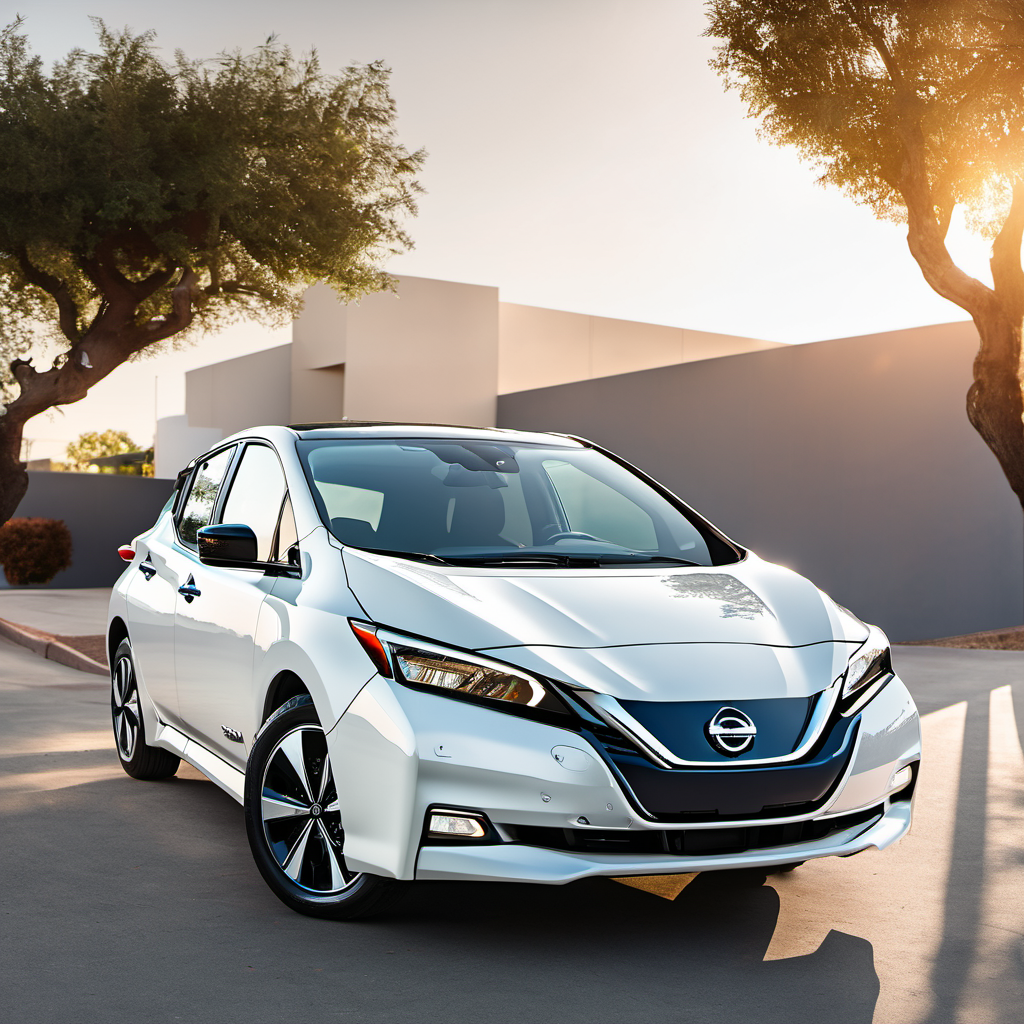
2018 Nissan
Hatchback
The 2018 Nissan LEAF is the second-generation version of the world's best-selling electric car. Nissan made a big leap with this generation — moving to a 40 kWh battery pack (up from 30 kWh), a new e-Pedal one-pedal driving system, and a more refined interior. Real-world range lands around 120–150 miles depending on speed and temperature, which makes it a strong daily commuter but not a road-trip vehicle without planning. The LEAF is a pure battery-electric hatchback with front-wheel drive and a single-speed reduction gear — no clutch, no transmission to service, no oil changes. Running costs are very low. The main long-term ownership concern is battery capacity loss over time, especially in hot climates or with heavy DC fast-charging use. Wisconsin's cold winters also temporarily reduce range, sometimes by 20–40%, so budget your winter commutes conservatively. For buyers looking at a used 2018 LEAF, the key homework is checking remaining battery capacity (the dashboard shows bars, 12 = full health) and understanding whether the car has the optional CHAdeMO DC fast-charge port. Without that port, you're limited to Level 2 AC charging at home or public stations.
The 2018 Nissan LEAF is the second-generation version of the world's best-selling electric car. Nissan made a big leap with this generation — moving to a 40 kWh battery pack (up from 30 kWh), a new e-Pedal one-pedal driving system, and a more refined interior. Real-world range lands around 120–150 miles depending on speed and temperature, which makes it a strong daily commuter but not a road-trip vehicle without planning. The LEAF is a pure battery-electric hatchback with front-wheel drive and a single-speed reduction gear — no clutch, no transmission to service, no oil changes. Running costs are very low. The main long-term ownership concern is battery capacity loss over time, especially in hot climates or with heavy DC fast-charging use. Wisconsin's cold winters also temporarily reduce range, sometimes by 20–40%, so budget your winter commutes conservatively. For buyers looking at a used 2018 LEAF, the key homework is checking remaining battery capacity (the dashboard shows bars, 12 = full health) and understanding whether the car has the optional CHAdeMO DC fast-charge port. Without that port, you're limited to Level 2 AC charging at home or public stations.
EVs produce instant torque that wears fronts faster; rotation keeps wear even and preserves the set. Nitrogen or correct cold-inflation is especially important in Wisconsin winters — check pressures monthly.
The LEAF's regenerative braking means the physical brakes are used less often, which actually allows moisture to accumulate in the fluid more than on a normal car. Flush on schedule regardless of mileage.
Infrequent mechanical brake use causes rear calipers to seize over time from corrosion, especially in Wisconsin's salt environment. Annual inspection and lubrication prevents expensive caliper replacements.
The LEAF uses a heat pump-based HVAC system. A clogged cabin filter reduces heating efficiency — already a concern in sub-zero temps — and strains the blower motor.
The 12V battery starts all low-voltage systems (BMS, locks, lights, communication modules). Failure leaves the car unable to power on even though the main traction pack is fine. Load-test it every fall before Wisconsin winter.
The 2018 LEAF does not liquid-cool the battery, but it does cool the motor and inverter. Inspect hoses and level annually; flush per Nissan's interval to prevent corrosion damage.
Lake Geneva roads are heavily salted November through March. The battery enclosure sits under the floorpan — inspect drain plugs and enclosure seals, and rinse thoroughly each spring.
The dashboard capacity bars show health in coarse steps. A proper SOH scan gives you the real percentage. This is the single most important data point for valuing or monitoring a used 2018 LEAF.
Always defer to the manufacturer's service manual for warranty-mandated intervals.
Day-to-day costs are among the lowest of any vehicle in this segment — no oil, no spark plugs, no exhaust, minimal brake wear. Annual maintenance is mostly tires, brake service, and filters. The financial risk is a major battery replacement ($3,500–$8,500+) if capacity drops severely, though the 2018 model's 40 kWh pack is covered under Nissan's 8-year/100,000-mile battery warranty for capacity falling below 9 of 12 bars. Confirm warranty status on any used example.
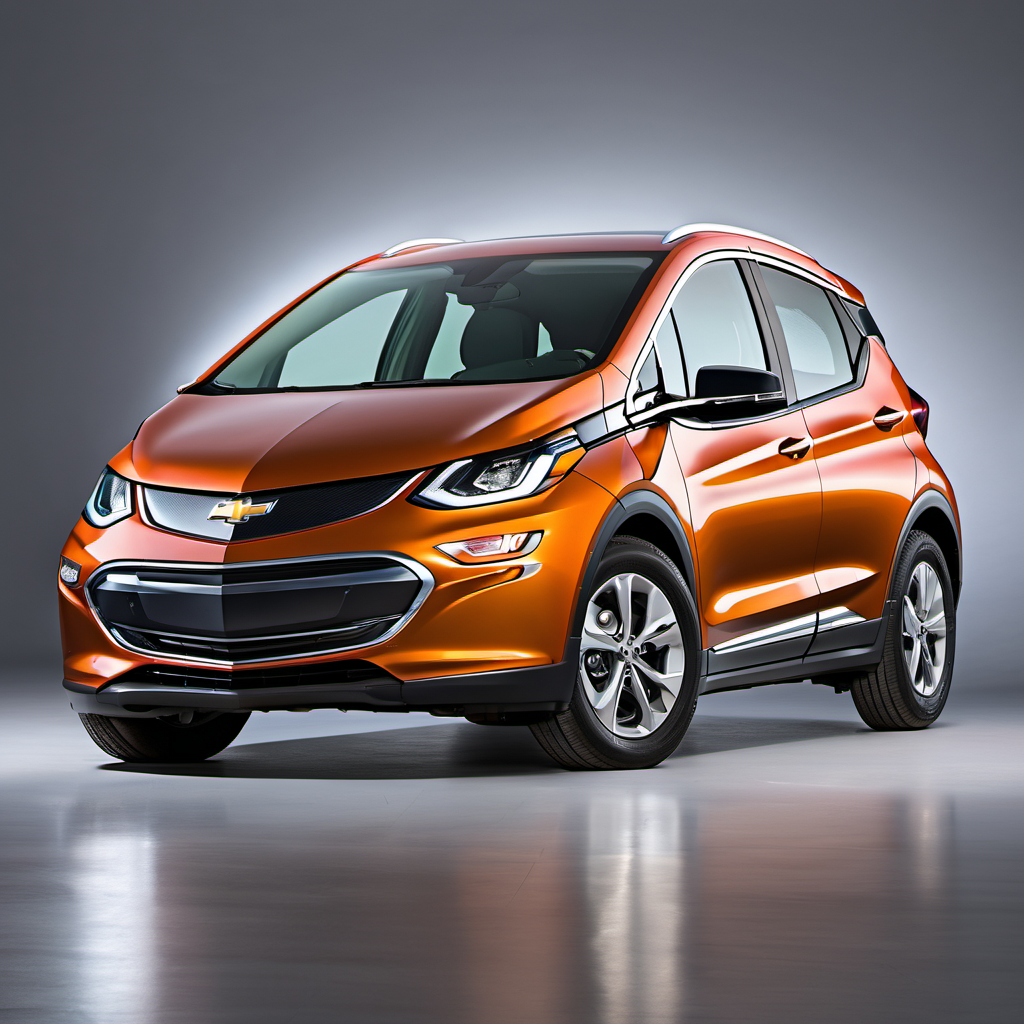
Similar price point, similar hatchback form, but offers ~238 miles EPA range and active thermal management on the battery — better long-term capacity retention than the LEAF.
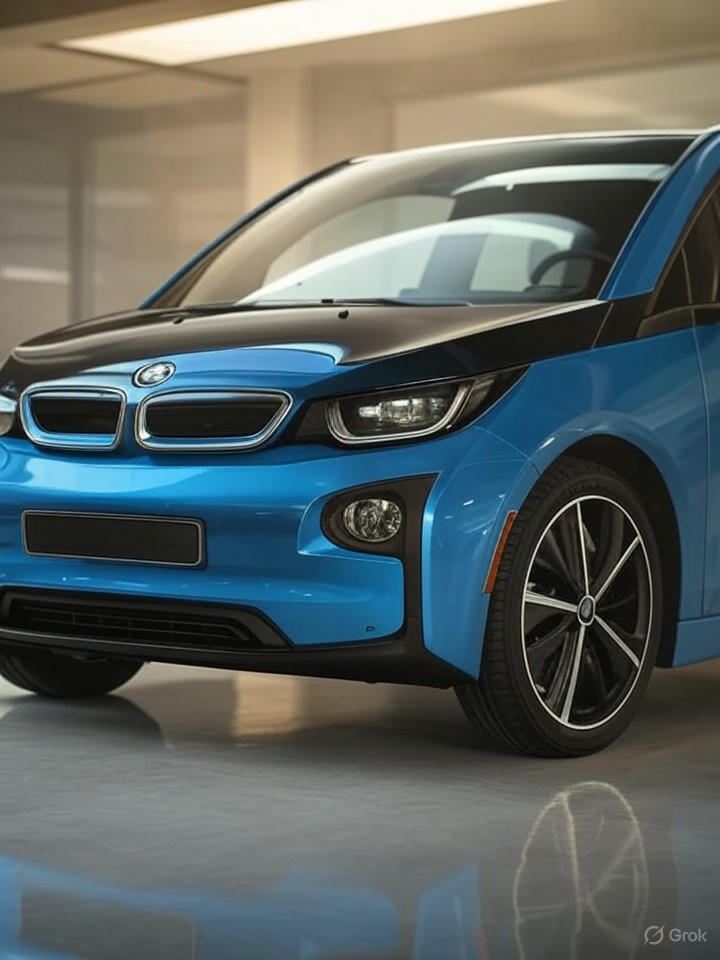
Premium compact EV in the same price range used; smaller interior but excellent build quality and available range extender option. Different ownership feel but same urban/commuter mission.
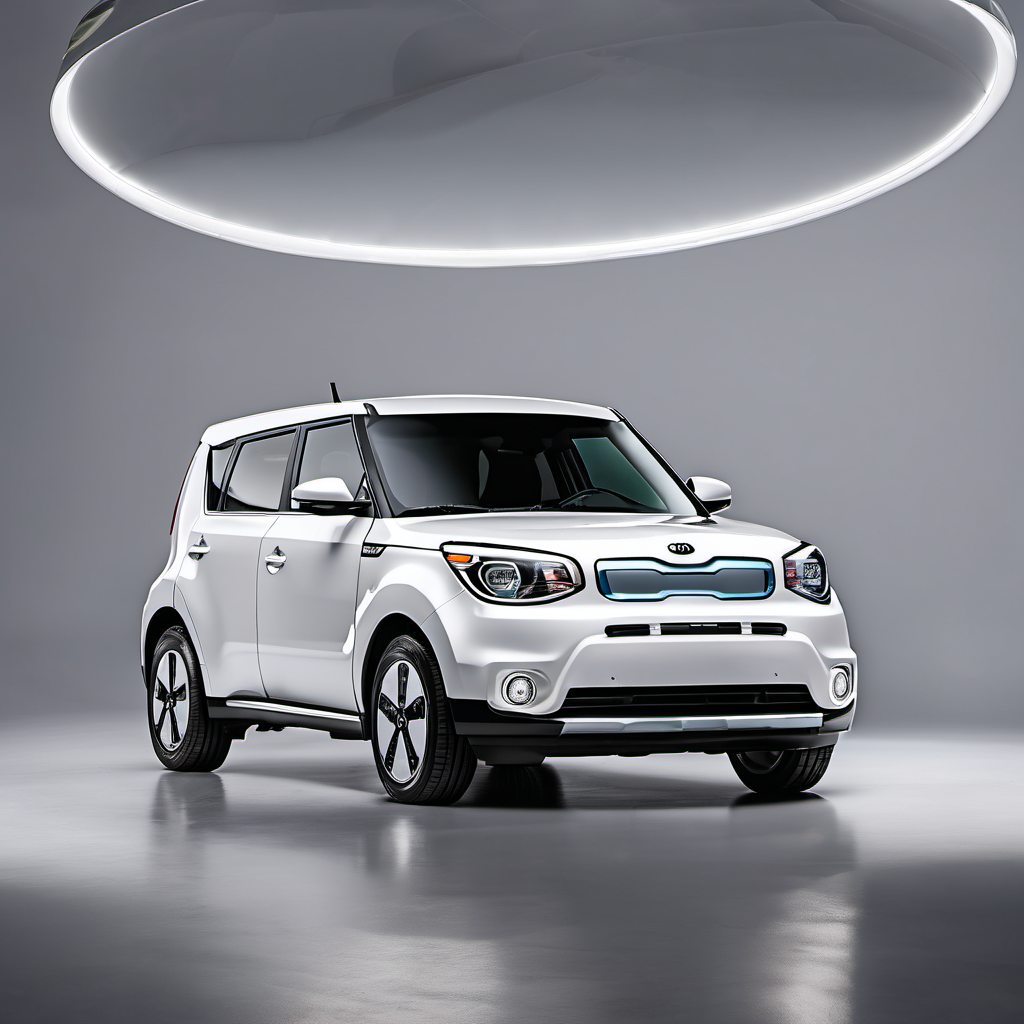
Compact EV hatchback with similar range and urban focus; also FWD and similarly priced used. Liquid-cooled battery pack gives it an edge in long-term capacity retention.
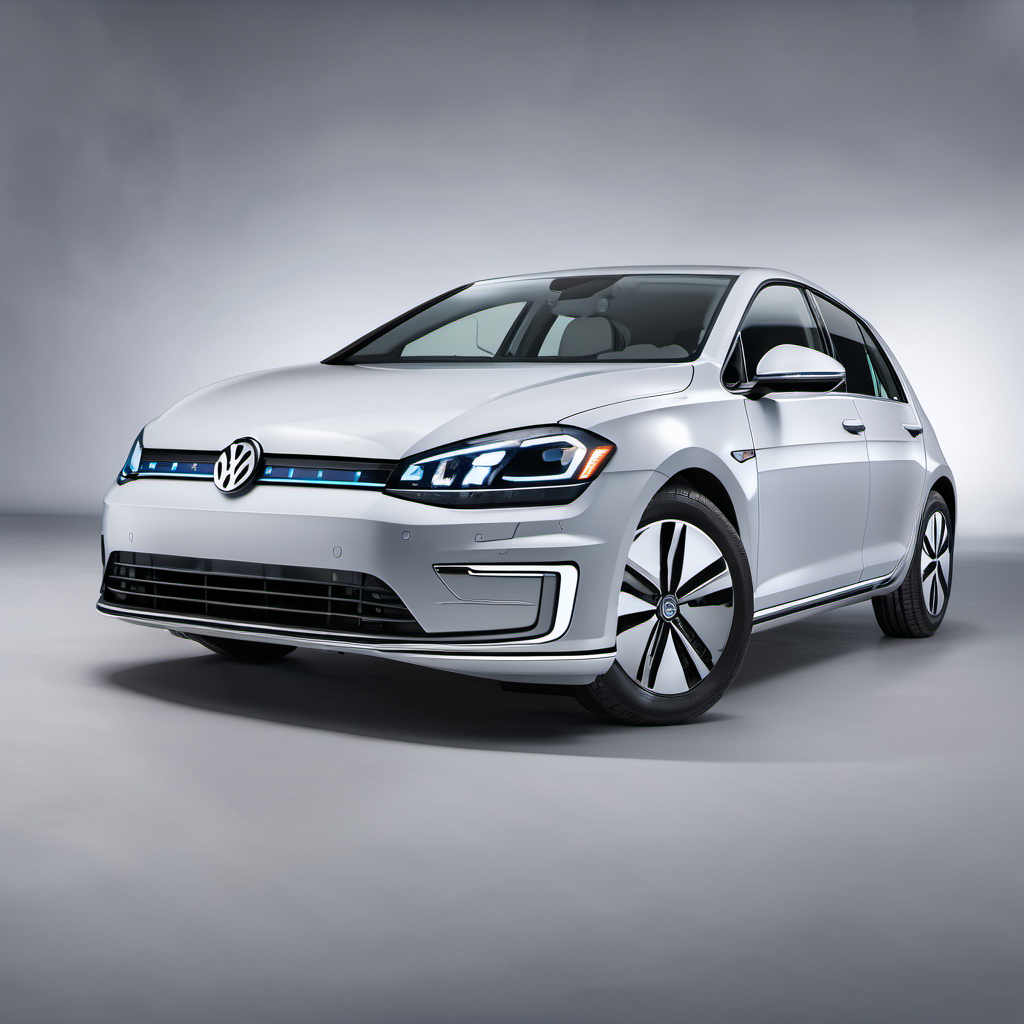
Similar size, similar price used, FWD electric hatchback. More conventional interior feel than the LEAF; slightly less range but active battery cooling helps longevity.