High-voltage battery capacity degradation
medium- Typically appears
- 40–80k mi
- Estimated repair
- $3,000 – $9,000
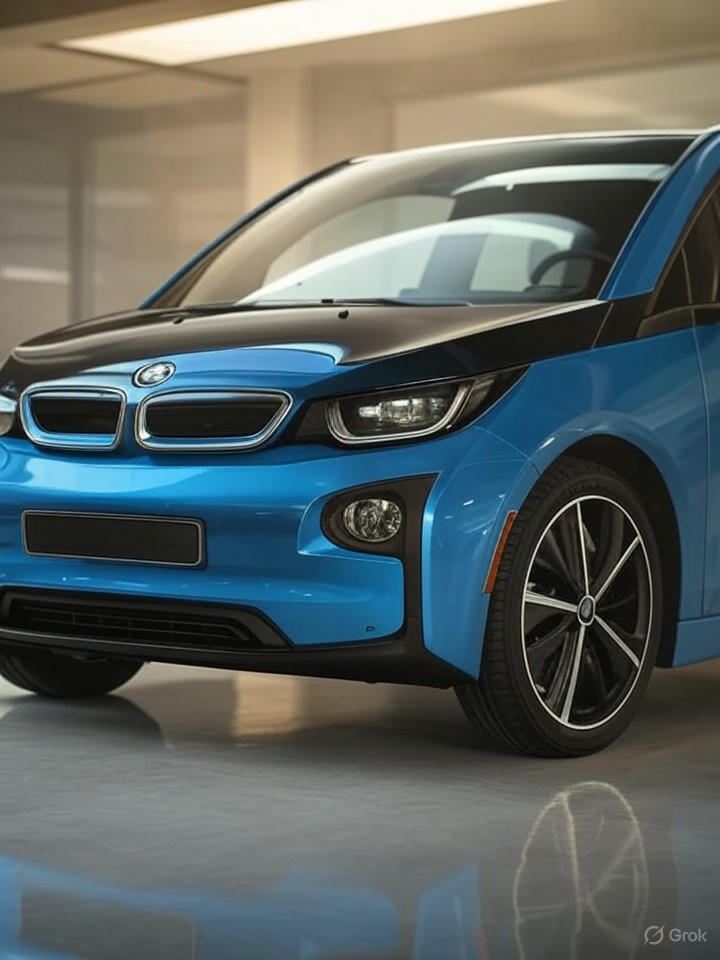
2018 BMW
Hatchback
The 2018 BMW i3 is a purpose-built urban electric vehicle with an optional Range Extender (REx) — a small 2-cylinder gasoline engine that acts as a generator to extend range beyond the battery pack. The i3 is built on a carbon fiber reinforced plastic (CFRP) passenger cell mounted on an aluminum chassis, making it unusually lightweight for its segment. It drives rear-wheel drive via a single electric motor and delivers quick, responsive acceleration despite modest power figures on paper. The i3 is genuinely different from conventional cars and from most EVs: coach-style rear doors (no B-pillar), a narrow body, and hard plastic eco-interior panels signal that BMW designed this as a city commuter, not a long-haul cruiser. In REx trim, a tiny 0.6L 2-cylinder motorcycle-derived engine kicks on to charge the battery when charge drops low — it cannot drive the wheels directly. Range is limited; even with the REx, plan on roughly 150–180 miles total before a fuel stop and recharge. For Lake Geneva-area owners, cold weather meaningfully reduces EV range — expect 20–30% less range in sub-zero temps. The REx variant provides important peace of mind in Wisconsin winters when charging stops may be spaced far apart. This is a second-car or commuter-car for most Midwest buyers.
The 2018 BMW i3 is a purpose-built urban electric vehicle with an optional Range Extender (REx) — a small 2-cylinder gasoline engine that acts as a generator to extend range beyond the battery pack. The i3 is built on a carbon fiber reinforced plastic (CFRP) passenger cell mounted on an aluminum chassis, making it unusually lightweight for its segment. It drives rear-wheel drive via a single electric motor and delivers quick, responsive acceleration despite modest power figures on paper. The i3 is genuinely different from conventional cars and from most EVs: coach-style rear doors (no B-pillar), a narrow body, and hard plastic eco-interior panels signal that BMW designed this as a city commuter, not a long-haul cruiser. In REx trim, a tiny 0.6L 2-cylinder motorcycle-derived engine kicks on to charge the battery when charge drops low — it cannot drive the wheels directly. Range is limited; even with the REx, plan on roughly 150–180 miles total before a fuel stop and recharge. For Lake Geneva-area owners, cold weather meaningfully reduces EV range — expect 20–30% less range in sub-zero temps. The REx variant provides important peace of mind in Wisconsin winters when charging stops may be spaced far apart. This is a second-car or commuter-car for most Midwest buyers.
The REx engine uses a tiny oil reservoir. Even if you rarely trigger the generator, the oil degrades with time. This is the single most-neglected service item on the i3 REx and skipping it leads to premature engine wear.
The i3 uses its HVAC heavily for battery thermal management. A clogged filter reduces efficiency and can increase battery heating/cooling demands.
Regenerative braking means the hydraulic brakes are used less often, so brake fluid absorbs moisture more slowly — but BMW's 2-year interval still applies. Moist fluid causes corrosion in the ABS modulator.
The i3 uses staggered narrow tires and RWD torque accelerates rear wear. The i3 has no spare — a flat is a roadside emergency. Inspect sidewalls for cracks, especially after Wisconsin winters.
Like all EVs, the i3 has a separate 12V battery running accessories and control modules. A dead 12V will leave the car inoperable even with a full high-voltage charge. Cold Wisconsin winters accelerate 12V battery degradation.
State-of-health readings tell you how much usable capacity remains versus new. At 70% SOH or below, real-world range is noticeably impacted and battery replacement may be worth budgeting for.
The i3 uses a liquid cooling loop for the battery and power electronics. Leaks here can cause sudden battery shutdowns or thermal damage. Inspect hoses and connections, especially before winter.
Because regen braking does most of the work, the mechanical brakes go long stretches unused and are prone to caliper corrosion and rotor surface rust in Wisconsin's salt and moisture environment.
Always defer to the manufacturer's service manual for warranty-mandated intervals.
Day-to-day costs are low — no gas most days, few fluids to change, and brakes last a long time. The risk is in the big-ticket items: a degraded high-voltage battery pack, a neglected REx engine, or a body repair. Parts and qualified technicians are scarce outside of BMW dealers or EV specialists, so labor rates are higher than a typical compact car. Budget for unexpected repairs rather than assume it will always be cheap.
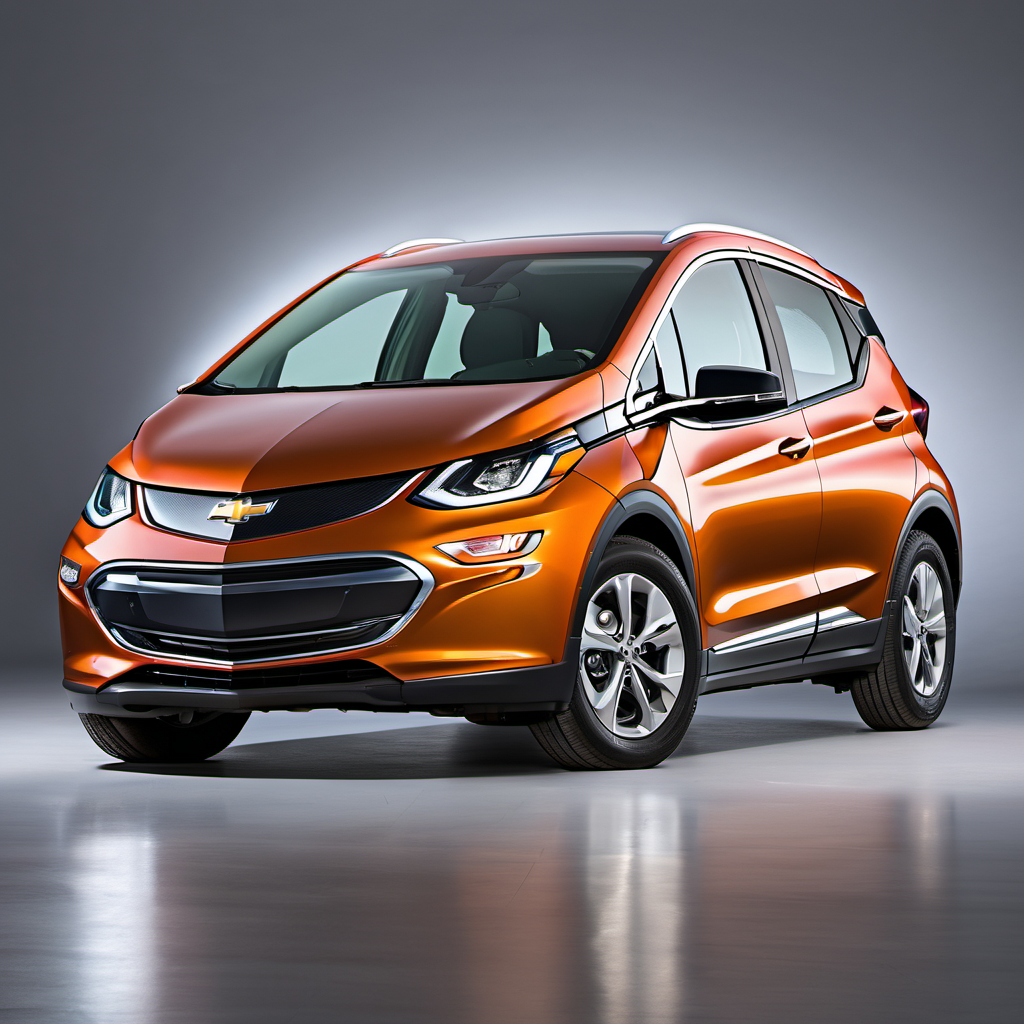
Similar price point and urban EV mission, but offers nearly double the range (~238 mi), more conventional 5-seat hatchback packaging, and a much wider dealer/service network in Wisconsin.
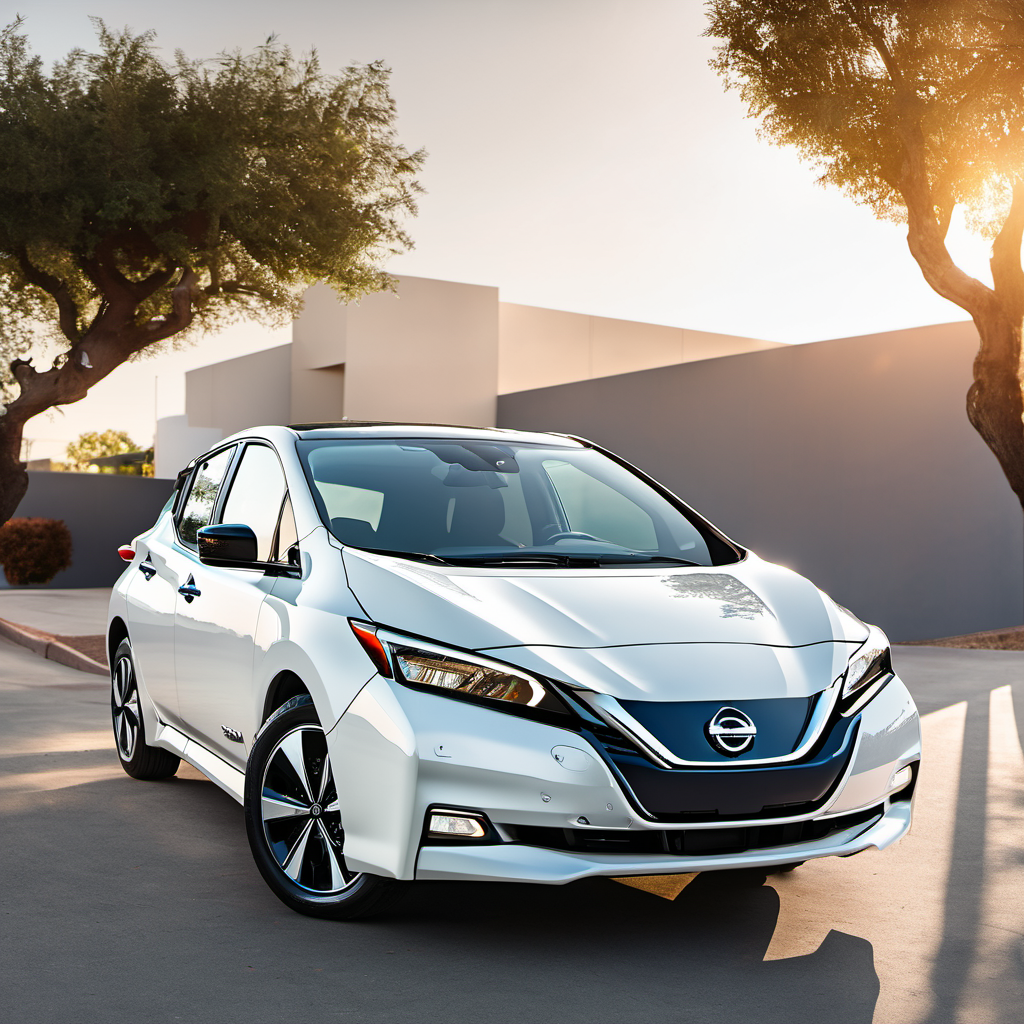
Closest competitor in urban EV space. The 2018 LEAF 40 kWh offers ~150 mi range, similar 5-seat compact hatchback layout, lower purchase price, and widely available service — better-supported in rural Midwest areas.
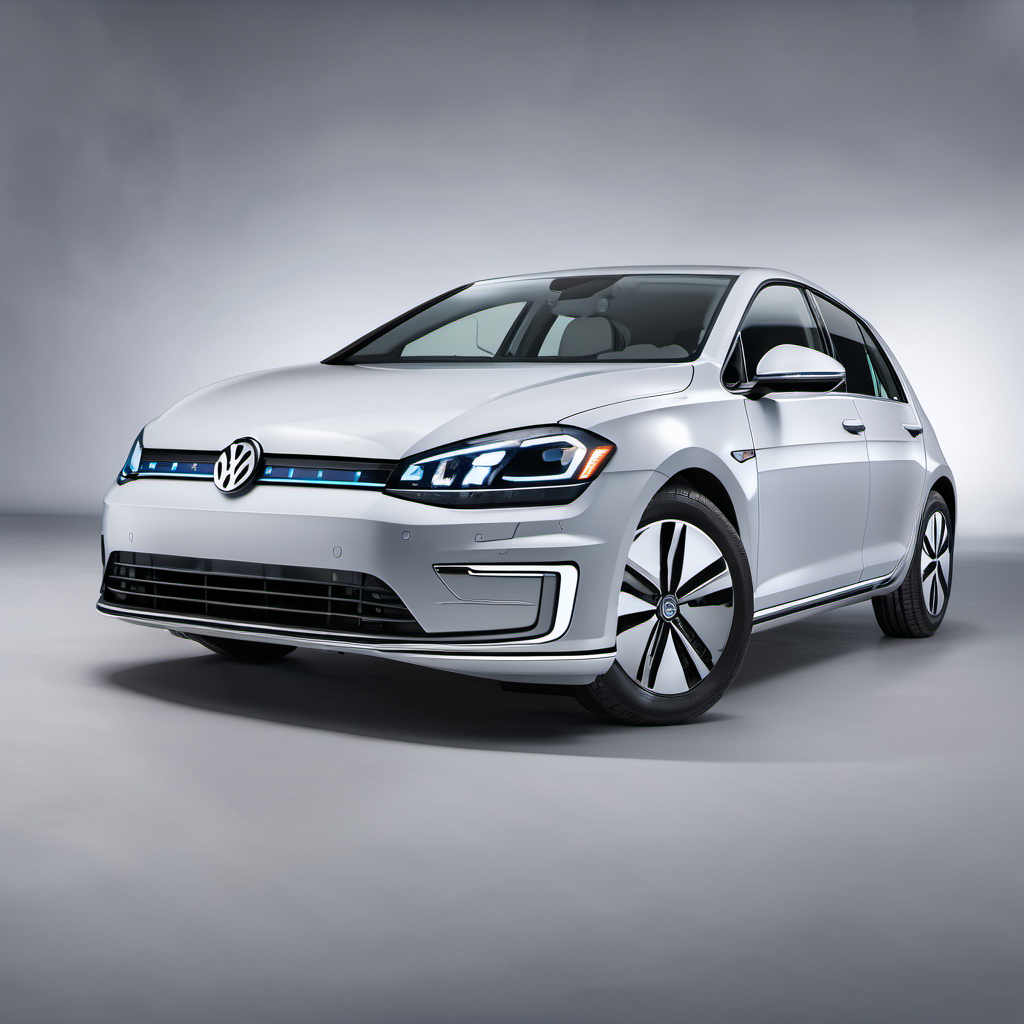
Premium compact EV hatchback with more conventional layout and 125 mi range. More familiar to VW/European car mechanics and less dependent on specialist CFRP repair knowledge.
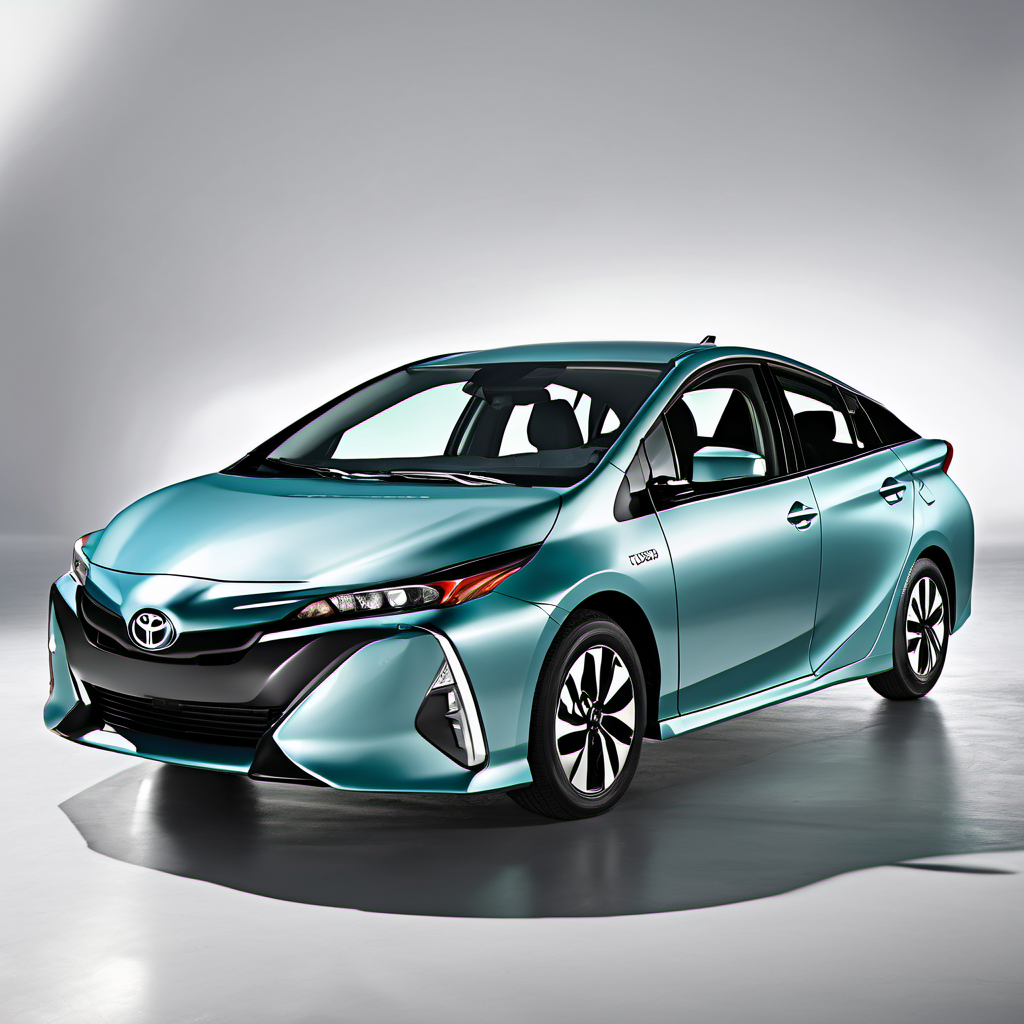
Plug-in hybrid alternative at a lower price with ~25 mi EV range plus full gas backup — eliminates range anxiety entirely, with Toyota's legendary reliability and a broad Midwest service network.