High-voltage battery capacity degradation
high- Typically appears
- 40k–100k mi
- Estimated repair
- $3,000 – $8,000
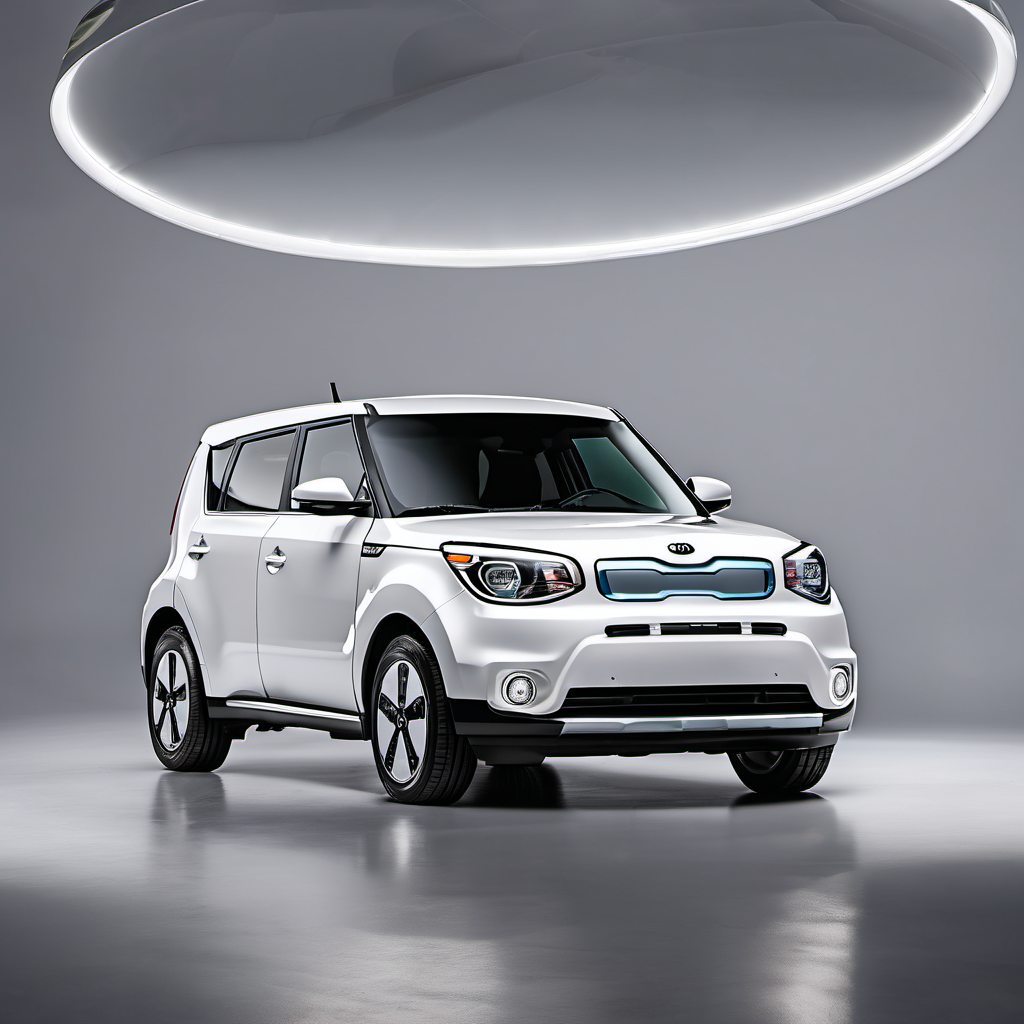
2018 Kia
Single permanent-magnet AC motor (81.4 kW) · Wagon
The 2018 Kia Soul EV is the all-electric version of Kia's boxy, personality-driven Soul hatchback/wagon. It runs on a 30 kWh lithium-ion battery pack powering a single front-mounted electric motor, giving it a real-world range of roughly 90–100 miles under normal conditions. It shares the Soul's practical, upright cabin with a generous cargo area relative to its footprint, making it a solid urban and suburban daily driver. For 2018, the Soul EV came well-equipped as standard — heated seats, a 7-inch touchscreen, DC fast charging (CHAdeMO), and Kia's then-industry-leading 10-year/100,000-mile powertrain warranty (original owner). The battery pack carries a separate 7-year/100,000-mile warranty. Running costs are very low compared to a gasoline car, but the limited range and CHAdeMO charging standard (which is becoming less common vs. CCS) are real-world limitations to keep in mind. At 6–7 years old in 2025, battery degradation is the primary concern. Expect original capacity to be down 10–20% depending on charge history and climate exposure. The Soul EV is a niche vehicle with a small used market in the upper Midwest, so factor in EV-specific inspection steps before buying.
The 2018 Kia Soul EV is the all-electric version of Kia's boxy, personality-driven Soul hatchback/wagon. It runs on a 30 kWh lithium-ion battery pack powering a single front-mounted electric motor, giving it a real-world range of roughly 90–100 miles under normal conditions. It shares the Soul's practical, upright cabin with a generous cargo area relative to its footprint, making it a solid urban and suburban daily driver. For 2018, the Soul EV came well-equipped as standard — heated seats, a 7-inch touchscreen, DC fast charging (CHAdeMO), and Kia's then-industry-leading 10-year/100,000-mile powertrain warranty (original owner). The battery pack carries a separate 7-year/100,000-mile warranty. Running costs are very low compared to a gasoline car, but the limited range and CHAdeMO charging standard (which is becoming less common vs. CCS) are real-world limitations to keep in mind. At 6–7 years old in 2025, battery degradation is the primary concern. Expect original capacity to be down 10–20% depending on charge history and climate exposure. The Soul EV is a niche vehicle with a small used market in the upper Midwest, so factor in EV-specific inspection steps before buying.
The 12V battery is completely separate from the traction pack and runs all the car's electronics. It drains faster on EVs because the car wakes up frequently for remote monitoring. A dead 12V will leave you stranded even if the traction battery is fully charged. Wisconsin winters are especially hard on it.
EVs are heavier than comparable ICE cars due to the battery pack, and the instant torque wears front tires faster. Regular rotation maximizes tire life.
Regenerative braking means the friction brakes are used less, so brake fluid can go years without being 'worked.' Moisture absorption still occurs over time and can cause caliper corrosion — especially in Wisconsin's salty winters.
Infrequent use of friction brakes leads to caliper slide pin corrosion and rotor surface rust. Catching a sticking caliper early prevents uneven wear and brake fade.
The Soul EV's heat pump and HVAC system pulls outside air through this filter. A clogged filter reduces heating/cooling efficiency and battery range in both winter and summer.
The Soul EV uses liquid cooling for its battery pack and motor. Check for leaks, inspect hoses, and verify coolant level. Kia specifies coolant replacement at 200,000 km (~120k mi) but inspect for contamination earlier.
Corrosion or debris on charge port pins can cause charging failures. Clean contacts and check for bent pins, especially after a Wisconsin winter with road salt in the air.
A compatible OBD2 scanner (or Kia dealer GDS2 tool) can pull the actual battery SOH percentage. Knowing your real remaining capacity is the single most important health check for this vehicle.
Always defer to the manufacturer's service manual for warranty-mandated intervals.
Day-to-day running costs are among the lowest of any vehicle in its class — no oil changes, no spark plugs, minimal brake wear. The savings are real and add up quickly. However, if the high-voltage battery pack needs significant work or replacement outside of warranty, costs can be substantial ($3,000–$8,000+). The 10-year/100,000-mile powertrain warranty may still be active for the original owner; confirm warranty transfer status when buying used.
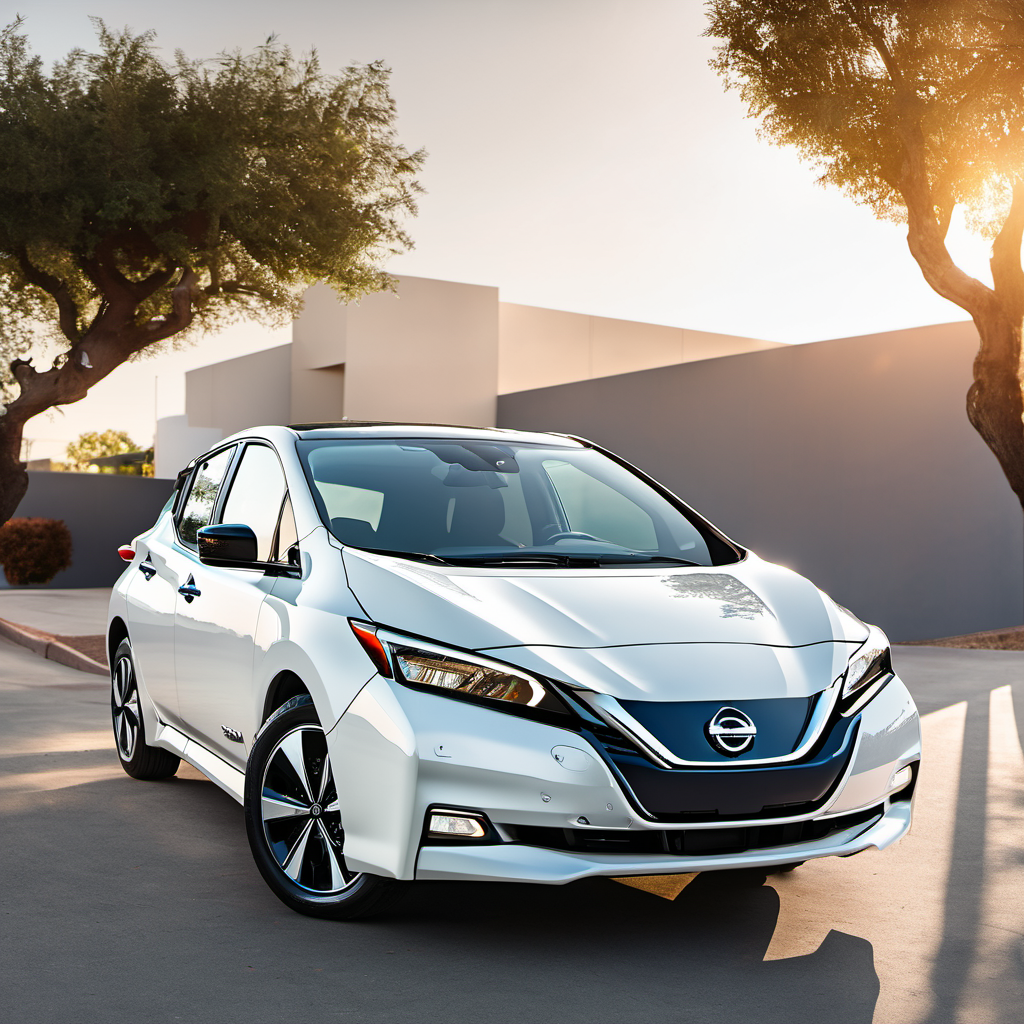
The most direct rival — similar price, similar range (40 kWh option available in 2018 for ~150 mi range), compact hatchback, FWD. Uses CHAdeMO like the Soul EV. More widely available used and has a larger service/parts network.
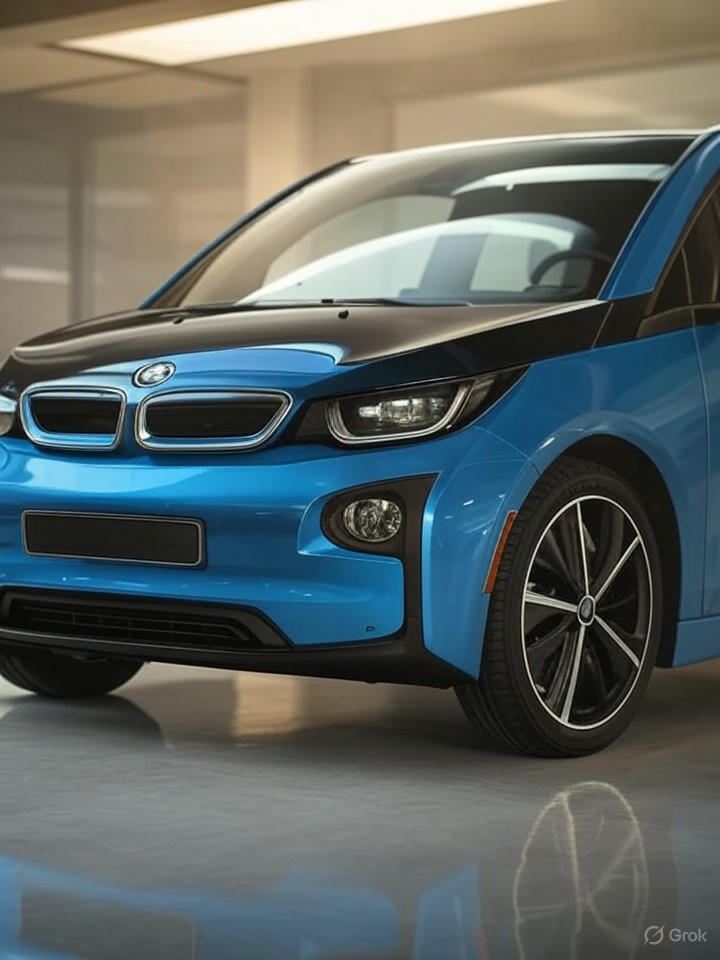
Similar urban EV mission and price bracket. Offers optional range extender. Unique carbon fiber construction; higher ownership costs but strong EV performance and a tighter turning radius.
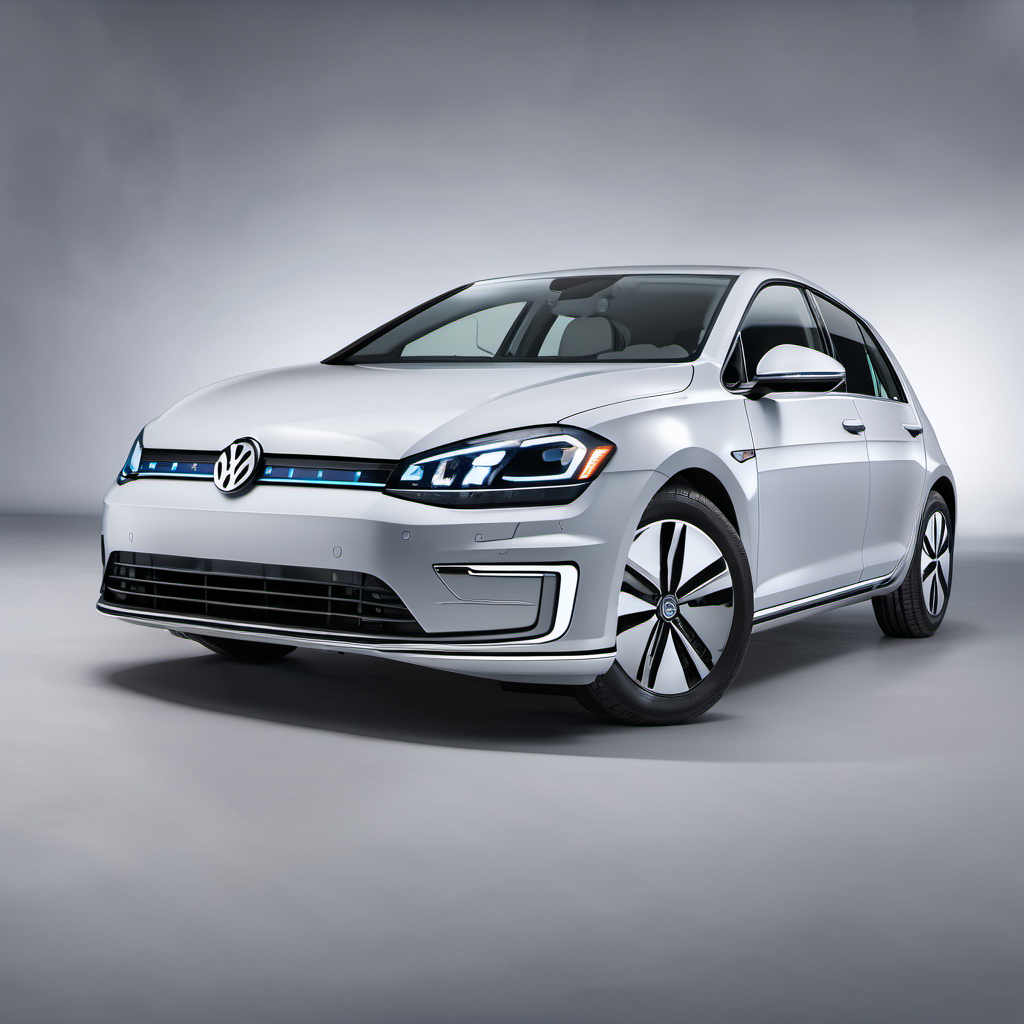
Golf-sized hatchback EV with ~125 mi range, CCS fast charging (more future-proof than CHAdeMO), and conventional Golf practicality. Comparable price used.
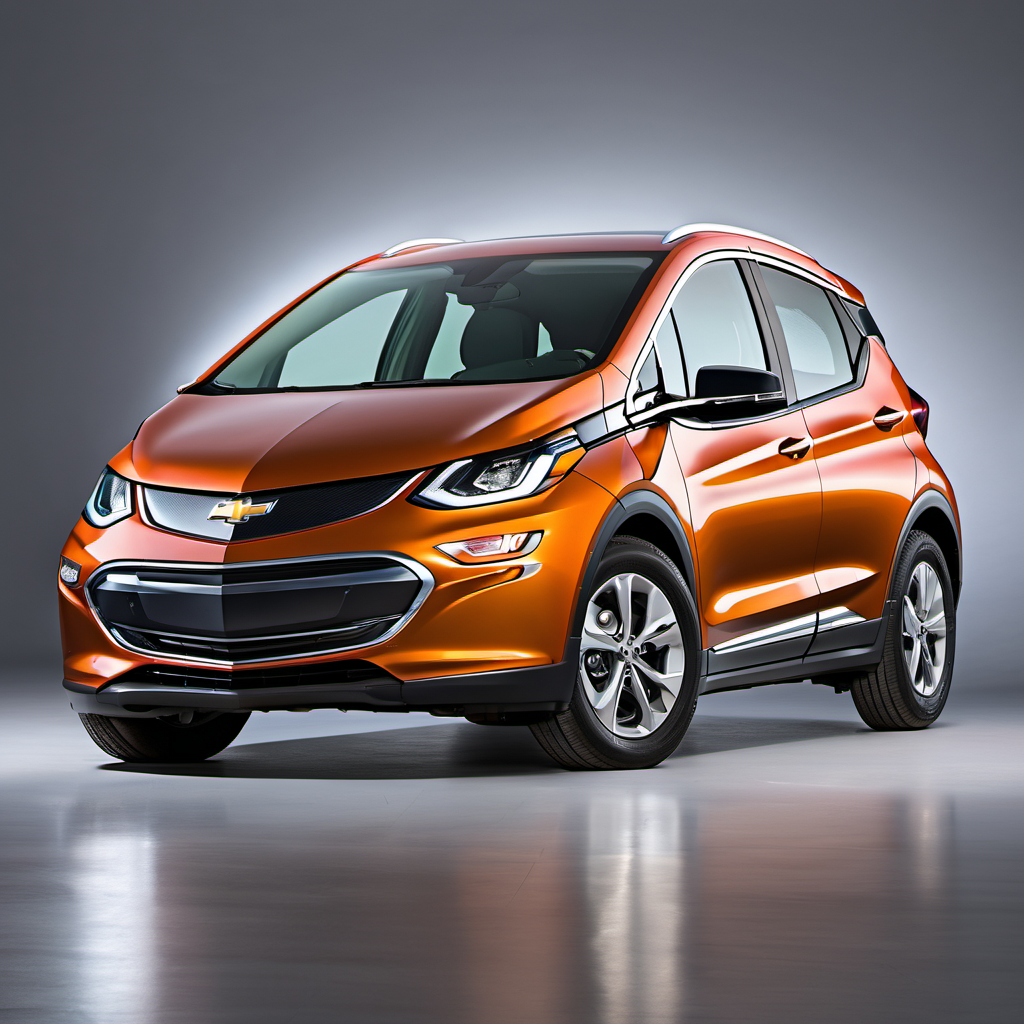
Step-up option in the same era — significantly longer range (~238 mi EPA), CCS charging, similar hatchback form factor. Costs more used but addresses the Soul EV's biggest limitation head-on.