High-voltage battery pack fire risk (recall)
low- Typically appears
- Any mileage
- Estimated repair
- $0
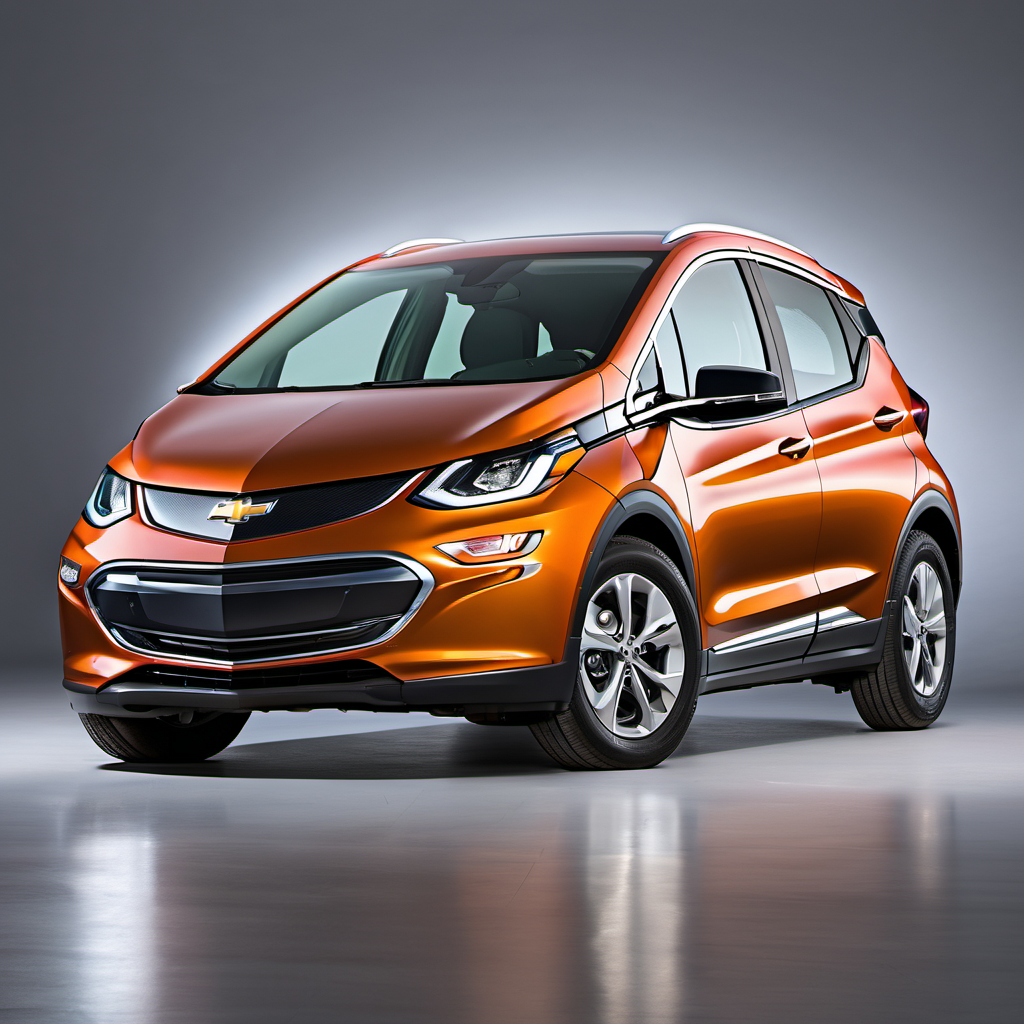
2018 Chevrolet
Hatchback
The 2018 Chevrolet Bolt EV is a purpose-built, all-electric five-door hatchback that arrived as one of the first affordable long-range EVs on the market. With a real-world range of around 230 miles on a full charge, it punched well above its price class at launch and gave everyday drivers a legitimate alternative to gasoline cars without range anxiety for most daily use. The Bolt is front-wheel drive, seats five, and uses a single electric motor producing 200 hp and 266 lb-ft of torque. It drives more like a sporty compact than an economy box — the instant torque makes it quick off the line, and the one-pedal driving mode (using heavy regenerative braking) is something owners either love immediately or come to love after a week. The 2018 model year is part of the first-generation Bolt that later became the subject of an important battery recall (2017–2019 affected). If you own or are buying a used 2018, confirming the battery recall repair status is the single most important thing you can do before anything else.
The 2018 Chevrolet Bolt EV is a purpose-built, all-electric five-door hatchback that arrived as one of the first affordable long-range EVs on the market. With a real-world range of around 230 miles on a full charge, it punched well above its price class at launch and gave everyday drivers a legitimate alternative to gasoline cars without range anxiety for most daily use. The Bolt is front-wheel drive, seats five, and uses a single electric motor producing 200 hp and 266 lb-ft of torque. It drives more like a sporty compact than an economy box — the instant torque makes it quick off the line, and the one-pedal driving mode (using heavy regenerative braking) is something owners either love immediately or come to love after a week. The 2018 model year is part of the first-generation Bolt that later became the subject of an important battery recall (2017–2019 affected). If you own or are buying a used 2018, confirming the battery recall repair status is the single most important thing you can do before anything else.
2018 Bolts are within the affected VIN range for the battery fire recall. Confirm completion via GM's recall lookup or your dealer before charging to 100% or parking indoors.
The heavy battery pack and strong front-motor torque wear front tires faster than most FWD cars. Regular rotation extends tire life significantly.
The 12V battery powers control modules and the high-voltage system wake-up circuit. A dead 12V can leave the car completely inoperable and trigger network fault codes.
The Bolt uses regenerative braking heavily, so hydraulic brakes see less use — but brake fluid still absorbs moisture over time and should be renewed on a calendar basis.
Because regen braking handles most stops, the hydraulic calipers rarely move. They can seize or corrode, especially with Wisconsin road salt. Annual inspection prevents uneven wear and expensive caliper replacement.
The Bolt's battery and drive unit use a liquid cooling loop. The coolant doesn't get dirty the way engine coolant does, but level and condition should still be checked periodically.
No engine air filter to worry about, but the cabin filter is the main air-quality item. Wisconsin road dust, pollen, and mold spores make this worth staying on top of.
Many Bolt improvements — including battery management parameters — were delivered via software update. Keeping software current is as important as any physical maintenance item.
Always defer to the manufacturer's service manual for warranty-mandated intervals.
The Bolt has among the lowest operating costs of any vehicle in its class. No oil changes, no spark plugs, no transmission fluid, minimal brake wear. The big financial wildcard on a used example is out-of-warranty high-voltage component failure — the drive unit and battery pack are expensive to replace, though both have shown good durability when the recall has been addressed. Annual costs run well below a comparable gasoline compact.
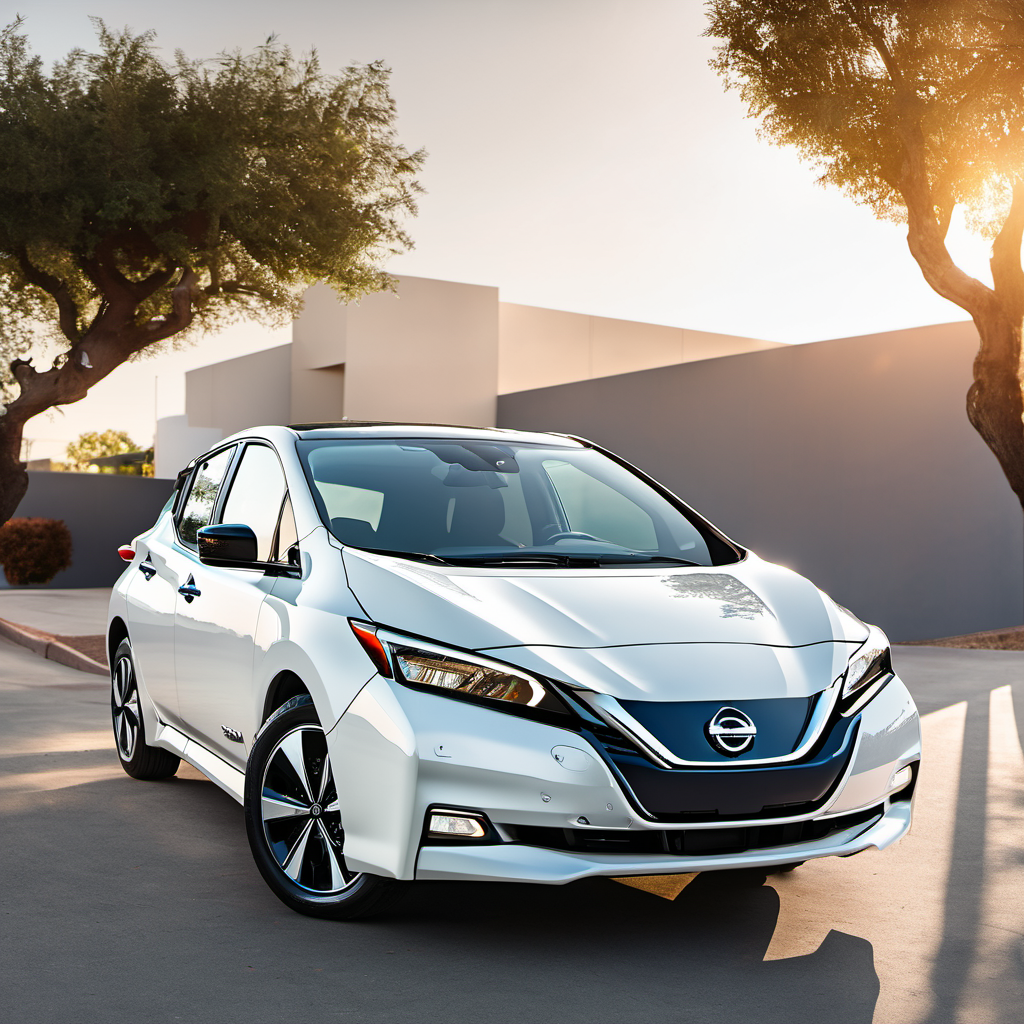
The other mainstream affordable EV of the era. Shorter range (~150 mi for base, ~226 mi for Plus), lower price, but also no active thermal management — similar cold-weather limitations. Worth cross-shopping used.
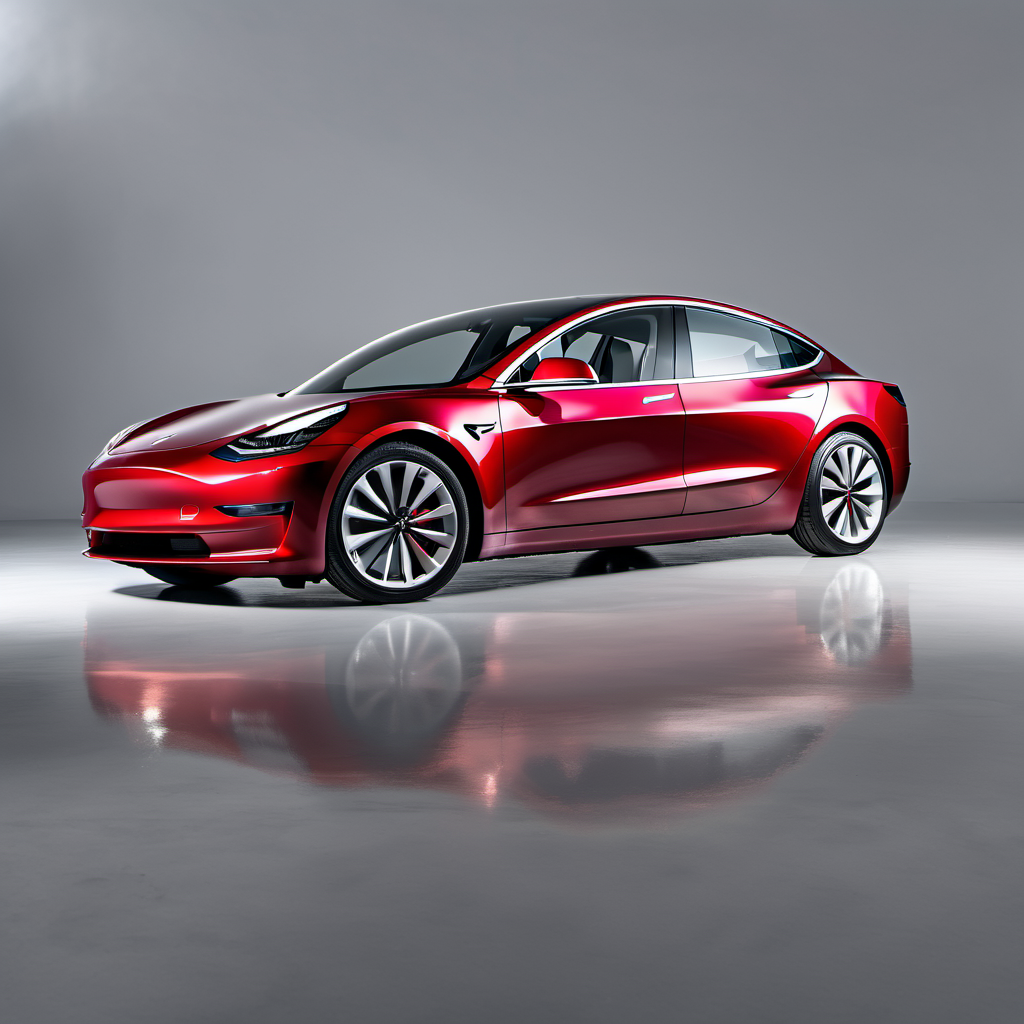
Arrived the same year at a higher price but with significantly faster DC charging (up to 250 kW), longer range, and a larger Supercharger network. A used Model 3 Standard Range is a direct competitor for buyers wanting more road-trip capability.
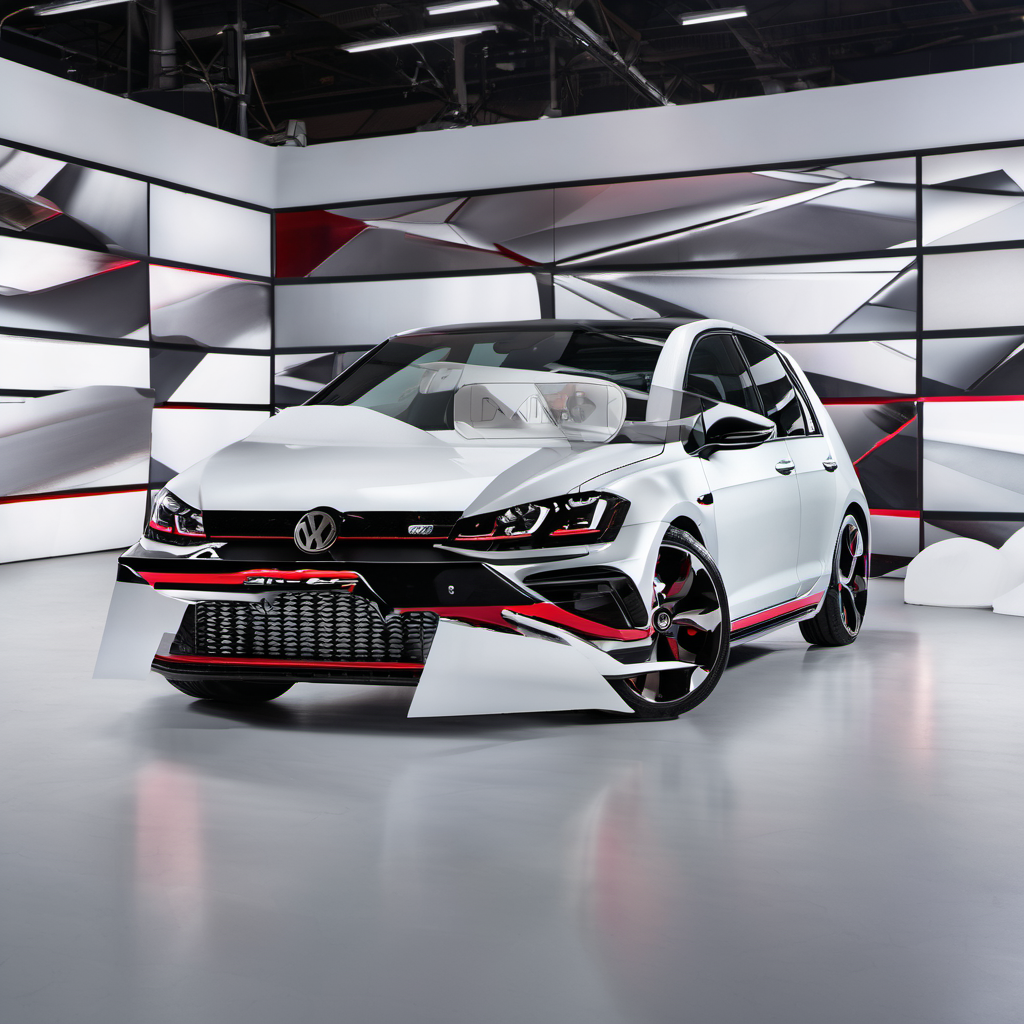
The gasoline Golf occupies the same compact hatchback segment and similar used-market price. Better long-distance flexibility and no range anxiety, but much higher fuel and maintenance costs. A reasonable alternative if charging infrastructure is a concern.
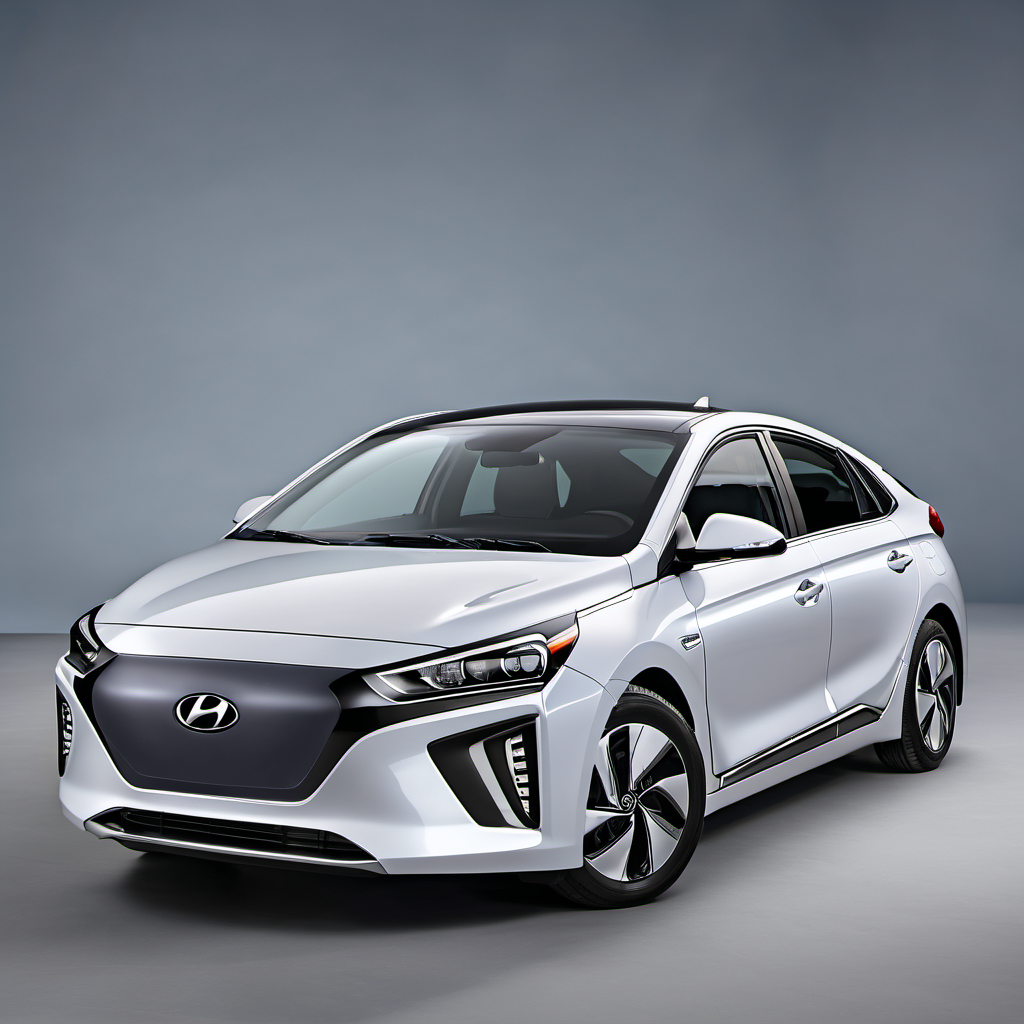
Smaller battery and shorter range (~124 mi), but excellent efficiency ratings and a strong reliability record. Better cold-weather performance than the Leaf. Good used-market value.