High-voltage battery capacity degradation
high- Typically appears
- 40,000–100k+ mi
- Estimated repair
- $5,000 – $15,000
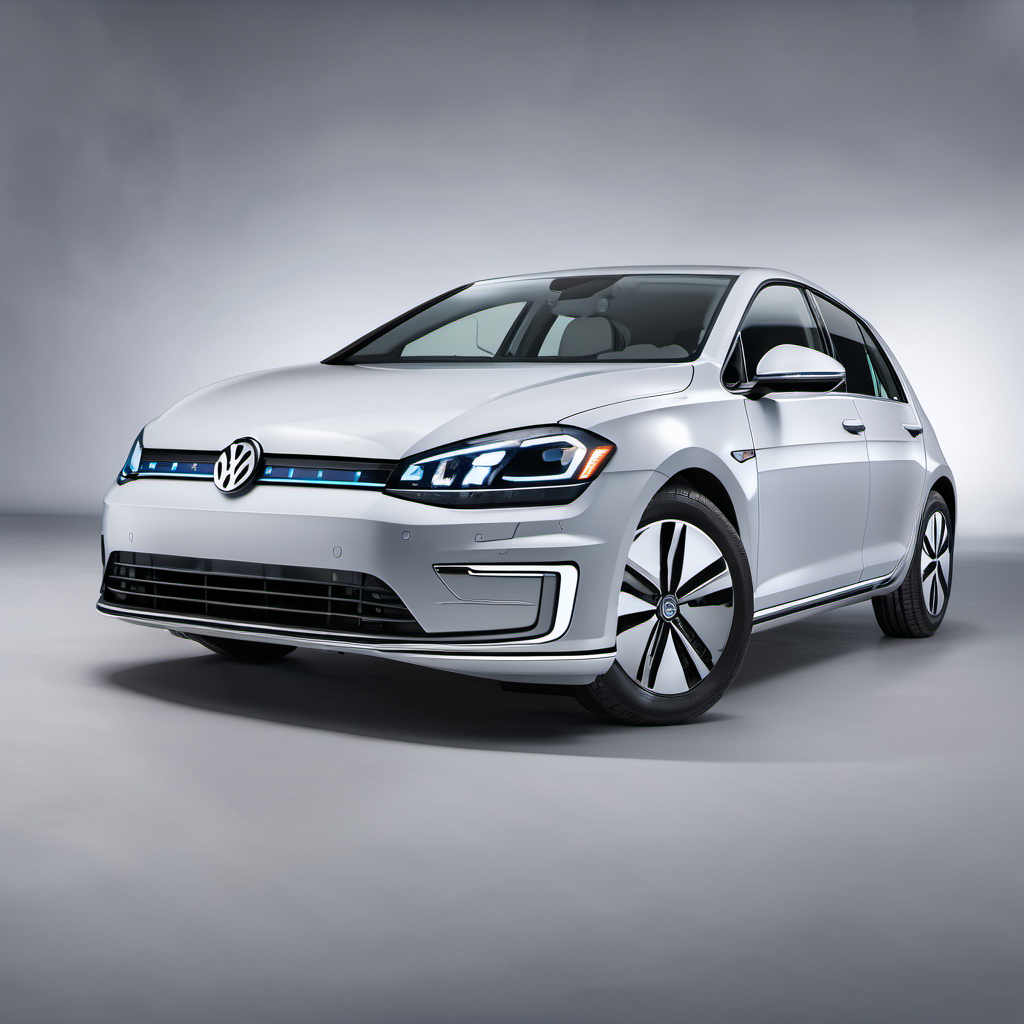
2018 Volkswagen
Electric Motor (single) · Hatchback
The 2018 Volkswagen e-Golf is the all-electric version of VW's iconic Golf hatchback, built on the MQB platform. For this model year, VW bumped the battery to 35.8 kWh (up from the earlier 24.2 kWh pack), pushing EPA range to 125 miles — a meaningful improvement that made the car genuinely usable for daily commuting. It drives and feels exactly like a Golf: composed, refined, and planted, but with the added smoothness of an electric drivetrain. The e-Golf was sold in limited markets and in relatively small numbers, which means the used market is thin and finding a VW-familiar independent shop matters. The interior is high-quality by compact-car standards, and the regenerative braking system is adjustable, which owners appreciate for maximizing range. Standard features for 2018 include LED headlights, a 9.2-inch touchscreen, and heated front seats — meaningful comfort in a Wisconsin winter. The big caveat for this vehicle is battery degradation over time. Like all EVs of this era, the e-Golf's 35.8 kWh pack will lose capacity with age and charge cycles. A used e-Golf at 4–6 years old may deliver meaningfully less than 125 miles of range, and Wisconsin winters will shrink that further. Anyone buying used should get a battery state-of-health check before purchasing.
The 2018 Volkswagen e-Golf is the all-electric version of VW's iconic Golf hatchback, built on the MQB platform. For this model year, VW bumped the battery to 35.8 kWh (up from the earlier 24.2 kWh pack), pushing EPA range to 125 miles — a meaningful improvement that made the car genuinely usable for daily commuting. It drives and feels exactly like a Golf: composed, refined, and planted, but with the added smoothness of an electric drivetrain. The e-Golf was sold in limited markets and in relatively small numbers, which means the used market is thin and finding a VW-familiar independent shop matters. The interior is high-quality by compact-car standards, and the regenerative braking system is adjustable, which owners appreciate for maximizing range. Standard features for 2018 include LED headlights, a 9.2-inch touchscreen, and heated front seats — meaningful comfort in a Wisconsin winter. The big caveat for this vehicle is battery degradation over time. Like all EVs of this era, the e-Golf's 35.8 kWh pack will lose capacity with age and charge cycles. A used e-Golf at 4–6 years old may deliver meaningfully less than 125 miles of range, and Wisconsin winters will shrink that further. Anyone buying used should get a battery state-of-health check before purchasing.
Regenerative braking means brake pads last much longer, but the hydraulic fluid still absorbs moisture over time. Wet fluid lowers boiling point — a real concern if regen fails and you rely on friction brakes hard.
The e-Golf runs all low-voltage systems (lights, locks, computers) off a standard 12V battery. This battery works harder than in most EVs because the main pack doesn't trickle-charge it continuously. Failure leaves the car unable to power on, even with a full HV pack.
The HV battery has its own dedicated cooling circuit with a separate coolant reservoir. Neglecting it can cause overheating events that accelerate irreversible battery degradation.
The heat pump and electric HVAC are the largest range consumers in cold weather. A clogged cabin filter forces the blower to work harder and pulls more energy from the pack.
Running the heater off grid power instead of battery power preserves range. In Wisconsin winters, this can recover 15–25 miles of usable range on a cold morning.
The e-Golf's wiper system is standard 12V. Lake Geneva winters demand full-freeze protection fluid and fresh blades — there is no engine heat to help clear the windshield.
The e-Golf is FWD and relatively heavy due to the battery pack. Winter tires make a significant handling difference on snow and ice. Cold air also drops tire pressure roughly 1 PSI per 10°F — check pressure frequently in winter.
SoH tells you what percentage of original capacity the pack retains. Below ~75% SoH, real-world range is noticeably limited. This is the single most important data point for any used e-Golf buyer or owner planning a long hold.
Always defer to the manufacturer's service manual for warranty-mandated intervals.
Day-to-day running costs for the e-Golf are genuinely low — no oil changes, no spark plugs, cheap 'fuel.' The financial risk is concentrated in the HV battery pack. If it needs replacement out of warranty, costs can rival or exceed the car's market value. Budget accordingly and keep VW's battery warranty status (8 years / 100,000 miles federal minimum) in mind when buying used.
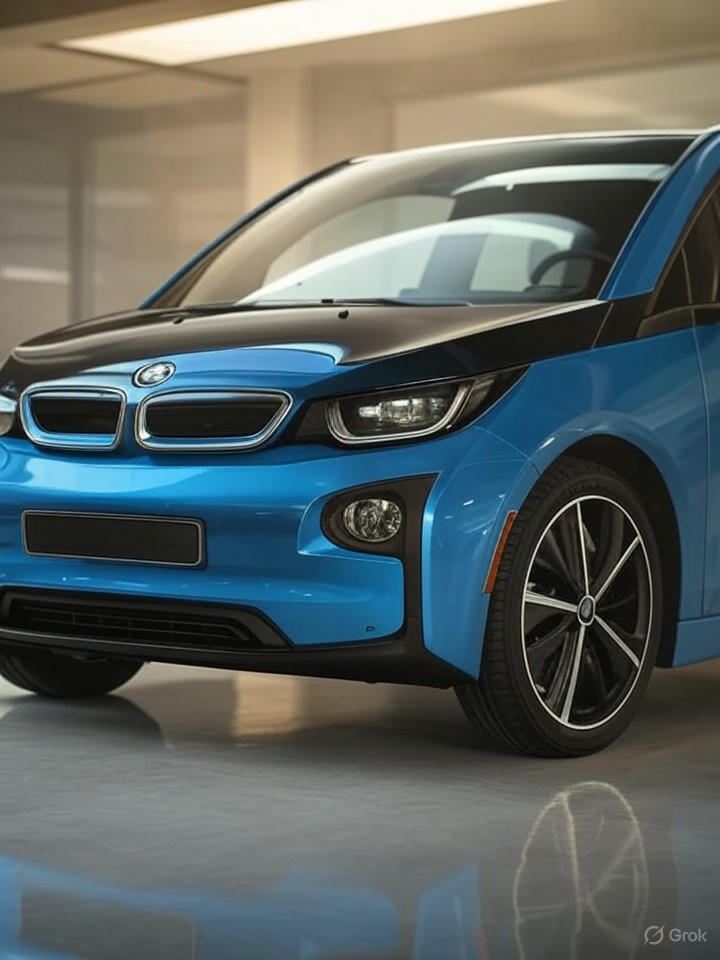
Similar real-world urban EV range, premium compact hatchback positioning, and comparable used pricing. Also has a small but dedicated enthusiast/tech community.
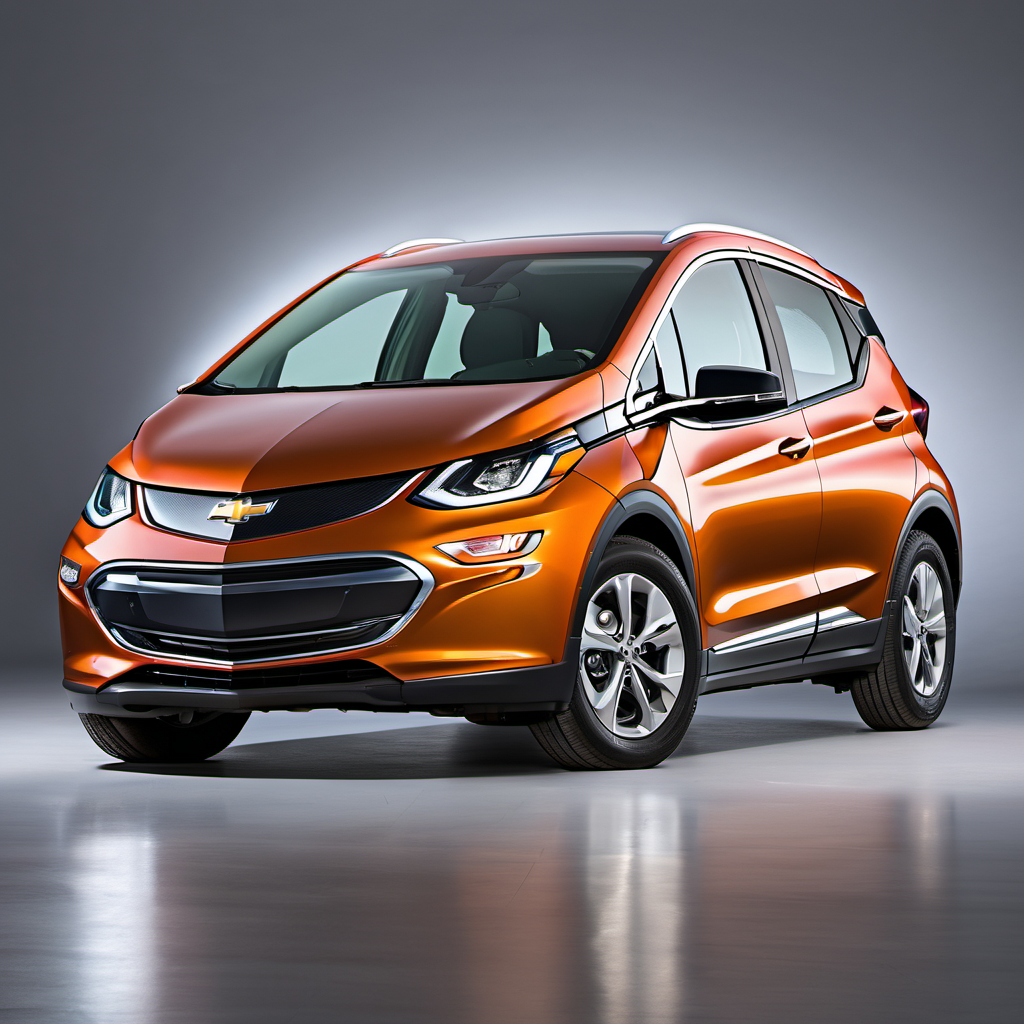
Same model year, similar price bracket, but notably longer EPA range (~238 mi). Better cold-weather range buffer for Wisconsin drivers; stronger dealer/parts network in the Midwest.
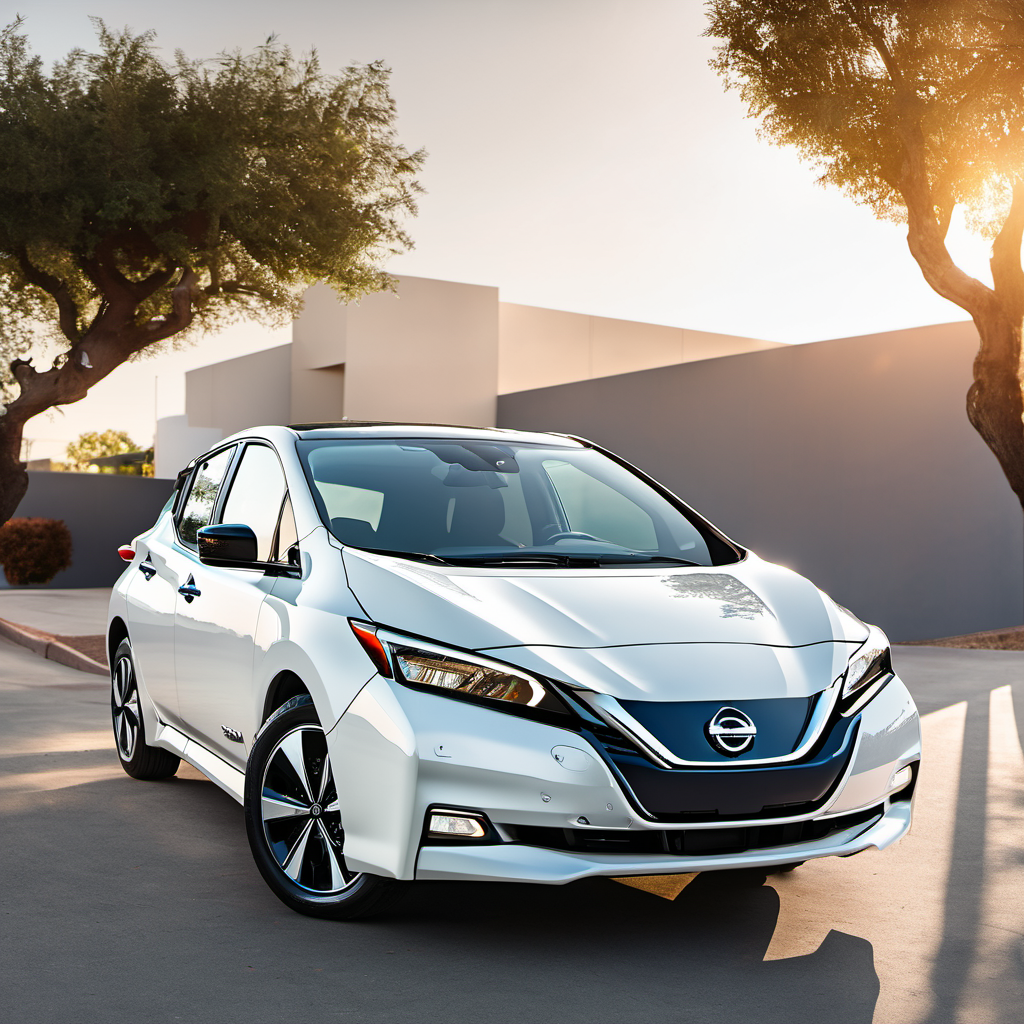
Direct competitor in the compact EV hatchback segment. The 2018 40 kWh LEAF offers comparable range, lower entry price, and a larger owner community — though it lacks active battery thermal management, which hurts long-term degradation.
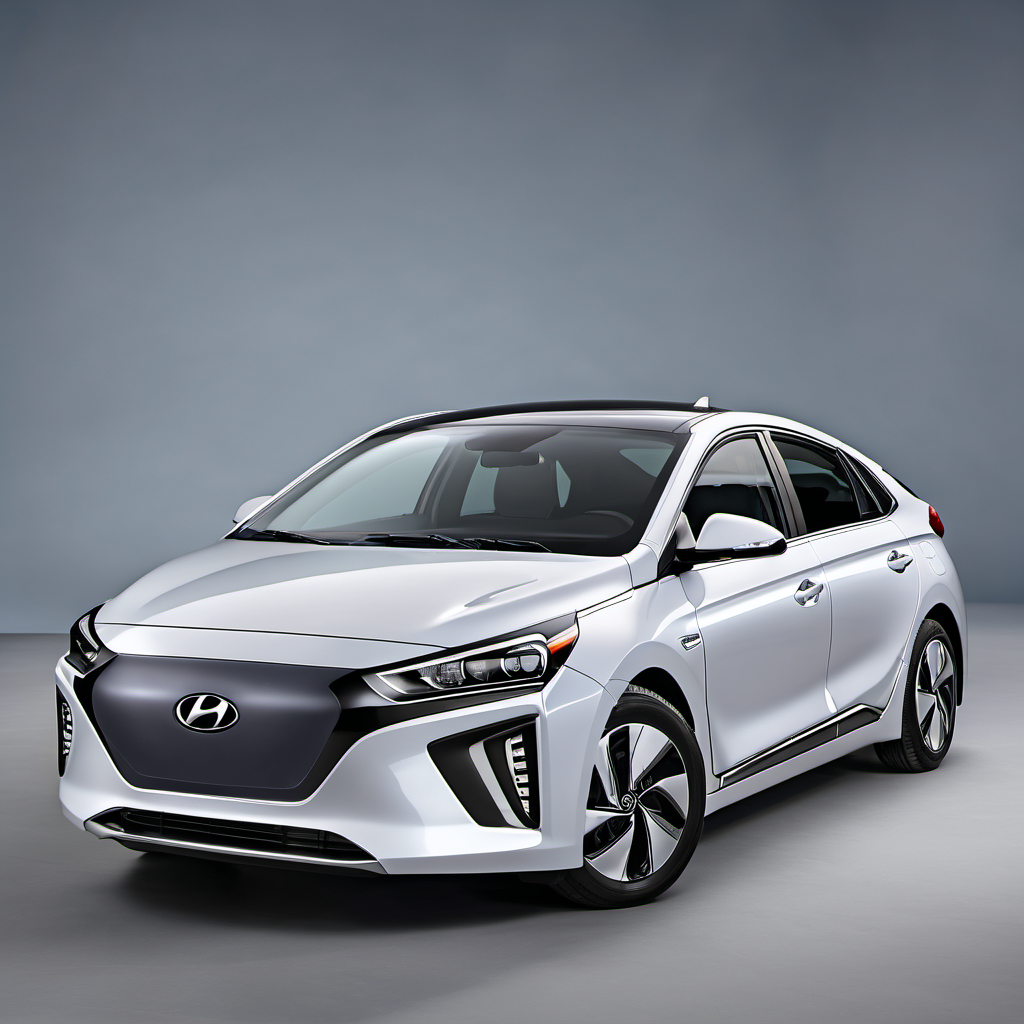
Comparable range and efficiency in a similarly sized package. Hyundai's EV reliability record and parts availability edge out VW's in the upper Midwest, and the Ioniq consistently scores well for battery longevity.