VVT-i Oil Control Valve (OCV) Sludge / Camshaft Timing Codes
medium- Typically appears
- 60–120k mi
- Estimated repair
- $150 – $600
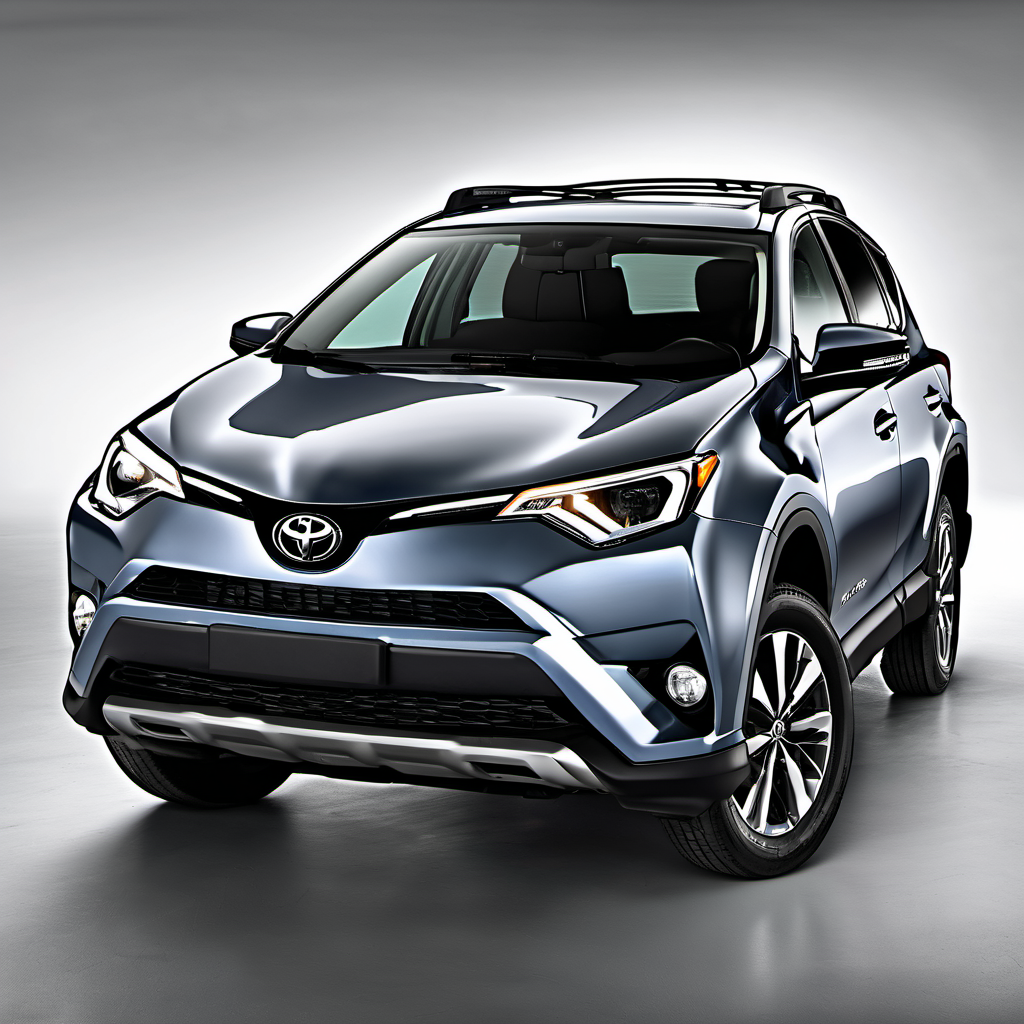
2017 Toyota
2.5L I4 · SUV
The 2017 Toyota RAV4 is the fourth-generation of Toyota's best-selling compact SUV, sitting in the sweet spot between a car-like ride and practical utility. It was refreshed for 2016 with a sharper exterior, improved interior materials, and expanded tech features — the 2017 carries those improvements forward with minor updates. Powertrain choices include a 2.5L four-cylinder with front- or all-wheel drive, or a hybrid variant pairing that engine with an electric motor system. For Lake Geneva-area buyers, the AWD version is a natural fit — the system automatically distributes torque to the rear wheels when fronts slip, making it genuinely capable on snow-covered roads without requiring driver input. Cargo space is competitive, ride quality is comfortable for daily use, and long-term ownership costs are among the lowest in the segment. The RAV4 benefits from Toyota's track record of engine and transmission durability. Most owners report hitting 150k–200k+ miles with routine maintenance. It's not sporty and the interior is utilitarian compared to some rivals, but it delivers consistent, low-drama transportation.
The 2017 Toyota RAV4 is the fourth-generation of Toyota's best-selling compact SUV, sitting in the sweet spot between a car-like ride and practical utility. It was refreshed for 2016 with a sharper exterior, improved interior materials, and expanded tech features — the 2017 carries those improvements forward with minor updates. Powertrain choices include a 2.5L four-cylinder with front- or all-wheel drive, or a hybrid variant pairing that engine with an electric motor system. For Lake Geneva-area buyers, the AWD version is a natural fit — the system automatically distributes torque to the rear wheels when fronts slip, making it genuinely capable on snow-covered roads without requiring driver input. Cargo space is competitive, ride quality is comfortable for daily use, and long-term ownership costs are among the lowest in the segment. The RAV4 benefits from Toyota's track record of engine and transmission durability. Most owners report hitting 150k–200k+ miles with routine maintenance. It's not sporty and the interior is utilitarian compared to some rivals, but it delivers consistent, low-drama transportation.
The 2AR-FE engine's VVT-i system depends on clean oil. Sludge from extended intervals is the #1 cause of P0012/P0015 codes and premature VVT wear. Toyota's 10k-mile OLM interval is optimistic for high-mileage or Midwest stop-and-go driving — 5k-mile intervals are cheap insurance.
Wisconsin road dust, cottonwood, and road debris clog both filters faster than the service manual assumes. A clogged cabin filter strains the blower motor; a dirty engine filter affects fuel economy.
Brake fluid is hygroscopic — it absorbs moisture over time, lowering its boiling point. In a vehicle used for winter driving with frequent wet conditions, moisture contamination happens faster than in dry climates.
The rear AWD coupling fluid is often overlooked. Fresh fluid prevents premature wear of the electromagnetic clutch plates and reduces the risk of shudder or coupling failure.
Factory iridium plugs are rated for 60k miles. Worn plugs increase misfires and slightly reduce fuel economy. Stick to the OEM-spec plug type.
Rear calipers corrode quickly with road salt exposure. Cleaning and lubricating slide pins at every rotation prevents seized calipers, which are a leading cause of premature rear brake wear on this generation RAV4.
Toyota Super Long Life Coolant is good to 100k miles initially, but the system should be inspected for contamination or low level annually given Wisconsin freeze risk. Never mix coolant types.
Cold cranking amps drop significantly below 0°F. A battery that tests 'ok' in summer can leave you stranded at -10°F. Most batteries need replacement by 4–5 years in Wisconsin's climate.
Always defer to the manufacturer's service manual for warranty-mandated intervals.
The RAV4 is one of the cheapest compact SUVs to own long-term. Parts are widely available, labor is straightforward, and the powertrain rarely needs major work before 150k miles when maintained properly. Expect normal wear items (brakes, tires, wipers, battery) to be the bulk of annual costs. A well-maintained example should not surprise you with expensive repairs before 120k miles.
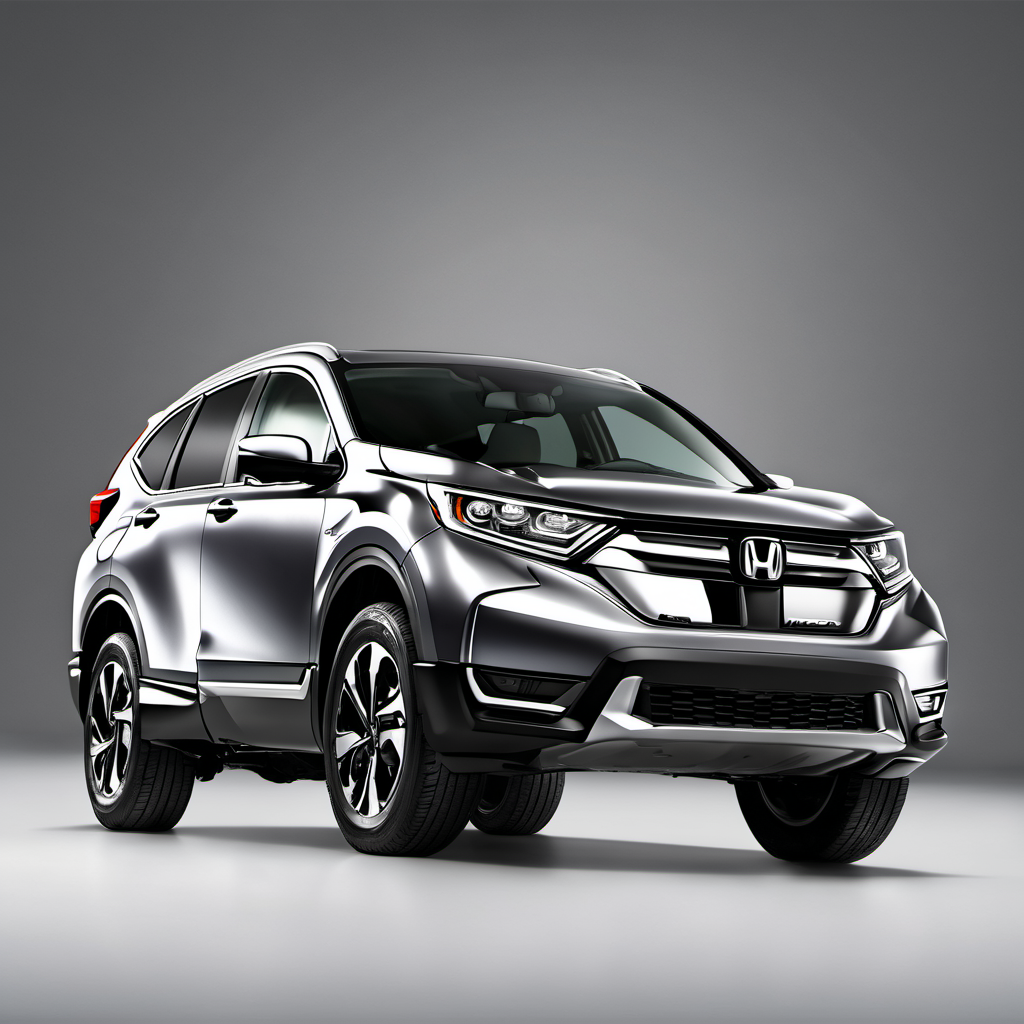
Direct competitor in the compact SUV segment. The 2017 CR-V was fully redesigned with a turbocharged 1.5L engine offering better fuel economy. More car-like to drive but slightly less cargo space. Equally reliable long-term.
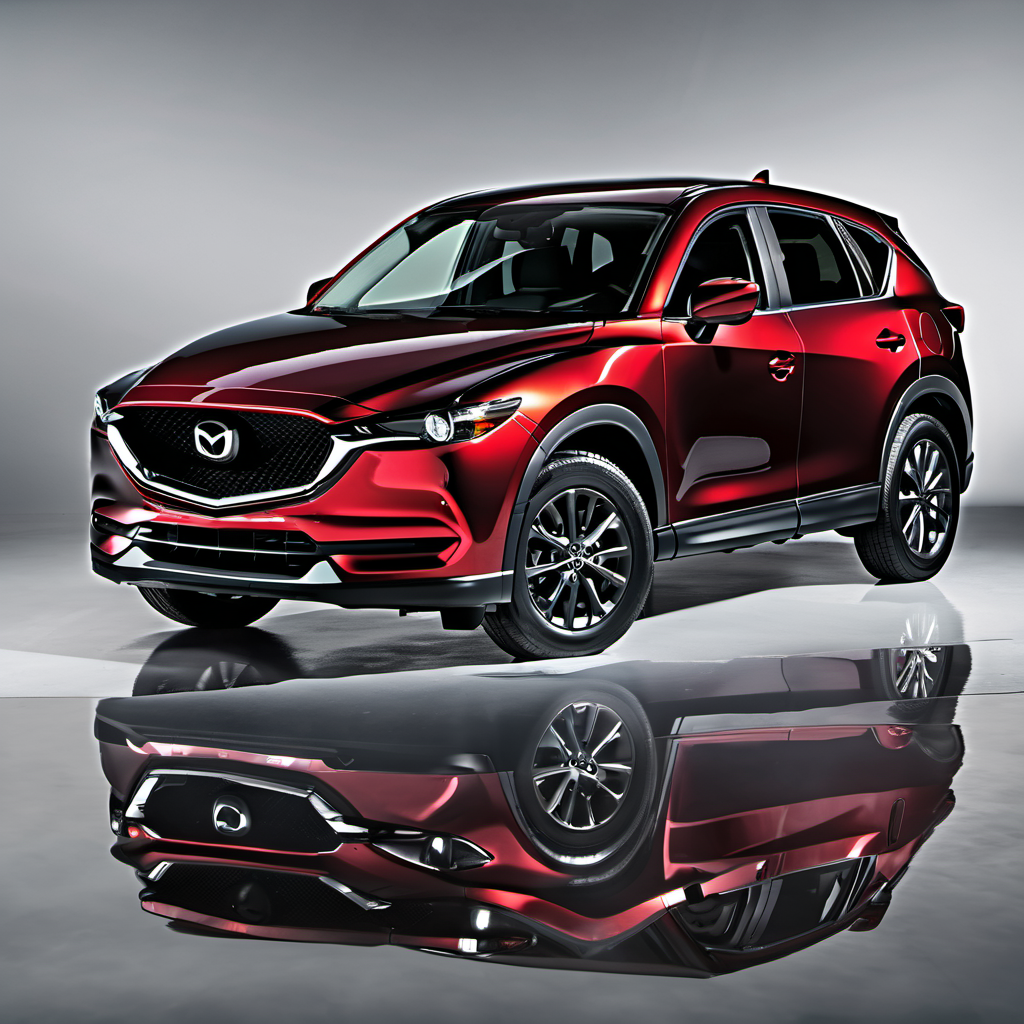
Premium feel at a similar price point. Better driving dynamics and fuel economy than the RAV4. Slightly smaller interior but higher-quality materials. Strong reliability record, though parts cost slightly more.
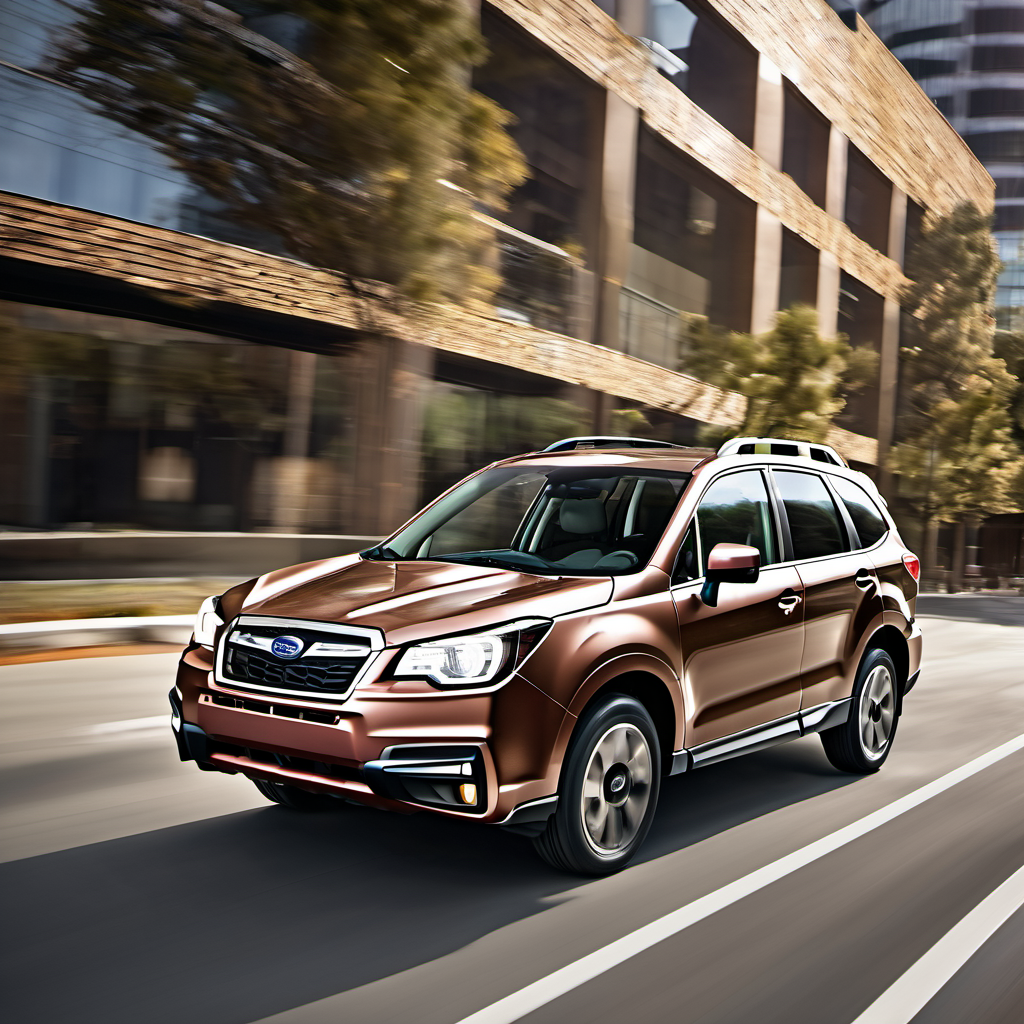
Standard AWD on every trim makes it a natural Wisconsin winter choice. Excellent outward visibility. However, the 2.5L boxer engine is prone to head gasket issues on higher-mileage examples — inspect carefully on used purchases.
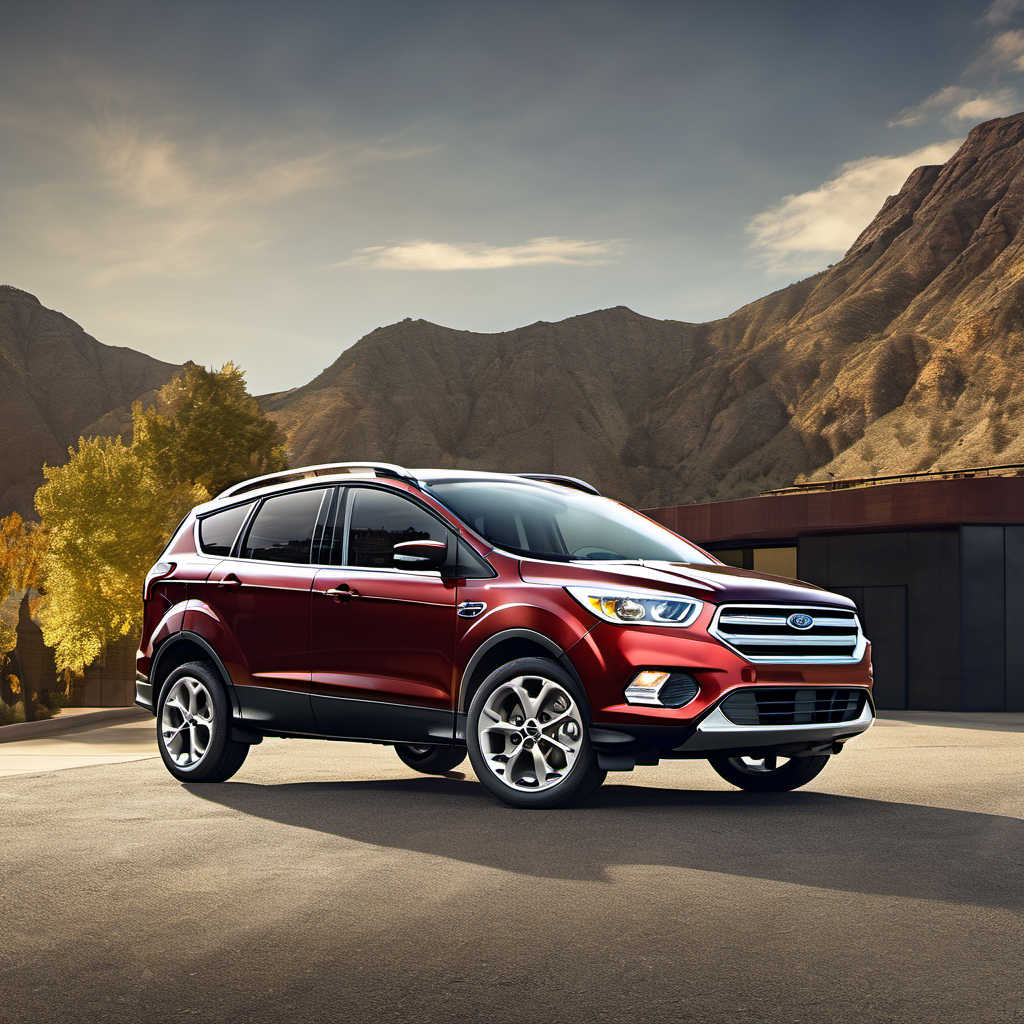
More car-like driving feel with available EcoBoost turbocharged engines. Slightly lower base price, but higher long-term ownership costs due to more frequent repairs on the 1.5L and 2.0L EcoBoost engines compared to the RAV4's naturally aspirated 2.5L.