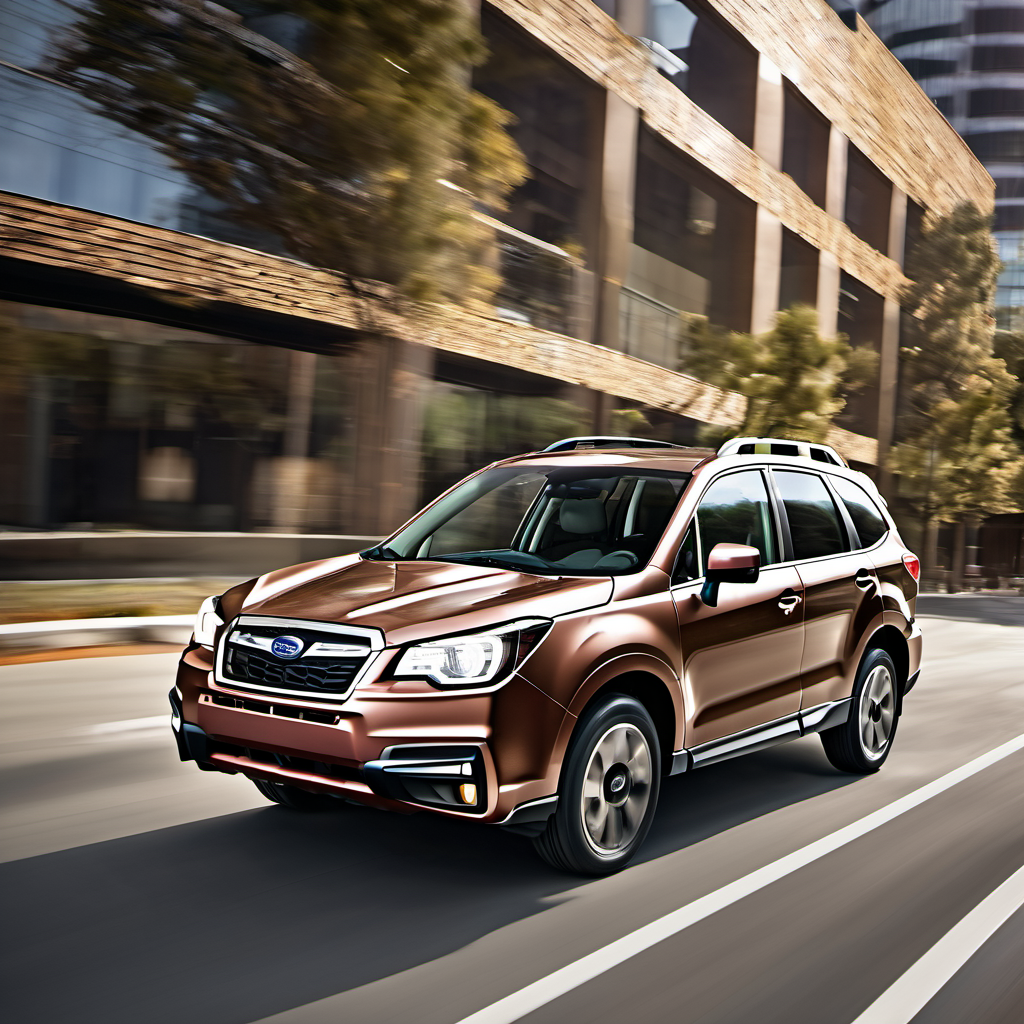
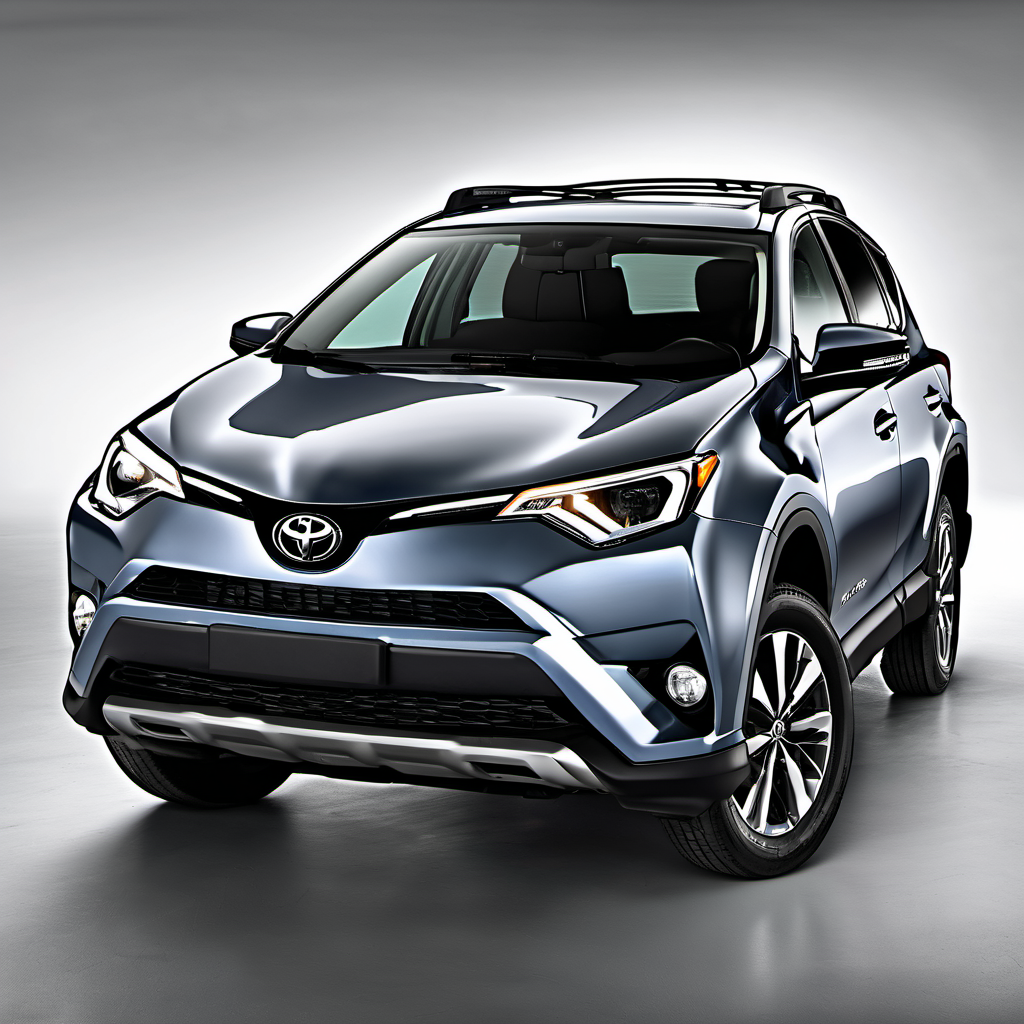
2017 Subaru Forester SUV

2017 Subaru

ForesterSUV

2.5L H4 · SUV

The 2017 Subaru Forester is the third model year of the fourth-generation (SJ) body style, which ran from 2014 through 2018. It strikes a practical balance between car-like handling and genuine all-weather capability, built around Subaru's standard symmetrical AWD and a tall, boxy roofline that gives it best-in-class headroom and visibility for its segment. It's a workhorse family crossover, not a luxury statement. The base and most common engine is the 2.5L naturally aspirated boxer four paired to a CVT — smooth enough for daily driving and reliably frugal on fuel. A turbocharged 2.0L XT variant is available for drivers who want more punch, though it adds complexity and running costs. The 2017 model year benefits from a mid-cycle refresh that brought updated safety tech including EyeSight driver-assist on higher trims. For Lake Geneva area drivers, the Forester earns its keep: symmetrical AWD with good ground clearance handles Wisconsin winters confidently, and the boxer engine's low center of gravity aids stability on slick roads. Long-term ownership costs are reasonable as long as head gaskets and CVT fluid are kept up.

Reliability
4/5
Verified data
Specs shown for Forester AWD — the most common configuration. Other trims may vary in engine, drivetrain, or fuel economy. Sign in to see your vehicle's exact specs.
Engine
[object Object]
Drivetrain
AWD
Fuel
Gasoline
MPG
26 city / 32 hwy / 28 combined
Seats
5
Doors
4
Body
SUV
MSRP
$22,795

Overview

AI-curated

The 2017 Subaru Forester is the third model year of the fourth-generation (SJ) body style, which ran from 2014 through 2018. It strikes a practical balance between car-like handling and genuine all-weather capability, built around Subaru's standard symmetrical AWD and a tall, boxy roofline that gives it best-in-class headroom and visibility for its segment. It's a workhorse family crossover, not a luxury statement. The base and most common engine is the 2.5L naturally aspirated boxer four paired to a CVT — smooth enough for daily driving and reliably frugal on fuel. A turbocharged 2.0L XT variant is available for drivers who want more punch, though it adds complexity and running costs. The 2017 model year benefits from a mid-cycle refresh that brought updated safety tech including EyeSight driver-assist on higher trims. For Lake Geneva area drivers, the Forester earns its keep: symmetrical AWD with good ground clearance handles Wisconsin winters confidently, and the boxer engine's low center of gravity aids stability on slick roads. Long-term ownership costs are reasonable as long as head gaskets and CVT fluid are kept up.

Known for
  • Symmetrical AWD standard on every trim
  • Exceptional outward visibility and headroom for the segment
  • EyeSight pre-collision and lane-keep tech on 2017 refresh trims
  • Practical, square cargo area with low load floor
  • Peppy turbocharged XT option
Best for
  • Families needing reliable year-round AWD without truck costs
  • Dog owners and outdoor enthusiasts who haul gear
  • Commuters in snow country who want car-like fuel economy
  • Buyers prioritizing visibility and ease of parking
Watch for
  • Head gasket history on the 2.5L — especially pre-2015 engines; 2017 is improved but not immune
  • CVT longevity is fluid-change dependent — many owners skip this service
  • XT turbo oil consumption if not checked regularly
  • Rust on undercarriage and wheel wells in salt-belt states
  • EyeSight camera calibration required after any windshield work — not cheap

Common issues by mileage

6 known

CVT shudder / slipping

medium
Typically appears
80–130k mi
Estimated repair
$1,800 – $4,500

Head gasket seepage (2.5L NA)

medium
Typically appears
100–160k mi
Estimated repair
$1,200 – $2,200

Oxygen / A/F sensor heater circuit failure

low
Typically appears
80–150k mi
Estimated repair
$150 – $400

Undercarriage / wheel well rust (salt-belt)

high
Typically appears
40k mi and up
Estimated repair
$300 – $1,500

EyeSight camera fogging / calibration loss

low
Typically appears
Any mileage
Estimated repair
$200 – $600

Maintenance schedule

  1. 1
    Every 6 months or 6,000 miles Engine oil change (full synthetic 0W-20)

    The 2.5L boxer is sensitive to oil quality and level. Low oil accelerates AVCS sludging and head gasket issues. Don't stretch intervals.

  2. 2
    Every 30,000–40,000 miles CVT fluid change

    Subaru marks this 'lifetime' fluid but independent shops and Subaru enthusiasts strongly recommend changing it. Neglected CVT fluid is the #1 cause of premature CVT failure.

  3. 3
    Every 30,000 miles or 2 years Coolant system inspection and flush

    Boxer engines run warm; degraded coolant accelerates head gasket wear on the 2.5L. Use Subaru Super Coolant or equivalent long-life formula.

  4. 4
    Every 60,000 miles Spark plug replacement

    Boxer-layout plugs are harder to access — labor is higher than average. Doing all four at once on schedule avoids misfires and ignition-related codes.

  5. 5
    Every 2 years Brake fluid flush

    Wisconsin winters are hard on brake hardware and fluid absorbs moisture quickly in high-humidity summers. Wet fluid raises boiling point concerns on hilly terrain.

  6. 6
    Every 30,000 miles Differential and transmission fluid check (front/rear/center)

    AWD system relies on clean gear fluids. Neglecting this causes clutch chatter and premature differential wear, especially if the vehicle sees off-pavement use.

  7. 7
    Every 15,000–20,000 miles or annually Cabin air filter replacement

    EyeSight camera is mounted near the rearview mirror, close to the HVAC vent. A clogged cabin filter reduces defogging performance and can cause camera fogging in cold weather.

  8. 8
    Monthly during winter; full inspection each spring Undercarriage wash and inspection

    Lake Geneva roads see heavy salt brine. The Forester's subframe, brake lines, and wheel well liners are known rust targets. Catching it early is dramatically cheaper than addressing structural rust.

Always defer to the manufacturer's service manual for warranty-mandated intervals.

Cost of ownership

Annual maintenance
$600 – $1,100
Fuel
At 28 MPG combined and ~15,000 miles/year, expect roughly $1,500–$1,800/year at current mid-grade Midwest pump prices.
Insurance
Typically moderate — the Forester rates well for safety but AWD adds slight premium. Expect $900–$1,400/year for a typical Wisconsin driver with a clean record.

The 2017 Forester is a genuinely affordable vehicle to maintain when service is kept up. The big cost wildcards are CVT replacement (which you can largely avoid with fluid changes) and head gasket work if the cooling system is neglected. Budget for a CVT fluid service if you're buying used with unknown history — it's cheap insurance.
Seasonal care

Lake Geneva, WI
Winter
  • Switch to dedicated winter tires — the AWD system improves traction but doesn't help you stop. All-season tires on snow-packed roads around Lake Geneva are a real safety compromise.
  • Test the battery in October. The 2.5L boxer cranks hard at sub-zero temps; a marginal battery that starts fine in October will fail in January.
  • Use winter-rated washer fluid rated to at least -20°F. The Forester's tall windshield collects road spray quickly and a frozen washer nozzle is a visibility hazard.
  • Let the engine warm up briefly (60–90 seconds) before driving in extreme cold — the CVT needs time to warm its fluid before load is applied.
  • Inspect and clear the hood louvers and underhood area after heavy snowfall; impacted snow can reduce airflow and affect sensor operation.
  • Apply undercarriage anti-rust spray or rinse the undercarriage after every significant salt event to protect brake lines and subframe.
Summer
  • Check tire pressure monthly — tires gain roughly 1 PSI for every 10°F increase in ambient temperature. Overinflation in summer heat reduces contact patch and braking ability.
  • Inspect the A/C system each spring; recharge if output is weak. The Forester's cabin heats up fast with its large glass area — a functioning A/C is not optional comfort, it's a safety issue on hot days with kids or pets.
  • Check coolant level and condition before summer. A borderline head gasket will often first show symptoms under summer heat load.
  • Inspect the EyeSight camera lens area for UV haze or fogging on the windshield — summer sun can accelerate interior film buildup that impairs camera performance.

Comparable vehicles

If you're shopping for one

Red flags
  • No record of CVT fluid changes — budget for immediate service and potential future CVT replacement.
  • Overheating history or repeatedly replaced coolant overflow bottles — suggests chronic head gasket trouble.
  • Rust on the rear subframe or brake lines — structural rust repair can cost more than the vehicle is worth.
  • Cracked or crazed EyeSight camera area on windshield — windshield replacement plus recalibration runs $600–$1,200.
  • Check engine light with P0012, P0015, P0022, or P0025 codes — camshaft timing faults can indicate low-oil damage to the AVCS system.
What to inspect
  • Pull the oil dipstick — look for milky residue or a low level, both pointing to head gasket issues.
  • Check for coolant smell from the heater or white exhaust smoke on cold start — early head gasket seepage signs.
  • Test drive at highway speed and note any CVT shudder, hesitation, or hunting — ask for a CVT fluid change history.
  • Inspect all four wheel wells and the subframe for rust, especially the rear subframe mounting points — common salt-belt failure area.
  • Verify EyeSight functions: both cameras should show no fogging or crazing on the windshield interior, and the system should activate normally.
  • Check oil consumption: ask if the owner adds oil between changes. Turbocharged XT models especially should be watched.
AI profile generated 20 days ago · claude-sonnet-4-6 · v2.