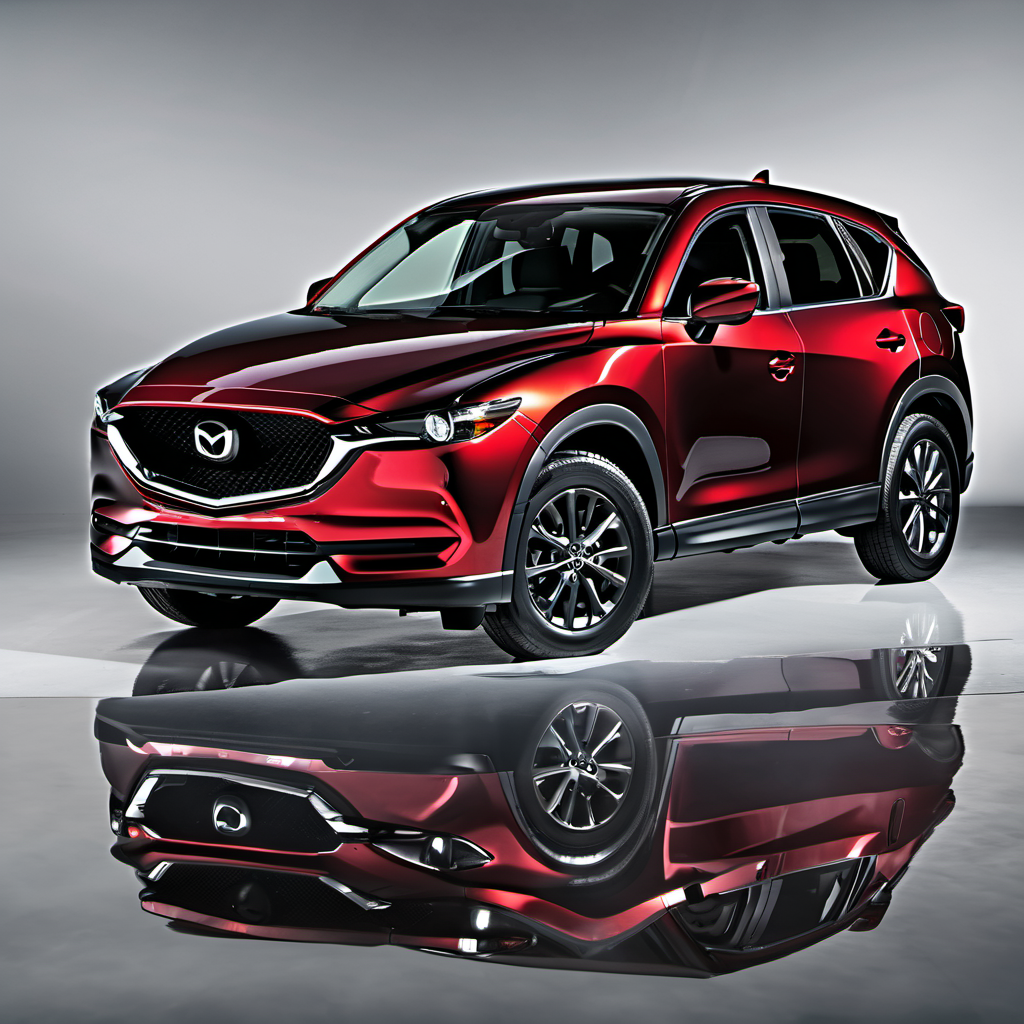
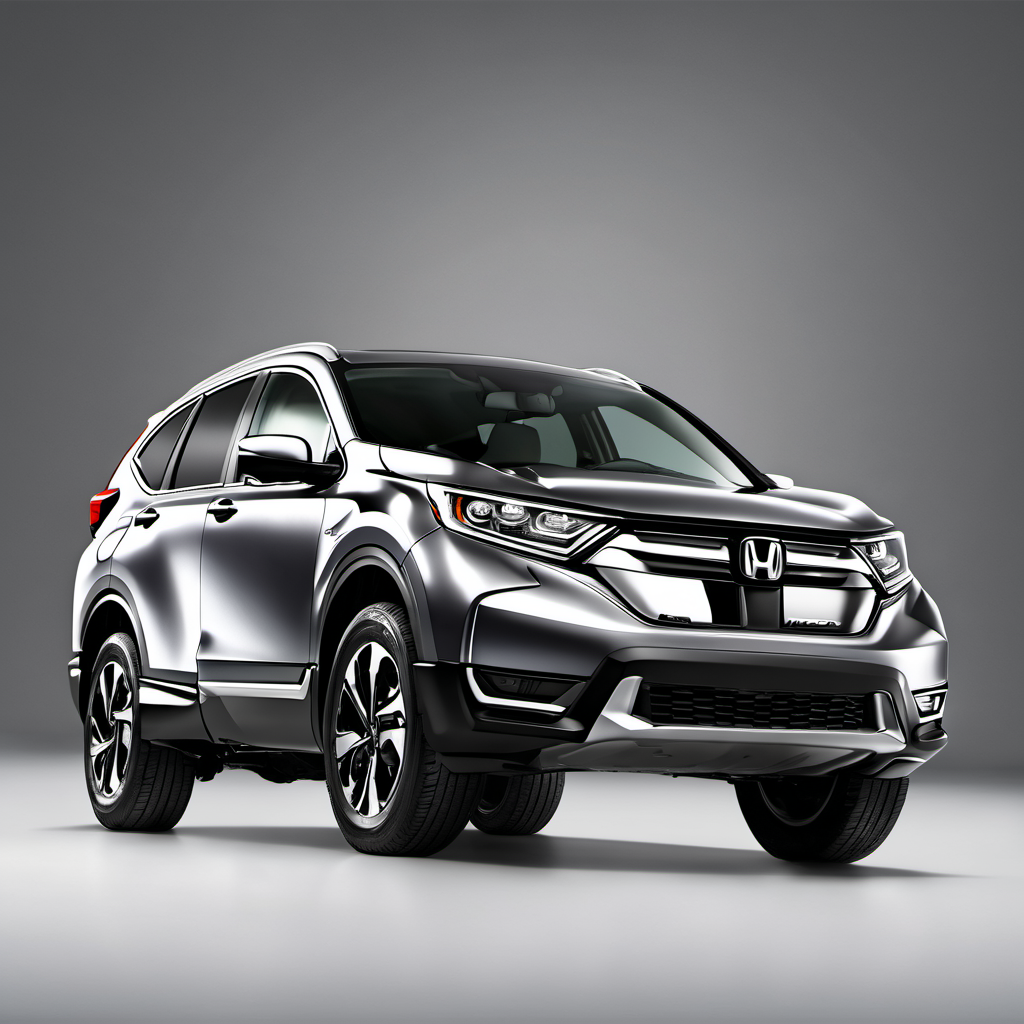
2017 MAZDA CX-5 SUV

2017 MAZDA

CX-5SUV

SUV

The 2017 Mazda CX-5 is the second-generation version of Mazda's best-selling compact crossover. It carries over the SKYACTIV platform with a refined interior, a notably driver-focused feel rare in the segment, and strong fuel economy. Compared to most compact SUVs, the CX-5 feels more like a car to drive and less like a tall grocery-getter — steering is precise, body roll is well-controlled, and cabin quality punches above the price point. For 2017 Mazda freshened the exterior styling, upgraded interior materials significantly, and added G-Vectoring Control (GVC) to all trims — a subtle torque-modulation system that smooths cornering without you ever noticing it working. The 2.5L SKYACTIV-G four-cylinder is the standard engine across most trims, delivering a good balance of power and efficiency. This is a genuinely well-rounded vehicle. It's not the most spacious in class and the infotainment rotary controller frustrates some buyers, but long-term owners consistently praise reliability, ride quality, and how little drama the car generates over the years.

Reliability
4/5
Verified data
Specs shown for CX-5 2WD — the most common configuration. Other trims may vary in engine, drivetrain, or fuel economy. Sign in to see your vehicle's exact specs.
Engine
[object Object]
Drivetrain
FWD
Fuel
Gasoline
MPG
24 city / 31 hwy / 27 combined
Seats
Doors
Body
Small Sport Utility Vehicle 2WD

Overview

AI-curated

The 2017 Mazda CX-5 is the second-generation version of Mazda's best-selling compact crossover. It carries over the SKYACTIV platform with a refined interior, a notably driver-focused feel rare in the segment, and strong fuel economy. Compared to most compact SUVs, the CX-5 feels more like a car to drive and less like a tall grocery-getter — steering is precise, body roll is well-controlled, and cabin quality punches above the price point. For 2017 Mazda freshened the exterior styling, upgraded interior materials significantly, and added G-Vectoring Control (GVC) to all trims — a subtle torque-modulation system that smooths cornering without you ever noticing it working. The 2.5L SKYACTIV-G four-cylinder is the standard engine across most trims, delivering a good balance of power and efficiency. This is a genuinely well-rounded vehicle. It's not the most spacious in class and the infotainment rotary controller frustrates some buyers, but long-term owners consistently praise reliability, ride quality, and how little drama the car generates over the years.

Known for
  • Above-average driving dynamics for a compact SUV
  • Strong reliability and low cost of ownership
  • Upscale interior quality relative to price
  • Efficient SKYACTIV-G 2.5L engine
Best for
  • Daily commuters who want a car-like feel in an SUV
  • Small families needing practical cargo space
  • Fuel-conscious drivers who still want some driving enjoyment
  • Buyers seeking strong resale value
Watch for
  • Infotainment commander knob interface — divisive, especially for Apple CarPlay (added via update, not native in 2017)
  • Rear seat headroom can feel tight for taller passengers
  • No factory turbocharged option in 2017 (2.5T came in 2018)
  • AWD versions are significantly more popular on the used market — FWD-only cars can be harder to resell in the Midwest

Common issues by mileage

6 known

VVT / Oil Control Valve Sludging (camshaft timing codes)

medium
Typically appears
60–120k mi
Estimated repair
$150 – $600

Brake Rotor Warping / Pulsation

medium
Typically appears
30–70k mi
Estimated repair
$250 – $550

Infotainment MZD Connect Freezing / Slow Response

high
Typically appears
Any mileage
Estimated repair
$0 – $150

Rear Hatch Water Leak / Seal Degradation

low
Typically appears
50–100k mi
Estimated repair
$100 – $350

Underbody / Subframe Rust (salt-belt specific)

high
Typically appears
60k+ mi in rust-belt states
Estimated repair
$200 – $1,500

Front Control Arm Bushing Wear

medium
Typically appears
80–130k mi
Estimated repair
$300 – $700

Maintenance schedule

  1. 1
    Every 5,000 miles or 6 months Engine oil & filter change — 0W-20 full synthetic

    SKYACTIV-G VVT hardware is oil-quality dependent. Do not stretch to 7,500+ miles regardless of the oil life monitor — sludge in the oil passages is the primary cause of P0012/P0015 codes and VVT actuator failure.

  2. 2
    Every 2 years / 30,000 miles Brake fluid flush

    Mazda specifies a 2-year interval. Moisture-saturated brake fluid lowers boiling point and accelerates caliper and ABS modulator corrosion — especially important in Wisconsin's wet winters.

  3. 3
    Every 15,000–20,000 miles Cabin air filter replacement

    Often overlooked. A clogged filter strains the blower motor and reduces defroster effectiveness — critical for winter visibility.

  4. 4
    Every 5,000–7,500 miles Tire rotation

    FWD models front tires carry both drive and steering load; uneven wear is fast without regular rotation.

  5. 5
    75,000–100,000 miles Spark plug replacement — iridium plugs

    OEM iridium plugs have a long life, but worn plugs on the SKYACTIV engine noticeably affect fuel economy and can trigger misfires. Use OEM-equivalent iridium spec.

  6. 6
    Every 30,000–45,000 miles Transfer case / differential fluid check (AWD models)

    Not applicable to this FWD vehicle, but note for any AWD variant in the family.

  7. 7
    Every fall and spring in Wisconsin Underbody wash and inspection

    Road salt accumulates on the subframe, control arms, and brake lines. A thorough undercarriage wash each fall before salting season and a spring inspection for new rust spots will catch problems early and extend structural life significantly.

  8. 8
    Every fall (before November) Battery load test

    OEM batteries typically last 4–6 years. Lake Geneva winters can drop well below 0°F — a battery that tests marginal in October will likely fail in January. Replace proactively if the battery is 4+ years old.

Always defer to the manufacturer's service manual for warranty-mandated intervals.

Cost of ownership

Annual maintenance
$400 – $800
Fuel
At 27 MPG combined and ~15,000 miles/year, expect roughly $1,500–$1,900/year at current mid-grade Midwest gas prices (~$3.20–$3.80/gal). Premium fuel is NOT required — regular 87 octane is specified.
Insurance
Typically $1,100–$1,600/year for a clean-record adult driver in the Lake Geneva area. The CX-5's strong safety scores and moderate repair costs keep premiums reasonable.

The CX-5 is one of the most cost-effective compact SUVs to own long-term. Parts availability is good, labor rates at independent shops are reasonable, and the engine/transmission combination is not prone to expensive surprises when maintained properly. The biggest ongoing cost for Wisconsin owners is rust mitigation — budget for annual undercoating treatment and inspections.
Seasonal care

Lake Geneva, WI
Winter
  • Switch to a dedicated winter tire set before temperatures drop below 40°F — all-season tires lose significant grip in sub-freezing temps and on packed snow. FWD CX-5s especially benefit from four matched winter tires.
  • Test the battery every fall. Sub-zero starts demand full battery capacity; a marginal battery will strand you. Replace if 4+ years old or failing a load test.
  • Fill the washer fluid reservoir with a -20°F or colder rated fluid. The standard reservoir is not heated — diluted summer fluid will freeze solid in the lines on a January morning in Lake Geneva.
  • Rinse the undercarriage at a touchless car wash after every significant salting event, ideally every 1–2 weeks through winter. Pay extra attention to the wheel wells, subframe mounting points, and rear suspension.
  • Check tire pressure weekly — pressure drops roughly 1 PSI per 10°F temperature decrease. Under-inflated tires hurt fuel economy and handling.
  • Confirm rear defroster and front defroster/blower function before the season. A faulty defroster is a safety issue, not just a comfort one.
Summer
  • Check tire pressure in the morning before driving — summer heat causes pressure to rise during the day, masking an overnight reading that may be low. Target the door-jamb spec, not max sidewall.
  • Inspect and recharge the A/C system if cooling is weak. The 2017 CX-5 uses R-134a refrigerant. Weak A/C also means poor dehumidification, which affects defroster performance.
  • Inspect brake pads and rotors after winter. Salt and freeze/thaw cycles accelerate rotor rust and can hide wear. Summer is the right time to address anything marginal before the next winter.
  • Check coolant concentration — should be good to at least -34°F for Wisconsin but also protect to around 265°F boiling point for summer heat.
  • Clean or replace the cabin air filter in spring — a winter's worth of road debris, salt, and moisture passes through it.

Comparable vehicles

If you're shopping for one

Red flags
  • Any active check engine light — scan for codes before negotiating, especially camshaft timing codes (P0012, P0015) which suggest oil maintenance neglect.
  • Visible rust on the subframe, lower control arms, or frame rails — surface rust on brake shields is normal, but flaking structural rust is a hard pass.
  • Oil that is black and gritty or a low level at time of inspection — signals the previous owner skipped oil changes, putting the VVT system at risk.
  • Brake pedal that pulses or a steering wheel that shakes under braking — indicates warped rotors that need immediate replacement.
  • Any evidence of collision repair on a vehicle with mismatched panel gaps or overspray in the engine bay — request a vehicle history report and independent inspection.
  • FWD-only model being sold in a high-salt-use region with no documented undercoating history — resale will be harder and corrosion risk is elevated.
What to inspect
  • Full undercarriage inspection for rust on subframe, control arms, and brake lines — this is the #1 concern on any Wisconsin-driven CX-5.
  • Check VVT operation: a warm idle that hunts or a check engine light with P0012/P0015 codes signals oil maintenance neglect. Pull codes before purchase.
  • Test infotainment thoroughly — MZD Connect can be slow/frozen. A software update may help, but persistent freezing on a used unit can indicate deeper issues.
  • Brake pedal feel: pulsation or vibration under moderate braking usually means warped rotors; budget for a rotor and pad replacement if present.
  • Inspect all four tires for even wear — uneven front wear on this FWD model indicates skipped rotations or alignment issues.
  • Check rear hatch seal and cargo area floor for any signs of moisture or water staining.
AI profile generated 4 days ago · claude-sonnet-4-6 · v2.