VCT Solenoid / Cam Phaser Failure
high- Typically appears
- 60–120k mi
- Estimated repair
- $300 – $900
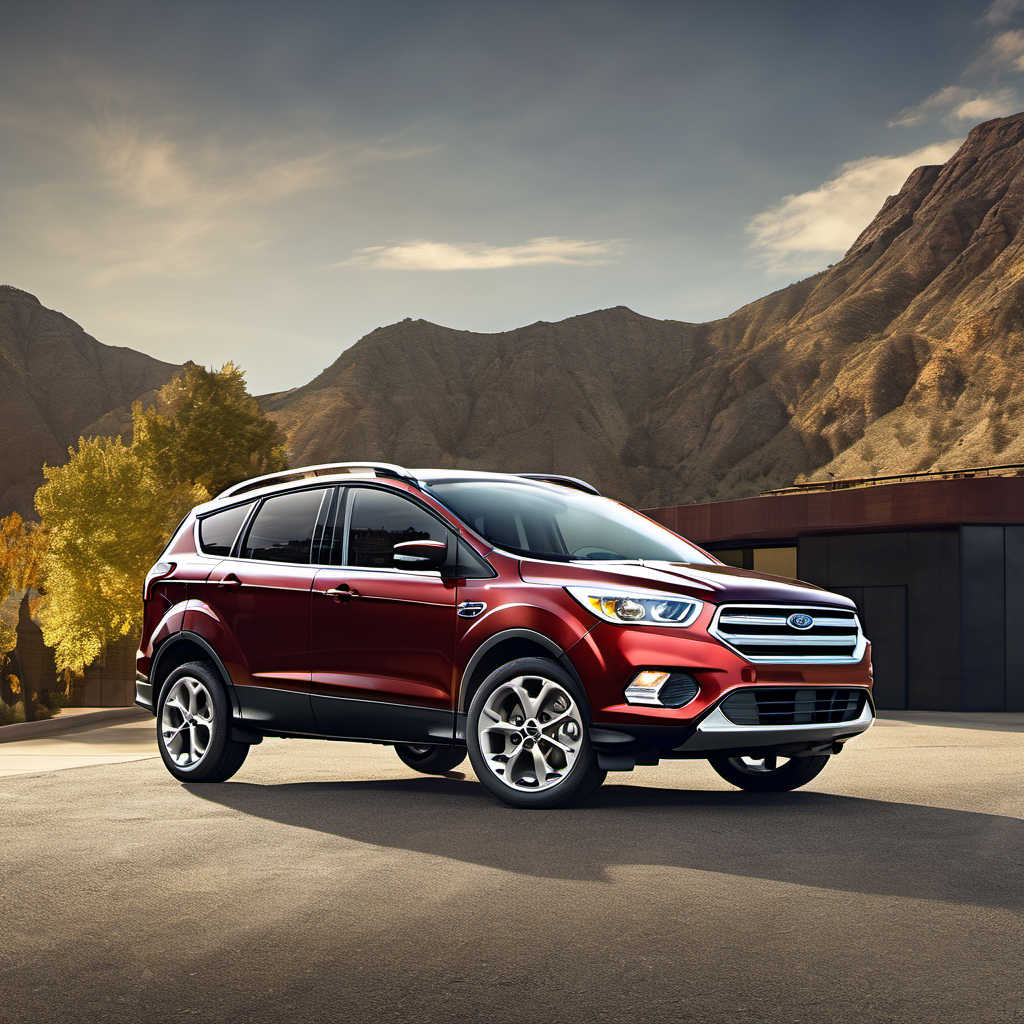
2017 Ford
1.5L I4 EcoBoost Turbo · SUV
The 2017 Ford Escape is a compact crossover SUV that slots into one of the most competitive segments in the market. Ford's third-generation Escape (2013–2019) brought a more car-like driving feel and a choice of turbocharged EcoBoost engines. The 2017 model year is mid-cycle, so it benefits from minor refinements while sharing the same platform and powertrain options as earlier third-gen models. The Escape is a strong daily driver choice for people who want better fuel economy than a body-on-frame SUV but more cargo room than a sedan. The available AWD system makes it practical for Wisconsin winters without the fuel penalty of a truck-based 4WD. Interior space is reasonable for four adults, and the cargo area is well-shaped for everyday use. The EcoBoost engines are the defining feature — and the defining concern. The 1.5L and 2.0L turbocharged four-cylinders deliver solid power but require strict oil change discipline and are sensitive to cooling system health. Buyers who stay on top of maintenance get good service life; those who stretch intervals often encounter expensive repairs before 120k miles.
The 2017 Ford Escape is a compact crossover SUV that slots into one of the most competitive segments in the market. Ford's third-generation Escape (2013–2019) brought a more car-like driving feel and a choice of turbocharged EcoBoost engines. The 2017 model year is mid-cycle, so it benefits from minor refinements while sharing the same platform and powertrain options as earlier third-gen models. The Escape is a strong daily driver choice for people who want better fuel economy than a body-on-frame SUV but more cargo room than a sedan. The available AWD system makes it practical for Wisconsin winters without the fuel penalty of a truck-based 4WD. Interior space is reasonable for four adults, and the cargo area is well-shaped for everyday use. The EcoBoost engines are the defining feature — and the defining concern. The 1.5L and 2.0L turbocharged four-cylinders deliver solid power but require strict oil change discipline and are sensitive to cooling system health. Buyers who stay on top of maintenance get good service life; those who stretch intervals often encounter expensive repairs before 120k miles.
VCT solenoids and cam phasers are oil-pressure-operated and clog rapidly with degraded oil. This is the single most important thing you can do for this engine's longevity.
The 1.5L EcoBoost can develop coolant intrusion issues if the cooling system is neglected. Keep coolant at full strength and address any leaks immediately.
The 6-speed automatic develops shudder and slip when fluid degrades. Changing it proactively is far cheaper than a rebuild.
Turbocharged engines run hotter plugs harder. Worn plugs increase misfires and can stress the ignition coils, turning a $100 job into a $400 one.
Brake fluid is hygroscopic and absorbs moisture over time, lowering boiling point. In Wisconsin winters with heavy braking on icy roads, fresh fluid matters.
Lake Geneva roads are heavily salted. Brake lines on this generation are prone to corrosion — catching rust early is the difference between a $50 treatment and a $1,000 line replacement.
A restricted filter forces the turbo to work harder and can lean out the fuel mixture. Easy and inexpensive to check.
AWD models rely on even tire wear for proper drivetrain function. Tire pressure drops roughly 1 PSI per 10°F — underinflated tires in a Wisconsin winter reduce traction and MPG.
Always defer to the manufacturer's service manual for warranty-mandated intervals.
The 2017 Escape is a reasonable cost-of-ownership vehicle when maintained correctly. Routine maintenance runs $600–$1,200/year at an independent shop. The biggest risk to your wallet is deferred maintenance on the EcoBoost — a neglected VCT system or cooling system can push a single repair event into the $1,500–$3,500 range. Keep up with oil changes and you avoid most of the expensive surprises.
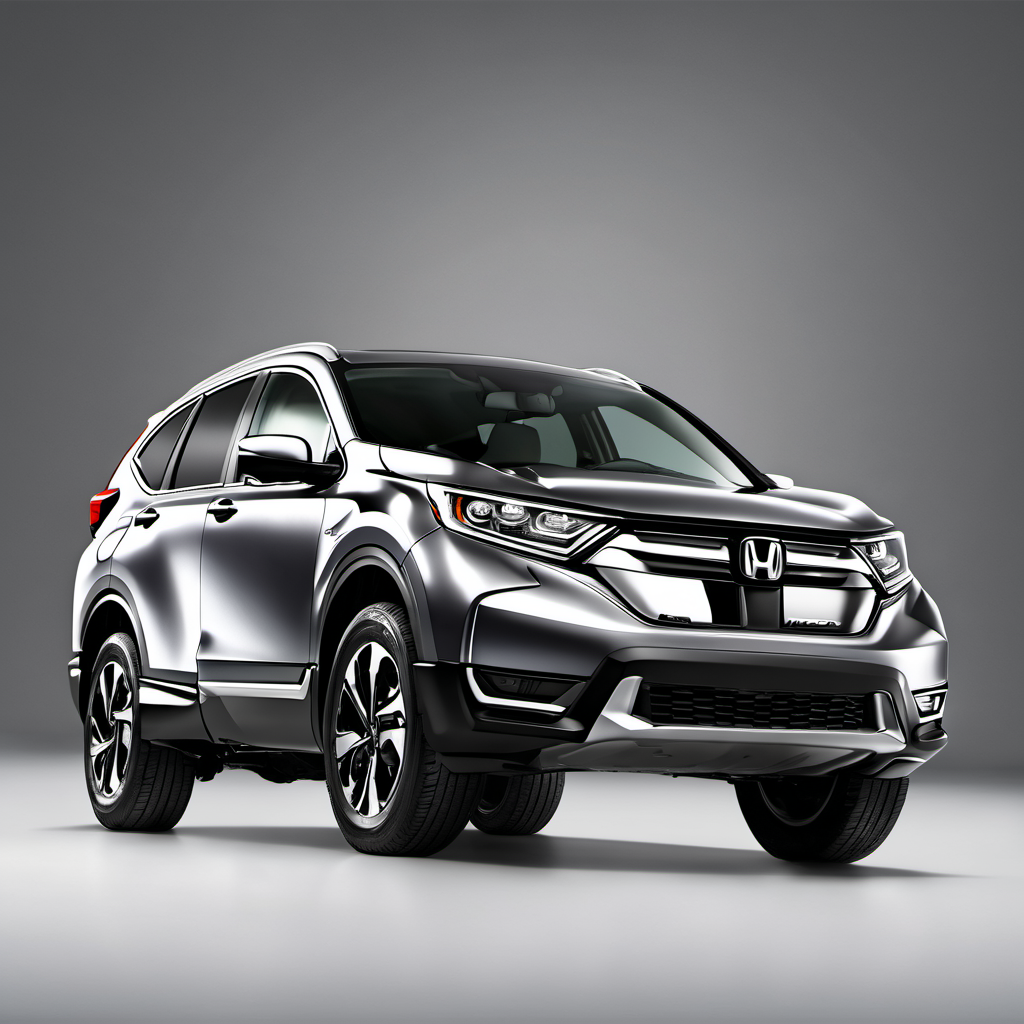
The CR-V is the benchmark in this segment for reliability and resale value. The 2017 CR-V added a turbocharged engine but has a stronger long-term reliability reputation than the Escape. Better for buyers who prioritize ownership confidence over sporty driving feel.
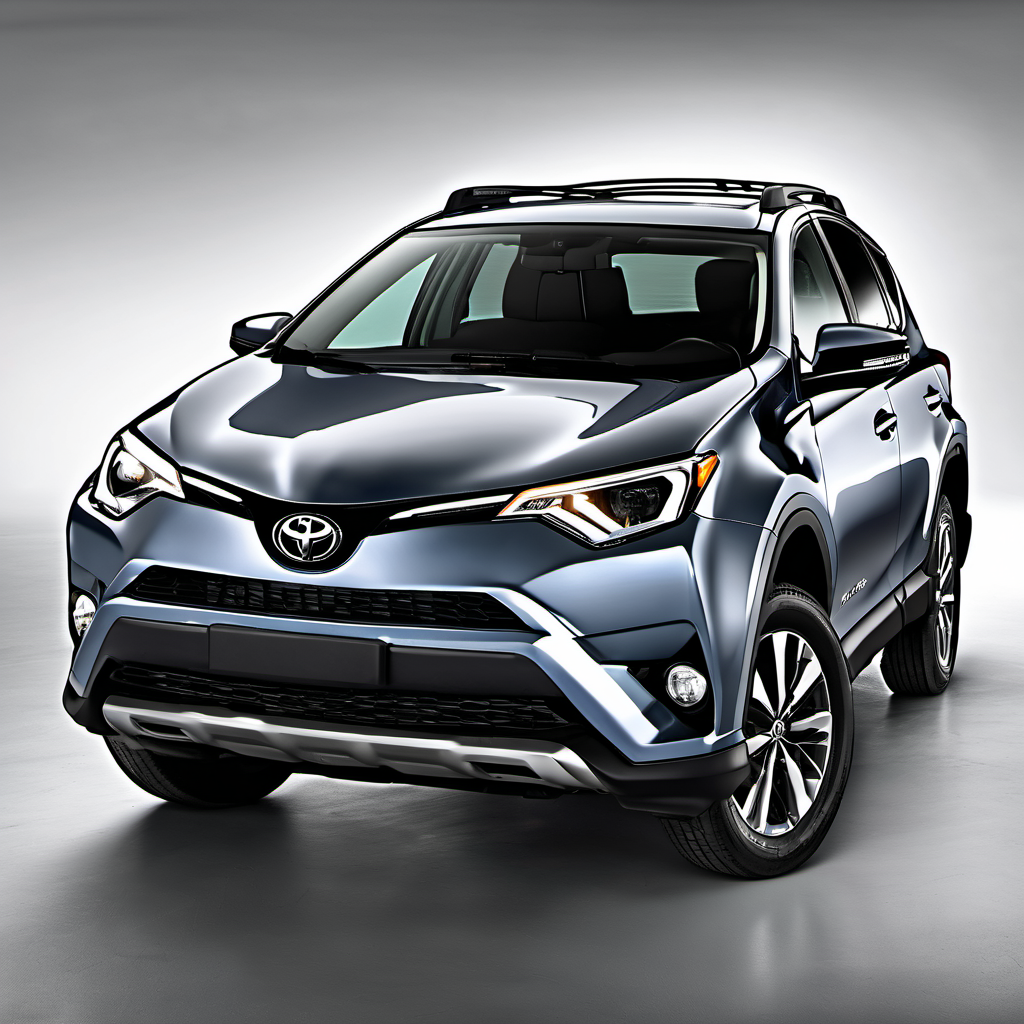
The RAV4 uses a naturally-aspirated 2.5L four-cylinder — less exciting but more predictable long-term. Excellent reliability track record and very strong in the used market. A better choice for buyers who want to minimize repair risk.
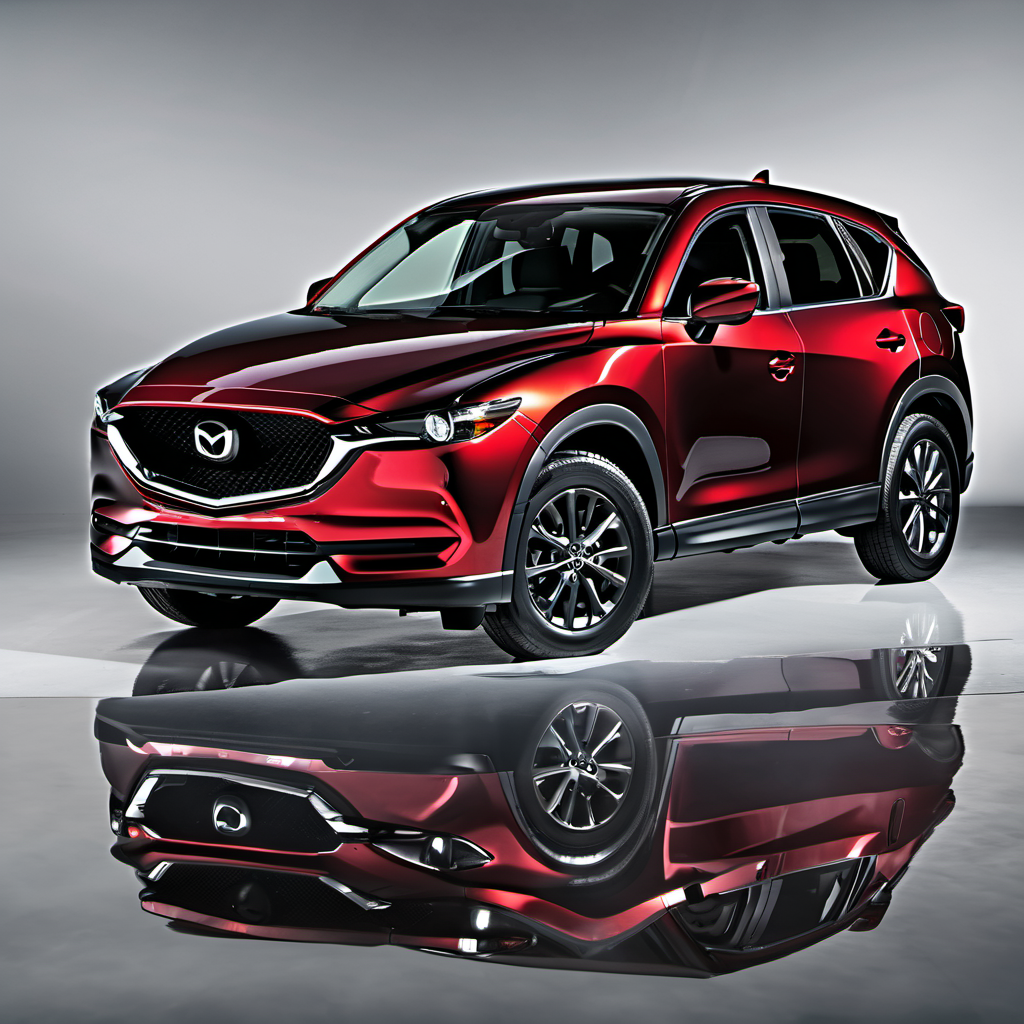
The CX-5 matches the Escape's driving dynamics and edges it on interior quality and fuel economy. The SkyActiv engine is naturally aspirated and simpler to maintain. Strong reliability, especially for buyers coming from the Escape's sporty feel.
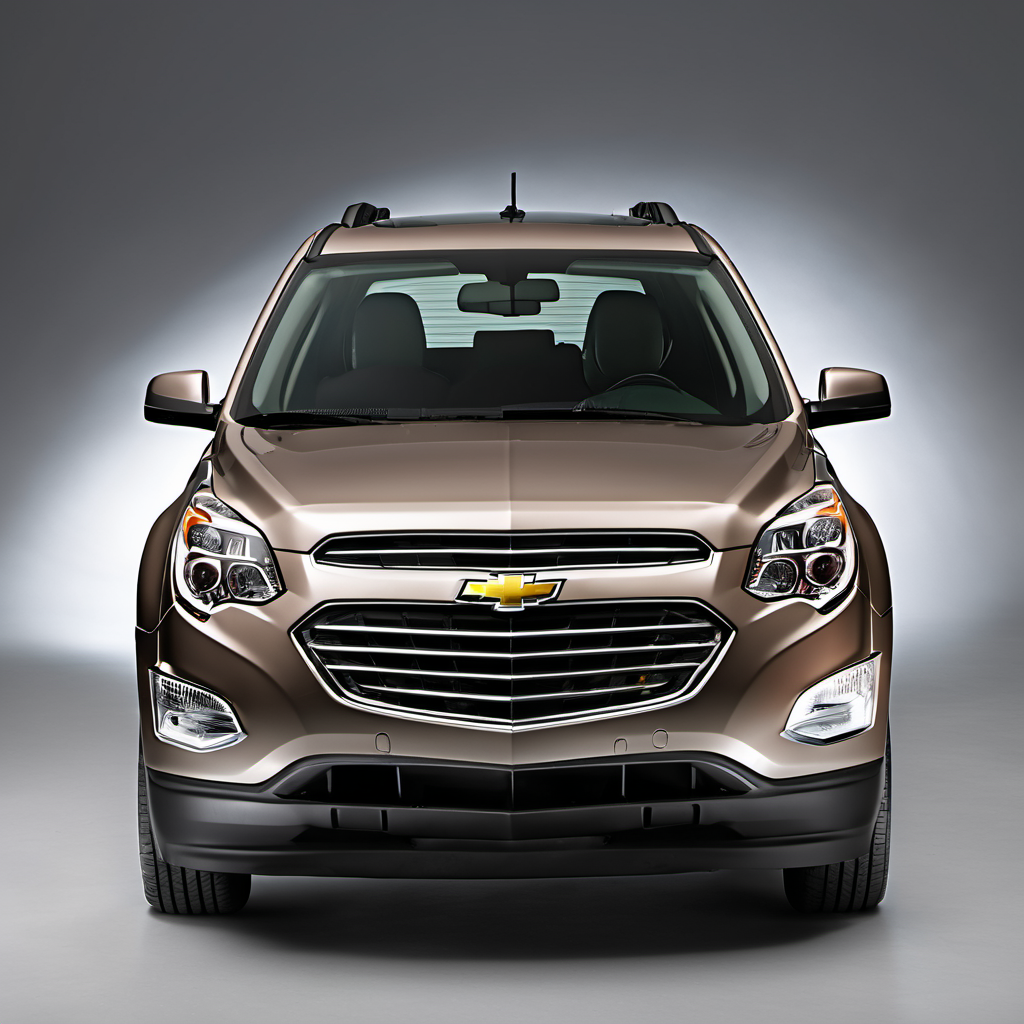
Direct domestic competitor at a similar price point. The 2017 Equinox is in its last year before a full redesign — a usable alternative but the outgoing 2.4L base engine is thirstier than the EcoBoost. Worth cross-shopping for buyers who want to stay domestic.