Oil Dilution by Gasoline (1.5T Engine)
high- Typically appears
- 0–80k mi
- Estimated repair
- $0 – $200
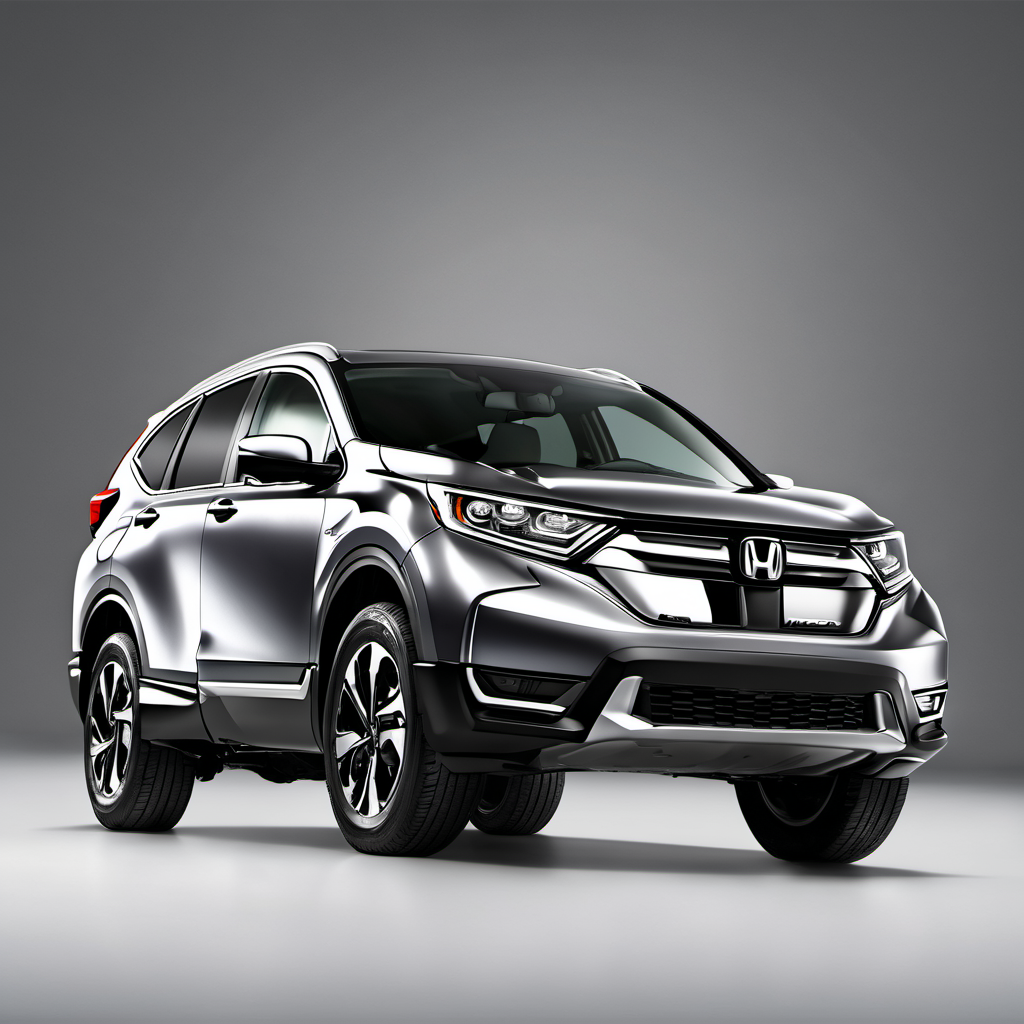
2017 Honda
1.5L I4 Turbocharged · SUV
The 2017 Honda CR-V marks the launch of the fifth-generation CR-V — a complete redesign that brought a turbocharged 1.5L engine, a dramatically roomier interior, and a more carlike ride. It quickly became one of the best-selling compact SUVs in the country for good reason: the cabin is genuinely large for the class, fuel economy is strong, and the AWD system is competent for Wisconsin winters without being a true off-roader. The fifth-gen CR-V introduced Honda Sensing (collision mitigation, adaptive cruise, lane keeping) as standard or near-standard equipment, which is a meaningful safety upgrade over its predecessor. The turbo engine delivers brisk, linear power, though it came with a well-documented oil dilution concern in cold climates — something every Lake Geneva owner should know about going in. Overall, the 2017 CR-V is a smart family hauler and commuter. It rewards owners who stay on top of oil changes and address the oil dilution issue proactively. With proper maintenance, 200,000+ miles is realistic.
The 2017 Honda CR-V marks the launch of the fifth-generation CR-V — a complete redesign that brought a turbocharged 1.5L engine, a dramatically roomier interior, and a more carlike ride. It quickly became one of the best-selling compact SUVs in the country for good reason: the cabin is genuinely large for the class, fuel economy is strong, and the AWD system is competent for Wisconsin winters without being a true off-roader. The fifth-gen CR-V introduced Honda Sensing (collision mitigation, adaptive cruise, lane keeping) as standard or near-standard equipment, which is a meaningful safety upgrade over its predecessor. The turbo engine delivers brisk, linear power, though it came with a well-documented oil dilution concern in cold climates — something every Lake Geneva owner should know about going in. Overall, the 2017 CR-V is a smart family hauler and commuter. It rewards owners who stay on top of oil changes and address the oil dilution issue proactively. With proper maintenance, 200,000+ miles is realistic.
Cold-climate short trips cause gasoline to wash into the oil on this 1.5T engine. Frequent changes are the single best defense against engine wear from oil dilution. Use Honda-specified 0W-20 full synthetic.
Honda officially calls CVT fluid 'lifetime' but independent shops see CVT issues in neglected units. Fresh fluid at this interval keeps the CVT running smoothly and avoids expensive repairs.
The 1.5T engine is sensitive to ignition quality. Worn plugs worsen cold starts and can contribute to misfires, which in turn worsen oil dilution.
Wisconsin road dust and autumn debris clog air filters faster than in dry climates. A restricted filter hurts fuel economy and turbo performance.
Road salt corrodes rotors and can seize caliper slide pins. Catching this early prevents uneven wear and expensive rotor replacement.
AWD systems wear tires unevenly if neglected. Consistent rotation also keeps all four tires matched in diameter, which protects the AWD coupling.
Honda's blue coolant (HCF-2) has a defined service life. Degraded coolant accelerates corrosion in the cooling system and can cause thermostat or water pump issues.
A clogged cabin filter reduces defroster airflow — a real problem in Wisconsin winters when you need maximum defrost quickly.
Always defer to the manufacturer's service manual for warranty-mandated intervals.
The CR-V is a low-drama ownership proposition. Routine maintenance is affordable and Honda parts are widely available. The main cost wildcard is the 1.5T oil dilution issue — owners who shorten oil change intervals in winter spend a little more on oil but avoid expensive engine repairs. CVT fluid service is the other easy-to-skip item that's worth keeping up with. Budget toward the higher end of maintenance if you do a lot of cold-weather short-trip driving.
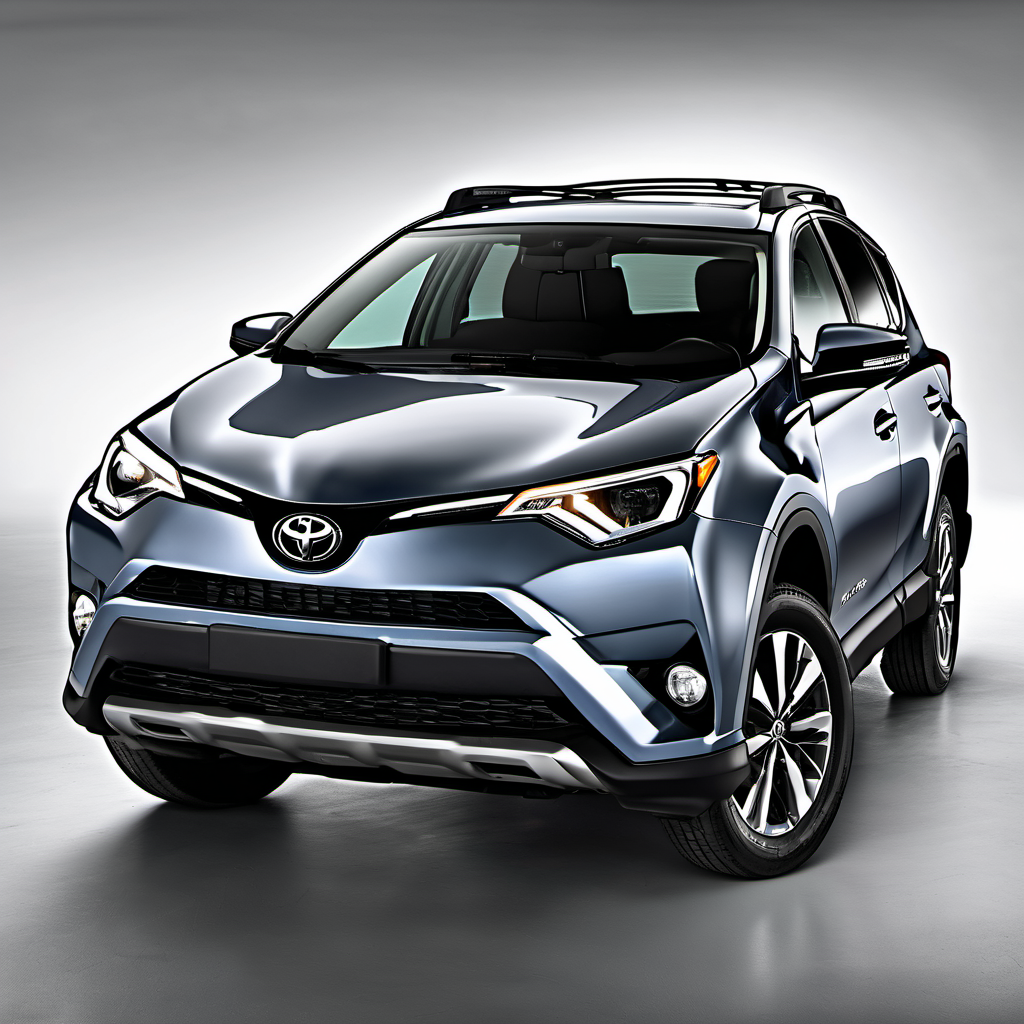
Direct class rival with a naturally aspirated 2.5L engine — no oil dilution concern, slightly lower fuel economy, comparably sized cabin. A good alternative for buyers who want proven simplicity over the CR-V's turbo tech.
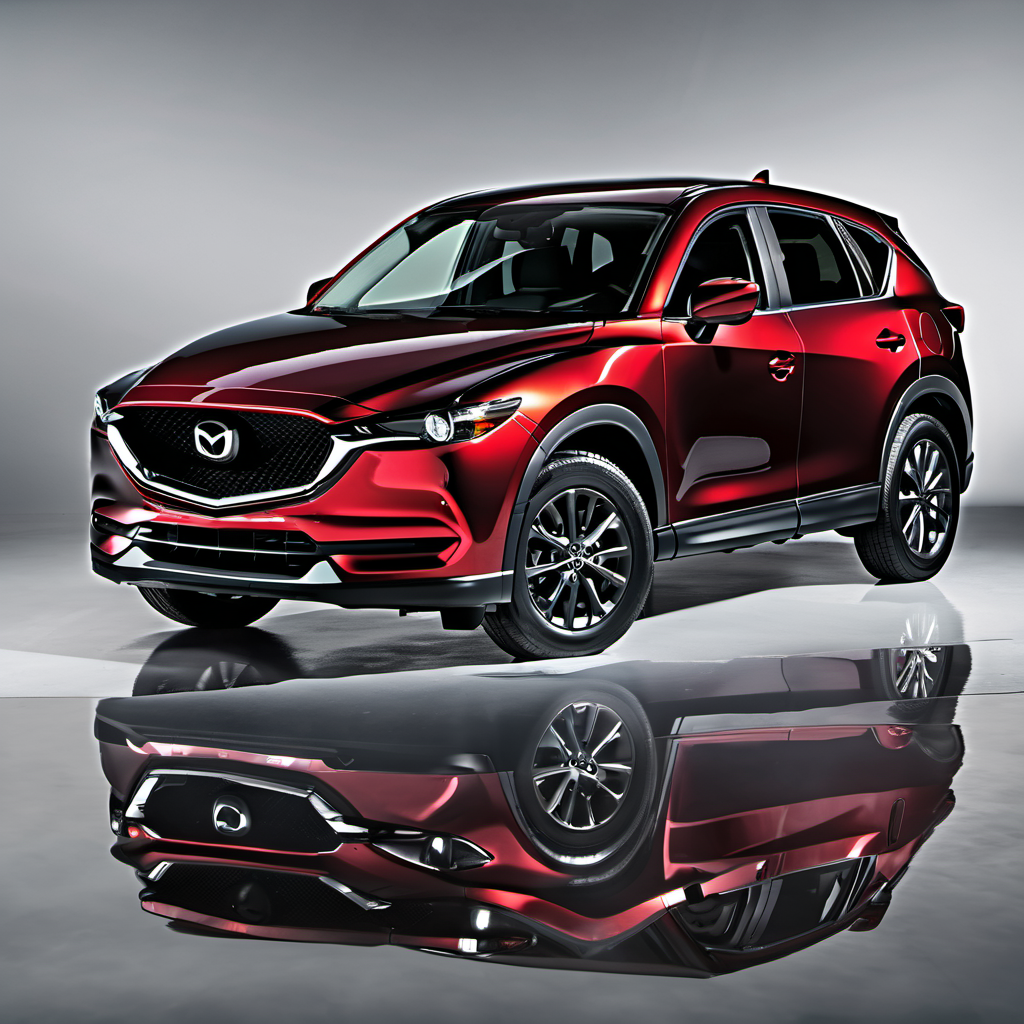
Sportier driving feel, excellent build quality, and a naturally aspirated 2.5L engine. Slightly smaller cargo area than the CR-V but a more engaging drive. Strong reliability record.
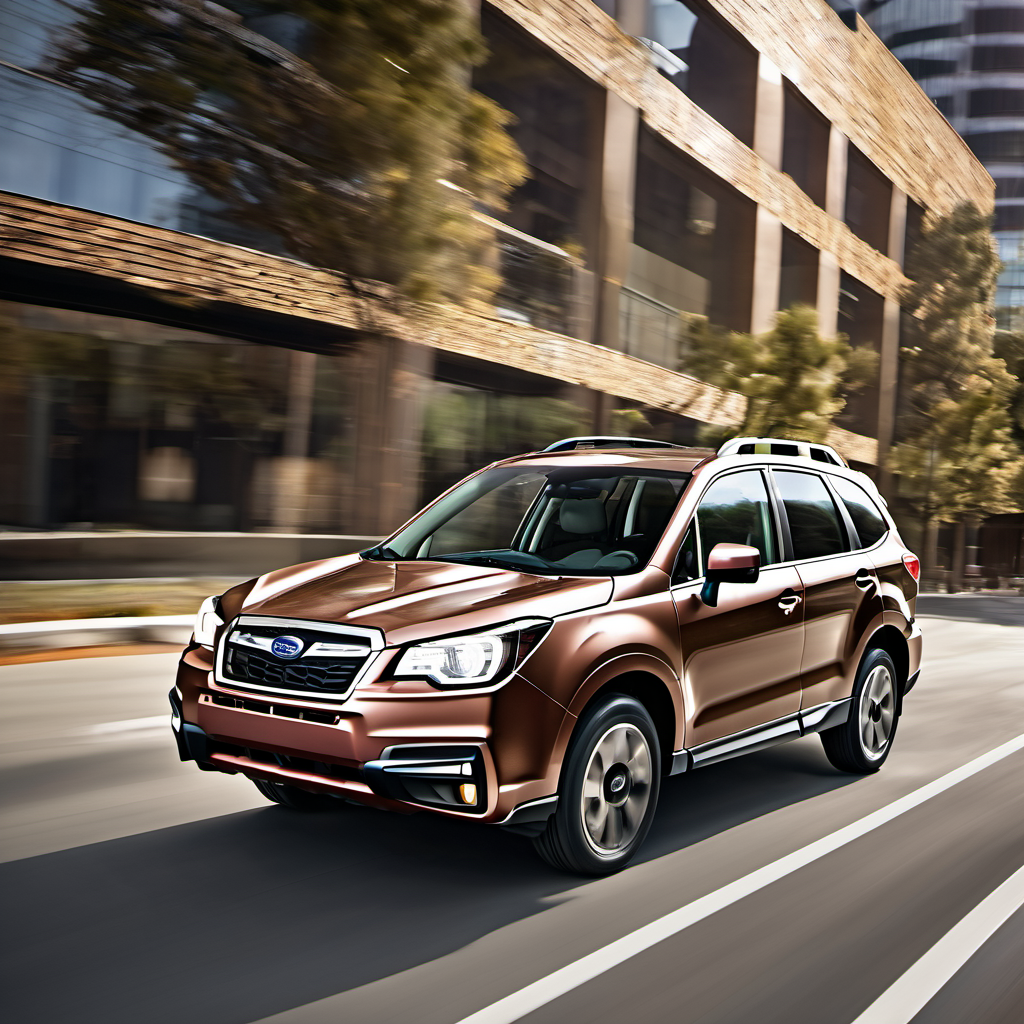
Standard Symmetrical AWD is a meaningful advantage in Wisconsin winters. Boxer engine is different but proven. More ground clearance than the CR-V; similar pricing and reliability profile.
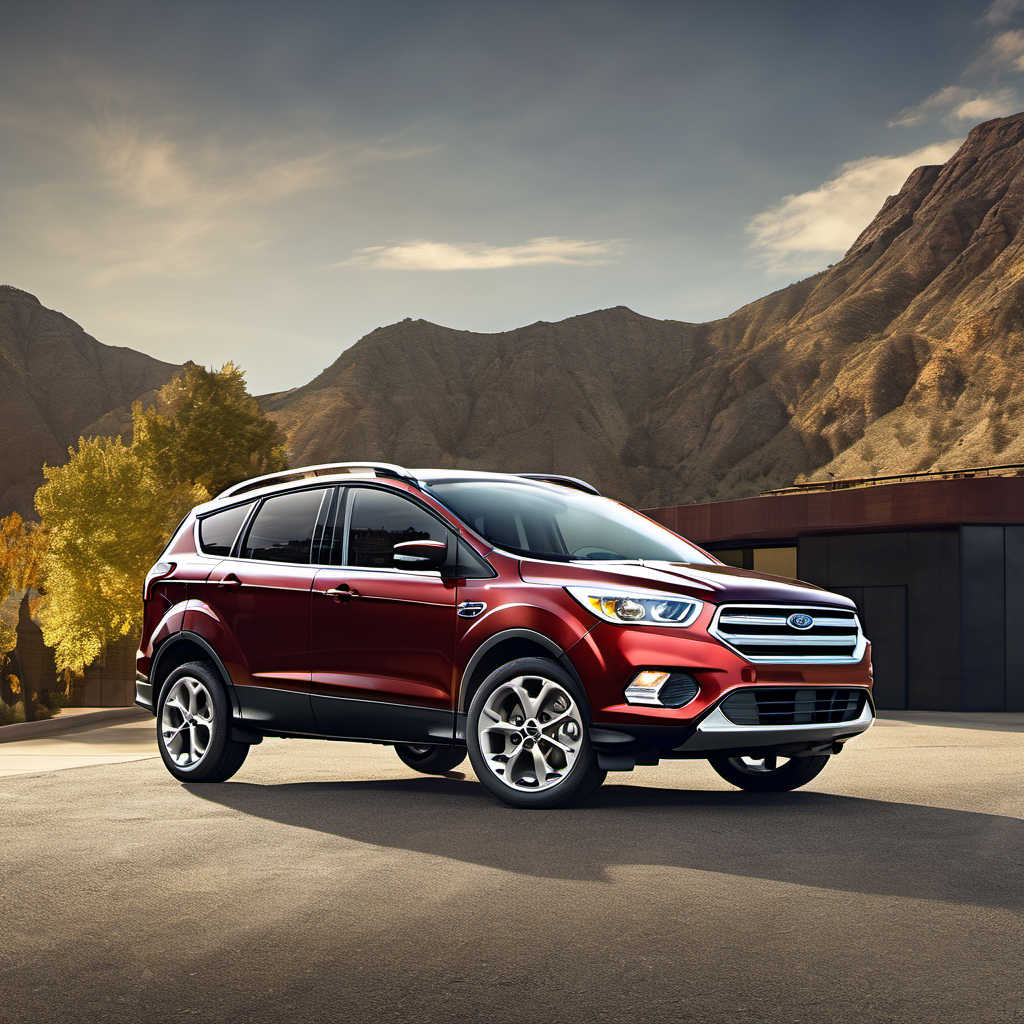
Also uses a 1.5T engine in similar displacement; slightly smaller than the CR-V but widely available and less expensive used. Ford's 1.5T has its own coolant issues to watch, so inspect carefully.