VVT-i Oil Control Valve / Camshaft Timing Fault
medium- Typically appears
- 80–150k mi
- Estimated repair
- $150 – $450
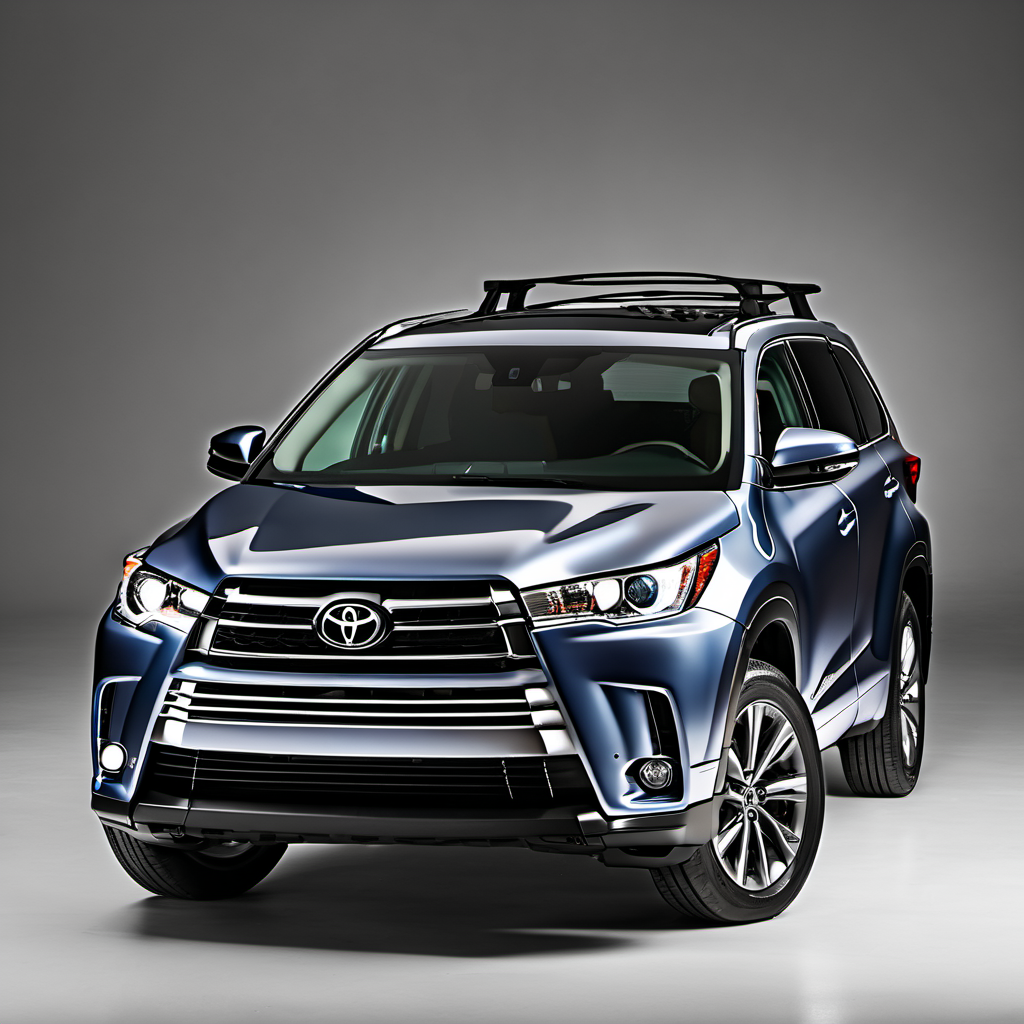
2017 Toyota
SUV
The 2017 Toyota Highlander is a three-row midsize SUV that slots squarely into the family hauler category. It's built on Toyota's K platform and offers a choice of a 2.7L four-cylinder or the more popular 3.5L V6, with front- or all-wheel drive. The supplied VIN and spec data confirm the 2.7L FWD configuration — the entry-level powertrain that works fine around town but can feel taxed when fully loaded or merging onto the highway. The Highlander earned a strong reputation for long-term durability, comfortable ride quality, and a genuinely usable third row for children. The 2014–2019 generation (XU50) is widely considered the sweet spot of the nameplate — modern enough to have current safety tech, old enough to have shed early-model quirks. For a Lake Geneva family that needs reliable year-round transportation, the Highlander is a sensible, low-drama choice. The FWD-only 2.7L trim is best suited to mild winters with decent all-season tires; if you regularly deal with heavy snow, consider whether AWD might be worth paying up for.
The 2017 Toyota Highlander is a three-row midsize SUV that slots squarely into the family hauler category. It's built on Toyota's K platform and offers a choice of a 2.7L four-cylinder or the more popular 3.5L V6, with front- or all-wheel drive. The supplied VIN and spec data confirm the 2.7L FWD configuration — the entry-level powertrain that works fine around town but can feel taxed when fully loaded or merging onto the highway. The Highlander earned a strong reputation for long-term durability, comfortable ride quality, and a genuinely usable third row for children. The 2014–2019 generation (XU50) is widely considered the sweet spot of the nameplate — modern enough to have current safety tech, old enough to have shed early-model quirks. For a Lake Geneva family that needs reliable year-round transportation, the Highlander is a sensible, low-drama choice. The FWD-only 2.7L trim is best suited to mild winters with decent all-season tires; if you regularly deal with heavy snow, consider whether AWD might be worth paying up for.
The 2AR-FE VVT-i system is sensitive to oil quality. Extended intervals promote sludge that clogs oil control valves and triggers P0012-type timing faults. Use Toyota-spec 0W-20 full synthetic.
Toyota Super Long Life Coolant is durable but does degrade. Old coolant becomes acidic and attacks the water pump seal and aluminum components — especially relevant in freeze-thaw climates.
Toyota's 'lifetime' fluid claim is optimistic for high-mileage Wisconsin use. Fresh ATF keeps the 6-speed shifting cleanly and extends valve body life.
Brake fluid is hygroscopic — it absorbs moisture over time, lowering the boiling point. Critical for a heavier SUV on hilly or emergency-stop situations.
Toyota iridium plugs are long-lived but not immortal. Worn plugs on the 2.7L cause noticeable power loss and can stress the ignition coils.
Dusty summer driving and leaf debris in fall clog the filter faster than the calendar suggests. A clogged filter hurts the 2.7L's already modest power output noticeably.
FWD vehicles load the front tires heavily. Regular rotation is especially important here to avoid premature front tire wear and maintain even traction in Wisconsin winter conditions.
Lake Geneva road salt wreaks havoc on brake hardware, heat shields, and suspension fasteners. Catching seized caliper slides and corroded brake lines early is far cheaper than emergency repairs.
Always defer to the manufacturer's service manual for warranty-mandated intervals.
The Highlander is one of the more cost-effective three-row SUVs to own over the long haul. The 2.7L four-cylinder keeps fuel and maintenance costs lean. Budget $600–$1,100/year for routine maintenance at an independent shop. Major repairs are infrequent when maintenance is kept up, but expect to refresh wear items (tires, brakes, battery, belts) as this 2017 model accumulates age. Avoid deferred maintenance — the VVT-i system punishes neglected oil changes.
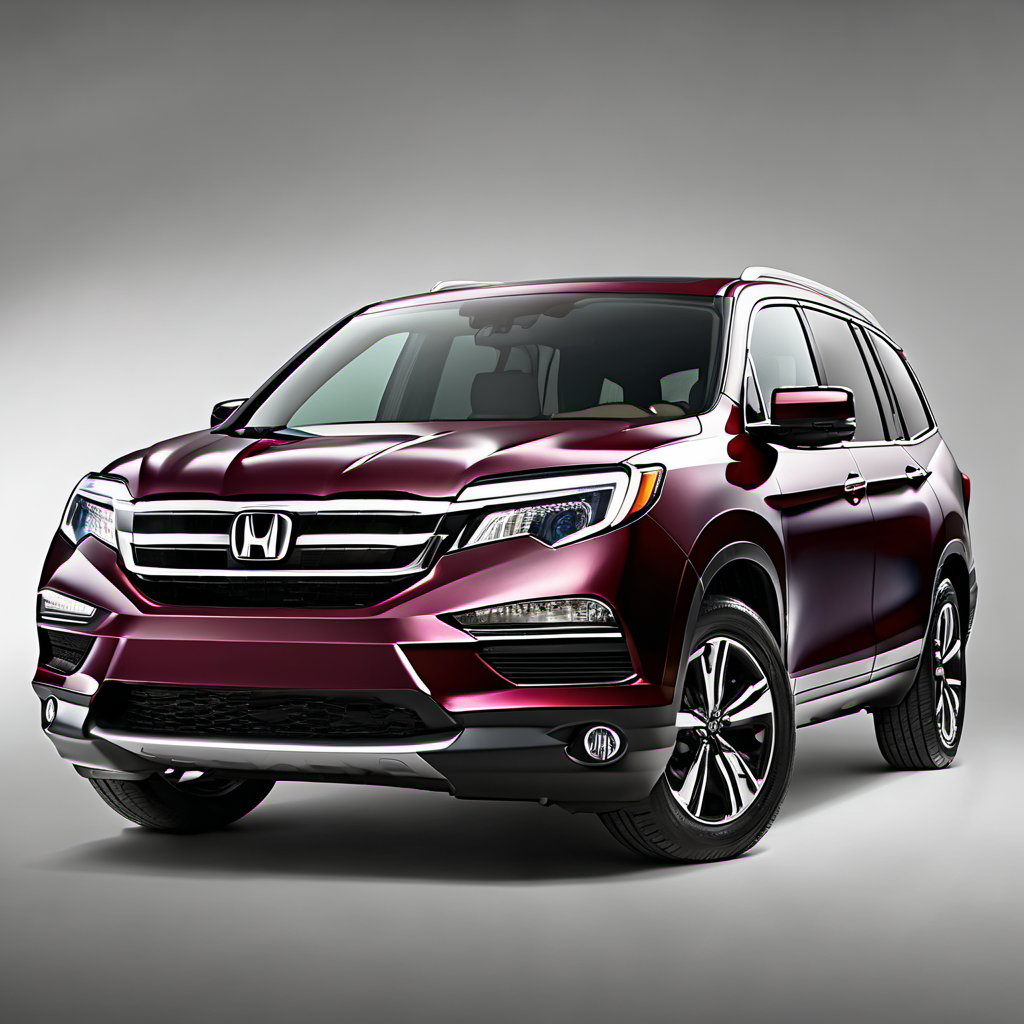
Direct three-row midsize SUV competitor. The Pilot's 3.5L V6 offers more power across all trims, but the 9-speed automatic in 2016–2018 models had early reliability concerns. Similar pricing and family focus.
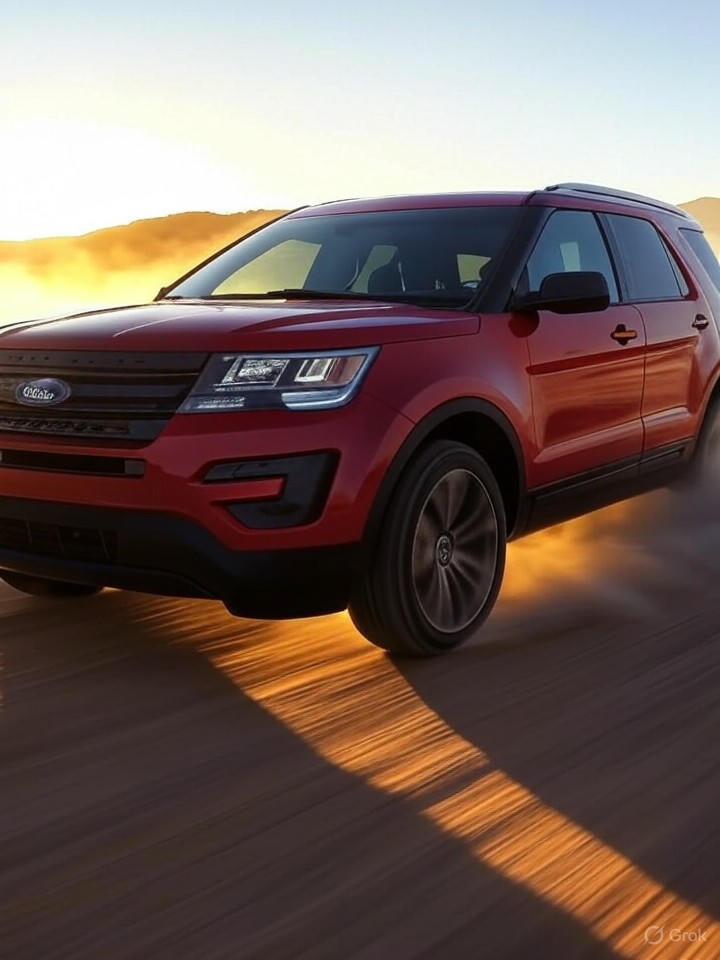
Another three-row midsize with wide trim range and strong resale. The Explorer's 2.3L EcoBoost is livelier than the Highlander's 2.7L four-cylinder, but turbocharged engines carry higher repair costs. More cargo-biased interior.
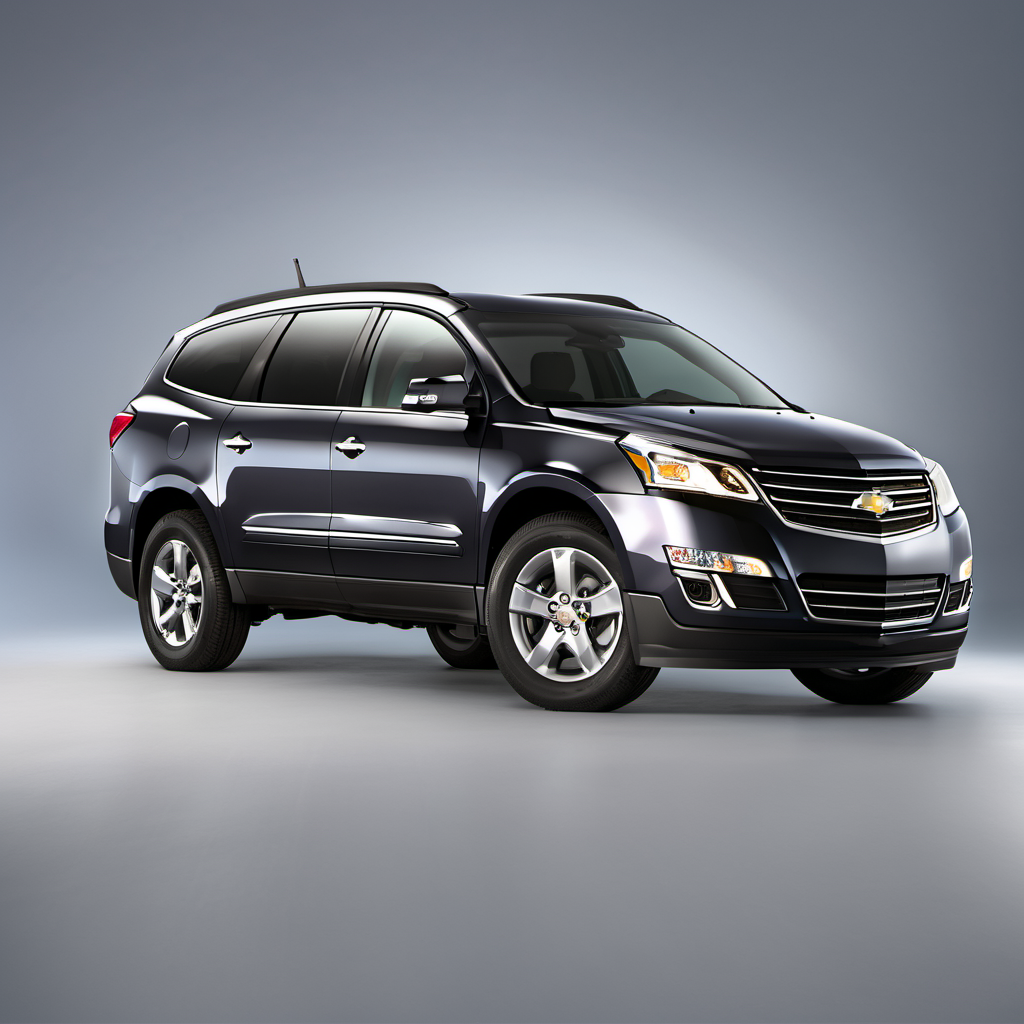
Larger footprint with more third-row legroom and cargo space. The older GMT166 platform's 3.6L V6 is capable but timing chain service can be expensive. Generally lower transaction price than the Highlander.
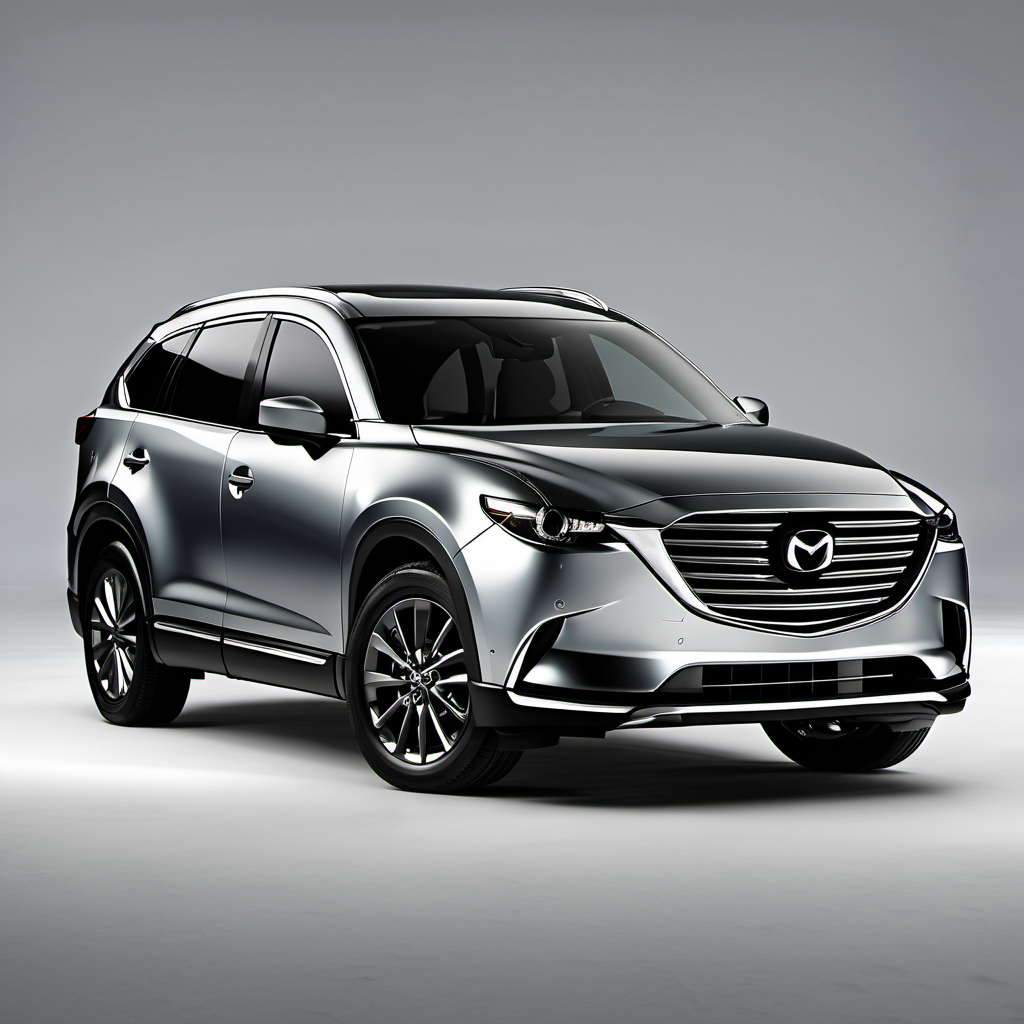
Premium feel and handling that rivals the Highlander's ride quality. The turbocharged 2.5L SkyActiv engine is efficient and responsive. Slightly smaller cargo area and shorter third-row, but arguably better to drive.