VTC Actuator Rattle on Cold Start
high- Typically appears
- 30–120k mi
- Estimated repair
- $200 – $500
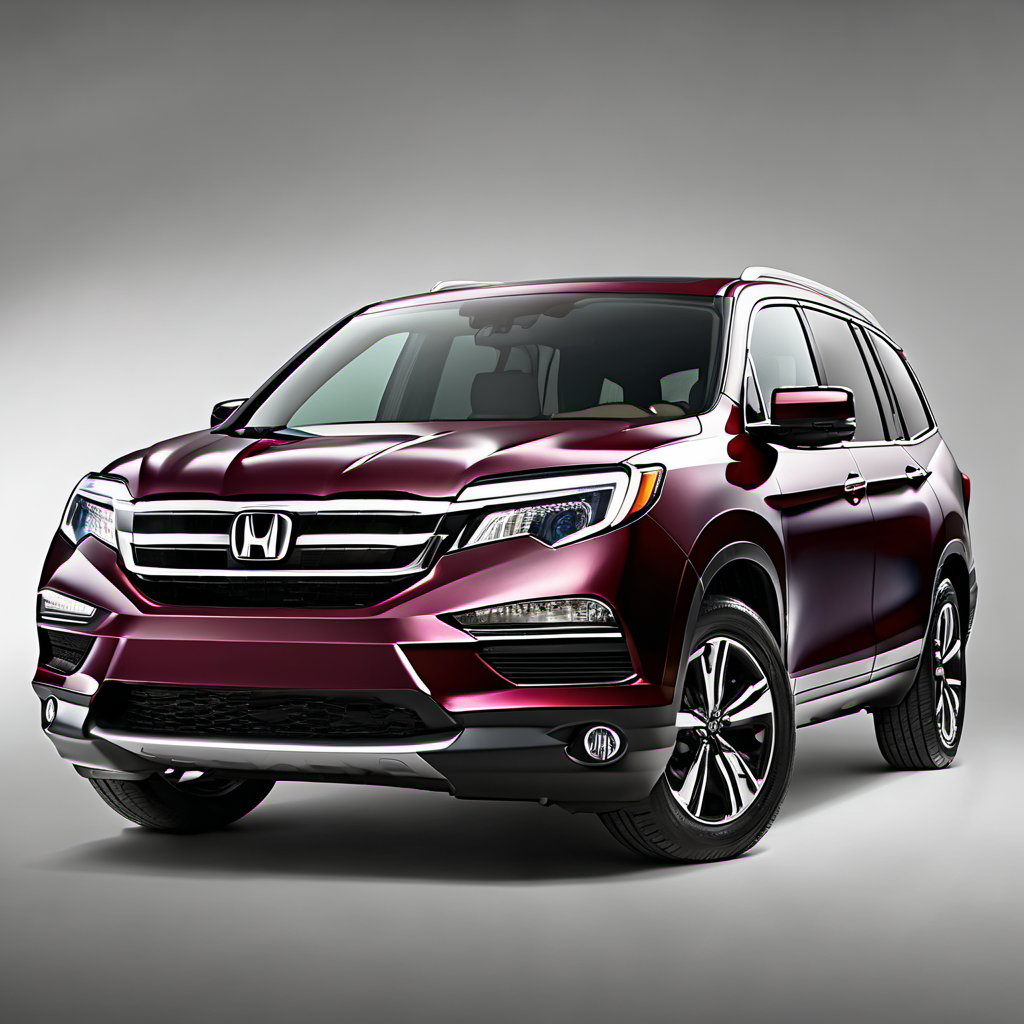
2017 Honda
SUV
The 2017 Honda Pilot is a third-generation, three-row family SUV that was fully redesigned for the 2016 model year. It seats up to eight passengers and pairs a 3.5L V6 with either a 6-speed automatic or a 9-speed automatic depending on trim. Compared to the outgoing generation, the third-gen Pilot is roomier, quieter, and better-equipped, making it one of the most practical mid-size SUVs in its class. For daily family use the Pilot delivers well-rounded performance — comfortable highway cruising, a usable third row, and a spacious cargo area. The base FWD configuration works fine for most Lake Geneva driving, though AWD is worth seeking out on a used example given Wisconsin winters. Overall build quality is solid for a Honda, and the 3.5L V6 is a known long-runner. The main weak spots in this generation are the 9-speed automatic (found on upper trims) and the VTC actuator — both worth checking on any used example.
The 2017 Honda Pilot is a third-generation, three-row family SUV that was fully redesigned for the 2016 model year. It seats up to eight passengers and pairs a 3.5L V6 with either a 6-speed automatic or a 9-speed automatic depending on trim. Compared to the outgoing generation, the third-gen Pilot is roomier, quieter, and better-equipped, making it one of the most practical mid-size SUVs in its class. For daily family use the Pilot delivers well-rounded performance — comfortable highway cruising, a usable third row, and a spacious cargo area. The base FWD configuration works fine for most Lake Geneva driving, though AWD is worth seeking out on a used example given Wisconsin winters. Overall build quality is solid for a Honda, and the 3.5L V6 is a known long-runner. The main weak spots in this generation are the 9-speed automatic (found on upper trims) and the VTC actuator — both worth checking on any used example.
The 3.5L V6's VTC actuator and VCM solenoids are oil-pressure dependent. Using the correct viscosity and not stretching intervals is the single best way to avoid VTC rattle and solenoid codes.
Honda's 'lifetime' fluid recommendation is not realistic for Wisconsin drivers. Fresh fluid helps the 9-speed shift more crisply and can reduce shudder. Use only Honda DW-1 ATF.
Factory iridium plugs have a long service life, but worn plugs on the 3.5L V6 can worsen hesitation symptoms that get blamed on the transmission.
Honda's long-life coolant does hold up well, but should not be ignored indefinitely on a Wisconsin vehicle subject to thermal cycling.
The 3.5L V6 with VCM puts extra demand on the battery during cylinder deactivation events. A marginal battery that passes a surface charge test can fail at -10°F. Test it before winter, not during.
Brake fluid is hygroscopic. Wisconsin salt and temperature swings accelerate moisture uptake, lowering the boiling point and promoting corrosion in calipers and ABS components.
Dusty gravel roads common around Lake Geneva clog filters faster than EPA test-cycle estimates assume.
Road salt in Walworth County is aggressive. Inspect subframe mounting points, brake lines, and exhaust hangers each spring — catching surface rust early is far cheaper than replacing rusted-through components.
Always defer to the manufacturer's service manual for warranty-mandated intervals.
The Pilot is a mid-cost-of-ownership vehicle. Routine maintenance is affordable and the 3.5L V6 is not parts-hungry when maintained. The main budget risk is the 9-speed transmission on upper trims — a torque converter job or TCM replacement can run $800–$1,800 at an independent shop. Fuel costs are the largest ongoing expense; the V6 rewards steady highway driving over city stop-and-go.
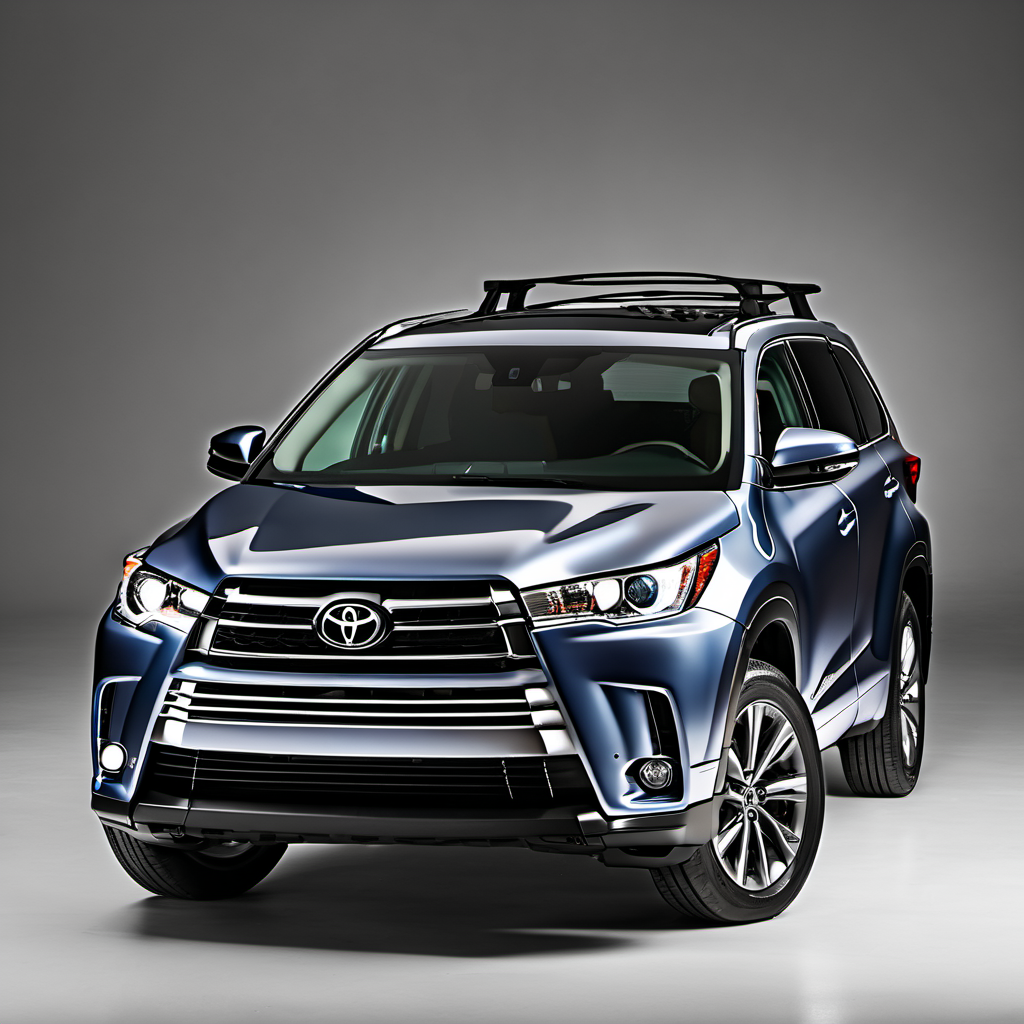
Direct three-row competitor at a similar price point. The Highlander's 3.5L V6 and 8-speed automatic is more refined and trouble-free than the Pilot's 9-speed. Slightly less cargo room but stronger resale value.
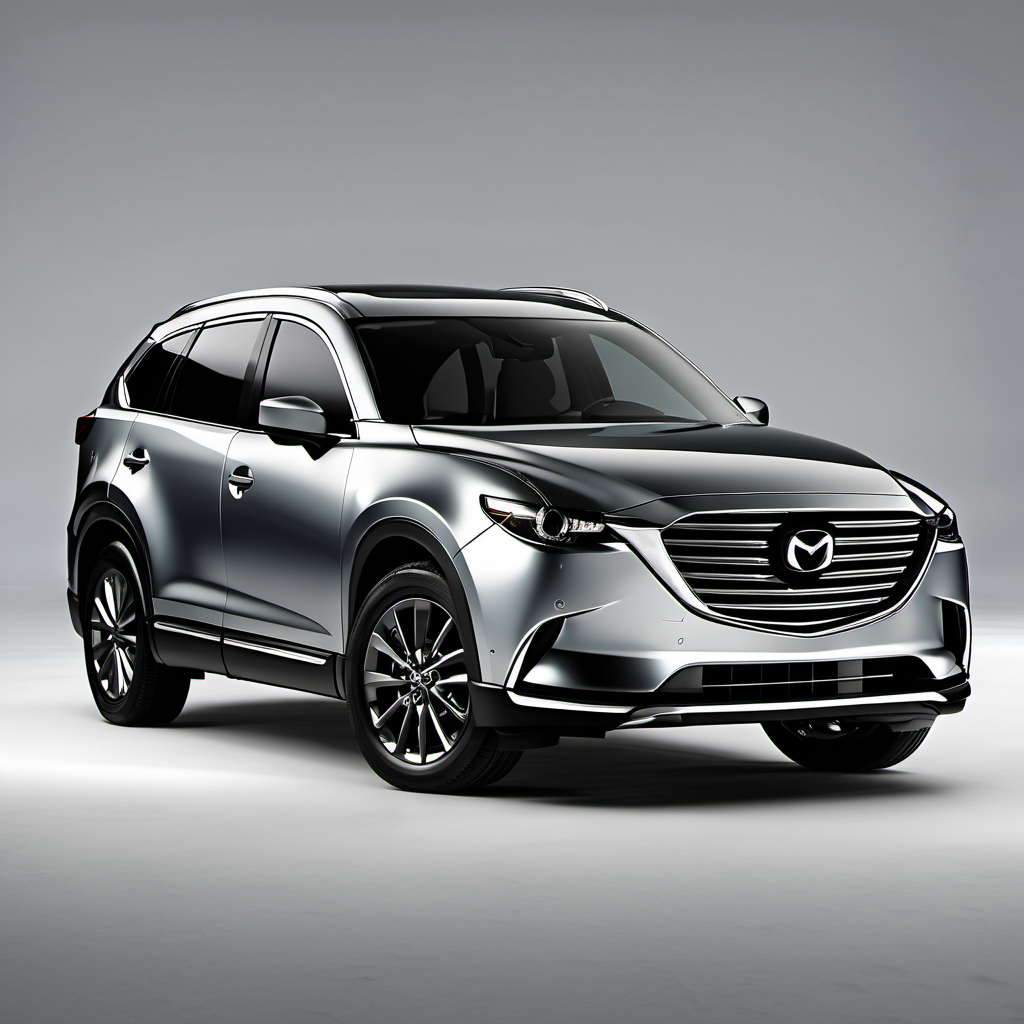
Three-row mid-size SUV with a turbocharged 2.5L I4. Sportier driving experience, premium interior quality, but smaller third row and less max cargo volume than the Pilot.
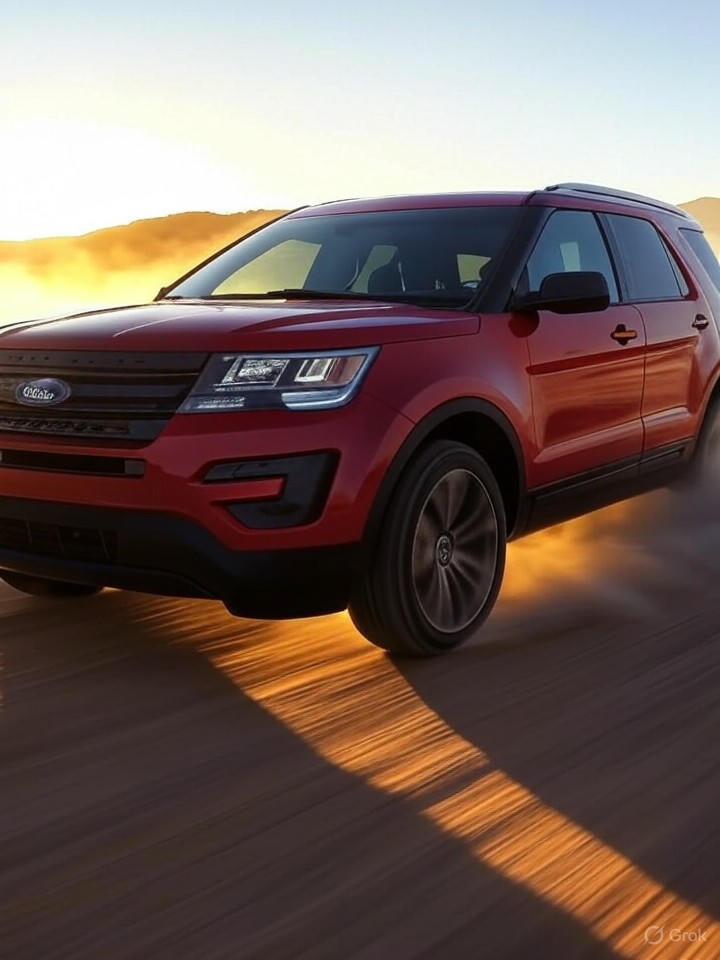
Three-row family SUV in the same segment. More powerful V6 option and available tow capacity, but the Explorer has a weaker long-term reliability record than the Pilot, particularly transmission and cooling issues on the 3.5L EcoBoost.
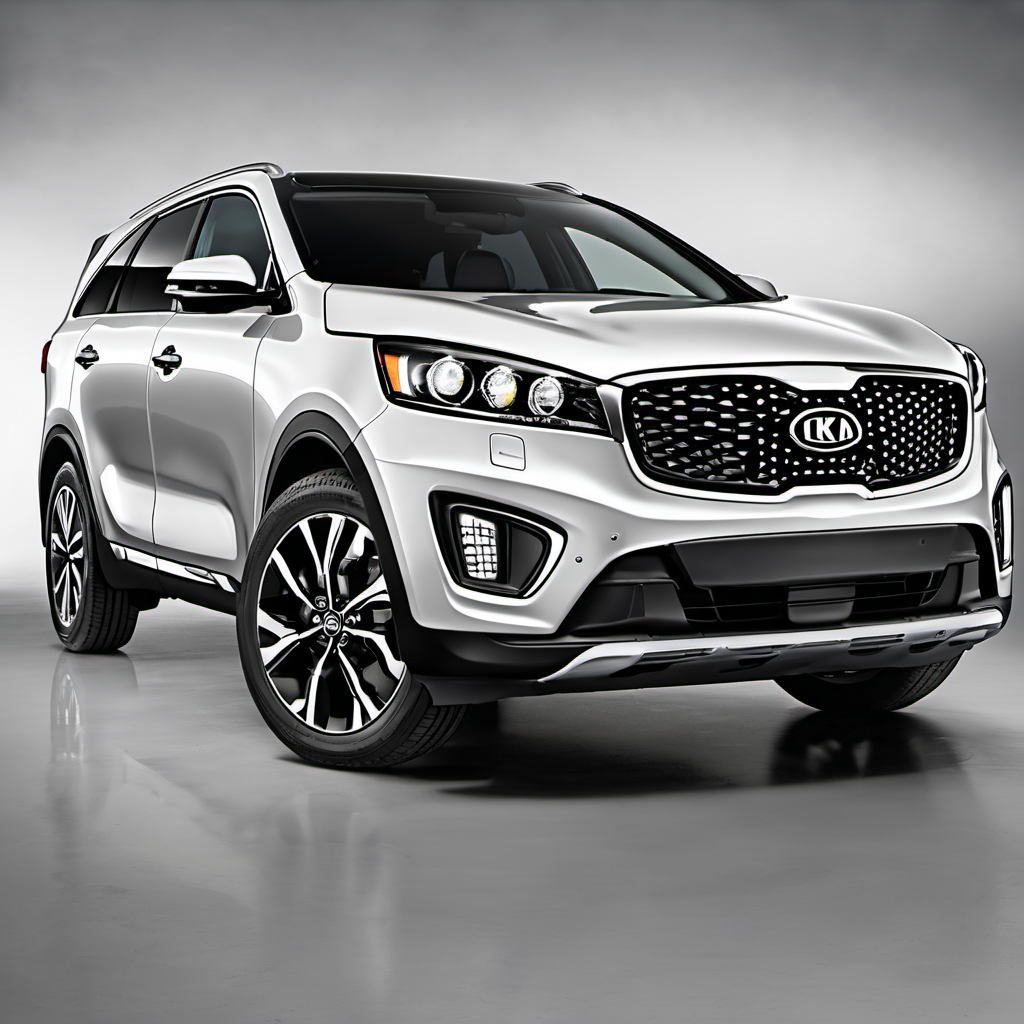
A step down in size (two-row standard, cramped optional third row) but priced below the Pilot new and used. Strong warranty coverage and improving reliability make it a budget-friendly alternative for buyers who don't truly need three rows.