Exhaust / Carbon Monoxide Fume Intrusion into Cabin
high- Typically appears
- Any mileage
- Estimated repair
- $200 – $1,500

2017 Ford
SUV
The 2017 Ford Explorer is a three-row, five-door midsize SUV that has been one of America's best-selling family haulers for years. The 2017 model year sits in the third generation of this body style (2011–2019), offering seating for up to seven and a choice of three engines. The base 2.3L EcoBoost four-cylinder provides a solid blend of performance and fuel economy for daily family use. The Explorer's interior is practical and family-friendly, with a large cargo area, available third-row seating, and Ford's SYNC infotainment system. It tows up to 5,000 lbs with the 2.3L engine, making it useful beyond pure commuting duty. That said, the 2011–2019 generation has a known reputation for exhaust fume intrusion into the cabin — a serious safety concern that led to an NHTSA investigation and a Ford customer satisfaction program. Buyers and owners should be aware of this issue specifically on the 2017 model year.
The 2017 Ford Explorer is a three-row, five-door midsize SUV that has been one of America's best-selling family haulers for years. The 2017 model year sits in the third generation of this body style (2011–2019), offering seating for up to seven and a choice of three engines. The base 2.3L EcoBoost four-cylinder provides a solid blend of performance and fuel economy for daily family use. The Explorer's interior is practical and family-friendly, with a large cargo area, available third-row seating, and Ford's SYNC infotainment system. It tows up to 5,000 lbs with the 2.3L engine, making it useful beyond pure commuting duty. That said, the 2011–2019 generation has a known reputation for exhaust fume intrusion into the cabin — a serious safety concern that led to an NHTSA investigation and a Ford customer satisfaction program. Buyers and owners should be aware of this issue specifically on the 2017 model year.
The 2.3L EcoBoost runs hot under load and relies on clean oil for turbo lubrication and VCT phaser function. Extended intervals with degraded oil are a leading cause of cam phaser codes and turbo wear on this engine.
Ford specifies lifetime fluid on this 6-speed, but ownership data strongly suggests fresh fluid at 30k–45k intervals reduces shudder complaints significantly. Independent shops in the Midwest see this repair repeatedly.
Direct injection engines like the 2.3L EcoBoost accumulate carbon deposits on intake valves. Periodic inspection and cleaning prevents rough idle, misfires, and power loss.
Cam timing codes (P0012, P0015, etc.) on this engine often trace back to sludged or sticking VCT solenoids before full phaser failure. Catching this early is significantly cheaper than a full phaser job.
This is the most critical safety maintenance item on this generation Explorer. Cold weather causes you to run the cabin recirculation less, making fume intrusion more likely. Have a shop pressure-check the exhaust and inspect the rear seals annually.
Wisconsin winters are hard on cooling systems. Degraded coolant loses freeze protection and accelerates corrosion in the aluminum EcoBoost engine block.
Cold cranking amps drop sharply in sub-zero temps. The EcoBoost's stop-start system and electronics put extra demand on the battery. A battery that tests marginal in October will likely fail in January.
The 2.3L EcoBoost is sensitive to plug condition due to the pressurized combustion environment. Worn plugs cause misfires and can trigger false cam timing codes. Stick with OEM-spec plugs — the threads are known to be sensitive to over-torque.
Always defer to the manufacturer's service manual for warranty-mandated intervals.
The 2017 Explorer is a moderate-cost vehicle to maintain when nothing goes wrong, but transmission service, VCT repairs, and especially exhaust system work can push costs into $2,000–$3,000+ in a single year. Budget for the transmission fluid service early — it's far cheaper than a rebuilt unit. Factor in an annual exhaust safety inspection; it's not optional on this generation.
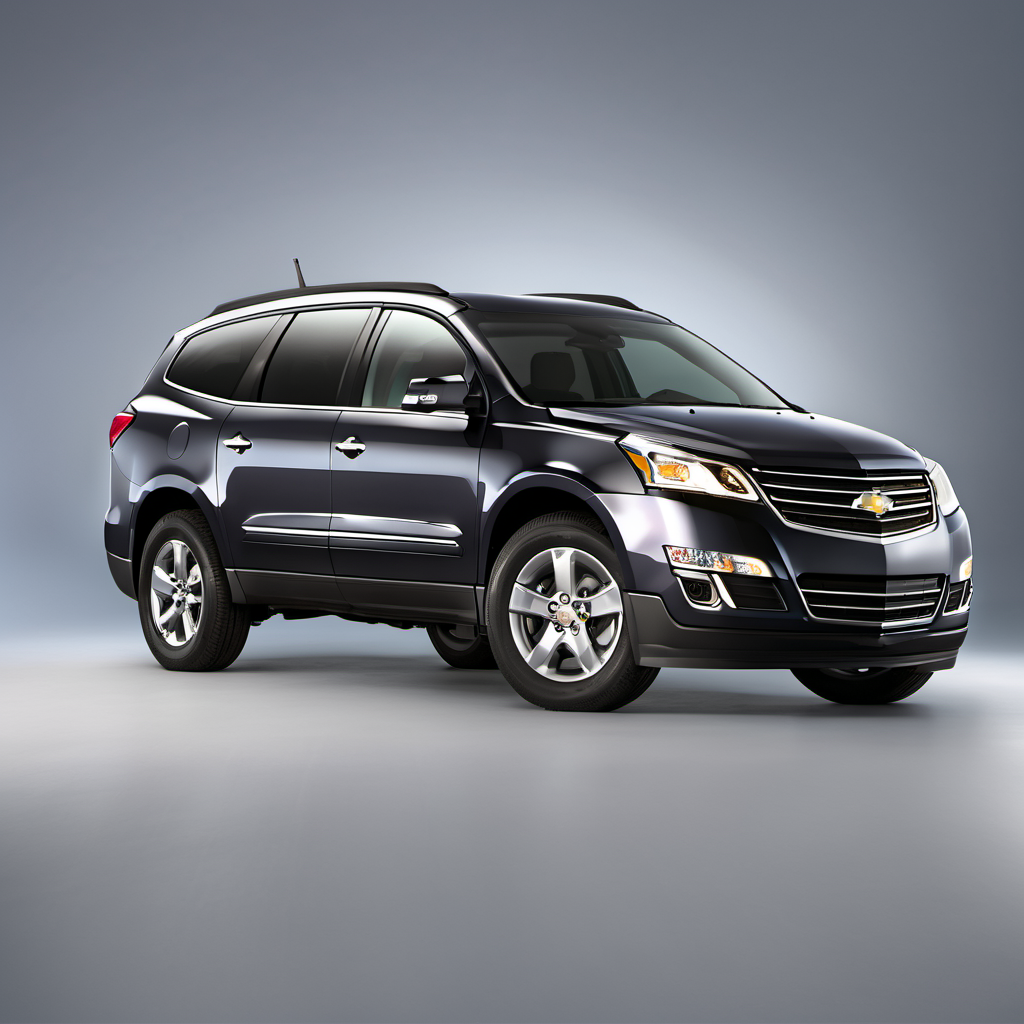
Larger three-row crossover at a similar price point with a more proven naturally aspirated V6. More interior room but worse fuel economy and less towing capacity.

Class-leading reliability reputation in this segment, comparable three-row seating, and a smoother transmission history. Slightly less towing but significantly fewer ownership headaches.
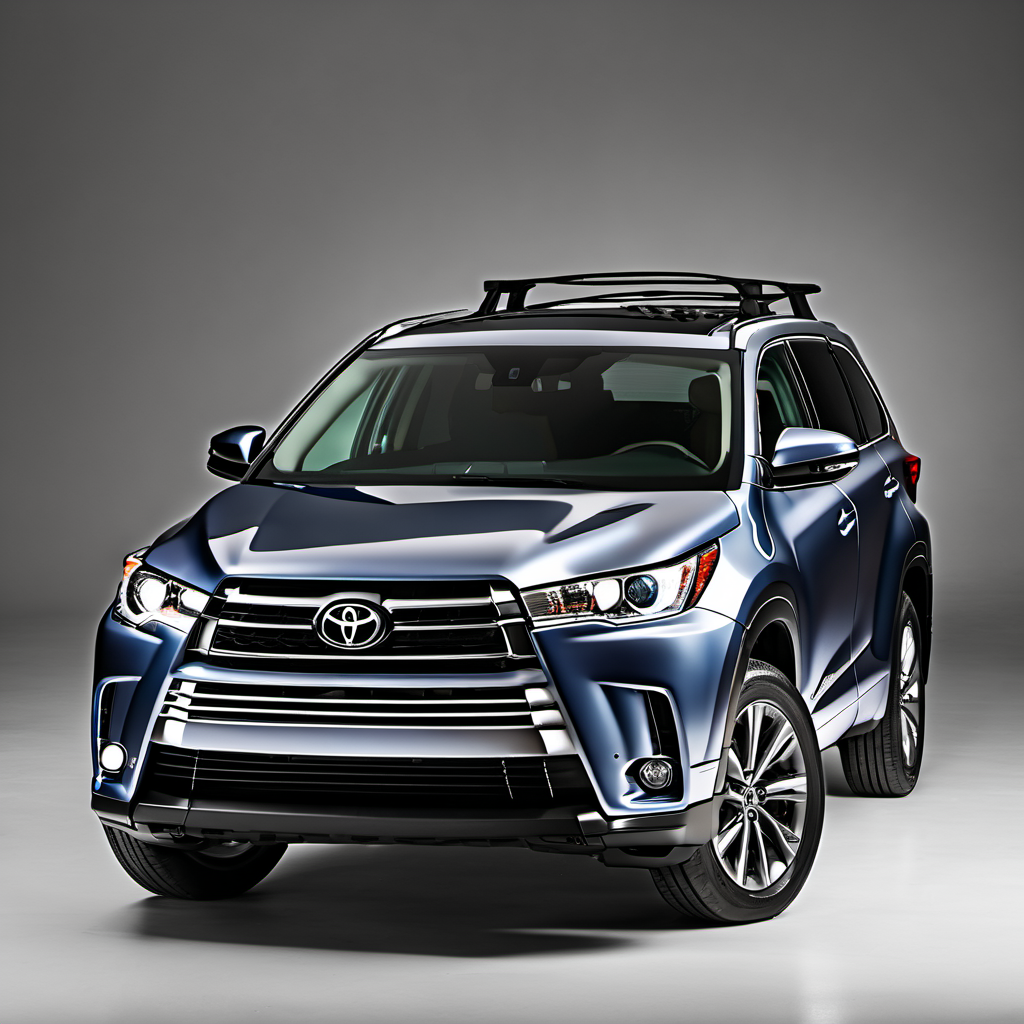
Top reliability scores, strong resale value, and a V6 that ages gracefully. Costs more used but tends to need less unplanned repair spend. Better long-term value for Wisconsin winters.
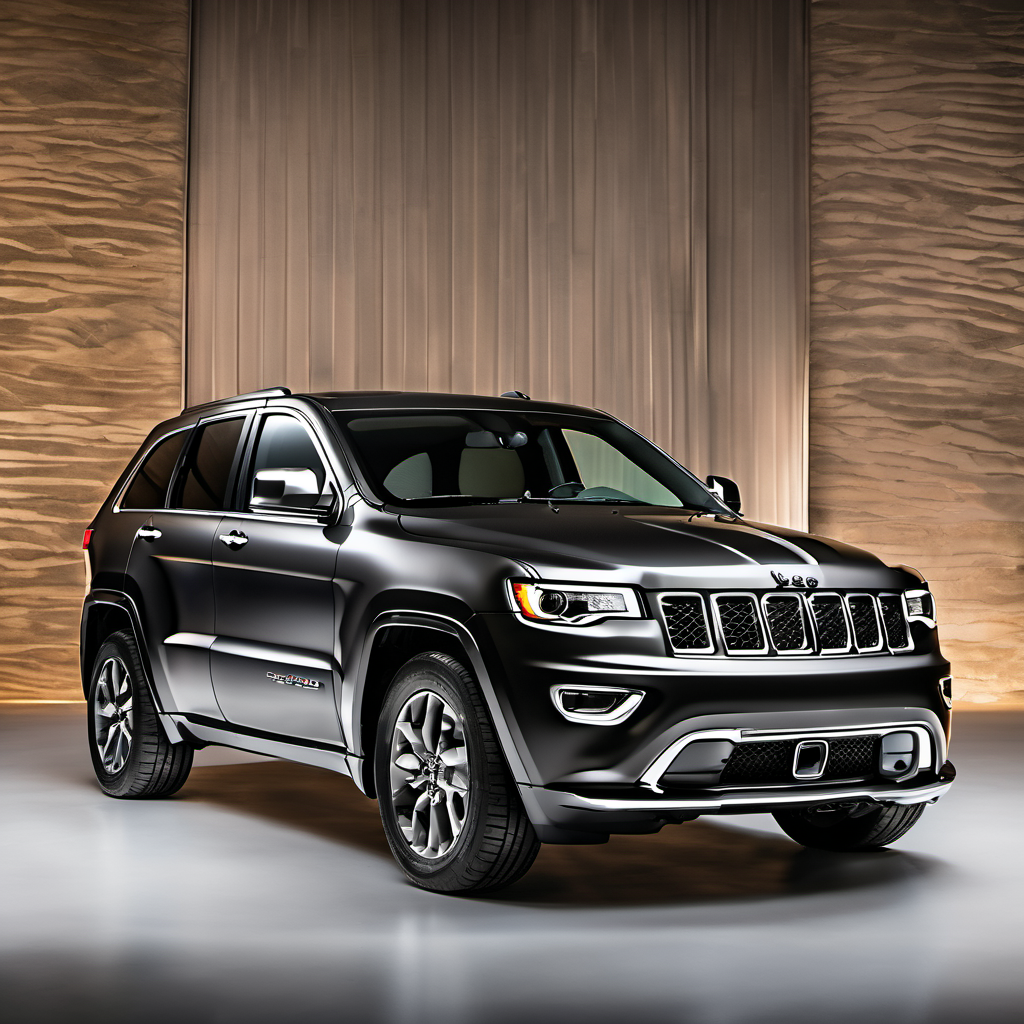
Two-row alternative with superior off-road capability and available V8. Better for towing and AWD performance in snow, though it trades the third row and has its own reliability quirks.