Timing Chain Stretch / VVT Solenoid Failure (3.6L)
high- Typically appears
- 80–140k mi
- Estimated repair
- $800 – $2,200
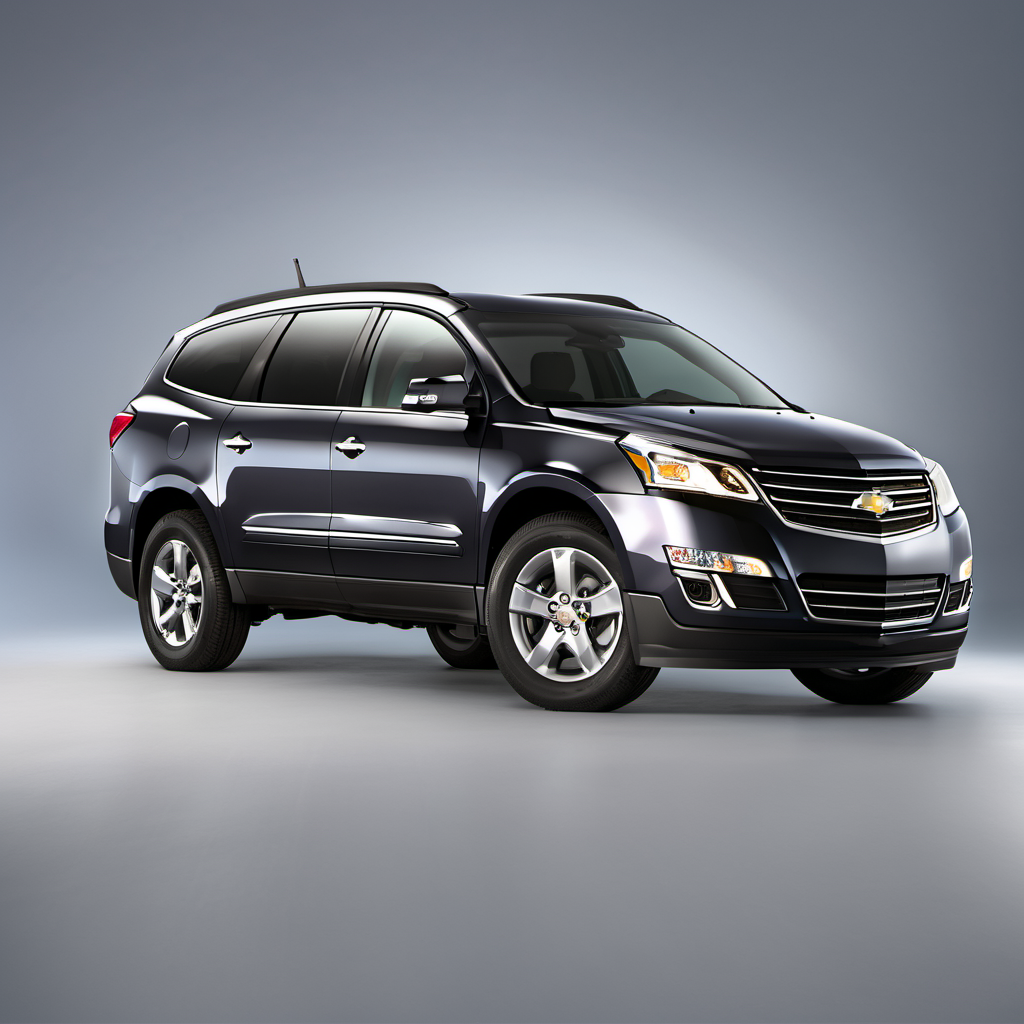
2017 Chevrolet
SUV
The 2017 Chevrolet Traverse is a three-row, full-size crossover SUV built on GM's Lambda platform — the same bones shared with the Buick Enclave and GMC Acadia. This is the final model year of the first-generation Traverse before a complete redesign arrived for 2018. It seats up to 8 passengers and delivers a roomy, family-friendly interior with a relatively large cargo area by class standards. Power comes exclusively from GM's 3.6L SIDI (Spark Ignition Direct Injection) V6, paired with a 6-speed automatic. The engine is capable and smooth at highway speeds, but it carries a well-documented history of timing chain wear, oil consumption, and AFM/VVT-related problems that owners should know about before buying. For a Lake Geneva family hauler, the Traverse is a practical choice — ample seating, available AWD, and easy to live with day-to-day. Just go in with eyes open on the powertrain maintenance demands. A vehicle with clean oil change records and no VVT-related codes is worth more than one without.
The 2017 Chevrolet Traverse is a three-row, full-size crossover SUV built on GM's Lambda platform — the same bones shared with the Buick Enclave and GMC Acadia. This is the final model year of the first-generation Traverse before a complete redesign arrived for 2018. It seats up to 8 passengers and delivers a roomy, family-friendly interior with a relatively large cargo area by class standards. Power comes exclusively from GM's 3.6L SIDI (Spark Ignition Direct Injection) V6, paired with a 6-speed automatic. The engine is capable and smooth at highway speeds, but it carries a well-documented history of timing chain wear, oil consumption, and AFM/VVT-related problems that owners should know about before buying. For a Lake Geneva family hauler, the Traverse is a practical choice — ample seating, available AWD, and easy to live with day-to-day. Just go in with eyes open on the powertrain maintenance demands. A vehicle with clean oil change records and no VVT-related codes is worth more than one without.
The 3.6L SIDI's timing chain and VVT system are oil-pressure dependent. Stretched chains and sludged solenoids are almost always tied to extended oil change intervals. This is the single most important thing you can do for this engine.
The 3.6L can consume oil between changes, especially above 80k miles. Running a quart or more low accelerates VVT wear. Takes 30 seconds with the dipstick.
The 6-speed automatic is generally solid, but fluid darkens and shears over time. Fresh fluid at this interval is cheap insurance against harsh shifts and premature clutch wear.
DEX-COOL is a long-life coolant, but Wisconsin's freeze-thaw cycles stress the cooling system. Verify freeze protection every fall — aim for protection to at least -34°F.
The rear bank plugs on the 3.6L are difficult to access and labor-intensive to replace. If the vehicle is approaching this interval, do all six at once to avoid a repeat job.
Brake fluid is hygroscopic — it absorbs moisture over time. In Wisconsin's harsh winters, degraded fluid lowers the boiling point and can accelerate corrosion inside ABS modulators.
Lake Geneva roads are heavily salted. Steel brake lines and fuel lines on this platform are known to rust through in the upper Midwest. Catching surface rust early with fluid film or undercoating is far cheaper than emergency line replacement.
The 3.6L has a higher-than-average accessory load. A battery that tests marginal in October will likely fail in January. Replace proactively at 4–5 years in Wisconsin's climate.
Always defer to the manufacturer's service manual for warranty-mandated intervals.
The Traverse is an affordable-to-buy family hauler, but fuel costs are higher than newer crossovers. Maintenance is reasonable if the owner stays on top of oil changes. The risk item is a VVT or timing chain job — that $800–$2,200 repair can surprise owners who bought with deferred maintenance. Budget for it as a possibility on any example over 80k miles.

Same three-row family SUV segment, similar pricing and size. The Explorer has a stiffer, more car-like ride but the Traverse edges it on rear-row legroom. Both share timing chain and VVT sensitivities on their V6 engines.
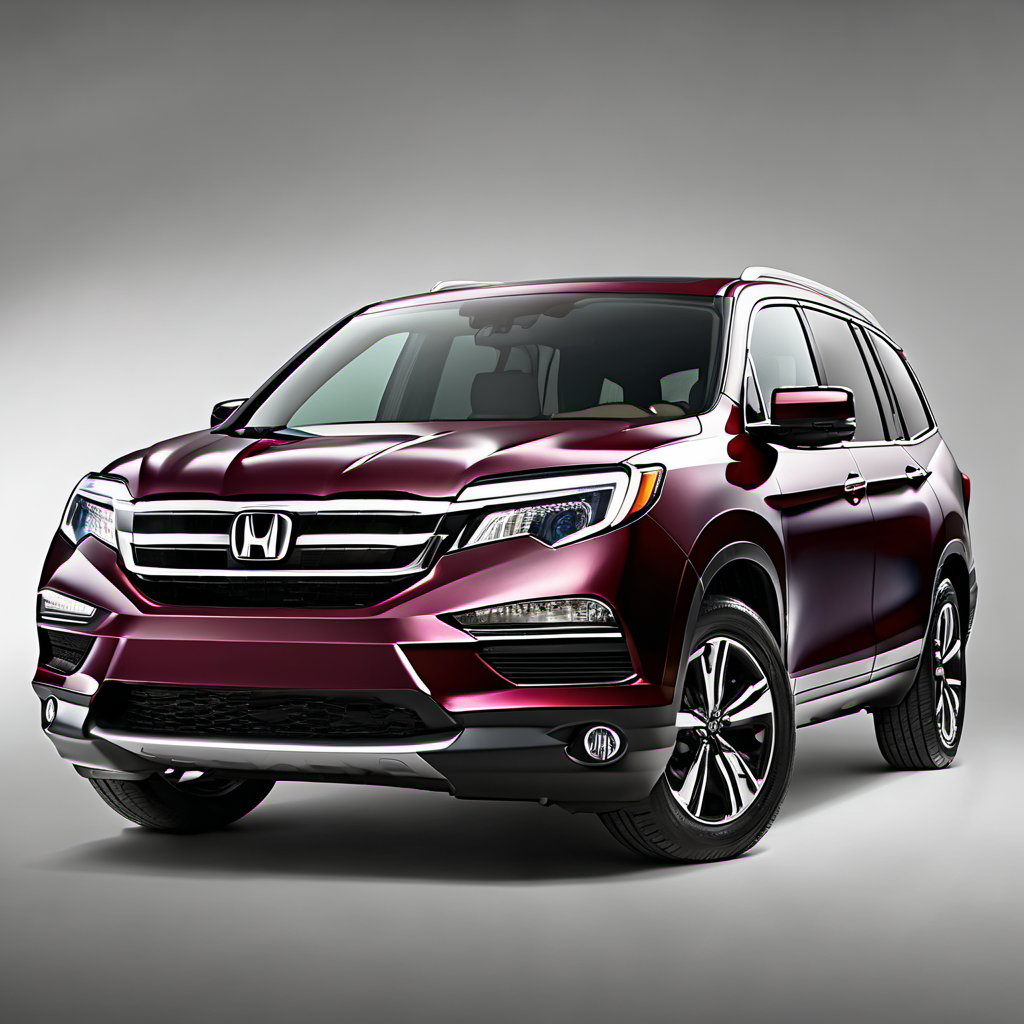
The Pilot is the reliability-first alternative — Honda's 3.5L V6 and 9-speed automatic are generally more durable long-term, though the transmission had early stumble issues in 2016–17. Slightly less interior volume than the Traverse.
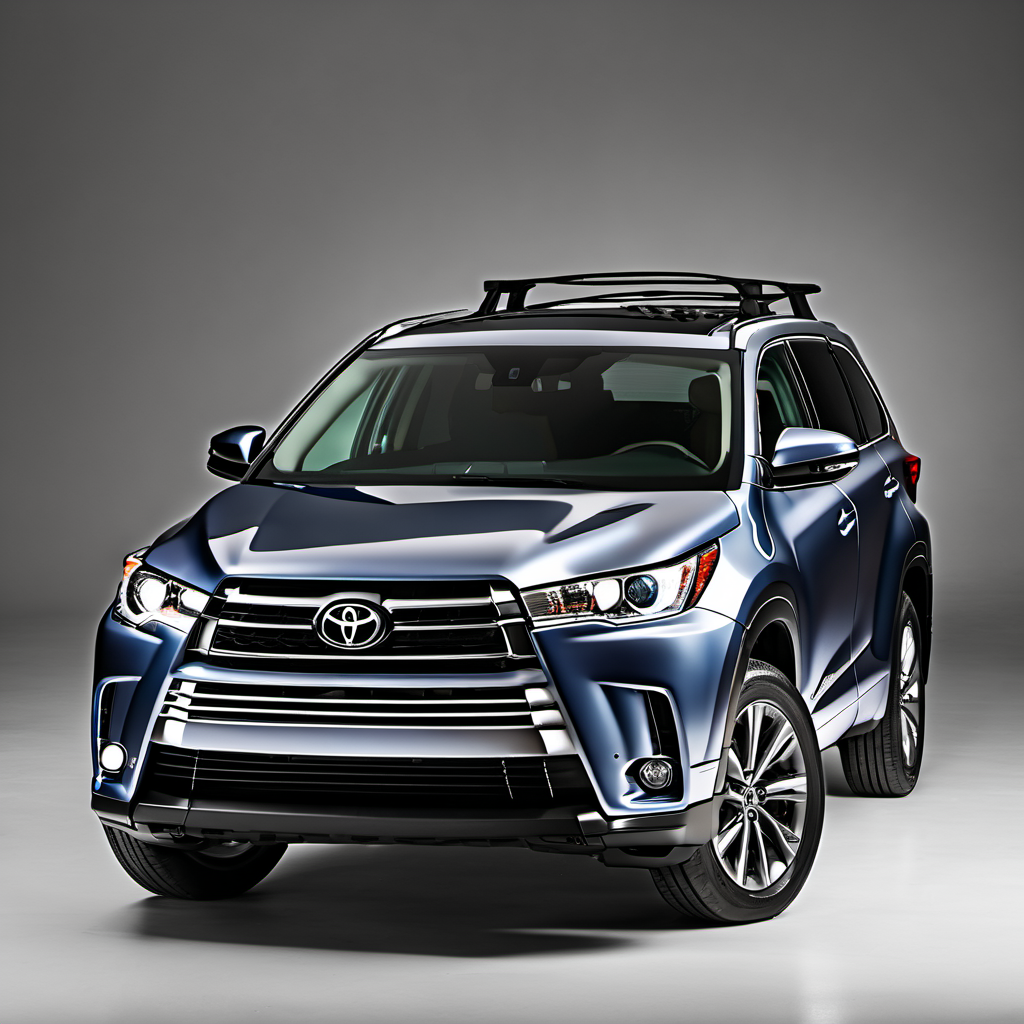
Toyota's three-row entry offers best-in-class long-term reliability and strong resale. Smaller interior than the Traverse but better fuel economy and lower maintenance risk. Costs more to buy used for the same mileage.
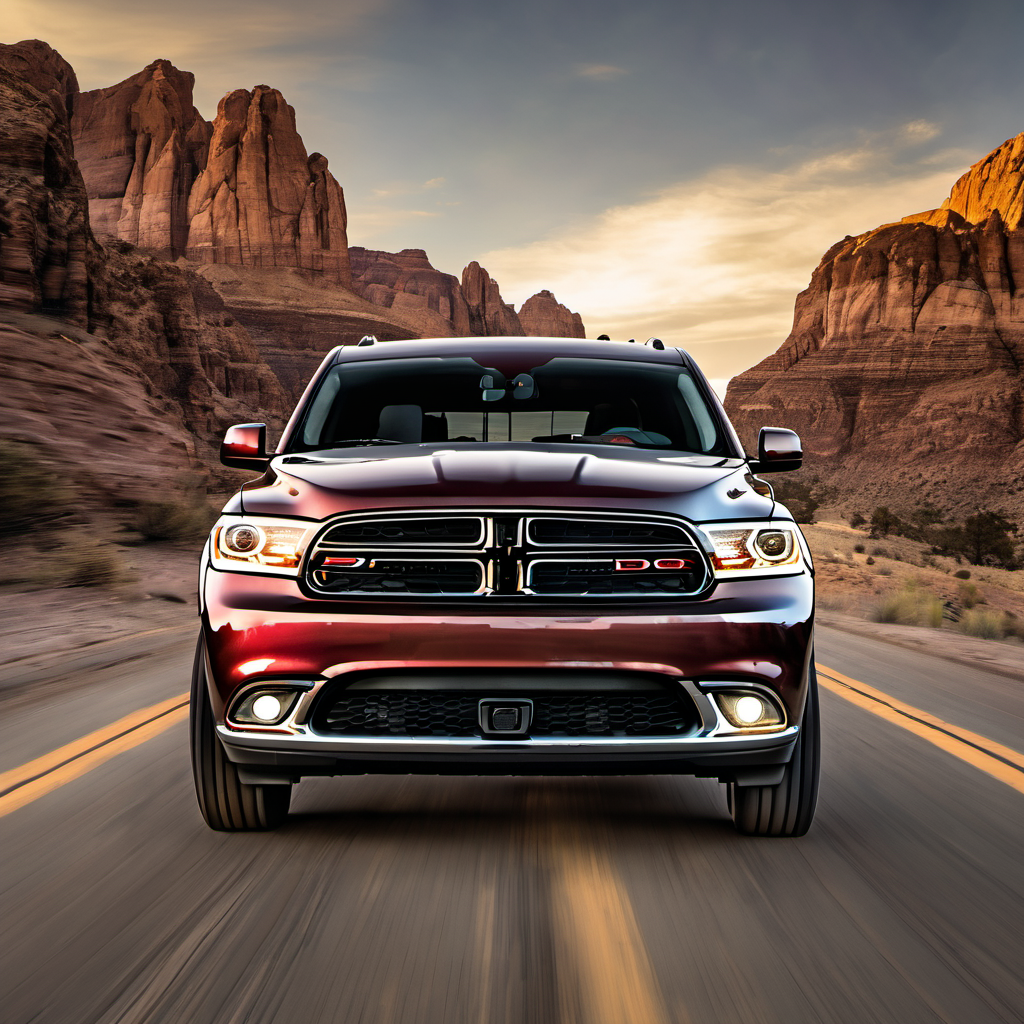
If AWD and towing matter, the Durango's Pentastar V6 offers more tow rating and a more rugged platform. Slightly less third-row space than the Traverse but a strong competitor in price and features at this model year.