CVT Transmission Shudder or Failure
high- Typically appears
- 70–120k mi
- Estimated repair
- $3,500 – $5,500
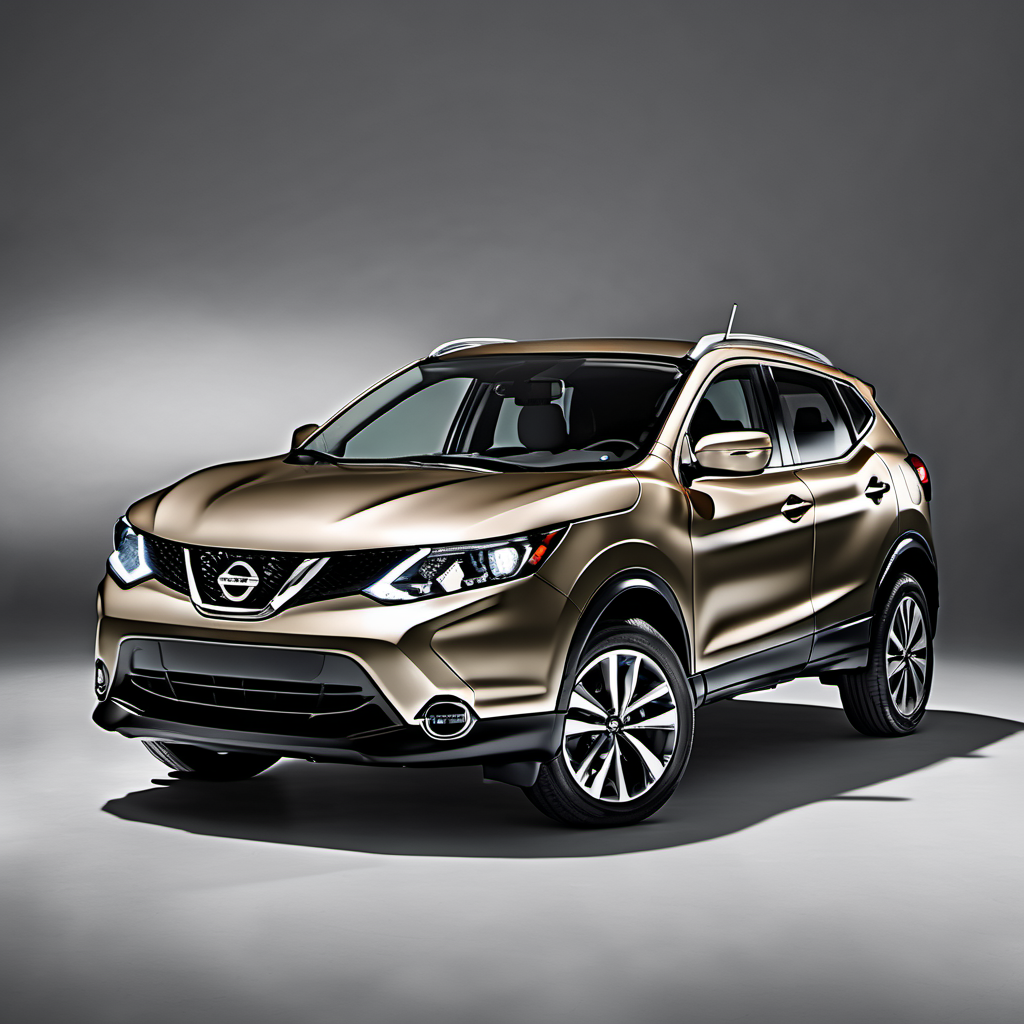
2017 Nissan
SUV
The 2017 Nissan Rogue is a compact crossover SUV that became one of the best-selling vehicles in America during this generation. It seats five comfortably (with an optional third-row bench for two small children), offers a practical cargo area with Nissan's clever dual-level floor system, and delivers solid real-world fuel economy from its 2.5L four-cylinder paired to a CVT. This generation (2014–2020) refined the Rogue into a genuinely competent family hauler. The ride is smooth, the interior is well-thought-out for families, and the safety scores are strong. It's not exciting to drive, but that's not why people buy it. The main things to keep in mind on a used 2017 example are CVT health and the condition of the timing chain system — both are sensitive to oil change discipline. A Rogue that's been serviced on schedule is typically a reliable, low-drama ownership experience. One that's been neglected can get expensive fast.
The 2017 Nissan Rogue is a compact crossover SUV that became one of the best-selling vehicles in America during this generation. It seats five comfortably (with an optional third-row bench for two small children), offers a practical cargo area with Nissan's clever dual-level floor system, and delivers solid real-world fuel economy from its 2.5L four-cylinder paired to a CVT. This generation (2014–2020) refined the Rogue into a genuinely competent family hauler. The ride is smooth, the interior is well-thought-out for families, and the safety scores are strong. It's not exciting to drive, but that's not why people buy it. The main things to keep in mind on a used 2017 example are CVT health and the condition of the timing chain system — both are sensitive to oil change discipline. A Rogue that's been serviced on schedule is typically a reliable, low-drama ownership experience. One that's been neglected can get expensive fast.
Nissan's CVT is the single biggest reliability risk on this vehicle. Fresh fluid is the cheapest insurance you can buy. Use only Nissan NS-3 CVT fluid or a certified equivalent.
The timing chain and VVT solenoids on the QR25DE engine are oil-pressure dependent. Stretched intervals accelerate chain wear and can trigger P0012/P0015 codes.
Dusty Midwest roads and pollen load up filters faster than the 30k interval Nissan lists. A clogged filter hurts fuel economy noticeably on a CVT-equipped vehicle.
Often neglected. A blocked cabin filter strains the blower motor and reduces defrost effectiveness — critical for Wisconsin winters.
Brake fluid absorbs moisture over time. In freeze-thaw cycles, degraded fluid can contribute to ABS modulator corrosion, which is an expensive repair on this platform.
Factory iridium plugs are long-lived, but worn plugs cause misfires that the CVT's ECU can interpret as transmission shudder — confirm plug condition before chasing drivetrain complaints.
FWD Rogues wear front tires faster. Uneven wear on a CVT vehicle increases drivetrain vibration that can be misdiagnosed as a transmission issue.
Wisconsin road salt attacks brake lines, fuel lines, and subframe mounting points. Catching surface rust early is far cheaper than replacing brake lines or welding subframe brackets.
Always defer to the manufacturer's service manual for warranty-mandated intervals.
The Rogue is a reasonable cost-of-ownership vehicle if — and this is a big if — you stay on top of CVT fluid and oil changes. Normal annual maintenance runs $500–$1,000 at an independent shop covering oil changes, filters, and rotations. The budget risk is the CVT: a single fluid-neglect failure can cost more than a full year's worth of ownership costs combined. Budget $3,500–$5,500 as a contingency if you're buying used without a clean service history.
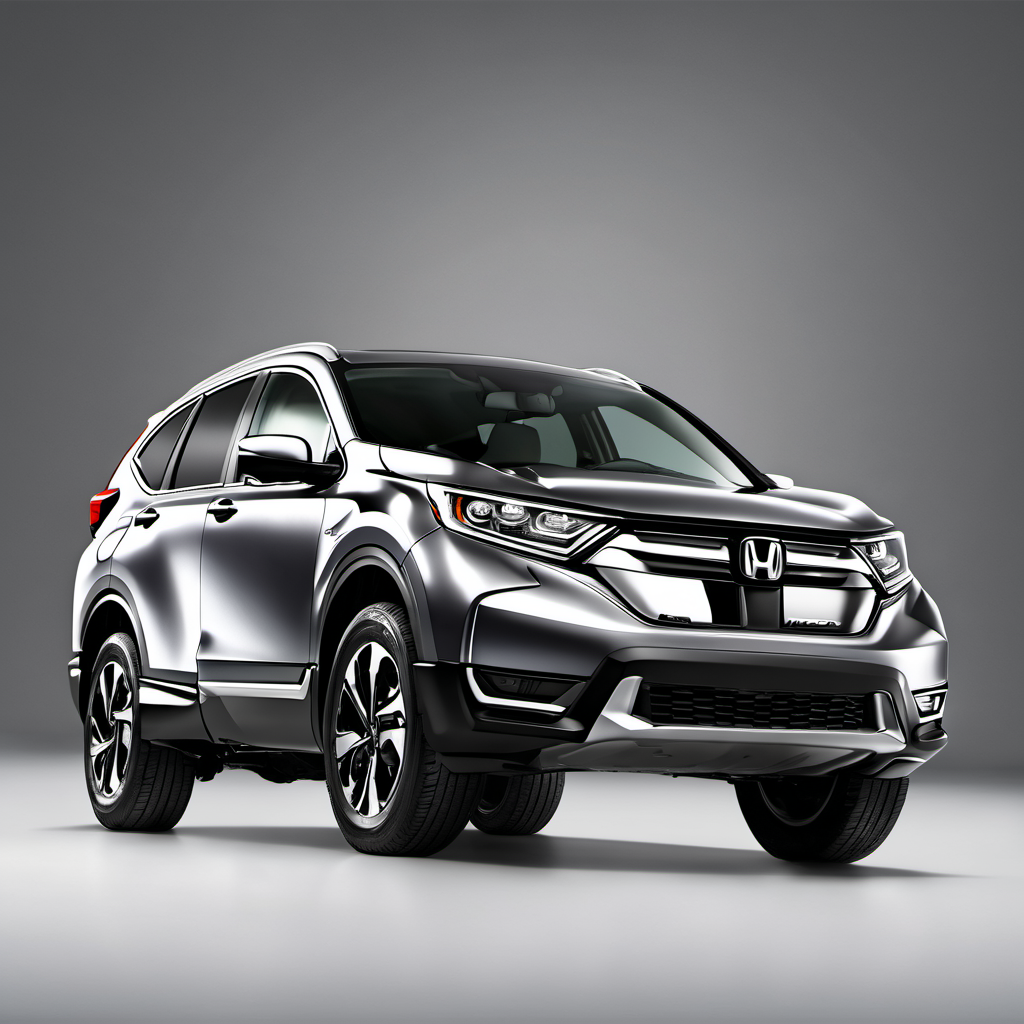
The CR-V is the segment benchmark — more cargo space, better long-term reliability reputation (especially transmission), and similar pricing. If you find a CR-V and a Rogue at the same price, the CR-V is generally the safer used-car bet.
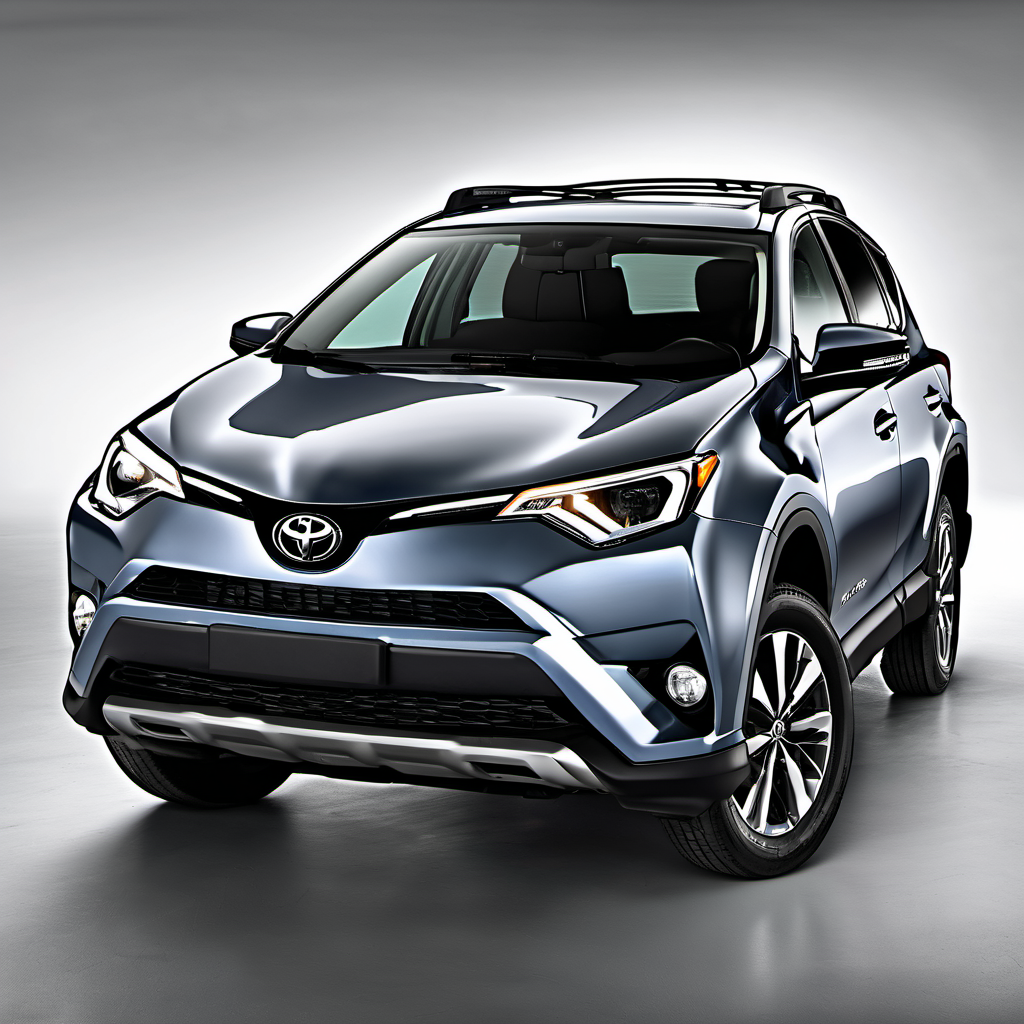
The RAV4 uses a conventional automatic transmission instead of a CVT, which is a meaningful long-term reliability advantage. Slightly thirstier on fuel but a proven powertrain that's much more forgiving of imperfect service history.
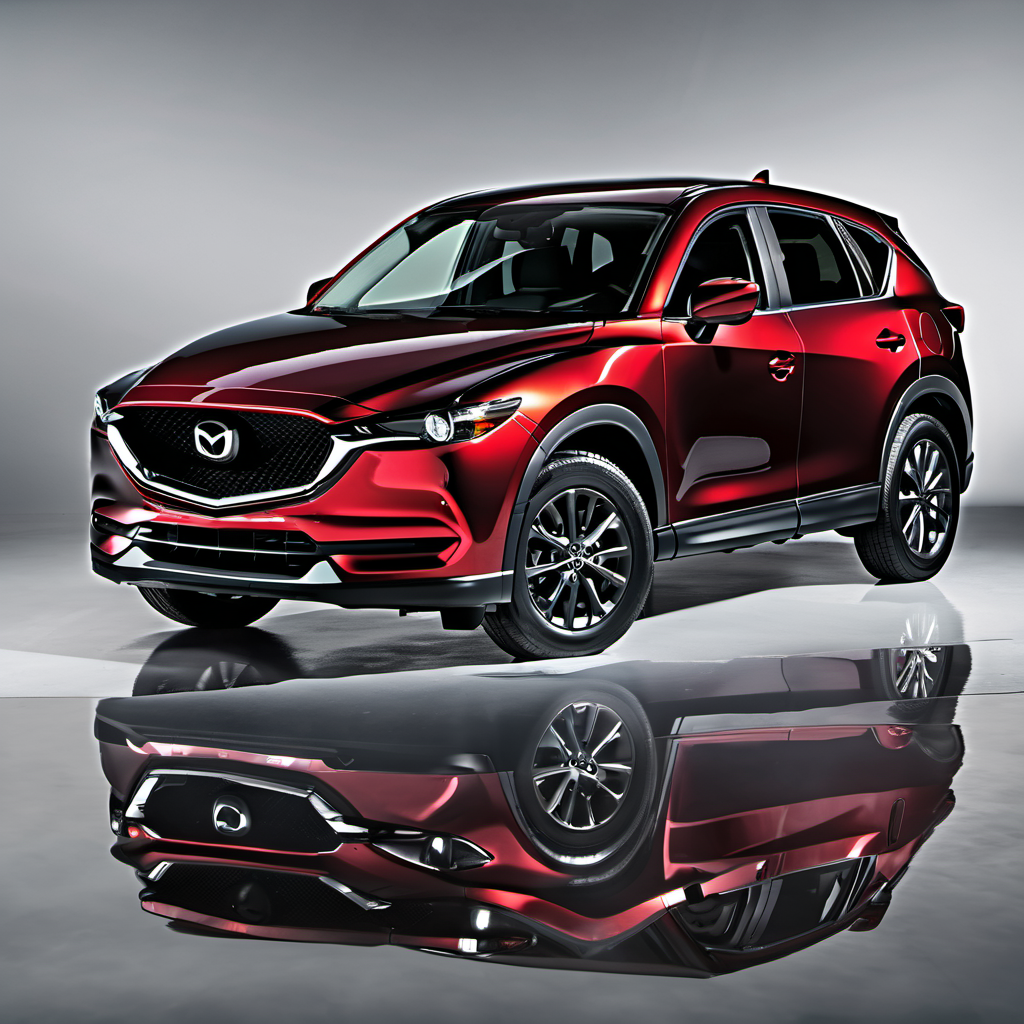
The CX-5 drives better than the Rogue, has strong reliability ratings, and holds its value well. Slightly smaller cargo area, but the 2.5L SKYACTIV engine is one of the most dependable in the class.
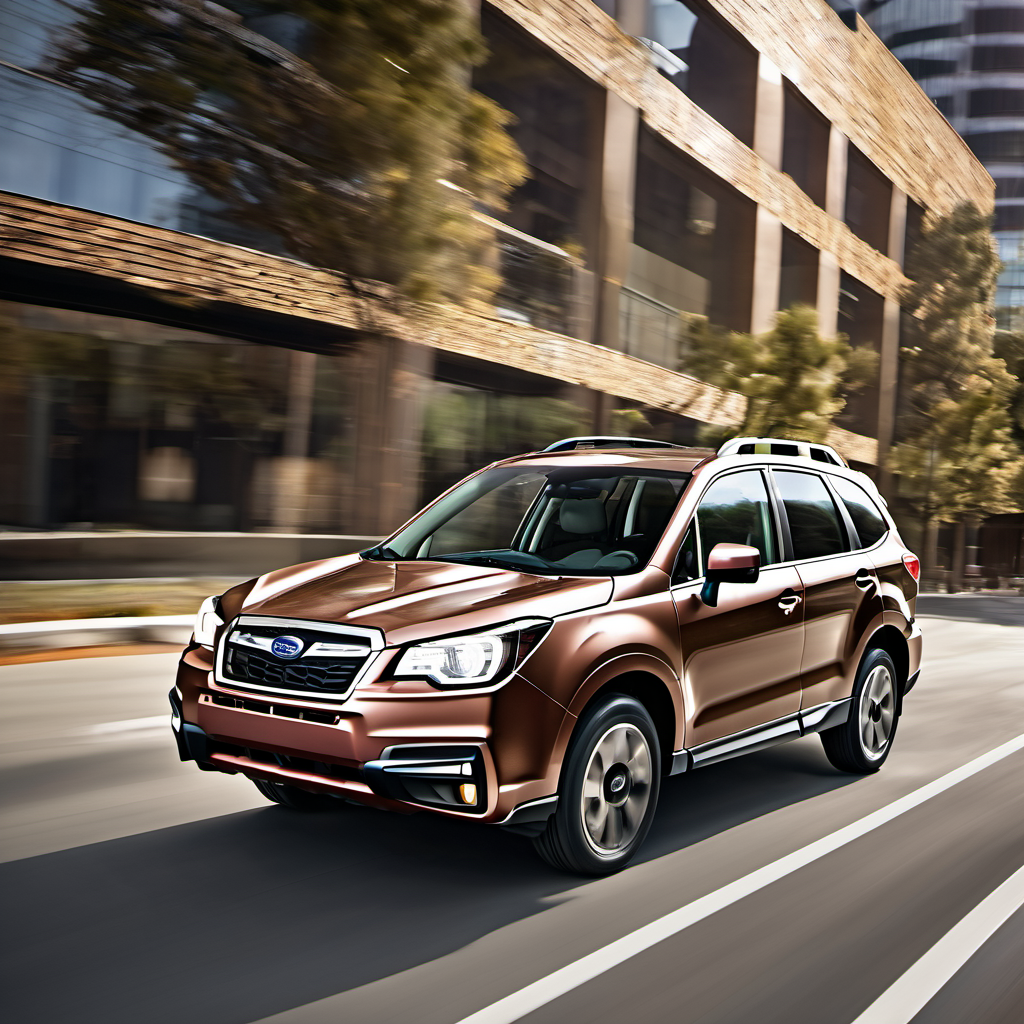
Standard AWD makes the Forester a strong Wisconsin winter alternative at a similar price point. Excellent visibility and practical cargo space. Watch for head gasket history on higher-mileage examples.