VVT Cam Phaser / Timing Chain Wear
medium- Typically appears
- 80–130k mi
- Estimated repair
- $800 – $2,200
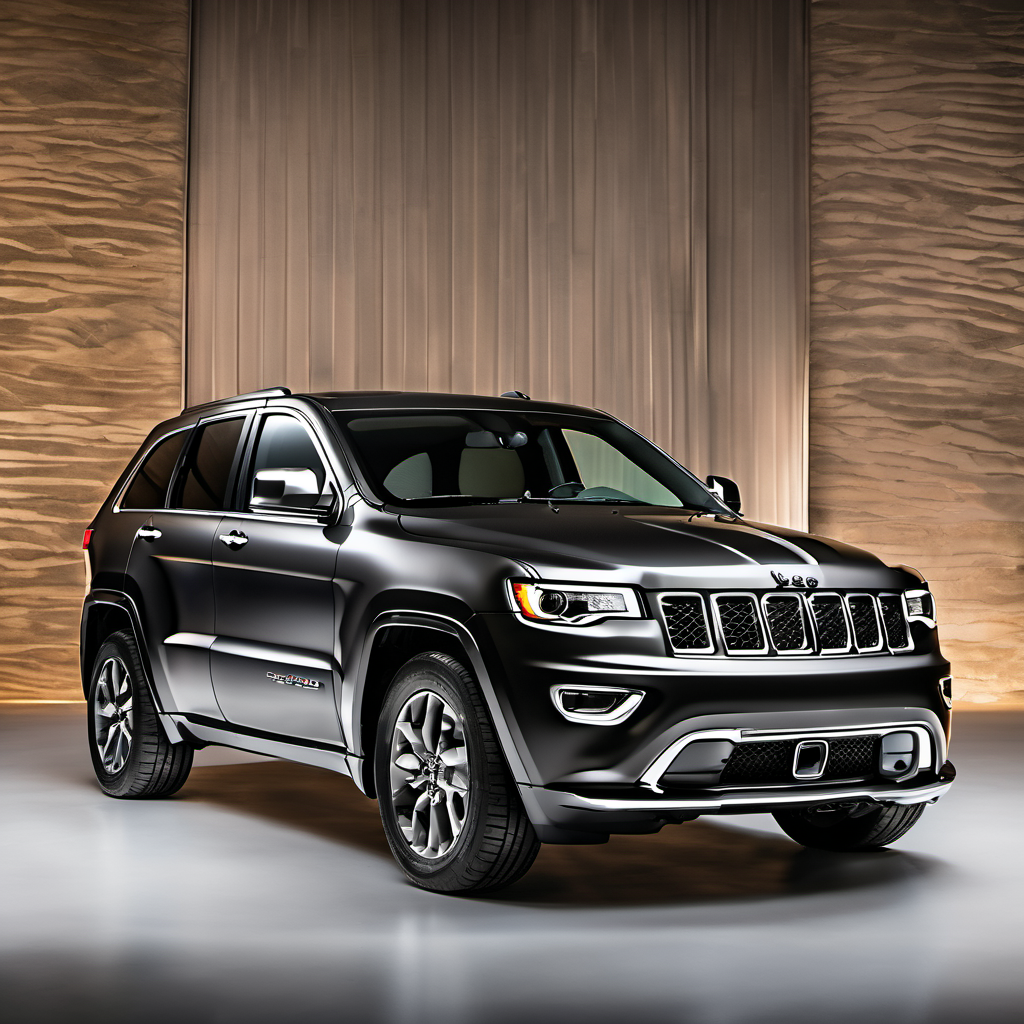
2017 Jeep
SUV
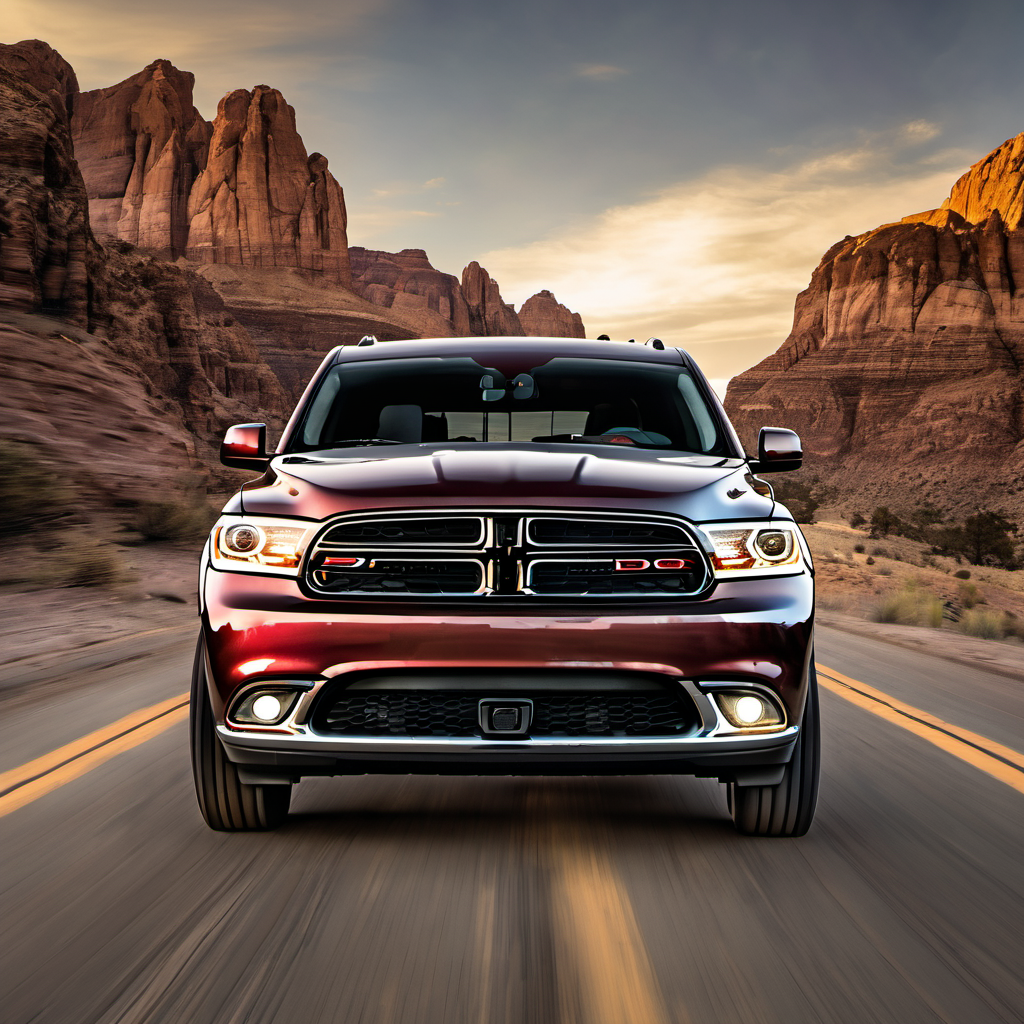
The 2017 Jeep Grand Cherokee is a mid-size SUV that strikes a balance between everyday comfort and genuine off-road capability. With the standard 3.6L Pentastar V6, it delivers adequate power for family hauling and light towing while offering a refined cabin that punches above its price class. Jeep's Quadra-Trac and Quadra-Drive 4WD systems give the WK2-generation Grand Cherokee real versatility — from Wisconsin snowstorms to gravel trails — making it one of the more well-rounded choices in the segment. The 2017 model year sits late in the WK2 generation (2011–2021), which means most early-generation kinks had been worked out. The Uconnect infotainment system is widely regarded as one of the best in its class. Trailhawk and Overland trims add luxury or off-road credentials depending on your priorities. Tow ratings reach up to 6,200 lbs with the V6, making it a practical choice for light trailer or boat duty. That said, the Grand Cherokee carries a mixed reliability reputation. Electronics, air suspension (on equipped trims), and the EVIC cluster can be problematic, and FCA's recall history for this generation is notable. Ownership costs are moderate for the segment, but expect higher-than-average repair bills when things do go wrong.
The 2017 Jeep Grand Cherokee is a mid-size SUV that strikes a balance between everyday comfort and genuine off-road capability. With the standard 3.6L Pentastar V6, it delivers adequate power for family hauling and light towing while offering a refined cabin that punches above its price class. Jeep's Quadra-Trac and Quadra-Drive 4WD systems give the WK2-generation Grand Cherokee real versatility — from Wisconsin snowstorms to gravel trails — making it one of the more well-rounded choices in the segment. The 2017 model year sits late in the WK2 generation (2011–2021), which means most early-generation kinks had been worked out. The Uconnect infotainment system is widely regarded as one of the best in its class. Trailhawk and Overland trims add luxury or off-road credentials depending on your priorities. Tow ratings reach up to 6,200 lbs with the V6, making it a practical choice for light trailer or boat duty. That said, the Grand Cherokee carries a mixed reliability reputation. Electronics, air suspension (on equipped trims), and the EVIC cluster can be problematic, and FCA's recall history for this generation is notable. Ownership costs are moderate for the segment, but expect higher-than-average repair bills when things do go wrong.
The Pentastar VVT system is oil-pressure-dependent. Dirty or degraded oil is the leading cause of cam phaser and timing chain wear. Short winter trips cause oil contamination faster — shorten the interval if most driving is under 10 miles.
FCA lists this as 'lifetime' fluid, but independent shops consistently see shudder, hard shifts, and wear damage on units that never had a fluid change. Fresh Mopar ATF+4 or equivalent ZF-approved fluid at 40k keeps the 8-speed healthy.
Often skipped but critical on 4WD-capable SUVs driven in Wisconsin winters. Moisture intrusion and thermal cycling degrade fluid. Neglect leads to expensive differential and transfer case rebuilds.
The Pentastar V6 is known to foul or wear plugs on the rear bank (cylinders 4–6) due to the engine's rearward tilt. Worn plugs stress the ignition coils and can cause misfires that are misdiagnosed as more serious issues.
WK2 coolant passages can develop small leaks at the water pump and thermostat housing. Inspect hoses and clamps annually. Degraded coolant accelerates corrosion of the aluminum engine block.
The Grand Cherokee's TIPM is sensitive to low voltage. A weak battery in sub-zero temps can trigger a cascade of false fault codes and electrical gremlins that are expensive to chase. Replace proactively at 4–5 years.
Brake fluid is hygroscopic and absorbs moisture. Wisconsin road salt accelerates corrosion in brake lines and calipers. Fresh fluid preserves ABS/ESC system components.
Lake Geneva roads see heavy salt from November through March. Inspect brake lines, fuel lines, and suspension components for rust every spring. Early treatment prevents failures and costly replacements.
Always defer to the manufacturer's service manual for warranty-mandated intervals.
The Grand Cherokee sits in the middle of the pack for mid-size SUV ownership costs. Routine maintenance is affordable if you use a trusted independent shop. The risk is the tail — air suspension repairs, transmission work, and TIPM replacement can push a single-year cost well above $3,000. Keeping fluids fresh and catching issues early is the best protection against expensive surprises.
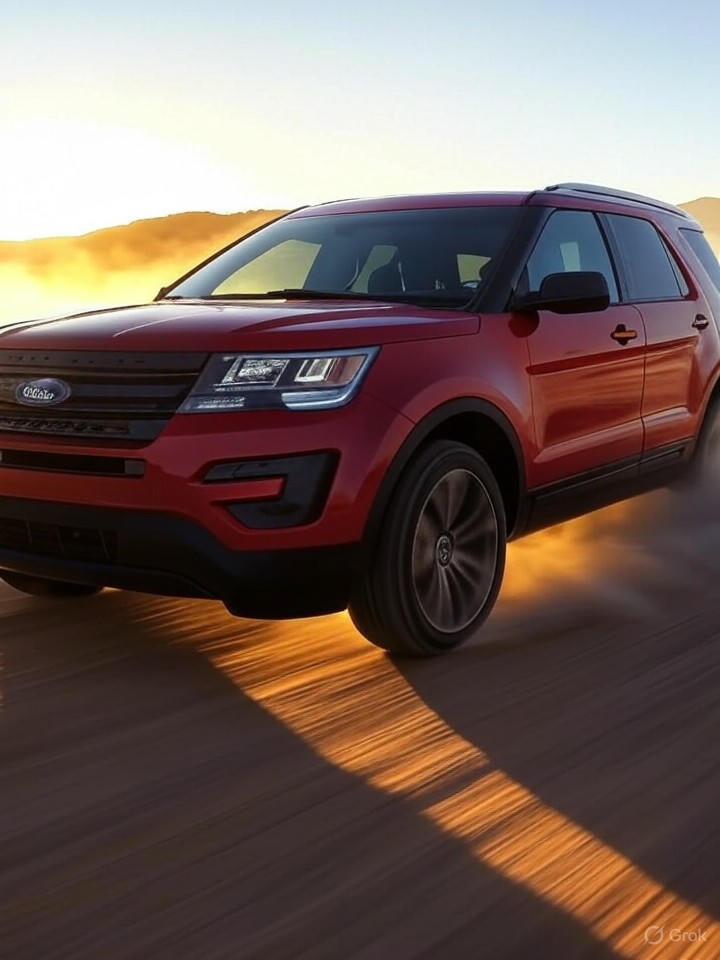
Similar size, price, and family-SUV mission. The Explorer offers a third row the Grand Cherokee lacks, but the Grand Cherokee edges it on off-road capability and interior feel.
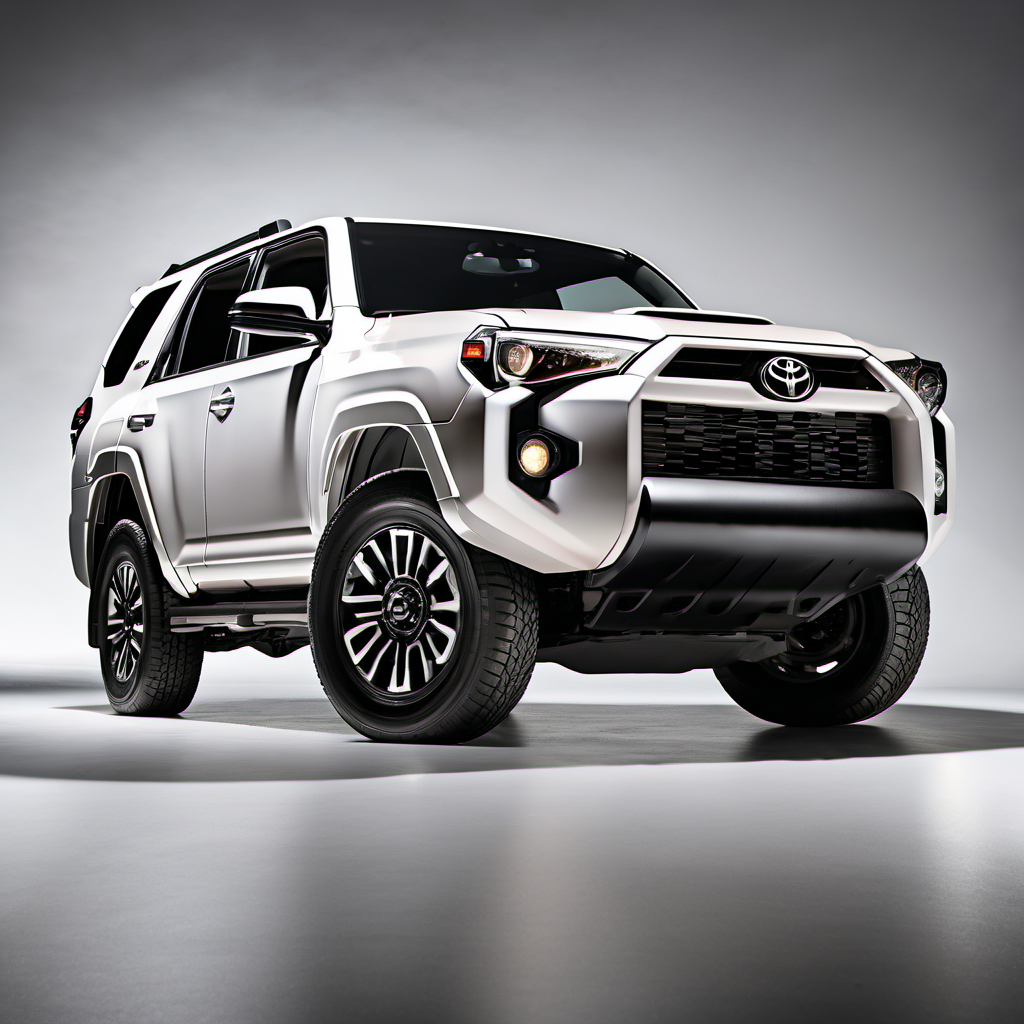
Body-on-frame rival with superior long-term reliability and off-road credentials. Less refined on-road than the Grand Cherokee but significantly more durable over 150k+ miles.
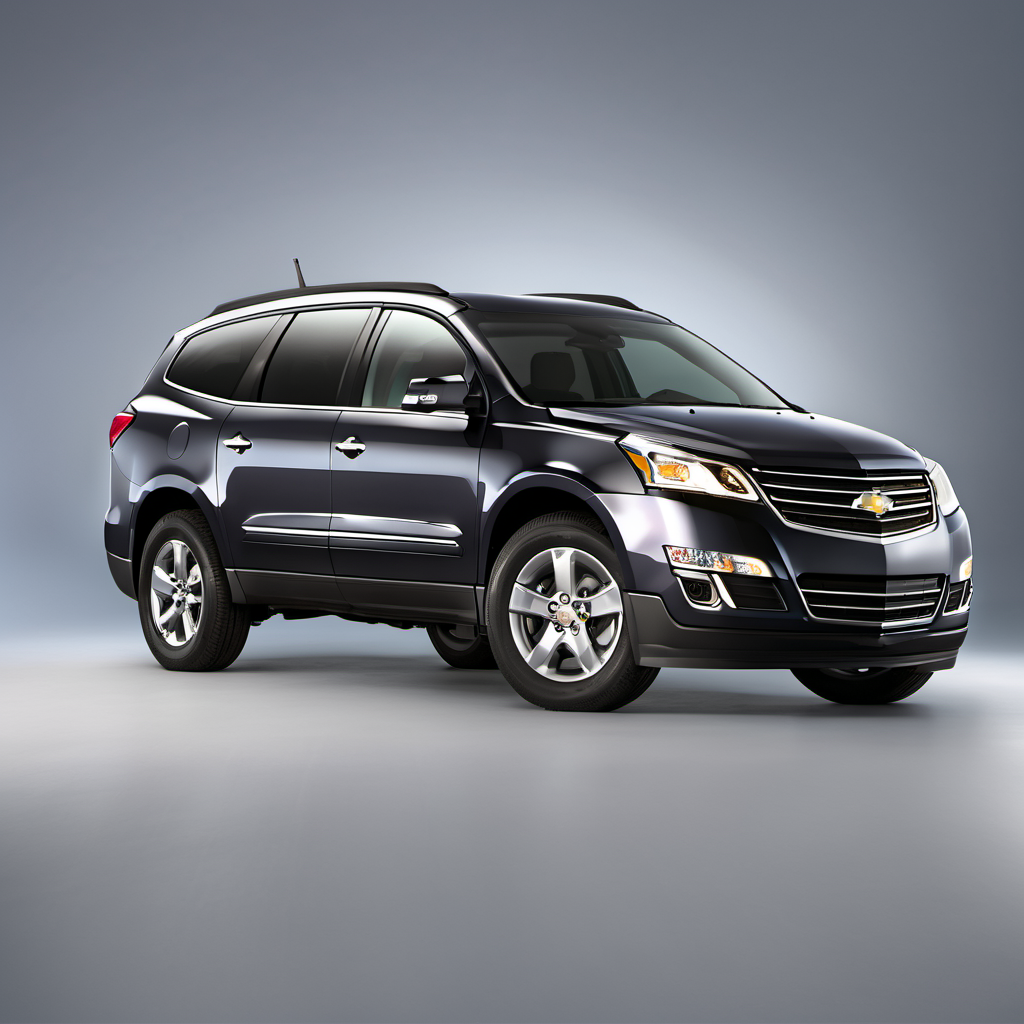
Larger, more family-oriented crossover at a similar price. Better third-row space and reliability track record, but less off-road capability and a less premium interior.
Shares the Grand Cherokee's platform and Pentastar engine. Adds a third row and higher tow rating. Nearly identical ownership cost profile — choose based on whether you need the extra row.