VVT-i Oil Feed Line Cracking / Oil Leak
high- Typically appears
- 80–150k mi
- Estimated repair
- $150 – $450
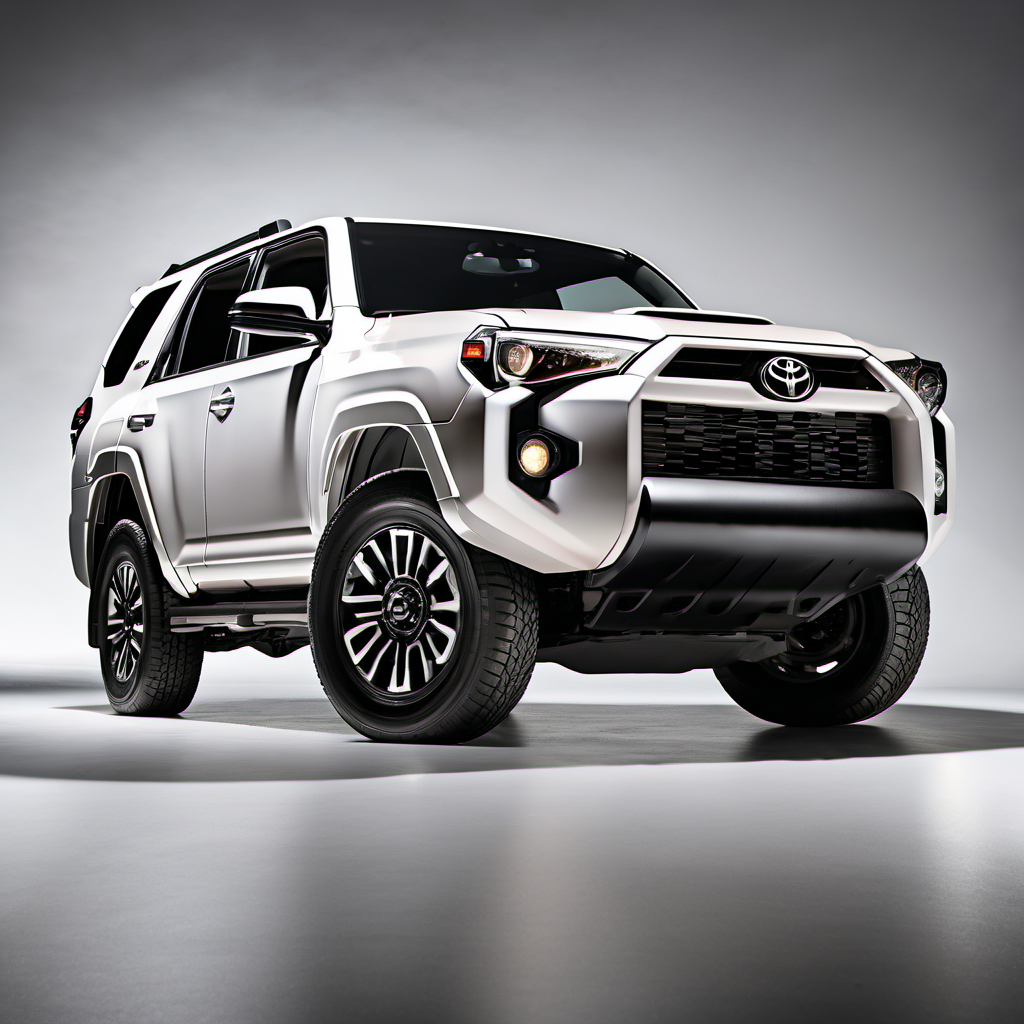
2017 Toyota
SUV
The 2017 Toyota 4Runner is a body-on-frame midsize SUV that has remained largely unchanged since the fifth generation launched in 2010 — and that's a feature, not a bug. Toyota leaned into proven mechanicals over trend-chasing, giving the 4Runner a reputation for lasting well past 200,000 miles with routine maintenance. Its 4.0L V6 and sturdy transfer case make it one of the most capable off-road SUVs at any price point. Inside, the 4Runner trades some refinement for toughness. The ride is truck-firm, the cabin is dated by modern standards, and fuel economy is among the worst in the segment. But owners consistently keep these for 15+ years because the powertrain is nearly bulletproof and repair costs stay low relative to mileage. For Lake Geneva drivers, the available 4WD system (note: the base RWD trim is less capable in winter) and high ground clearance make it a solid year-round choice — as long as you budget for fuel.
The 2017 Toyota 4Runner is a body-on-frame midsize SUV that has remained largely unchanged since the fifth generation launched in 2010 — and that's a feature, not a bug. Toyota leaned into proven mechanicals over trend-chasing, giving the 4Runner a reputation for lasting well past 200,000 miles with routine maintenance. Its 4.0L V6 and sturdy transfer case make it one of the most capable off-road SUVs at any price point. Inside, the 4Runner trades some refinement for toughness. The ride is truck-firm, the cabin is dated by modern standards, and fuel economy is among the worst in the segment. But owners consistently keep these for 15+ years because the powertrain is nearly bulletproof and repair costs stay low relative to mileage. For Lake Geneva drivers, the available 4WD system (note: the base RWD trim is less capable in winter) and high ground clearance make it a solid year-round choice — as long as you budget for fuel.
The VVT-i system is oil-pressure dependent. Dirty or low oil accelerates OCV solenoid clogging and timing chain wear. Use the viscosity printed on the oil cap — do not go thicker thinking it helps.
This is the single most common failure point on the 1GR-FE engine. A $25–$80 hose replacement prevents potential timing system damage costing thousands.
Factory fill degrades with heat and water contamination. Fresh fluid protects the locking diff actuator and extends transfer case life significantly in Wisconsin's wet and salty conditions.
Toyota's 'lifetime' fluid claim is not realistic past 60k mi. Burnt fluid in the 5-speed A750F causes harsh shifts and shortened clutch life.
Hygroscopic brake fluid absorbs moisture over time, lowering boiling point and promoting caliper and ABS modulator corrosion — a real concern in Wisconsin's salt-heavy winters.
The 4.0L V6 uses iridium plugs with a 60k interval. Worn plugs increase misfires and put stress on ignition coils. Replace all six at once.
While the 5th-gen frame is better than the 4th gen, road salt in Wisconsin still attacks brake lines, fuel lines, and skid plates. Treat exposed metal annually.
Degraded coolant accelerates water pump seal wear and can cause head gasket issues over time. Verify correct Toyota-spec coolant is used — mixing types causes gel deposits.
Always defer to the manufacturer's service manual for warranty-mandated intervals.
The 4Runner has low mechanical maintenance costs for what it is — the drivetrain simply doesn't break often. Annual maintenance on a well-kept example runs $500–$1,000 at an independent shop. The real ownership cost is fuel. Budget $3,000–$5,000/year total for fuel, insurance, and routine maintenance, and substantially less in repair bills than most competing SUVs.

Similar price and family SUV mission, but uses a unibody platform, independent rear suspension, and turbocharged EcoBoost engines. More car-like on-road with better fuel economy, but less capable off-road and historically less reliable long-term.
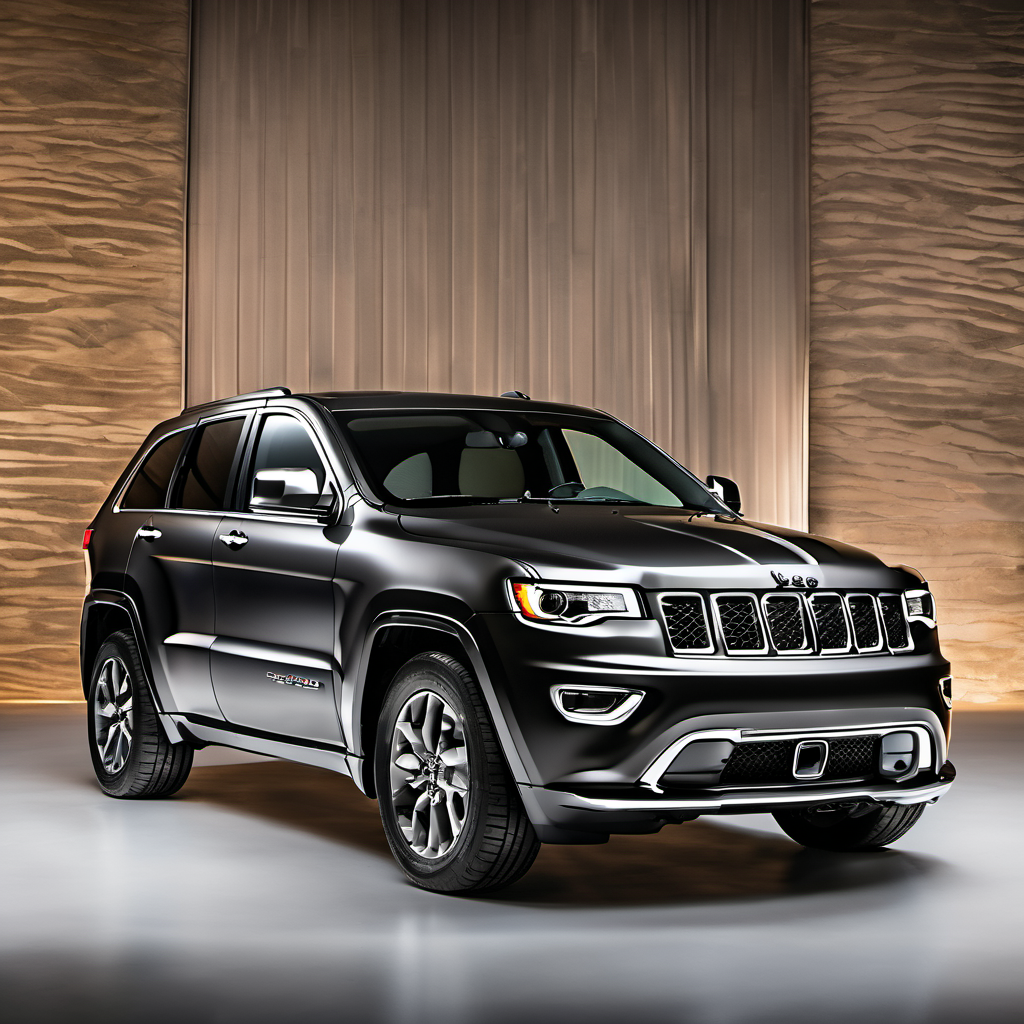
Comparable price, available 4WD, and strong off-road capability on higher trims. More comfortable ride and more modern interior, but higher long-term repair costs and weaker reliability reputation versus the 4Runner.
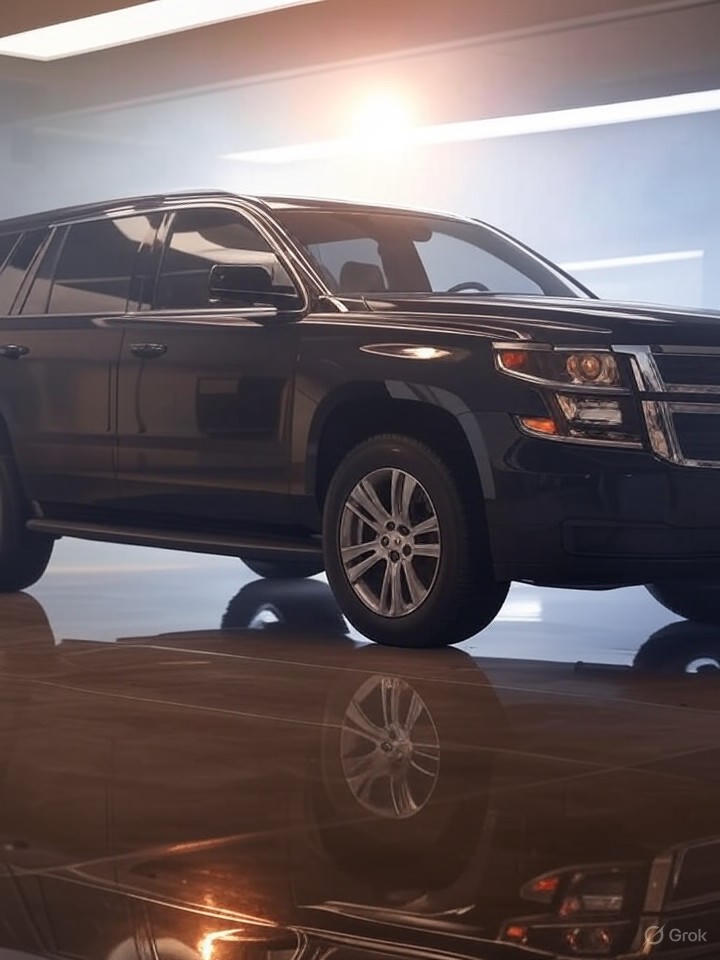
Also body-on-frame with a proven V8, more interior room and towing capacity, but significantly larger footprint, worse fuel economy, and higher fuel/maintenance cost. Better if you need the extra seats or tow over 5,000 lbs.
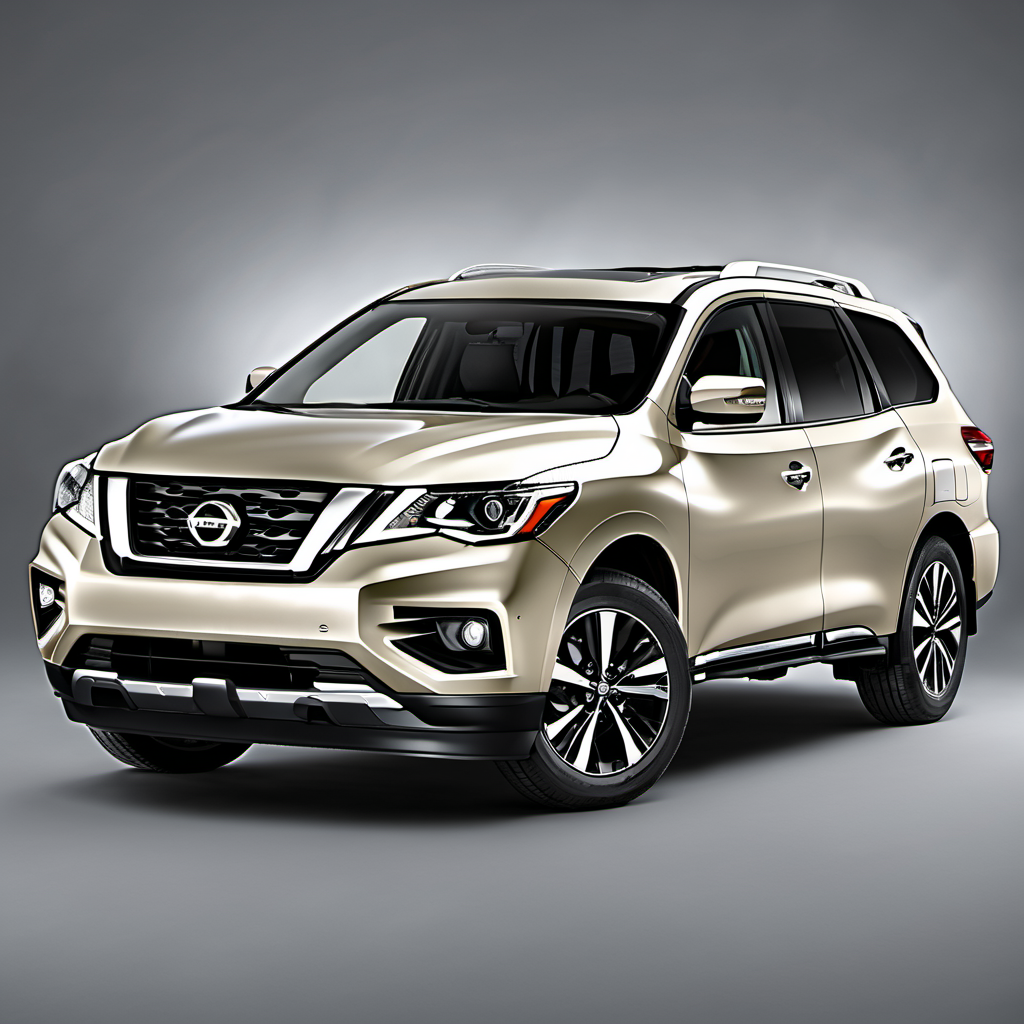
Closer in price and size, but a unibody crossover with a CVT — aimed more at family comfort than off-road use. Better fuel economy and third-row seating, but not a direct off-road competitor and historically plagued by CVT reliability concerns.