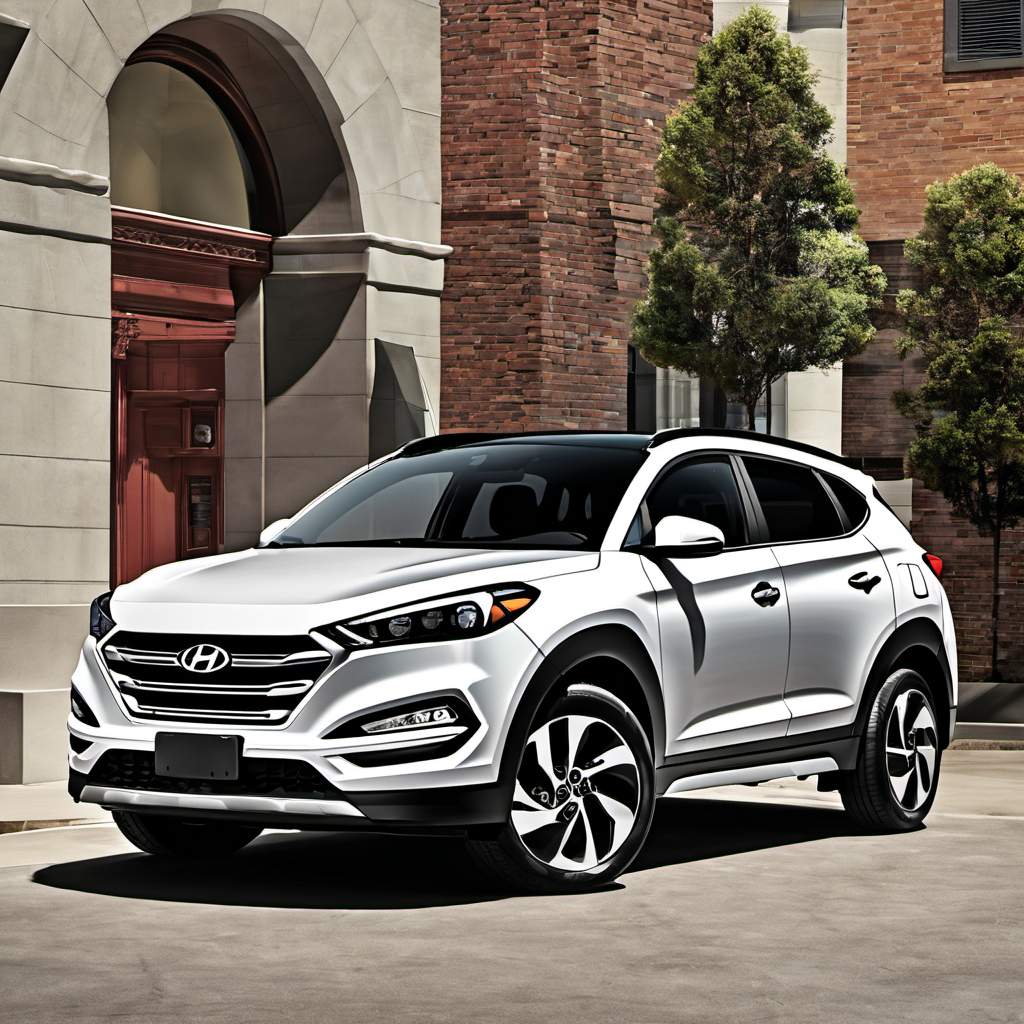
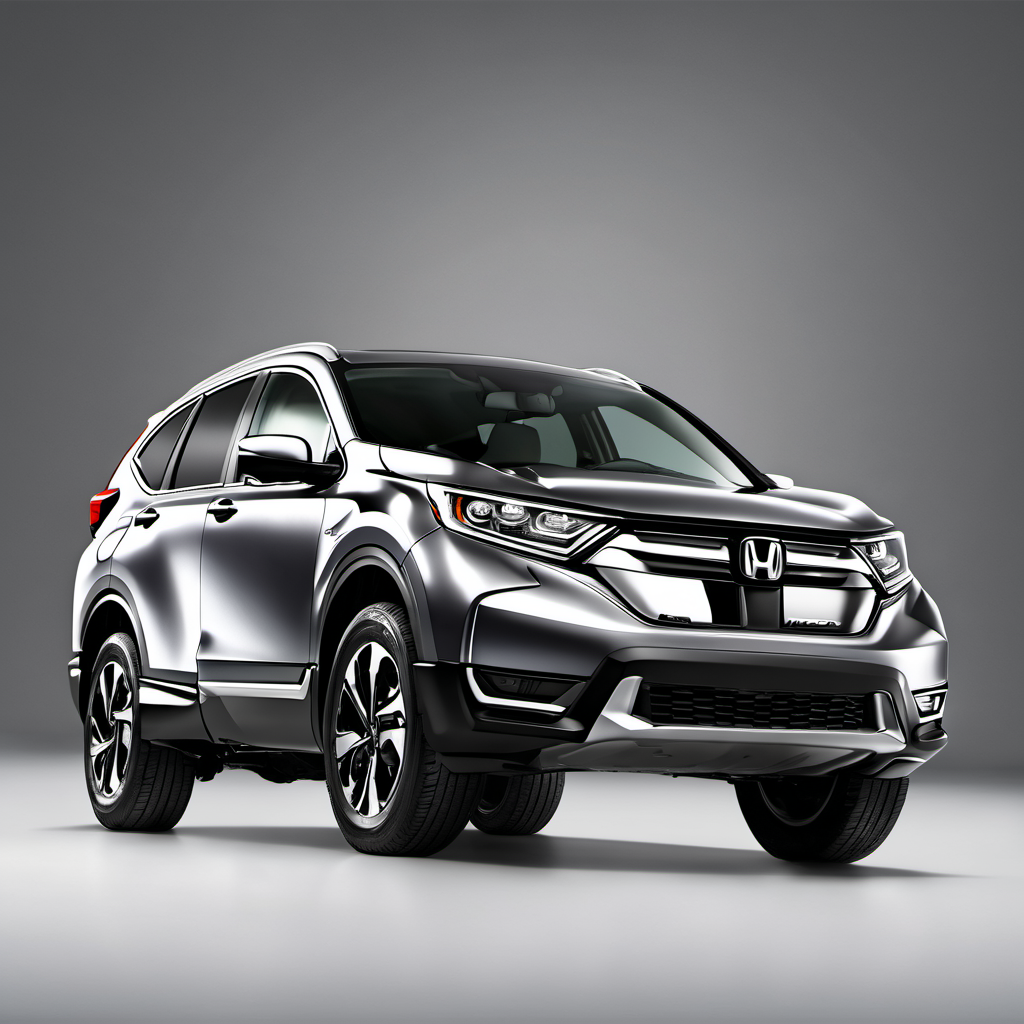
2017 Hyundai Tucson SUV
Popular pick

2017 Hyundai

TucsonSUV

2.0L GDI Nu 4-cylinder · SUV

The 2017 Hyundai Tucson is a compact crossover SUV in its third generation, sitting between the subcompact Kona and the larger Santa Fe in Hyundai's lineup. It offers a comfortable, well-equipped cabin with a modern look, making it a strong value pick in the competitive compact SUV segment. The base 2.0L naturally aspirated four-cylinder is adequate for everyday driving, while the optional 1.6L turbocharged engine adds punch for those who want more performance. Hyundai made a big push on standard safety and technology features for 2017, and the Tucson delivers a solid set of amenities at its price point. Ride quality is smooth and cabin noise is well-controlled for the class. AWD availability makes it a practical choice for Wisconsin winters, though it is a part-time, on-demand system rather than a full-time all-wheel drive setup. Long-term ownership has been generally positive, though the GDI (Gasoline Direct Injection) engine shares a class-wide tendency to accumulate carbon deposits on intake valves over time. Oil change discipline is especially important on this engine — skipping intervals accelerates wear and can lead to expensive repairs down the road.

Reliability
3/5
Verified data
Specs shown for Tucson FWD — the most common configuration. Other trims may vary in engine, drivetrain, or fuel economy. Sign in to see your vehicle's exact specs.
Engine
[object Object]
Drivetrain
4WD/4-Wheel Drive/4x4
Fuel
Gasoline
MPG
21 city / 26 highway / 23 combined
Seats
5
Doors
4
Body
SUV
MSRP
$24,750

Overview

AI-curated

The 2017 Hyundai Tucson is a compact crossover SUV in its third generation, sitting between the subcompact Kona and the larger Santa Fe in Hyundai's lineup. It offers a comfortable, well-equipped cabin with a modern look, making it a strong value pick in the competitive compact SUV segment. The base 2.0L naturally aspirated four-cylinder is adequate for everyday driving, while the optional 1.6L turbocharged engine adds punch for those who want more performance. Hyundai made a big push on standard safety and technology features for 2017, and the Tucson delivers a solid set of amenities at its price point. Ride quality is smooth and cabin noise is well-controlled for the class. AWD availability makes it a practical choice for Wisconsin winters, though it is a part-time, on-demand system rather than a full-time all-wheel drive setup. Long-term ownership has been generally positive, though the GDI (Gasoline Direct Injection) engine shares a class-wide tendency to accumulate carbon deposits on intake valves over time. Oil change discipline is especially important on this engine — skipping intervals accelerates wear and can lead to expensive repairs down the road.

Known for
  • Competitive standard feature set for the price
  • Smooth, comfortable highway ride
  • Strong factory warranty when new (5yr/60k bumper-to-bumper, 10yr/100k powertrain)
  • GDI engine carbon buildup over high mileage
  • Tight but functional rear seat and cargo area
Best for
  • Small families or couples needing a daily driver and weekend hauler
  • Wisconsin commuters wanting AWD capability without a truck
  • Budget-conscious buyers who want feature-rich at a moderate price
  • Buyers prioritizing ride comfort over sporty handling
Watch for
  • Oil consumption on the 2.0L GDI engine — check the dipstick between changes
  • Transmission hesitation on low-speed acceleration (known quirk of the 6-speed auto)
  • Carbon buildup on intake valves from GDI design; walnut blasting may be needed around 80–100k
  • Rust on brake rotors and undercarriage from Wisconsin road salt — inspect annually
  • Check engine lights related to CVVT (variable valve timing) solenoids, often triggered by dirty oil

Common issues by mileage

6 known

GDI Intake Valve Carbon Buildup

high
Typically appears
80–120k mi
Estimated repair
$300 – $600

Variable Valve Timing (CVVT) Solenoid Failure

medium
Typically appears
60–120k mi
Estimated repair
$150 – $400

Engine Oil Consumption (2.0L GDI)

medium
Typically appears
50–100k mi
Estimated repair
$0 – $2,500

6-Speed Automatic Transmission Hesitation / Rough Cold Shifts

medium
Typically appears
30–80k mi
Estimated repair
$150 – $500

Oxygen Sensor / Heater Circuit Fault

low
Typically appears
80–150k mi
Estimated repair
$150 – $350

Brake Rotor and Caliper Corrosion (Salt Belt)

high
Typically appears
40–80k mi
Estimated repair
$200 – $600

Maintenance schedule

  1. 1
    Every 5,000 miles or 6 months — do NOT stretch to 7,500+ on this GDI engine Engine oil and filter change

    The 2.0L GDI is sensitive to oil degradation. Dirty oil clogs CVVT solenoids and accelerates intake valve carbon buildup. This is the single most important service on this vehicle.

  2. 2
    Every 1,000–1,500 miles between changes Check engine oil level on dipstick

    Some 2.0L GDI units consume oil. Catching low oil early prevents CVVT and bearing damage. Make it a habit at every fuel fill-up.

  3. 3
    Every 45,000–60,000 miles Transmission fluid change

    Hyundai officially considers the fluid 'lifetime,' but in practice fluid degradation contributes to the hesitation and rough-shift complaints. An independent shop fluid exchange at 45–60k can extend transmission life noticeably.

  4. 4
    Every 15,000–20,000 miles Cabin and engine air filter replacement

    Wisconsin roads — especially fall/winter — clog filters faster than the factory interval assumes. A restricted engine air filter hurts fuel economy and engine response.

  5. 5
    Every 60,000 miles Spark plug replacement

    The 2.0L GDI uses iridium plugs rated for 60k. Worn plugs on a GDI engine worsen combustion efficiency and can increase carbon deposits on valves.

  6. 6
    Every 2 years regardless of mileage Brake fluid flush

    Brake fluid absorbs moisture over time, lowering its boiling point. Wisconsin's winter salt and temperature swings accelerate corrosion inside the brake hydraulics.

  7. 7
    Every spring (after winter salt season) Undercarriage and brake component inspection for rust/corrosion

    Lake Geneva roads are heavily salted. Caliper slides, brake lines, fuel lines, and exhaust hangers are all vulnerable. Catching corrosion early is far cheaper than emergency repairs.

  8. 8
    Every 60,000 miles or 5 years Coolant system flush

    Hyundai uses a long-life coolant, but it does degrade. Old coolant loses its corrosion inhibitors, which can attack the aluminum engine components and water pump.

Always defer to the manufacturer's service manual for warranty-mandated intervals.

Cost of ownership

Annual maintenance
$500 – $1,000
Fuel
At 23 MPG combined and ~15,000 miles/year, expect roughly $1,800–$2,200/year in fuel at current Wisconsin gas prices. Highway-heavy driving improves this noticeably.
Insurance
Typically $1,000–$1,400/year for a full-coverage policy in the Lake Geneva area for a driver with a clean record. Actual rates vary by driver profile.

The Tucson is a mid-tier cost-of-ownership vehicle. Routine maintenance is affordable, parts are widely available, and independent shops can handle almost all service. The risk items — engine carbon cleaning, potential oil consumption repair, or a transmission job — can push a single-year cost significantly higher. Staying on top of oil changes is the best money-saving move an owner can make.
Seasonal care

Lake Geneva, WI
Winter
  • Switch to a full synthetic 5W-30 if not already using one — it flows faster at sub-zero temps and protects the CVVT solenoids on cold starts.
  • Test the battery before November. Cold-cranking amps drop sharply below 20°F; a battery that 'seems fine' in fall can fail to start in January.
  • Install winter-rated washer fluid rated to at least -20°F. The standard reservoir can freeze solid with summer fluid left in it.
  • Replace wiper blades with winter-style beam blades — the Tucson's curved windshield benefits from blades that clear without lifting in packed snow.
  • Rinse the undercarriage at a touchless car wash every 1–2 weeks during heavy salt season to slow brake and suspension corrosion.
  • Check tire pressure weekly — every 10°F temperature drop costs roughly 1 PSI. Under-inflated tires in winter reduce AWD traction and wear faster.
Summer
  • Check tire pressure on hot mornings before driving — summer heat inflates pressure readings; set to spec cold.
  • Inspect the A/C system in May before the heat arrives. The Tucson's cabin heats up quickly; a weak A/C system is miserable by July.
  • Flush the coolant system if it's due — a compromised cooling system in summer traffic can lead to overheating.
  • After winter, inspect the brake rotors and calipers for surface rust and uneven wear from salt corrosion.
  • Clean the cabin air filter — pollen season in Wisconsin is heavy and a clogged cabin filter reduces A/C airflow significantly.

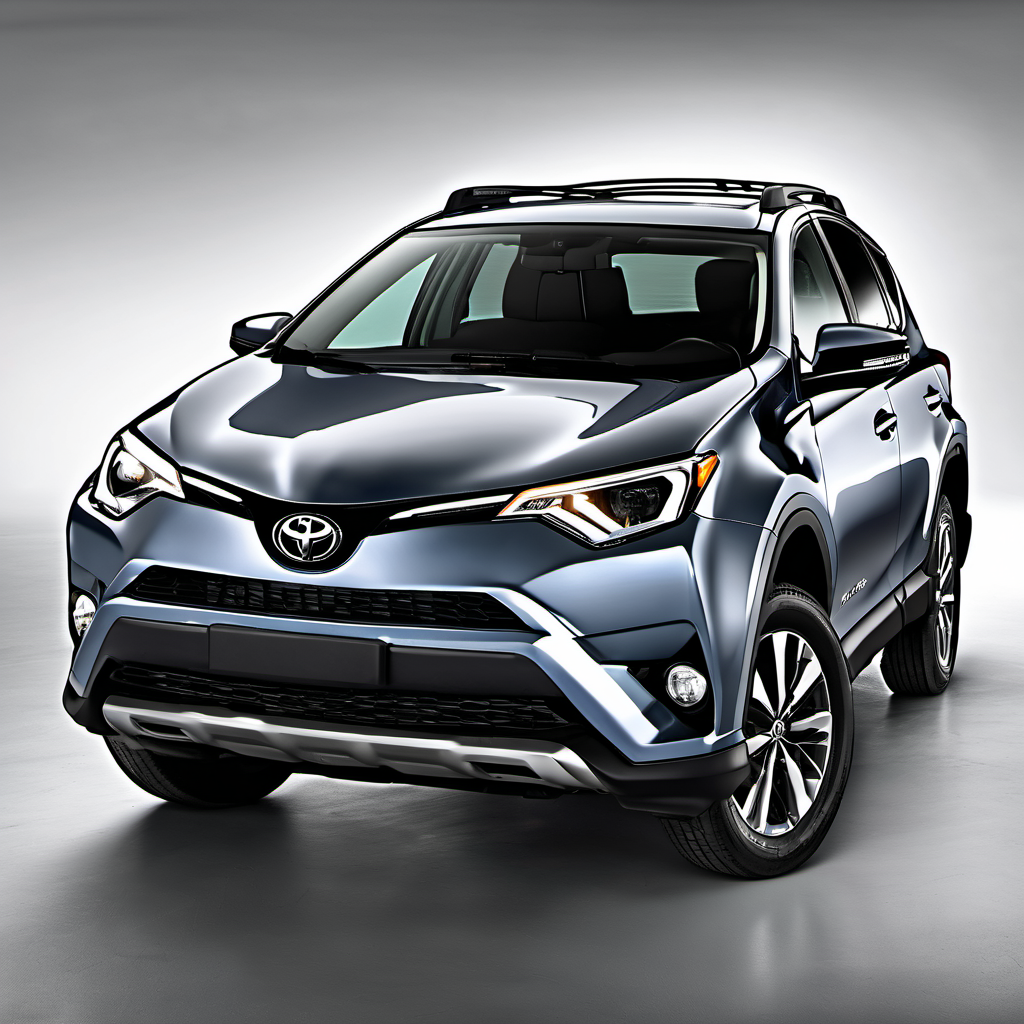
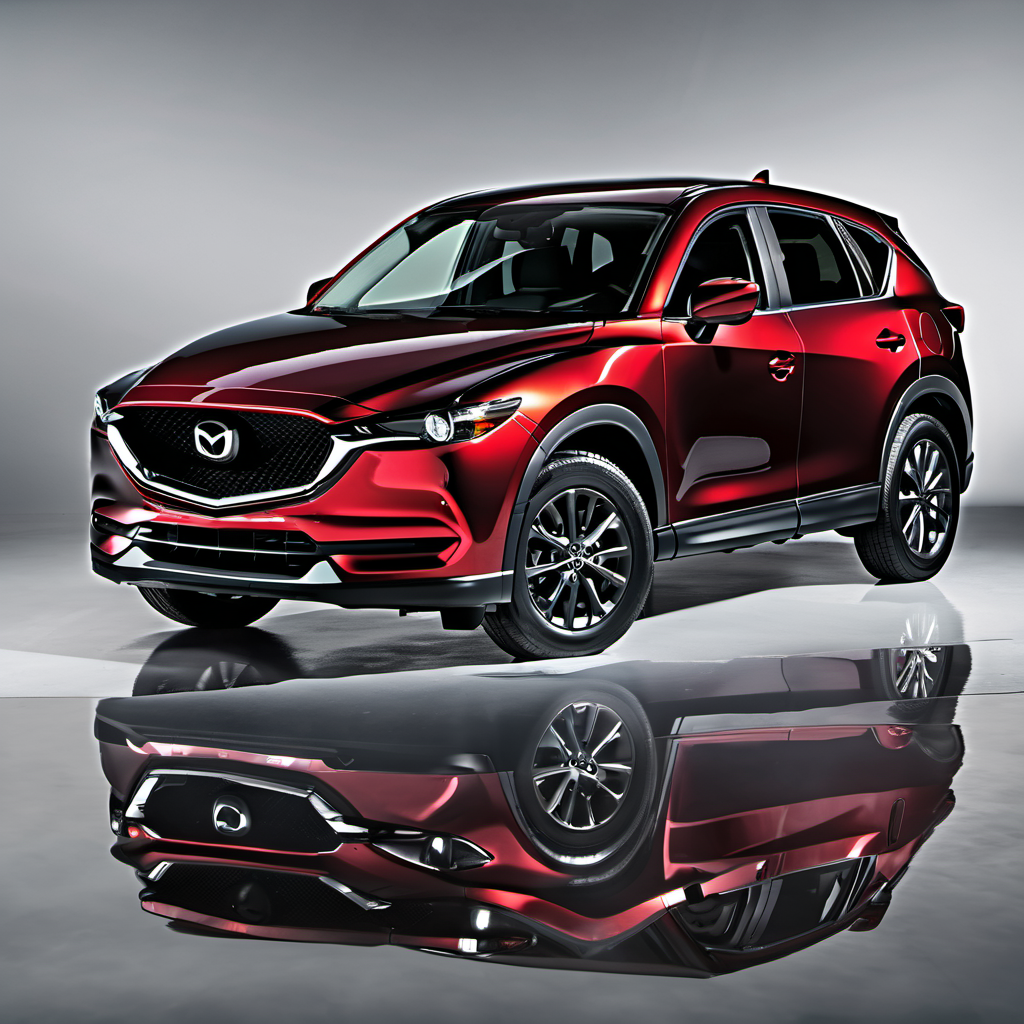
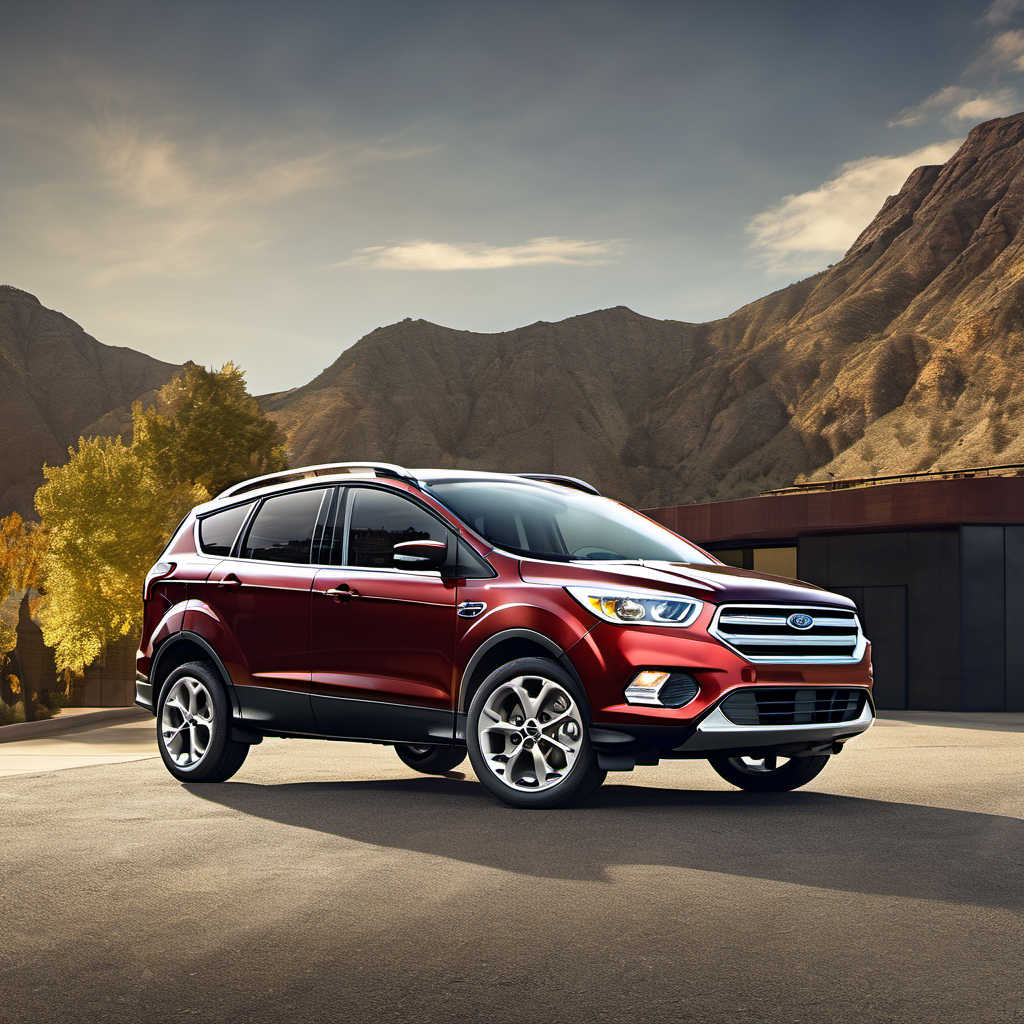
Comparable vehicles

If you're shopping for one

Red flags
  • Any stored camshaft timing codes (P0012, P0015, P0022, P0025) — these suggest oil maintenance neglect and potential expensive CVVT or timing chain repair.
  • Sludgy or very dark oil on the dipstick — walk away or negotiate a significant price reduction.
  • Visible rust on brake calipers, rotors, or frame rails beyond normal surface oxidation.
  • A/C that blows warm or weakly — recharge and leak repair can be reasonable, but compressor failure is a $600–$1,200 job.
  • Any indication of an unreported accident — check all four corners, panel gaps, and look for mismatched paint under good light.
What to inspect
  • Pull the oil dipstick — dark, sludgy oil on a used example means the previous owner skipped intervals, which is a red flag for CVVT and engine health.
  • Check oil level carefully; low oil between changes indicates the GDI consumption issue is present.
  • Test the transmission through multiple cold and warm acceleration cycles — hesitation or hunting between gears warrants a fluid inspection.
  • Scan for stored or pending DTCs before purchase, especially P0012, P0015, P0026, or P0027 (CVVT/camshaft timing codes tied to oil maintenance history).
  • Inspect the undercarriage, brake lines, and rocker panels for rust — especially on vehicles from Wisconsin, Minnesota, or other salt-belt states.
  • Listen for a ticking or rattling noise on cold startup that disappears after warm-up — this can indicate CVVT issues or early bearing wear from oil neglect.
AI profile generated 20 days ago · claude-sonnet-4-6 · v2.