CVVT (Variable Valve Timing) Solenoid Fouling / Camshaft Timing Faults
medium- Typically appears
- 60–120k mi
- Estimated repair
- $150 – $600

2017 Kia
SUV
The 2017 Kia Sorento is a mid-size crossover SUV in its third generation (2016–2020 body style), offering a practical blend of car-like ride quality and family-hauling space. It slots between compact and full-size SUVs, with available two- or three-row seating depending on trim. This particular example is equipped with the 2.0L turbocharged four-cylinder, which delivers spirited performance while returning reasonable fuel economy for the class. Kia significantly improved the Sorento's interior quality, safety scores, and powertrain refinement with this generation. The 2017 model year benefits from mid-cycle updates and generally avoided the most problematic issues that plagued some earlier Theta II engine variants in other Kia/Hyundai products. As a FWD-configured unit, it's well-suited to daily driving but should be evaluated against AWD alternatives if you regularly deal with Wisconsin winters. Overall, the Sorento represents solid value in the used market — it's not flashy, but it's a sensible, well-equipped family hauler. Ownership costs are reasonable when maintenance is kept current, and parts availability is good through both dealer and independent channels.
The 2017 Kia Sorento is a mid-size crossover SUV in its third generation (2016–2020 body style), offering a practical blend of car-like ride quality and family-hauling space. It slots between compact and full-size SUVs, with available two- or three-row seating depending on trim. This particular example is equipped with the 2.0L turbocharged four-cylinder, which delivers spirited performance while returning reasonable fuel economy for the class. Kia significantly improved the Sorento's interior quality, safety scores, and powertrain refinement with this generation. The 2017 model year benefits from mid-cycle updates and generally avoided the most problematic issues that plagued some earlier Theta II engine variants in other Kia/Hyundai products. As a FWD-configured unit, it's well-suited to daily driving but should be evaluated against AWD alternatives if you regularly deal with Wisconsin winters. Overall, the Sorento represents solid value in the used market — it's not flashy, but it's a sensible, well-equipped family hauler. Ownership costs are reasonable when maintenance is kept current, and parts availability is good through both dealer and independent channels.
The 2.0T is highly sensitive to oil quality and change frequency. Sludge buildup is the #1 cause of CVVT solenoid fouling and timing chain wear on this engine. Strict intervals are the single best thing you can do for longevity.
A restricted air filter reduces turbo efficiency and can slightly increase oil consumption. Easy and inexpensive to do proactively.
Worn plugs on a turbocharged engine cause misfires and increased stress on the ignition coils. Use OEM-spec iridium plugs — do not substitute with cheap copper plugs.
Kia does not always list this as a scheduled item, but independent shops and experienced owners strongly recommend it. Fresh fluid prevents shudder and solenoid wear, especially in stop-and-go driving.
Turbocharged engines run hotter and cycle coolant more aggressively. Degraded coolant can cause corrosion inside the cooling system and lead to water pump or thermostat failures.
Brake fluid absorbs moisture over time, lowering its boiling point and promoting internal corrosion — especially important in Wisconsin's salt-heavy winters.
Wisconsin road salt is aggressive on brake lines, fuel lines, and suspension hardware. An annual underbody inspection catches early-stage corrosion before it becomes a safety or expensive repair issue.
Proactive cleaning of the VVT solenoid screens prevents the P0012/P0015 faults and the much more expensive timing chain work that follows if they're ignored.
Always defer to the manufacturer's service manual for warranty-mandated intervals.
The Sorento is a middle-of-the-road ownership cost vehicle. Routine maintenance on the 2.0T is modestly more expensive than a naturally aspirated engine — oil quality matters and you can't stretch intervals. Avoid deferred maintenance and you'll keep repair costs low. Major repair exposure is timing chain work if oil is neglected ($800–$2,200) or ABS/electronics issues at higher mileage. Parts are readily available and independent shop labor costs are fair for this platform.

Similar price point and mission, more conservative powertrain (1.5T), slightly smaller but known for stronger long-term reliability.
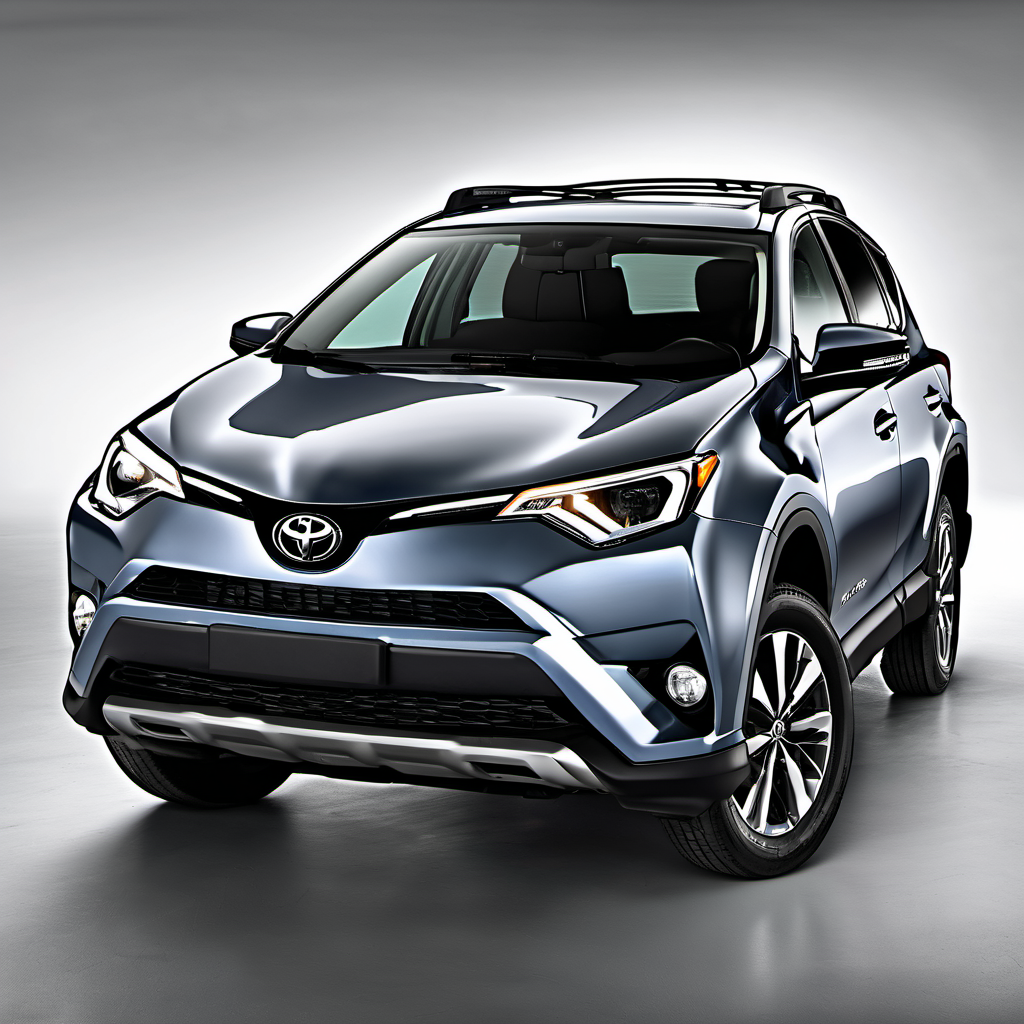
Comparable size and family-SUV positioning; naturally aspirated 2.5L is simpler to maintain and Toyota's reliability track record is stronger, though it lacks the Sorento's turbo punch.

Same mid-size crossover segment and price bracket; available in turbocharged 4-cylinder or V6. More car-like but slightly larger cabin.

Platform sibling to the Sorento — shares many components and the 2.0T engine. Nearly identical ownership experience with slightly different styling and trim packaging.