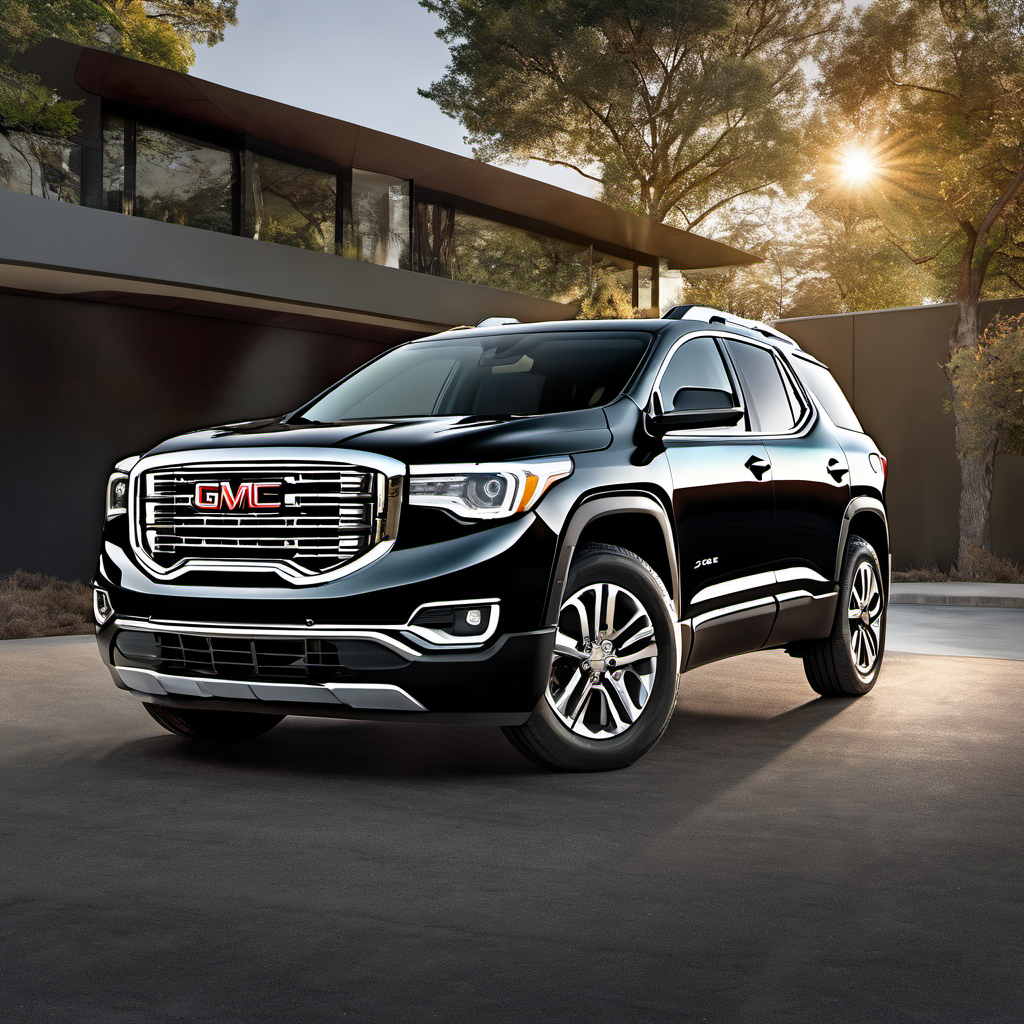
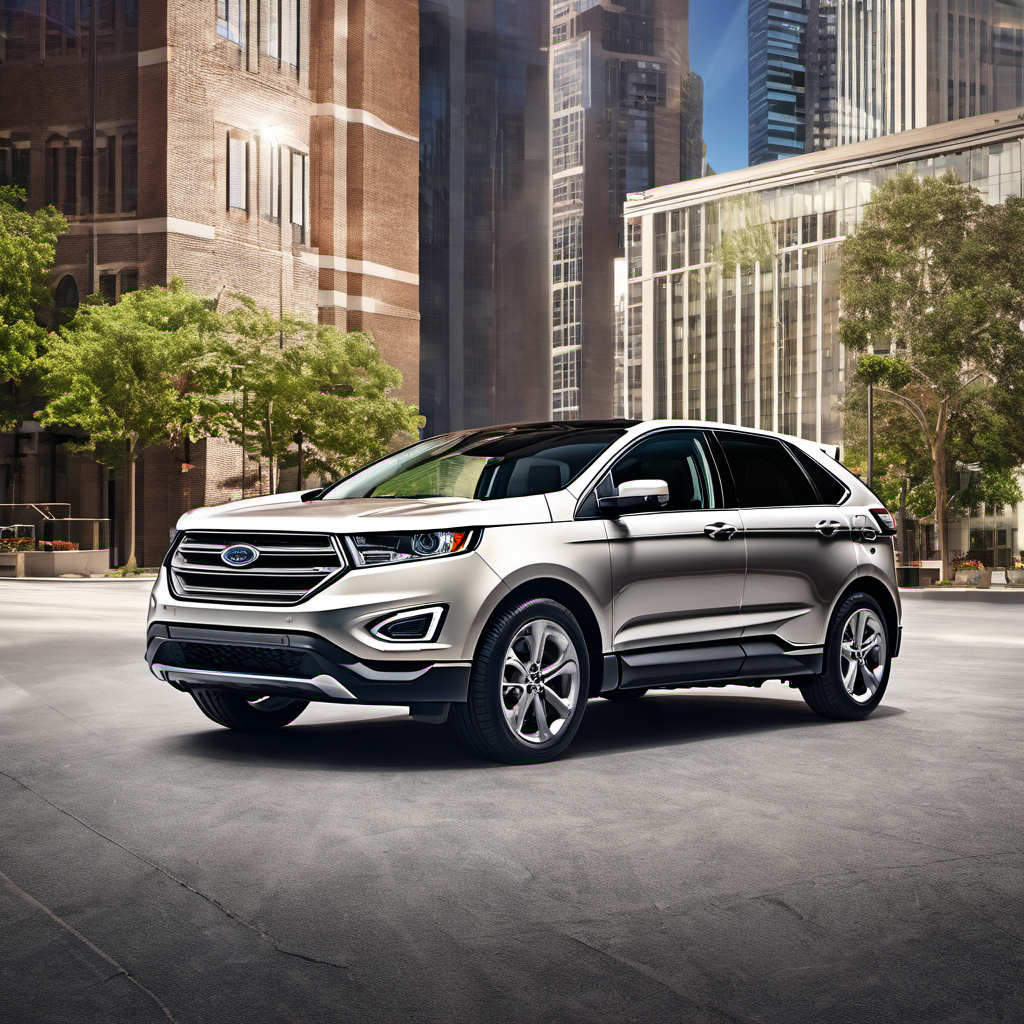
2017 GMC Acadia SUV

2017 GMC

AcadiaSUV

2.5L I4 · SUV

The 2017 GMC Acadia is a significant departure from its predecessor — it shed nearly 700 lbs and dropped from a three-row crossover to a more compact two-row (with an optional cramped third row) as part of a full redesign on GM's new C1 platform. It now competes squarely in the mid-size crossover segment rather than the larger Lambda-platform SUVs it used to share with the Traverse and Enclave. The 2017 model offers two engine choices: a standard 2.5L four-cylinder and an optional 2.0L turbocharged four-cylinder, both paired with a six-speed automatic. AWD is available on most trims. The interior quality and tech took a genuine step forward, and the ride is composed and comfortable for family use. That said, the redesign brought growing pains. Early 2017 examples have documented issues with the 2.5L engine's timing system, transmission shudder, and an optional third row that is genuinely tight for adults. Buyers should inspect carefully and verify oil change history, as VVT and timing problems on this engine are oil-maintenance sensitive.

Reliability
3/5
Verified data
Specs shown for Acadia FWD — the most common configuration. Other trims may vary in engine, drivetrain, or fuel economy. Sign in to see your vehicle's exact specs.
Engine
[object Object]
Drivetrain
FWD
Fuel
Gasoline
MPG
21 city / 26 hwy / 23 combined
Seats
7
Doors
4
Body
SUV
MSRP
$29,995

Overview

AI-curated

The 2017 GMC Acadia is a significant departure from its predecessor — it shed nearly 700 lbs and dropped from a three-row crossover to a more compact two-row (with an optional cramped third row) as part of a full redesign on GM's new C1 platform. It now competes squarely in the mid-size crossover segment rather than the larger Lambda-platform SUVs it used to share with the Traverse and Enclave. The 2017 model offers two engine choices: a standard 2.5L four-cylinder and an optional 2.0L turbocharged four-cylinder, both paired with a six-speed automatic. AWD is available on most trims. The interior quality and tech took a genuine step forward, and the ride is composed and comfortable for family use. That said, the redesign brought growing pains. Early 2017 examples have documented issues with the 2.5L engine's timing system, transmission shudder, and an optional third row that is genuinely tight for adults. Buyers should inspect carefully and verify oil change history, as VVT and timing problems on this engine are oil-maintenance sensitive.

Known for
  • Significantly lighter and more car-like than the outgoing Acadia
  • Well-appointed, quiet cabin with good tech integration
  • Optional AWD with active twin-clutch rear differential
  • Two engine options (naturally aspirated 2.5L or 2.0T turbo)
Best for
  • Families needing a comfortable daily driver with flexible cargo space
  • Buyers wanting a premium feel without full luxury pricing
  • Drivers who prioritize fuel economy over towing capacity
  • Commuters who want available AWD for Wisconsin winters
Watch for
  • VVT/camshaft timing issues on the 2.5L engine — oil changes must be frequent and on time
  • Third-row seating is very tight; not practical for adults on longer trips
  • Transmission shudder reported on some 2017 units with the 6-speed automatic
  • Early build quality complaints around interior trim and infotainment glitches
  • Smaller than the outgoing Acadia — buyers expecting the old model's size may be surprised

Common issues by mileage

6 known

VVT Camshaft Timing / Timing Chain Stretch (2.5L)

high
Typically appears
60–120k mi
Estimated repair
$800 – $2,200

Intake/Exhaust Valve Control Solenoid Failure (VVT Actuators)

medium
Typically appears
50–100k mi
Estimated repair
$300 – $900

6-Speed Automatic Transmission Shudder / Harsh Shifts

medium
Typically appears
30–80k mi
Estimated repair
$150 – $600

Oxygen/A/F Sensor Heater Circuit Failure

low
Typically appears
80–130k mi
Estimated repair
$200 – $500

Maintenance schedule

  1. 1
    Every 5,000 miles or 6 months — do not stretch to the oil life monitor maximum on this engine Engine oil and filter change (full synthetic 0W-20)

    The 2.5L VVT system is highly sensitive to oil quality and viscosity. Sludge from extended intervals is the primary cause of P0012/P0015/P0022/P0025 timing codes and premature timing chain wear.

  2. 2
    Every 45,000 miles, or immediately if shudder is felt Transmission fluid change (Dexron-VI or approved equivalent)

    GM's 6-speed automatic in this generation is prone to shudder caused by fluid degradation. A fresh fluid flush resolves it in many cases before any hardware repair is needed.

  3. 3
    Every 60,000 miles Spark plug replacement

    Factory iridium plugs on the 2.5L are rated for 60k. Worn plugs increase misfires and put extra load on the ignition coils.

  4. 4
    Every 20,000–30,000 miles or annually Air filter inspection and replacement

    Wisconsin road conditions — dusty summers, winter salt spray — clog filters faster than the service manual assumes.

  5. 5
    Every 15,000–20,000 miles or annually Cabin air filter replacement

    Often overlooked; a clogged cabin filter reduces A/C and defrost effectiveness, both of which matter in Wisconsin.

  6. 6
    Every 5 years / 150,000 miles (Dex-Cool) Coolant system inspection and flush

    Dex-Cool has a long service life but should be checked annually for color and pH. Degraded coolant accelerates water pump and seal wear.

  7. 7
    Every 3 years regardless of mileage Brake fluid flush

    Brake fluid absorbs moisture over time. In Wisconsin freeze-thaw cycles, moisture-laden fluid can cause corrosion in ABS modulators — a known cost center on this platform.

  8. 8
    Every 6,000–7,500 miles Tire rotation and alignment check

    The Acadia's AWD system depends on consistent tire diameter across all four corners. Uneven wear or improper inflation can stress the rear differential clutch pack.

Always defer to the manufacturer's service manual for warranty-mandated intervals.

Cost of ownership

Annual maintenance
$600 – $1,400
Fuel
At 23 MPG combined and typical Wisconsin driving (~13,000 mi/yr), expect roughly $1,500–$2,000/year at current regular unleaded prices. The 2.0T trim requires premium fuel, bumping that estimate up.
Insurance
Typically $1,200–$1,700/year for a 2017 model in southern Wisconsin for a driver with a clean record. AWD trims run slightly higher.

The 2017 Acadia sits in a reasonable ownership cost bracket when properly maintained. Routine service is the affordable part — the risk is deferred maintenance catching up in the form of a timing system job ($800–$2,200) or transmission work. Keep oil changes short-interval and the transmission fluid fresh, and you sidestep the two biggest cost events this model is known for.
Seasonal care

Lake Geneva, WI
Winter
  • Switch to full synthetic 0W-20 if not already used — it flows faster at cold starts below 0°F, protecting the VVT system during the critical first seconds of startup.
  • Test the battery before November. The 2017 Acadia's electronics put meaningful drain on the battery even when parked; a battery over 4 years old should be load-tested.
  • Use winter-rated washer fluid (rated to at least -20°F). Lake Geneva road salt spray will drain your reservoir fast — keep a spare jug in the cargo area.
  • Inspect the undercarriage and brake lines each spring for salt corrosion. The front subframe, brake line routing, and AWD rear differential housing are all salt traps.
  • Check tire pressure weekly in deep cold — tire pressure drops roughly 1 PSI per 10°F drop. TPMS warnings are common all winter on this vehicle.
  • If equipped with AWD, verify the rear differential fluid has been serviced. Cold, degraded fluid in the twin-clutch AWD unit causes sluggish engagement and wear.
Summer
  • Check tire pressure after the first heat wave — summer temps inflate tires above recommended PSI, which can cause uneven wear on the Acadia's relatively heavy footprint.
  • Inspect the A/C system performance early in the season. The evaporator on this generation can develop slow leaks; catching it before peak heat avoids a hot vehicle mid-summer.
  • Check engine coolant level and condition before July. Heat soak in stop-and-go traffic tests the cooling system — a marginal thermostat or low coolant will show itself quickly.
  • Clean or replace the cabin air filter in spring. Pollen and road dust from winter accumulate and restrict airflow to the HVAC system right when you need A/C most.

Comparable vehicles

If you're shopping for one

Red flags
  • Any active or recent P0012, P0015, P0022, or P0025 codes without a documented repair — these indicate timing system damage that may require a chain or actuator job.
  • Oil change intervals longer than 6,000 miles in the service history on a 2.5L engine — this is the single biggest predictor of expensive future repairs.
  • Transmission shudder that a fresh fluid change does not resolve — may indicate internal torque converter wear.
  • U0100–U0104 network codes without a clear diagnosis; intermittent CAN bus faults can be expensive to trace and may indicate wiring harness damage from rodents (common in Wisconsin storage situations).
  • Evidence of a hard Minnesota/Wisconsin winter without documented undercarriage maintenance — salt corrosion on brake hardware and lines is a hidden cost multiplier.
What to inspect
  • Pull the oil cap and look for sludge or a milky residue — VVT timing problems on the 2.5L almost always follow a history of neglected or extended oil changes.
  • Scan for stored and pending DTCs before purchase, specifically P0012/P0015/P0022/P0025 (timing) and any U-codes indicating module communication issues.
  • Drive it cold from a full cold start — listen for timing chain rattle or ticking in the first 30 seconds. Any noise here is a red flag on the 2.5L.
  • Test the transmission for shudder at light throttle between 35–50 mph on a flat road. A shudder or vibration at cruise suggests fluid breakdown or torque converter issues.
  • Verify all three rows if equipped — check that the third-row seat folds and latches properly, and inspect for water intrusion around the rear hatch seal.
  • Check the undercarriage for rust on brake lines and the front subframe, especially on Wisconsin-registered vehicles exposed to road salt.
AI profile generated 20 days ago · claude-sonnet-4-6 · v2.