VCT / Variable Cam Timing System Faults
high- Typically appears
- 60–120k mi
- Estimated repair
- $300 – $1,200
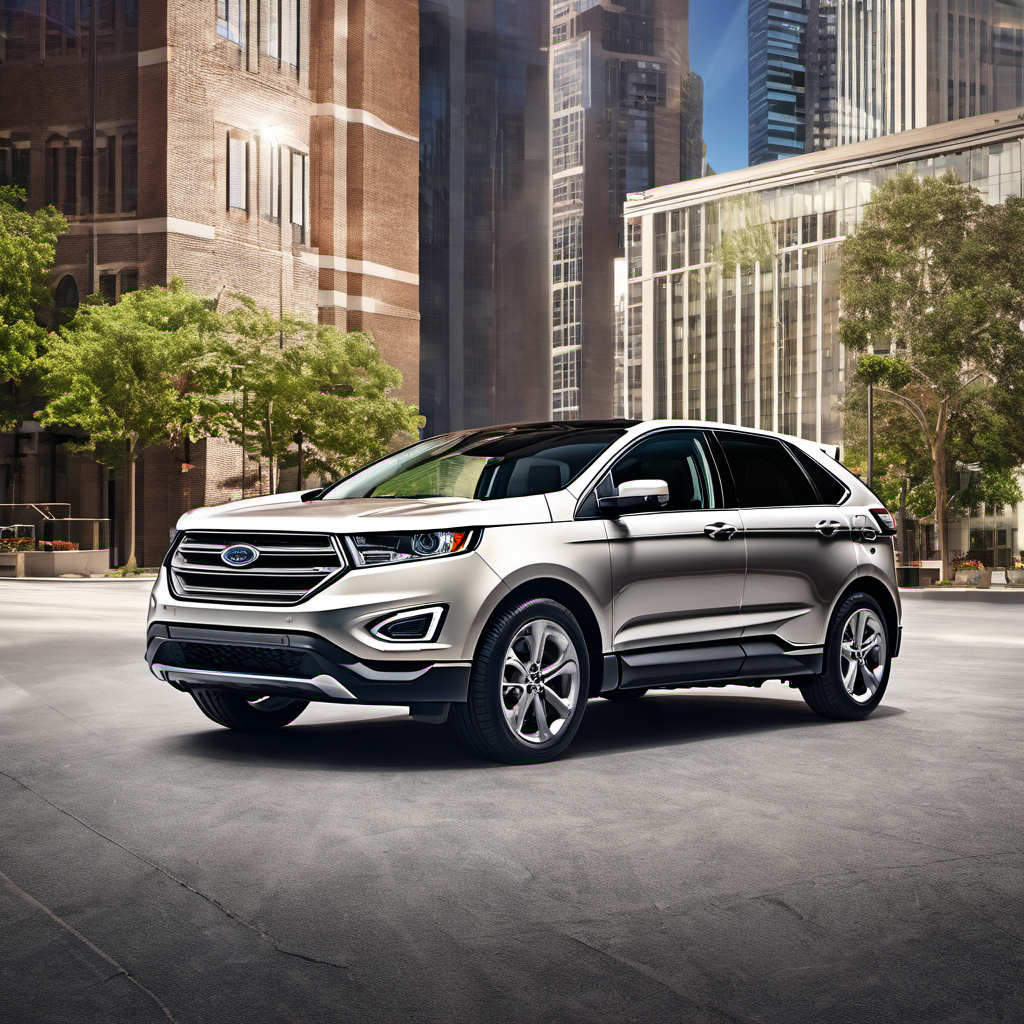
2017 Ford
2.0L I4 EcoBoost Turbocharged · SUV
The 2017 Ford Edge is a mid-size two-row crossover that sits between the compact Escape and the larger Explorer in Ford's lineup. It offers a well-balanced mix of car-like driving dynamics, a comfortable interior, and enough cargo space for most families. The second-generation Edge (2015–present at that time) brought a more refined look, improved tech features, and the option of a turbocharged four-cylinder or a twin-turbo V6 for those wanting more power. The 2017 model year is a solid choice in this segment — Ford had worked out most of the early second-gen teething issues by this point. The base 2.0L EcoBoost is the most common engine and delivers reasonable fuel economy alongside adequate power. The available AWD system makes it a practical year-round vehicle for Wisconsin drivers. That said, the EcoBoost engines are known to have VCT (variable cam timing) sensitivity to oil condition, and the PowerShift-based transmission concerns that plagued the Escape do not carry over here — the Edge uses a SelectShift 6-speed automatic that is generally more dependable. Budget for above-average maintenance attention to oil change intervals.
The 2017 Ford Edge is a mid-size two-row crossover that sits between the compact Escape and the larger Explorer in Ford's lineup. It offers a well-balanced mix of car-like driving dynamics, a comfortable interior, and enough cargo space for most families. The second-generation Edge (2015–present at that time) brought a more refined look, improved tech features, and the option of a turbocharged four-cylinder or a twin-turbo V6 for those wanting more power. The 2017 model year is a solid choice in this segment — Ford had worked out most of the early second-gen teething issues by this point. The base 2.0L EcoBoost is the most common engine and delivers reasonable fuel economy alongside adequate power. The available AWD system makes it a practical year-round vehicle for Wisconsin drivers. That said, the EcoBoost engines are known to have VCT (variable cam timing) sensitivity to oil condition, and the PowerShift-based transmission concerns that plagued the Escape do not carry over here — the Edge uses a SelectShift 6-speed automatic that is generally more dependable. Budget for above-average maintenance attention to oil change intervals.
The 2.0L EcoBoost's VCT system is extremely oil-pressure sensitive. Dirty or low oil is the leading cause of the expensive cam phaser and solenoid failures seen on these engines. Don't stretch oil intervals regardless of the Intelligent Oil Life Monitor reading.
A restricted air filter increases turbo inlet vacuum and can accelerate turbo wear. Easy and inexpensive to do.
Ford lists this as 'lifetime' fluid but independent shops in the Midwest see early shift quality issues on high-mileage Edges that never had a fluid service. A $150 fluid change at 60k extends transmission life significantly.
Turbocharged engines run hotter and consume plugs faster than naturally aspirated engines. Worn plugs increase misfires and can fault VCT codes.
Wisconsin road salt and gravel residue accelerate clogging. A blocked cabin filter reduces HVAC performance and defroster effectiveness in winter.
Degraded coolant increases corrosion risk in the aluminum EcoBoost block and heater core — both costly repairs.
Panoramic sunroof drain channels clog with debris, forcing water into the headliner and A-pillars. A quick flush with compressed air or water prevents expensive interior damage.
Brake fluid absorbs moisture over time. In Wisconsin winters, moisture-saturated fluid can reduce brake response and cause ABS module corrosion.
Always defer to the manufacturer's service manual for warranty-mandated intervals.
The Edge is a mid-cost crossover to own. Routine maintenance is straightforward and affordable, but one neglected VCT job or a turbo service can add $600–$1,200 to a single year. Keep up with oil changes and the rest of the ownership cost stays reasonable. Used examples under $20k are abundant and represent good value if maintenance history is clean.
Similar two-row mid-size crossover mission with strong reliability reputation; the Passport offers Honda's proven naturally aspirated V6 as an alternative to Ford's turbo four.
No catalog match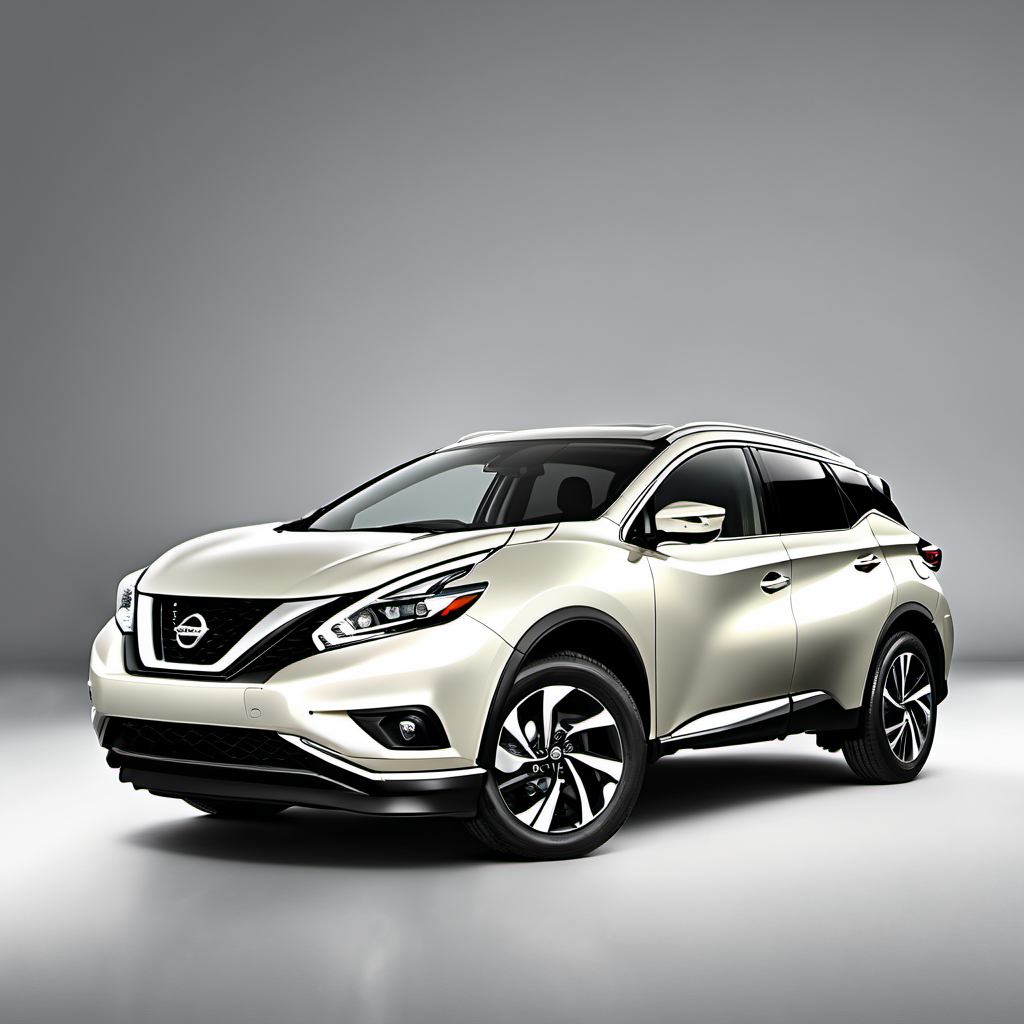
Same segment and price band, front-wheel or all-wheel drive, comfortable highway-focused ride; slightly less cargo room but very smooth CVT and a well-regarded V6.
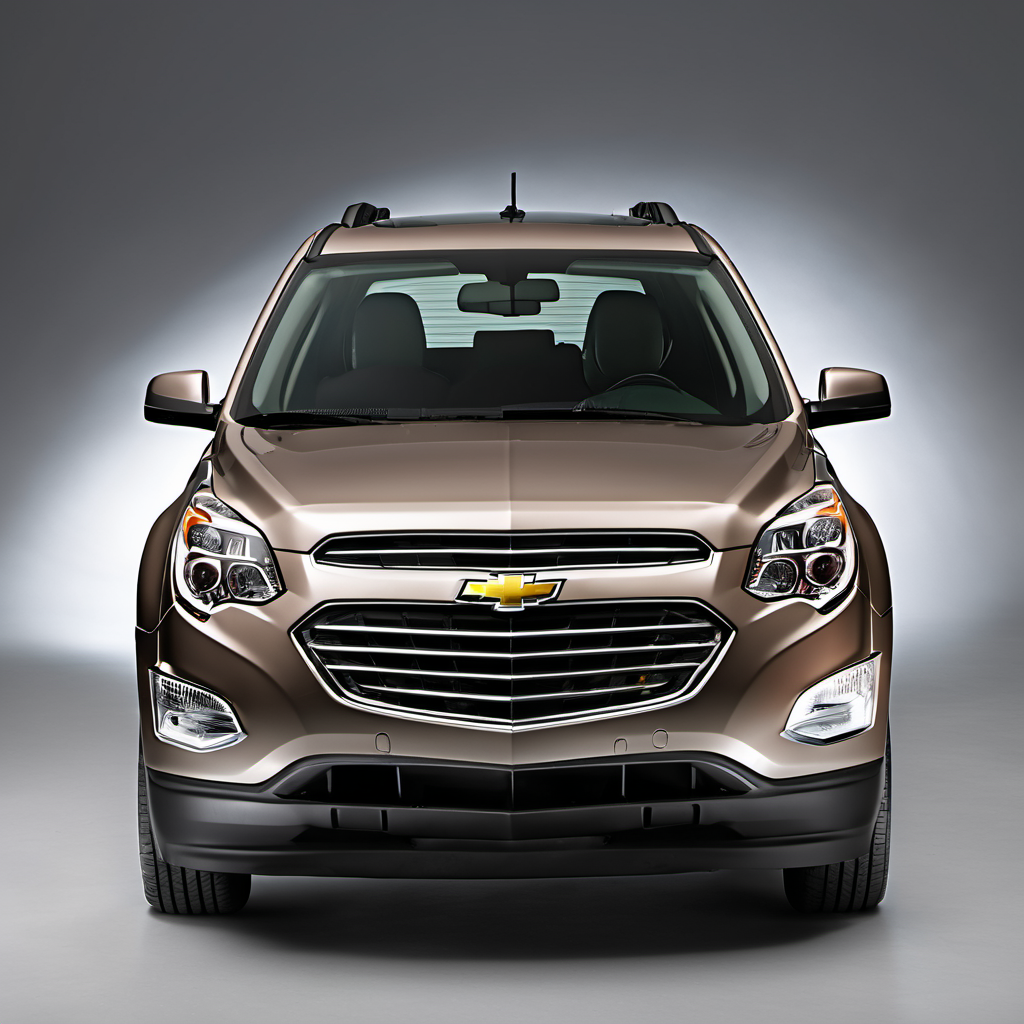
Step down in size but overlaps in price; GM's 2.0T engine is a direct competitor to the EcoBoost and the Equinox has strong resale in the Midwest market.
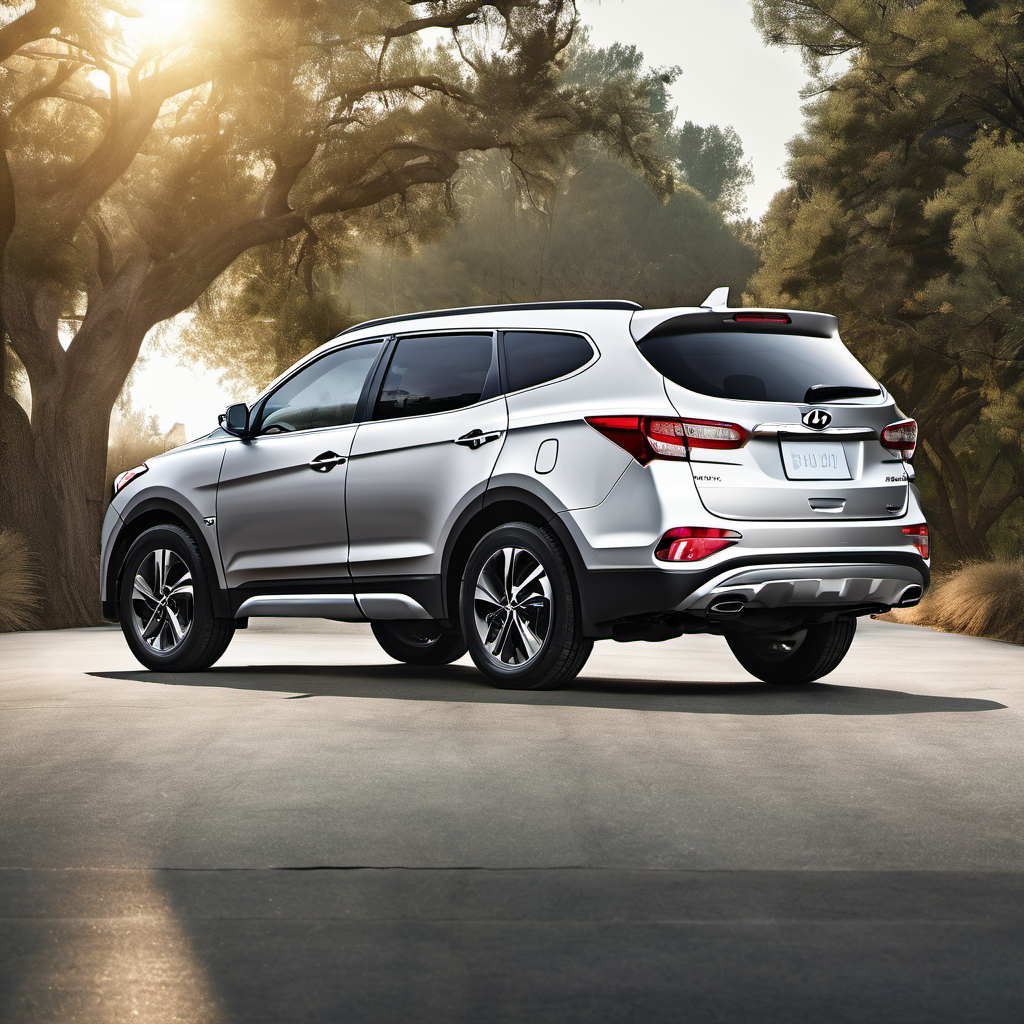
Two-row mid-size crossover at a similar used-market price; turbocharged four-cylinder option mirrors the Edge's powertrain and Hyundai's warranty reputation makes used examples attractive.