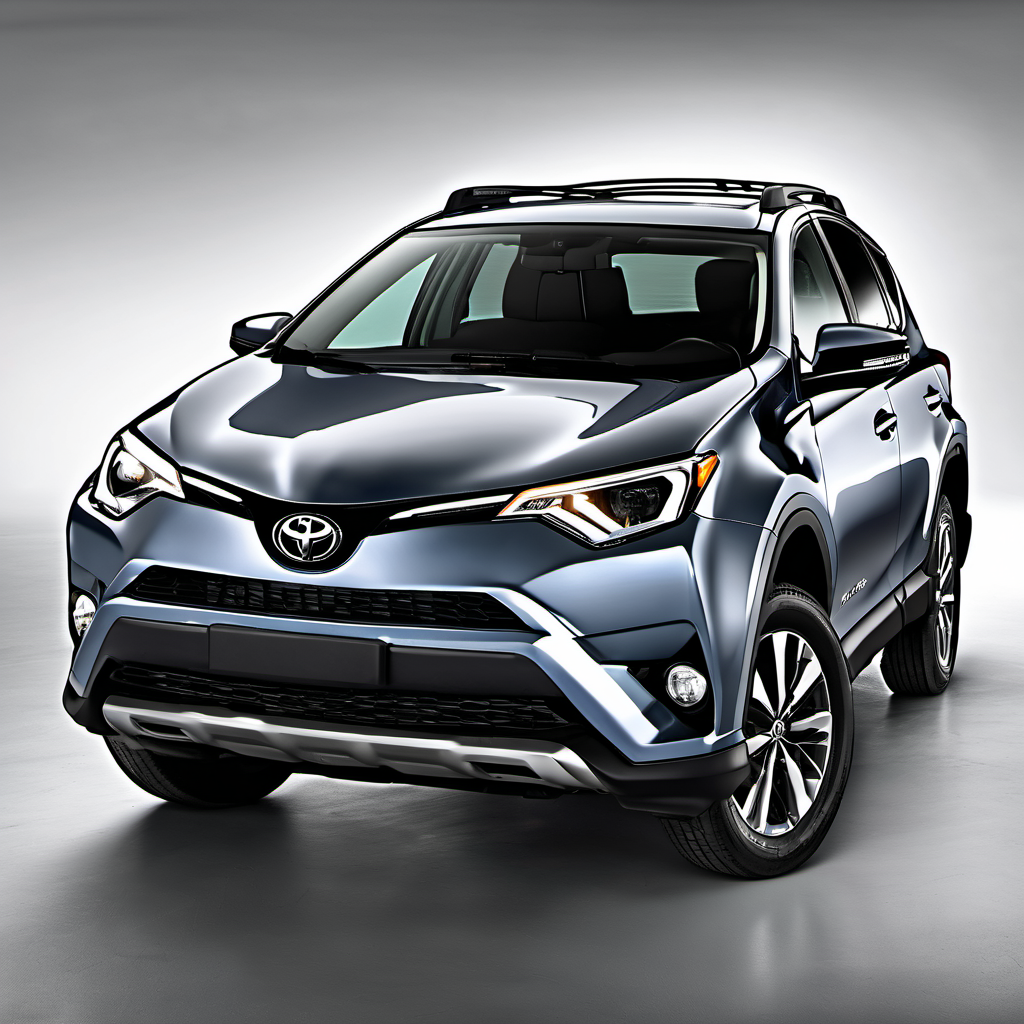
2017 Chevrolet Equinox SUV

2017 Chevrolet

EquinoxSUV

2.4L I4 DOHC (base); 3.6L V6 optional · SUV

The 2017 Chevrolet Equinox is a compact crossover SUV in its second generation, a platform that ran from 2010 through 2017. It slots into Chevrolet's lineup as an everyday family hauler — practical, comfortable, and widely sold across the Midwest. The 2017 model year is the last of this generation before the completely redesigned third-gen Equinox arrived for 2018, which means parts are plentiful and independent shops know this platform well. The base 2.4L four-cylinder is adequate for around-town driving, but many buyers stepped up to the 3.6L V6 for more confident highway and towing performance. Both engines use variable valve timing (VVT), which is functional but maintenance-sensitive — oil changes on schedule are non-negotiable on this platform. The 6-speed automatic is generally smooth, though it's shown some sensitivity to transmission fluid neglect. As a used buy, the 2017 Equinox offers strong value: second-gen parts are cheap, the body is proven, and most problems are well-documented. It's not the most exciting crossover on the road, but it earns its keep as reliable daily transportation when properly maintained.

Reliability
3/5
Verified data
Specs shown for Equinox FWD — the most common configuration. Other trims may vary in engine, drivetrain, or fuel economy. Sign in to see your vehicle's exact specs.
Engine
[object Object]
Drivetrain
FWD
Fuel
Gasoline
MPG
21 city / 29 hwy / 24 combined
Seats
5
Doors
4
Body
SUV
MSRP
$24,000

Overview

AI-curated

The 2017 Chevrolet Equinox is a compact crossover SUV in its second generation, a platform that ran from 2010 through 2017. It slots into Chevrolet's lineup as an everyday family hauler — practical, comfortable, and widely sold across the Midwest. The 2017 model year is the last of this generation before the completely redesigned third-gen Equinox arrived for 2018, which means parts are plentiful and independent shops know this platform well. The base 2.4L four-cylinder is adequate for around-town driving, but many buyers stepped up to the 3.6L V6 for more confident highway and towing performance. Both engines use variable valve timing (VVT), which is functional but maintenance-sensitive — oil changes on schedule are non-negotiable on this platform. The 6-speed automatic is generally smooth, though it's shown some sensitivity to transmission fluid neglect. As a used buy, the 2017 Equinox offers strong value: second-gen parts are cheap, the body is proven, and most problems are well-documented. It's not the most exciting crossover on the road, but it earns its keep as reliable daily transportation when properly maintained.

Known for
  • Comfortable, family-friendly interior with good cargo space
  • Wide availability of affordable parts and experienced technicians
  • VVT-equipped engines that respond well to consistent oil changes
  • Smooth, composed ride quality for its class
Best for
  • Families needing a practical daily driver
  • Commuters wanting a comfortable all-weather crossover
  • Buyers on a budget seeking a well-understood used platform
  • Light-duty towing (up to 3,500 lbs with V6)
Watch for
  • VVT/timing system issues on neglected oil change intervals
  • 2.4L engine oil consumption (up to 1 qt per 2,000 miles on some units)
  • Timing chain stretch on high-mileage examples, especially with the 2.4L
  • Transmission shudder if fluid hasn't been serviced regularly

Common issues by mileage

6 known

2.4L Engine Oil Consumption

high
Typically appears
30–100k mi
Estimated repair
$100 – $600

Oxygen Sensor / Heater Circuit Failure

medium
Typically appears
80–130k mi
Estimated repair
$150 – $400

Turbocharger Bypass Valve (2.0T trim) — Control Circuit Faults

low
Typically appears
50–100k mi
Estimated repair
$200 – $700

Transmission Shudder / Harsh Shifts (fluid degradation)

medium
Typically appears
60–120k mi
Estimated repair
$150 – $600

Maintenance schedule

  1. 1
    Every 5,000 miles or 6 months — do NOT rely solely on the GM oil life monitor on this engine Engine oil and filter change

    The 2.4L's documented oil consumption and VVT sensitivity mean stale or low oil accelerates timing chain wear and clogs VVT solenoids. Frequent changes are the single best investment on this platform.

  2. 2
    Every 1,000–2,000 miles on 2.4L engines Check and top off engine oil between changes

    Many 2.4L units consume up to 1 qt per 2,000 miles. Running low even briefly can trigger VVT codes and accelerate wear.

  3. 3
    Every 45,000 miles (sooner on a used vehicle with unknown history) Transmission fluid change

    GM spec DEXRON-VI fluid degrades and causes shudder and harsh shifts when neglected. An independent shop flush and fill is affordable insurance.

  4. 4
    Every 60,000 miles Spark plugs replacement

    Worn plugs increase combustion stress on the 2.4L and can contribute to rough idle and marginal cold starts — especially important in Wisconsin winters.

  5. 5
    Every 20,000–30,000 miles or annually Air filter inspection and replacement

    A clogged air filter reduces fuel economy and can stress the MAF sensor, leading to rough running in cold weather.

  6. 6
    Every 5 years or 100,000 miles Coolant system inspection and flush

    Degraded coolant loses freeze protection and can cause internal corrosion — a serious concern in sub-zero Wisconsin winters.

  7. 7
    Every 3 years Brake fluid flush

    Brake fluid absorbs moisture over time, lowering its boiling point and contributing to corrosion in the ABS module — a module replacement is far more expensive than a fluid flush.

  8. 8
    Every spring after winter season Underbody and brake inspection for rust

    Lake Geneva road salt accelerates corrosion on brake lines, subframe, and heat shields. Early detection prevents a cheap repair from becoming a costly one.

Always defer to the manufacturer's service manual for warranty-mandated intervals.

Cost of ownership

Annual maintenance
$500 – $1,100
Fuel
At 24 MPG combined and ~15,000 miles/year, expect roughly $1,500–$1,900/year at $2.50–$3.10/gallon (regular unleaded).
Insurance
Typically $900–$1,400/year for a 2017 Equinox in Wisconsin for a driver with a clean record; varies significantly by coverage level and zip code.

The Equinox is an affordable vehicle to own day-to-day. Routine maintenance is the main annual cost, and parts are plentiful and inexpensive thanks to high production volumes. The big financial risk is deferred maintenance — a neglected VVT system or low oil can escalate into a $1,000–$2,500 timing repair. Stay on top of oil changes and this crossover is genuinely economical to run.

Seasonal care

Lake Geneva, WI
Winter
  • Switch to a 0W-30 or 5W-30 full synthetic oil before temperatures drop below 10°F — the 2.4L VVT system needs fast oil flow on cold starts to protect timing components.
  • Test the battery every fall; cold cranking amps drop sharply below 20°F and a marginal battery will strand you. Replace anything testing below 75% capacity.
  • Top off with -34°F or lower rated windshield washer fluid — standard summer fluid freezes in the lines and on the windshield at Wisconsin temps.
  • Inspect wiper blades before first snowfall; consider winter-specific blades to prevent ice buildup on the wiper arm pivot.
  • Check tire pressure weekly — for every 10°F drop in temperature, tires lose roughly 1 PSI. Under-inflated tires reduce traction on snow and ice.
  • Rinse the underbody at a touchless car wash every 2–3 weeks during salt season to slow corrosion on brake lines, suspension, and the exhaust system.
Summer
  • Check tire pressure in the morning before driving — heat causes pressure to read artificially high mid-day, masking under-inflation.
  • Inspect the A/C system before the first heat wave; a recharge or cabin air filter swap is cheap now versus a miserable July breakdown.
  • Check coolant freeze/boil-over protection — the same antifreeze that prevents freezing also raises the boiling point, which matters on hot Wisconsin highway drives.
  • Inspect the serpentine belt for cracking or glazing; summer heat accelerates rubber degradation and a snapped belt disables both the A/C and charging system.
  • Park in shade when possible — the 2017 Equinox's plastic interior trim and dashboard can warp or crack with repeated extreme heat exposure.

Comparable vehicles

If you're shopping for one

Red flags
  • No maintenance records or receipts — this platform punishes neglect hard.
  • Any active or recent VVT/camshaft timing codes (P0012, P0015, P0022, P0025) without a documented repair.
  • Visible oil consumption evidence: fouled spark plugs, blue smoke on startup or deceleration, low oil with no obvious external leak.
  • Transmission shudder or flare during test drive — fluid service alone may not fix a worn unit.
  • Heavy rust on underbody structural components — Lake Geneva salt exposure can make repair costs exceed the vehicle's value.
What to inspect
  • Pull oil dipstick before purchase — low or black oil is a red flag for neglect and potential VVT damage.
  • Run an OBD-II scan for stored/pending codes, particularly P0012, P0015, P0022, P0025 (VVT timing), which indicate timing system wear.
  • Cold-start the engine and listen for ticking or rattling in the first 30 seconds — timing chain noise on startup is a costly repair sign.
  • Ask for oil change records; anything beyond 7,500-mile intervals on the 2.4L should lower your offer.
  • Test drive and feel for transmission shudder between 25–45 mph under light throttle — a sign of neglected fluid.
  • Check underbody for rust on brake lines, subframe welds, and exhaust hangers — especially critical on Wisconsin or northern-state cars.
AI profile generated 20 days ago · claude-sonnet-4-6 · v2.