VVT Solenoid Fouling / Camshaft Timing Faults
high- Typically appears
- 60–120k mi
- Estimated repair
- $150 – $550
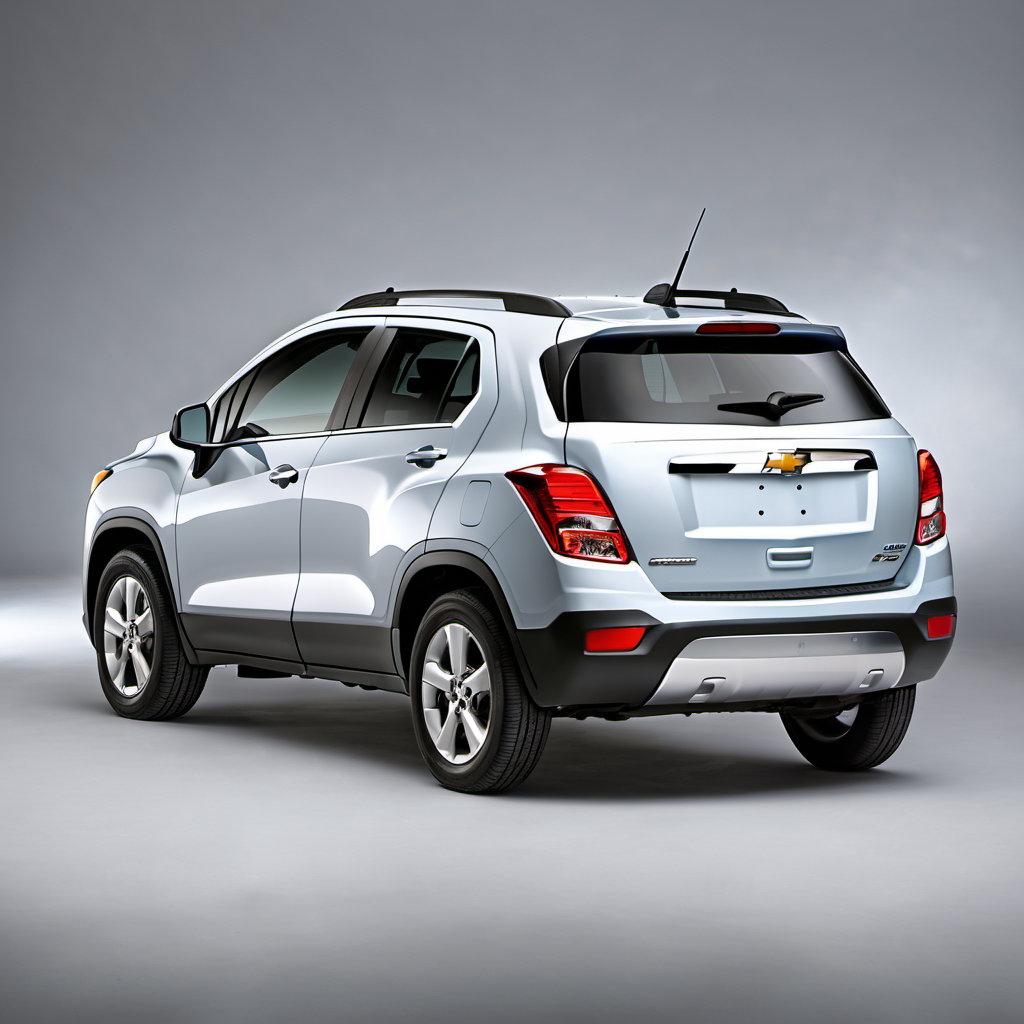
2016 Chevrolet
SUV
The 2016 Chevrolet Trax is a subcompact crossover built on GM's global Gamma II platform, slotting below the Equinox in Chevrolet's lineup. It punches above its price point with a turbocharged 1.4L engine, a reasonably comfortable interior for four adults, and solid city fuel economy — all in a small footprint that's easy to park and maneuver. It was assembled in South Korea and shares its platform and powertrain with the Buick Encore. For daily commuters and small families in town, the Trax makes good sense: low running costs, decent tech for its era, and GM dealer support nationwide. The downside is that the 1.4T is a willing but stressed engine in this application — it works hard at highway speeds when loaded, and it needs consistent oil changes more than most engines its size. AWD was an available option but FWD is the volume seller. By 2016, most of the early-generation teething issues had been addressed, but VVT solenoid fouling from extended oil change intervals remains the biggest mechanical concern. Buyers shopping used should prioritize service history above all else.
The 2016 Chevrolet Trax is a subcompact crossover built on GM's global Gamma II platform, slotting below the Equinox in Chevrolet's lineup. It punches above its price point with a turbocharged 1.4L engine, a reasonably comfortable interior for four adults, and solid city fuel economy — all in a small footprint that's easy to park and maneuver. It was assembled in South Korea and shares its platform and powertrain with the Buick Encore. For daily commuters and small families in town, the Trax makes good sense: low running costs, decent tech for its era, and GM dealer support nationwide. The downside is that the 1.4T is a willing but stressed engine in this application — it works hard at highway speeds when loaded, and it needs consistent oil changes more than most engines its size. AWD was an available option but FWD is the volume seller. By 2016, most of the early-generation teething issues had been addressed, but VVT solenoid fouling from extended oil change intervals remains the biggest mechanical concern. Buyers shopping used should prioritize service history above all else.
The 1.4T's VVT solenoids are extremely sensitive to dirty oil. The Oil Life Monitor may allow up to 7,500–10,000 miles, but the VVT system doesn't tolerate it well. Stick to 5k or full synthetic at 7,500 max.
GM calls this fluid 'lifetime' but independent shops consistently see shudder and wear on units that have never had the fluid changed. Use Dexron VI. A drain-and-fill (not a flush) is sufficient.
A clogged air filter makes the turbo work harder and reduces throttle response. Easy DIY or quick shop job.
The 1.4T runs iridium plugs from the factory. Worn plugs increase misfires, stress the ignition coil, and reduce turbo response. Use OEM-spec iridium replacements only.
Belt failure leaves you stranded. On the 1.4T, replacement is straightforward but don't skip the inspection — cracking or glazing in Wisconsin winters accelerates wear.
Brake fluid is hygroscopic and absorbs moisture. In a Wisconsin winter environment with temperature swings, degraded fluid lowers the boiling point and can contribute to corrosion inside the brake system.
DEX-COOL has a long service life but should still be inspected annually for proper freeze protection down to at least -34°F for Wisconsin winters. Check hoses for cracking at the same time.
Road salt accumulation is the number-one enemy of this vehicle in the upper Midwest. Flush the undercarriage regularly through winter and have brake lines, fuel lines, and subframe inspected each spring for corrosion.
Always defer to the manufacturer's service manual for warranty-mandated intervals.
The Trax is a low-cost vehicle to own when properly maintained. The biggest financial risk is deferred oil changes causing VVT damage — a $50 oil change skipped repeatedly can become a $500–$1,500 repair. Budget on the higher end of maintenance if buying used with unknown service history.
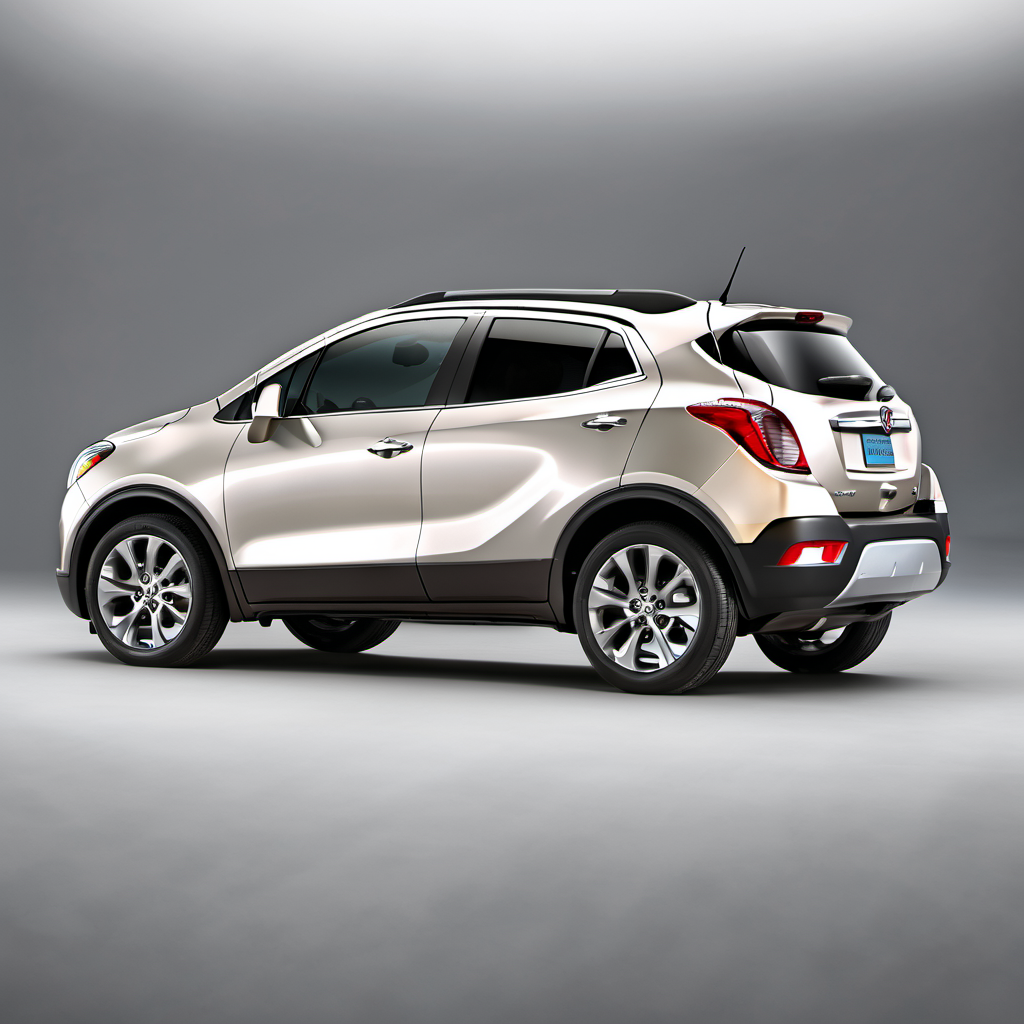
Platform-twin of the Trax — literally the same vehicle with a more premium interior and badge. Often priced similarly used. Worth cross-shopping; parts and service are identical.

Same subcompact crossover segment, slightly more cargo-clever interior with the Magic Seat system. Naturally aspirated engine is simpler mechanically. Better long-term reliability reputation.

Similar footprint and price point. Mazda's reliability and driving dynamics edge the Trax. AWD availability and Skyactiv engine efficiency are comparable selling points.
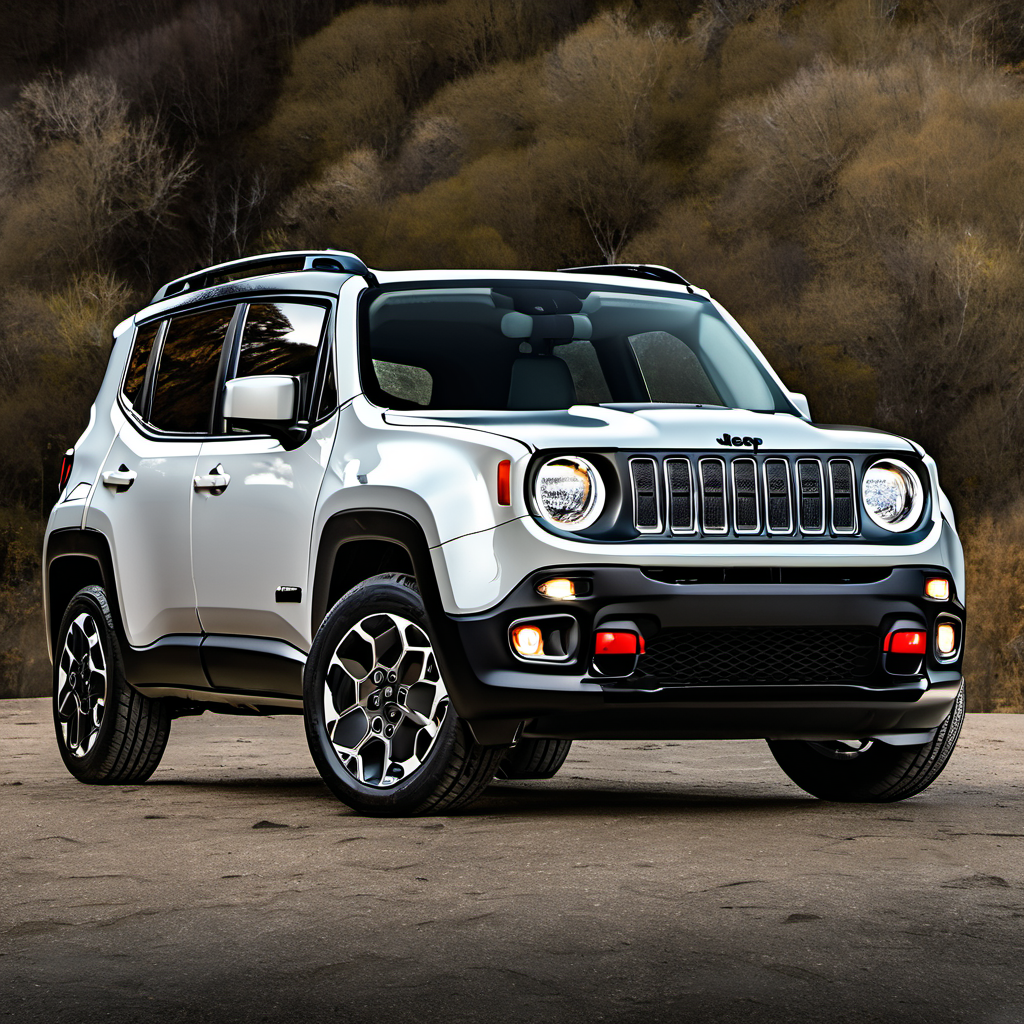
Direct competitor at similar price. Available with true 4WD capability the Trax can't match. However, the Renegade's 9-speed automatic has its own reliability concerns — compare service histories carefully.