Engine Oil Consumption (1.4L Turbo)
high- Typically appears
- 30–100k mi
- Estimated repair
- $100 – $800
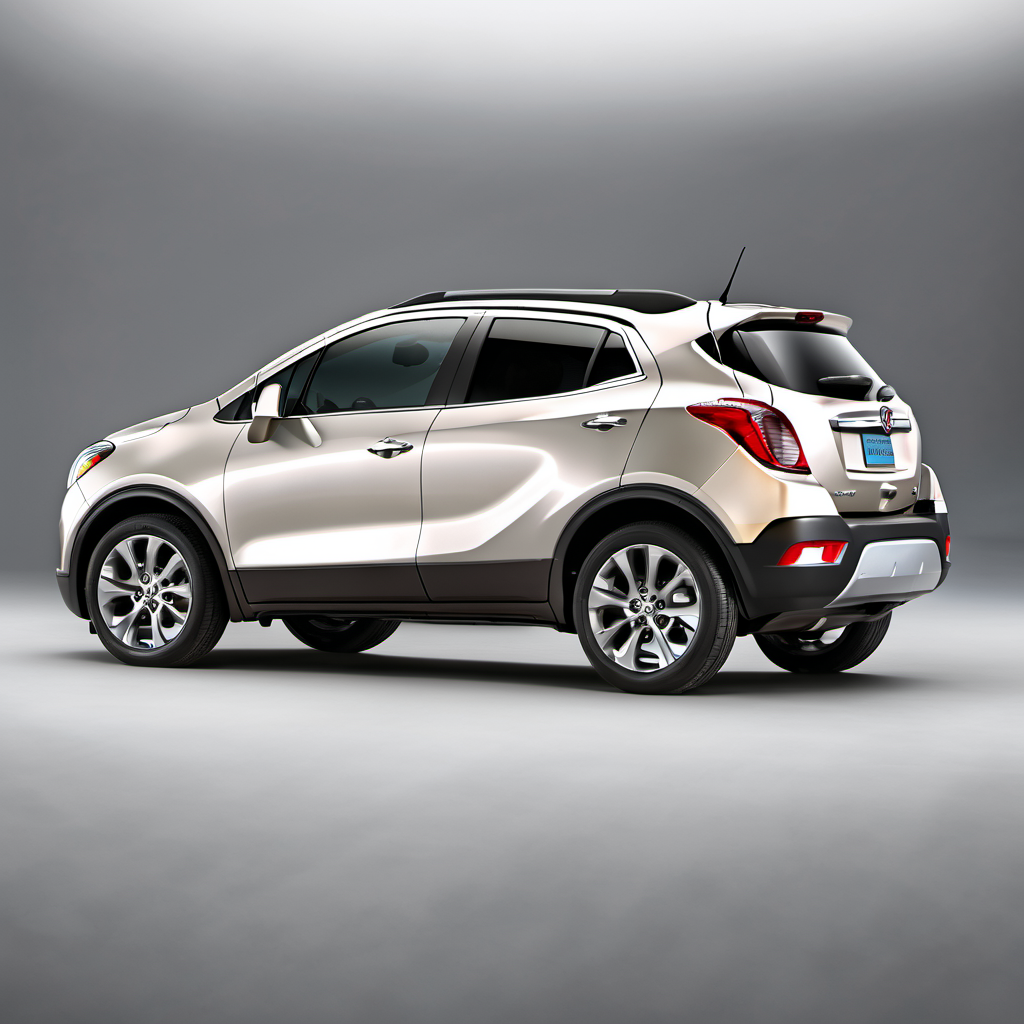
2016 Buick
1.4L I4 Turbo · SUV
The 2016 Buick Encore is a subcompact luxury crossover built on GM's Gamma II platform, shared with the Chevrolet Trax. It slots into Buick's lineup as the entry point, targeting buyers who want a premium badge, a comfortable ride, and easy city maneuverability without stepping up to a larger vehicle. The Encore was already in its fourth model year by 2016 and carried over mostly unchanged, benefiting from early production kinks being worked out. Under the hood sits a turbocharged 1.4L four-cylinder mated to a 6-speed automatic. Power is modest — this is a commuter, not a canyon carver — but the turbocharged engine gives it enough low-end pull for everyday driving. All-wheel drive is available but most sold were front-wheel drive. Interior refinement is the Encore's strongest card: quiet cabin, comfortable seats, and a user-friendly infotainment system for its class. At around 80,000–120,000 miles, owners start seeing turbo and VVT system wear, oil consumption, and some electronics gremlins. It's not a 250k-mile workhorse, but a well-maintained example will give many years of reliable daily transportation. Parts are affordable since it shares so much with the Chevy Trax.
The 2016 Buick Encore is a subcompact luxury crossover built on GM's Gamma II platform, shared with the Chevrolet Trax. It slots into Buick's lineup as the entry point, targeting buyers who want a premium badge, a comfortable ride, and easy city maneuverability without stepping up to a larger vehicle. The Encore was already in its fourth model year by 2016 and carried over mostly unchanged, benefiting from early production kinks being worked out. Under the hood sits a turbocharged 1.4L four-cylinder mated to a 6-speed automatic. Power is modest — this is a commuter, not a canyon carver — but the turbocharged engine gives it enough low-end pull for everyday driving. All-wheel drive is available but most sold were front-wheel drive. Interior refinement is the Encore's strongest card: quiet cabin, comfortable seats, and a user-friendly infotainment system for its class. At around 80,000–120,000 miles, owners start seeing turbo and VVT system wear, oil consumption, and some electronics gremlins. It's not a 250k-mile workhorse, but a well-maintained example will give many years of reliable daily transportation. Parts are affordable since it shares so much with the Chevy Trax.
The 1.4L turbo is prone to oil sludge and consumption. Fresh oil is the single best thing you can do to keep VVT solenoids clean and avoid premature engine wear.
Oil consumption is a known trait. Running even a quart low on a turbocharged engine accelerates wear on bearings, the turbocharger, and timing components.
Turbocharged engines are harder on plugs than naturally aspirated ones. Worn plugs cause misfires, reduced efficiency, and added stress on the ignition coil.
GM markets this as 'lifetime' fluid, but in real-world use — especially with Wisconsin cold starts — fresh fluid at 45–50k intervals keeps the 6-speed shifting cleanly and extends clutch pack life.
Dexcool degrades over time and can become acidic, attacking gaskets and the heater core. Don't mix coolant types.
A restricted air filter hurts turbo response and fuel economy. Inspect annually — Wisconsin road dust and debris can clog it faster.
Brake fluid absorbs moisture over time, lowering its boiling point. In a vehicle with ABS and stability control, clean fluid also protects ABS module internals.
Sludge in the solenoid screens is the leading cause of P0012/P0015-type codes on this engine. Cleaning or replacing solenoids early is far cheaper than timing system repairs.
Always defer to the manufacturer's service manual for warranty-mandated intervals.
The Encore is a reasonably affordable vehicle to maintain when kept up properly. Annual maintenance runs $600–$1,200 under normal circumstances. The big financial risk is deferred maintenance — skip oil changes and you're looking at $1,500–$4,000 in VVT or engine repair. Turbo and O2 sensor work are the most common mid-range expenses. Parts costs are kept in check by the shared Chevy Trax platform.
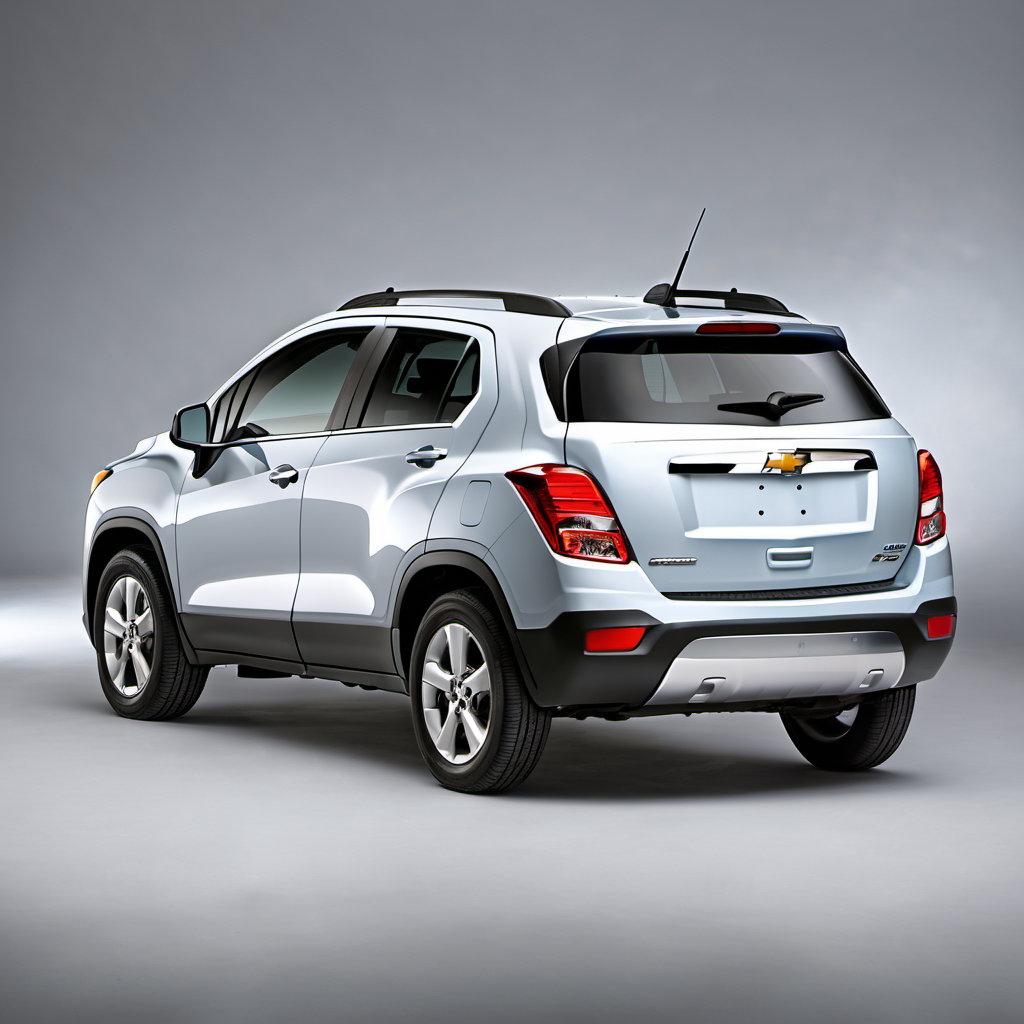
Essentially the same vehicle under the skin — same platform, same engine, same transmission. Cheaper to buy used, but you give up the Buick interior refinement and quieter cabin.

Similar footprint and price point. Better reliability reputation and more usable interior space, but no turbo punch and a less premium feel.

Strong reliability, sharper handling, and upscale interior quality. AWD available. Slightly smaller cargo area but a more satisfying drive.
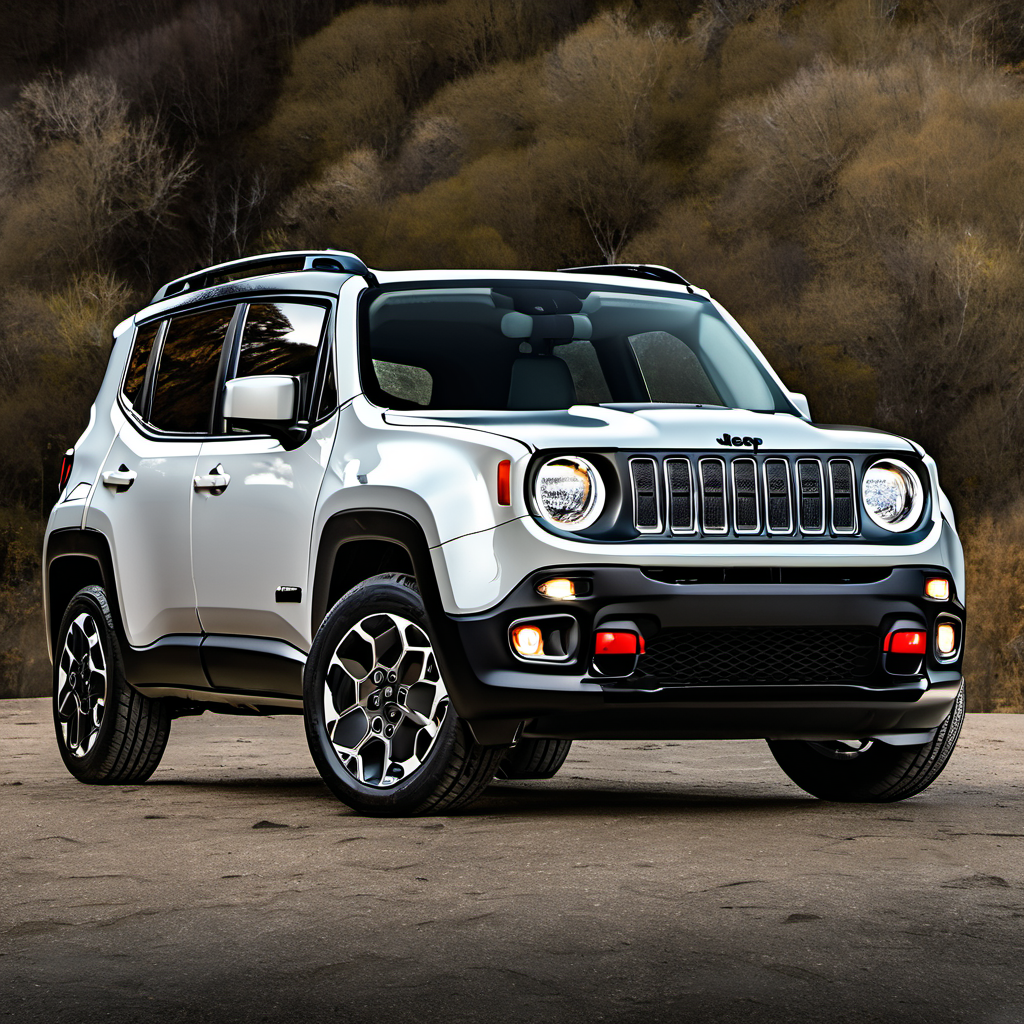
Comparable price and size with genuine 4WD capability on Trailhawk trim — better for true winter or off-road use. Less refined cabin and lower fuel economy.