CVT Shudder or Hesitation
medium- Typically appears
- 60–120k mi
- Estimated repair
- $150 – $400
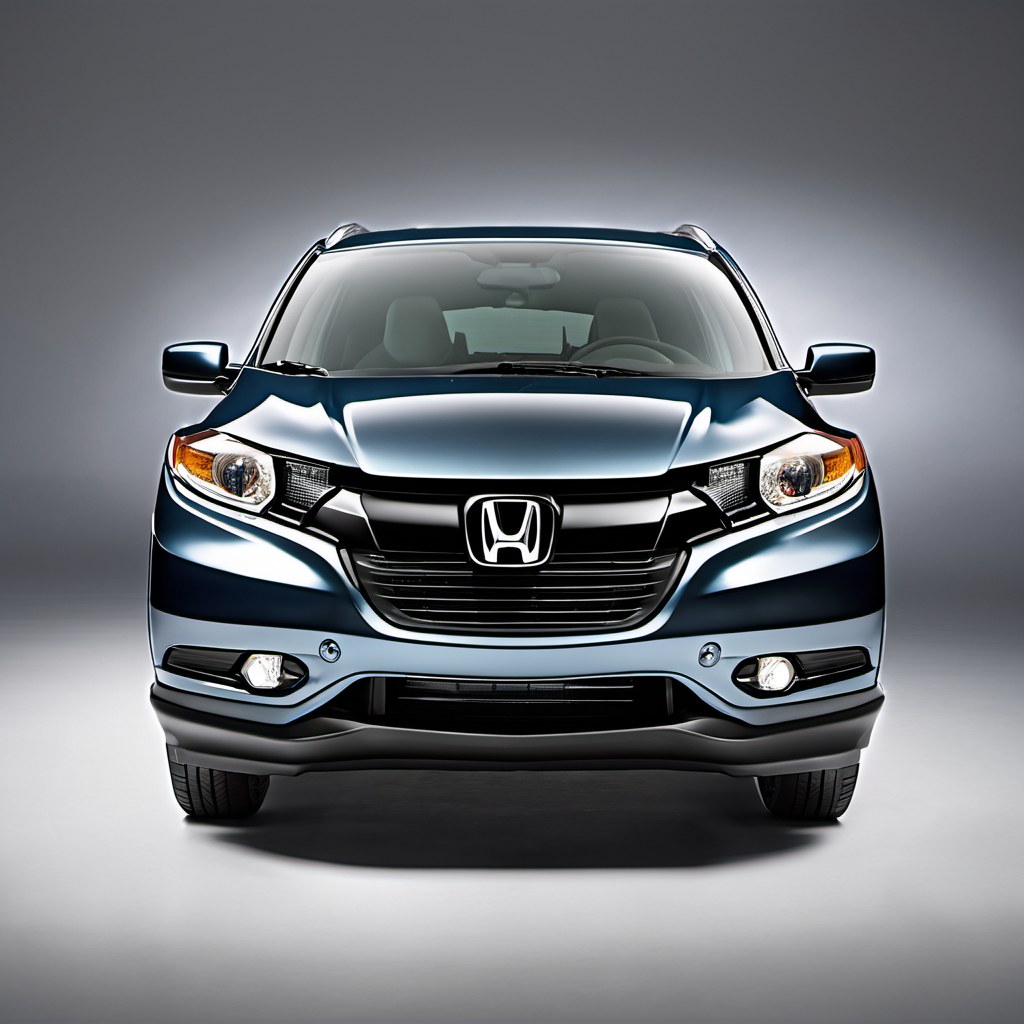
2016 Honda
SUV
The 2016 Honda HR-V is Honda's entry into the subcompact crossover segment, slotting below the CR-V and built on the Fit's platform. It punches above its weight class with a surprisingly versatile interior — Honda's Magic Seat system lets the rear bench fold flat or flip up to accommodate tall cargo, making it genuinely practical for a vehicle this size. Power comes from Honda's 1.8L four-cylinder, the same unit found in the Civic of the era. It's adequate rather than exciting — highway merges and passing require some planning — but it delivers solid fuel economy and has a long track record of durability. CVT-equipped models are the most common and contribute to the efficiency numbers. For a Lake Geneva driver, the HR-V's FWD setup handles Wisconsin winters respectably with good all-season tires, though it won't match AWD crossovers in deep snow. The compact footprint makes parking easy in tight spots year-round.
The 2016 Honda HR-V is Honda's entry into the subcompact crossover segment, slotting below the CR-V and built on the Fit's platform. It punches above its weight class with a surprisingly versatile interior — Honda's Magic Seat system lets the rear bench fold flat or flip up to accommodate tall cargo, making it genuinely practical for a vehicle this size. Power comes from Honda's 1.8L four-cylinder, the same unit found in the Civic of the era. It's adequate rather than exciting — highway merges and passing require some planning — but it delivers solid fuel economy and has a long track record of durability. CVT-equipped models are the most common and contribute to the efficiency numbers. For a Lake Geneva driver, the HR-V's FWD setup handles Wisconsin winters respectably with good all-season tires, though it won't match AWD crossovers in deep snow. The compact footprint makes parking easy in tight spots year-round.
Honda's official interval is longer, but real-world CVT wear accelerates with degraded fluid — especially in stop-and-go or hilly driving. Independent shops strongly recommend more frequent changes to prevent shudder and extend transmission life.
The 1.8L's VTC actuator is oil-pressure-sensitive. Keeping fresh oil in the engine protects the timing system and reduces the risk of cold-start rattles and P0012/P0015 codes.
Honda specifies a brake fluid inspection at each service. Wisconsin salt exposure and temperature swings accelerate moisture absorption in brake fluid, reducing boiling point and increasing corrosion risk in calipers.
The HR-V uses iridium plugs from the factory with a long service life. Worn plugs contribute to rough idle and slight power loss — easy to overlook because the decline is gradual.
Wisconsin spring and summer bring heavy pollen and road dust. A clogged air filter noticeably hurts the already-modest power output and fuel economy.
FWD vehicles wear front tires faster. Regular rotation extends tire life and maintains even handling. Cold Wisconsin winters drop tire pressure roughly 1 PSI per 10°F — check monthly in winter.
A battery that passes a summer test can still fail at -10°F. Have it load-tested before Wisconsin winter sets in. The HR-V's engine bay is tight, and a dead battery in January is a harder fix than a scheduled swap.
The cabin air filter is quick to replace and makes a meaningful difference for heat and A/C airflow — important both for defrost performance in winter and cooling comfort in summer.
Always defer to the manufacturer's service manual for warranty-mandated intervals.
The HR-V is one of the cheaper crossovers to own year-over-year. Routine maintenance is straightforward and parts are widely available. The main budget risk is CVT replacement if fluid service is skipped — that alone can cost $3,000–$5,000. Stay on top of transmission fluid and oil changes and this vehicle rarely surprises you.
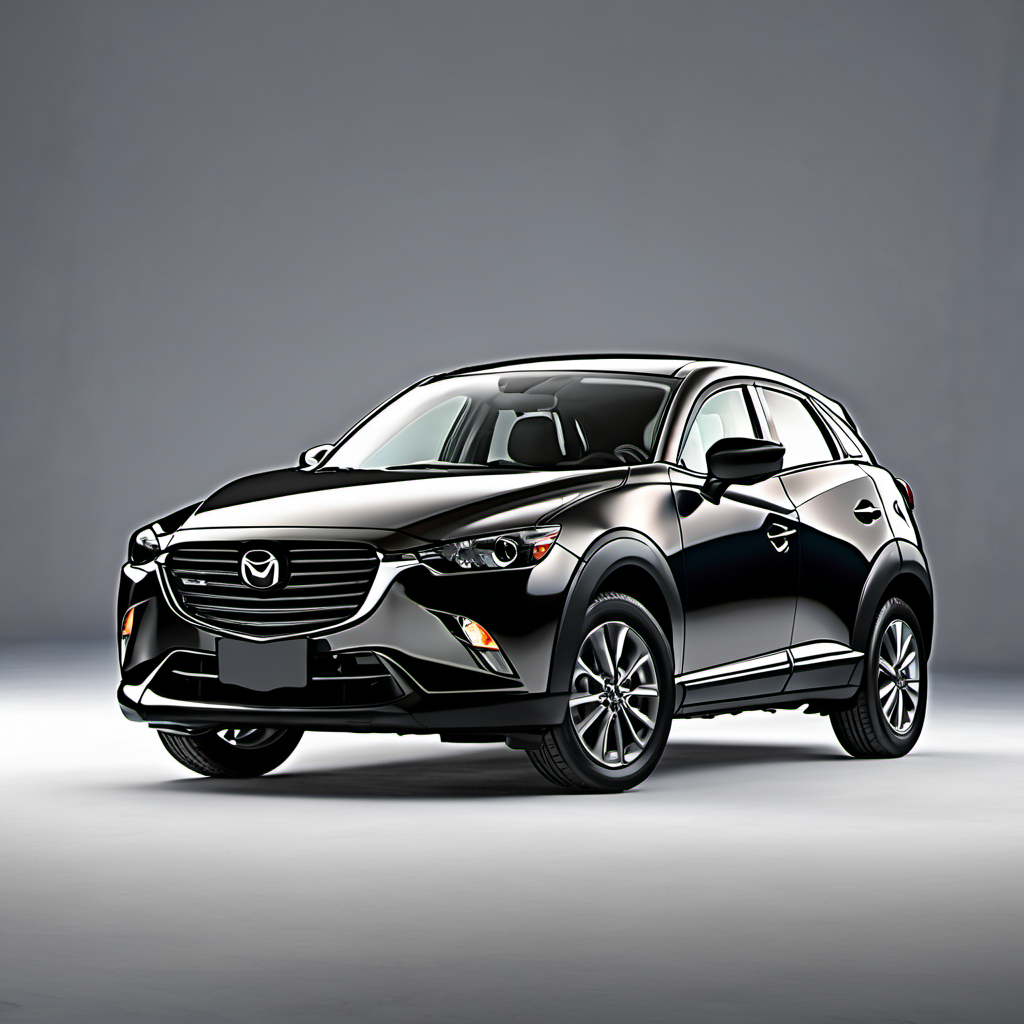
Similar footprint and price, sportier driving feel, and available AWD — a better pick if winter traction is the priority. Slightly less cargo flexibility than the HR-V.
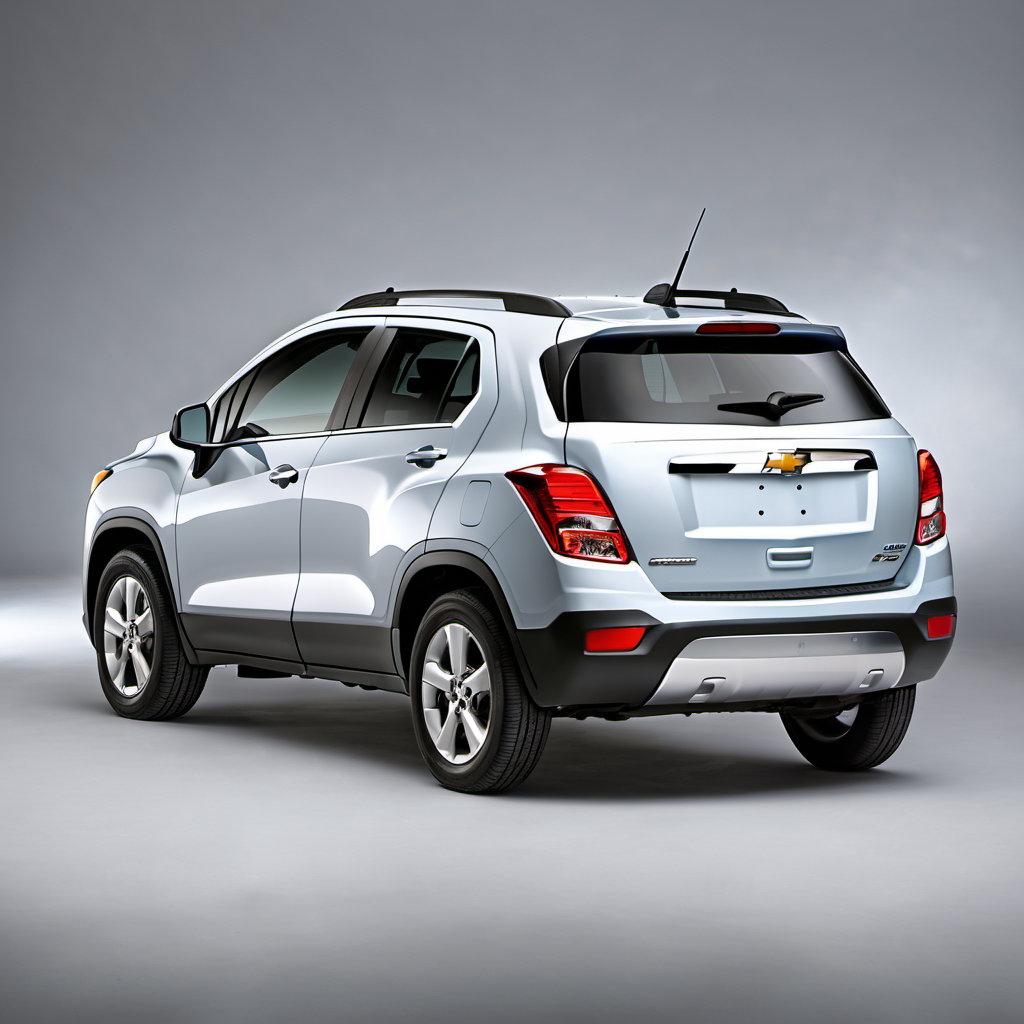
Available AWD and a slightly taller ride height give it an edge in Wisconsin winters. Less refined interior and lower reliability scores than the HR-V, but often priced lower used.
Direct competitor in the subcompact crossover class with a stylish interior and Toyota's reliability reputation. Note: C-HR launched in 2018 for the US — the 2016 equivalent is the Matrix or Yaris iA, making this more of a next-generation comparison.
No catalog matchStandard AWD and higher ground clearance make it the most capable winter vehicle in this group. Slightly worse fuel economy but a significant advantage for unpaved or snow-covered Wisconsin roads.
No catalog match