9-Speed ZF Automatic Transmission Hesitation and Shuddering
high- Typically appears
- 0–80k mi
- Estimated repair
- $150 – $2,500
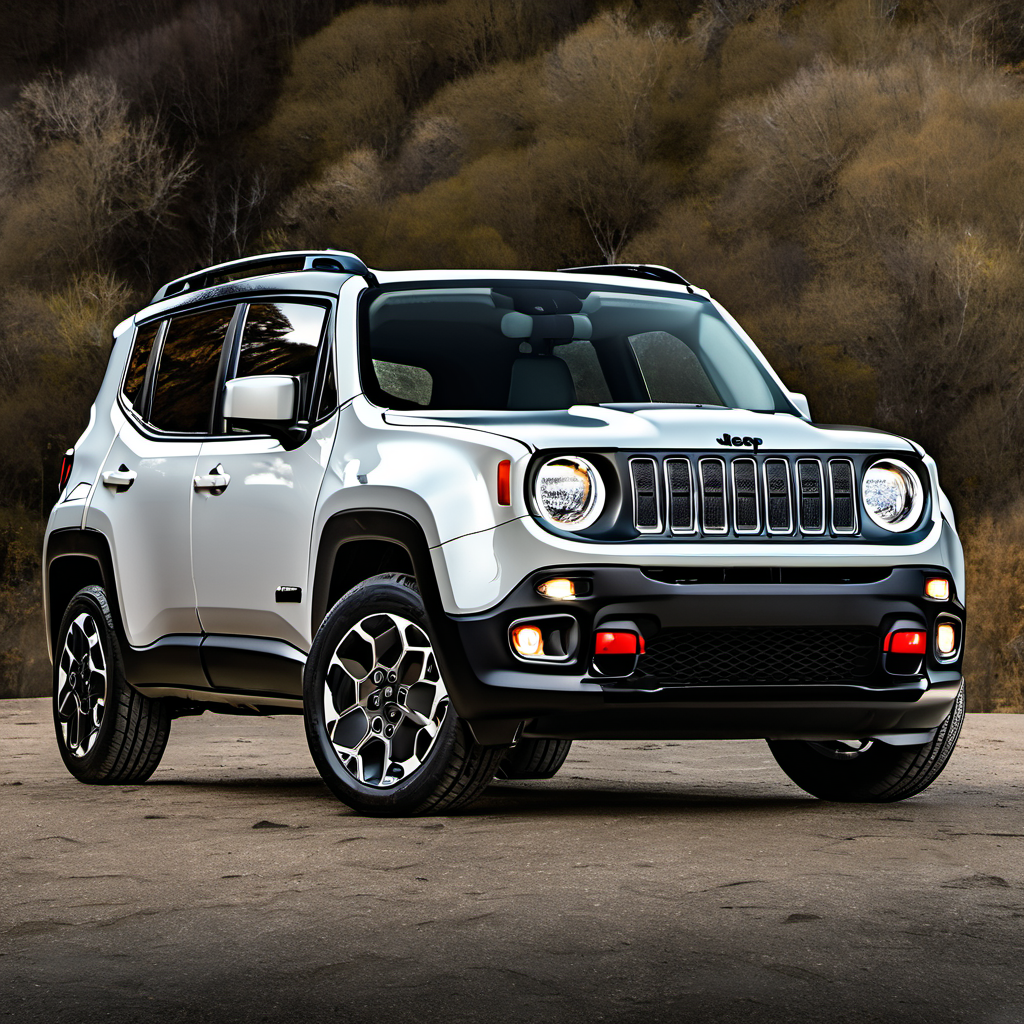
2016 Jeep
SUV
The 2016 Jeep Renegade is a subcompact SUV built on the Fiat-Chrysler small-car platform it shares with the Fiat 500X. It was Jeep's entry point into the booming subcompact crossover market, offering genuine Jeep styling cues and available Trail Rated 4WD capability in a city-friendly package. The FWD 1.4L turbocharged four-cylinder variant is the fuel-economy-focused choice, while the 2.4L Tigershark with AWD was the more capable option. The 1.4L MultiAir turbo engine traces its roots to Fiat and is shared across several FCA products. It produces adequate power for daily driving but has a well-documented history of oil consumption, turbo wastegate rattle, and timing chain issues — all things to watch on a used example. The 9-speed ZF automatic transmission paired with this engine was notoriously problematic in early production years, including 2016. For buyers in Lake Geneva and the surrounding area, the FWD configuration is worth noting: while the Renegade's exterior looks adventure-ready, FWD limits its usefulness in heavy snow and off-road situations. Budget appropriately for good winter tires to offset this. The platform-sharing with Fiat also means some parts and specialist knowledge can be harder to source at non-FCA shops.
The 2016 Jeep Renegade is a subcompact SUV built on the Fiat-Chrysler small-car platform it shares with the Fiat 500X. It was Jeep's entry point into the booming subcompact crossover market, offering genuine Jeep styling cues and available Trail Rated 4WD capability in a city-friendly package. The FWD 1.4L turbocharged four-cylinder variant is the fuel-economy-focused choice, while the 2.4L Tigershark with AWD was the more capable option. The 1.4L MultiAir turbo engine traces its roots to Fiat and is shared across several FCA products. It produces adequate power for daily driving but has a well-documented history of oil consumption, turbo wastegate rattle, and timing chain issues — all things to watch on a used example. The 9-speed ZF automatic transmission paired with this engine was notoriously problematic in early production years, including 2016. For buyers in Lake Geneva and the surrounding area, the FWD configuration is worth noting: while the Renegade's exterior looks adventure-ready, FWD limits its usefulness in heavy snow and off-road situations. Budget appropriately for good winter tires to offset this. The platform-sharing with Fiat also means some parts and specialist knowledge can be harder to source at non-FCA shops.
The 1.4L MultiAir turbo is oil-critical. Given known consumption issues, shorter intervals reduce the risk of running low between changes and slow timing chain wear.
This engine is prone to consuming oil between changes. Running even a quart low accelerates turbo bearing wear and timing chain stretch.
FCA labeled this transmission 'filled for life,' but real-world experience shows fresh fluid significantly improves shift quality and longevity. Use only the specified ZF Lifeguard 9 or equivalent approved fluid.
The 1.4L turbo runs hot and is hard on plugs. Worn plugs increase misfire risk and put extra load on the ignition coil.
A restricted air filter stresses the turbo and can contribute to oil consumption. Easy DIY job on this engine.
Moisture absorption in brake fluid is accelerated by Wisconsin's humidity swings. Contaminated fluid lowers boiling point and corrodes ABS components.
Road salt in the Lake Geneva area accelerates rust on the unibody, brake lines, and wheel arch seams. Catching surface rust early with treatment is far cheaper than replacement.
Turbocharged engines run hotter and cycle coolant harder than naturally aspirated units. Cracked hoses or a failing thermostat can cause overheating that damages the turbo or head gasket.
Always defer to the manufacturer's service manual for warranty-mandated intervals.
The Renegade's sticker price is modest, but the 1.4L turbo version has above-average running costs relative to competitors. The 9-speed transmission can be expensive to repair if software updates don't resolve issues. Budget for premium fuel, more frequent oil changes than the OLM suggests, and a probable transmission service around 40k miles. Rust prevention and annual undercarriage inspections are not optional in Wisconsin — they're the cheapest insurance you can buy for this vehicle's long-term value.
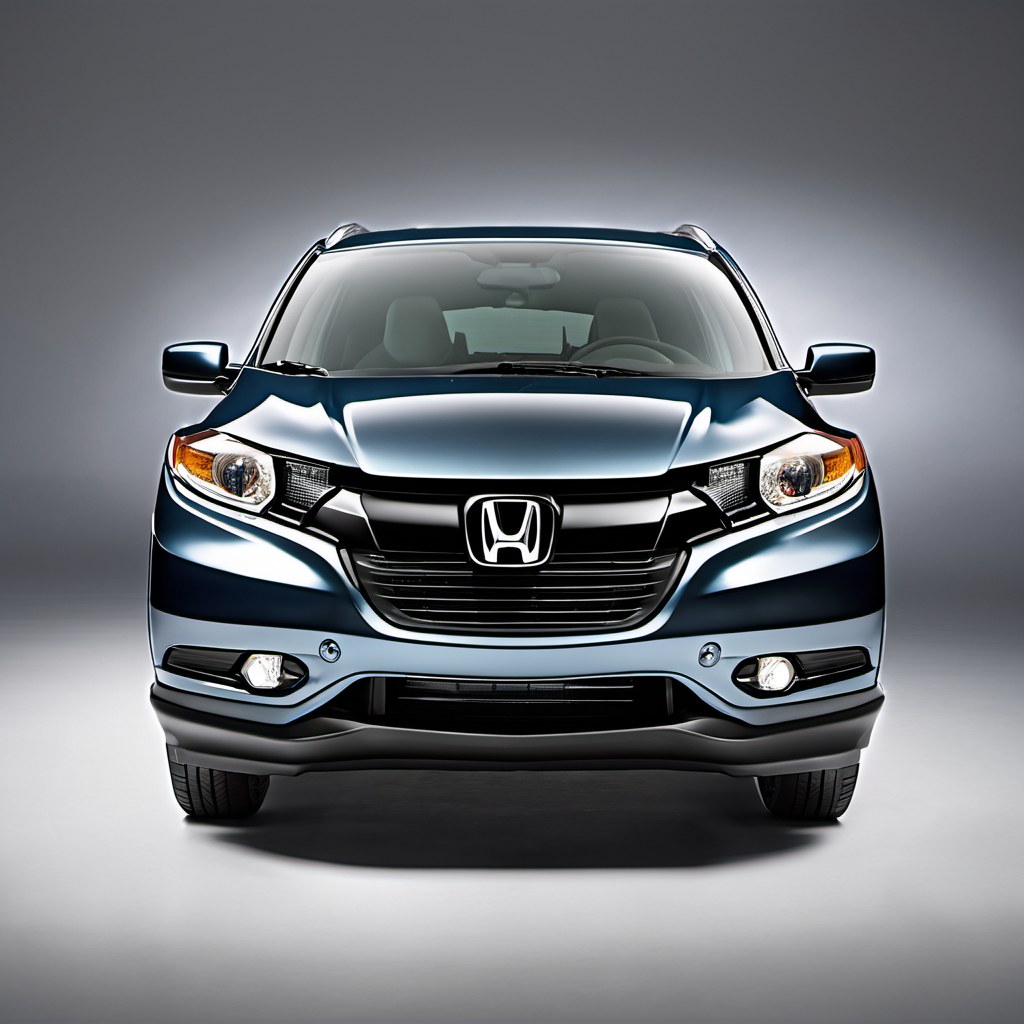
Same subcompact crossover segment, similar price, better reliability reputation, and superior resale value. FWD base is also the volume seller. Less stylistically bold but significantly fewer known issues.
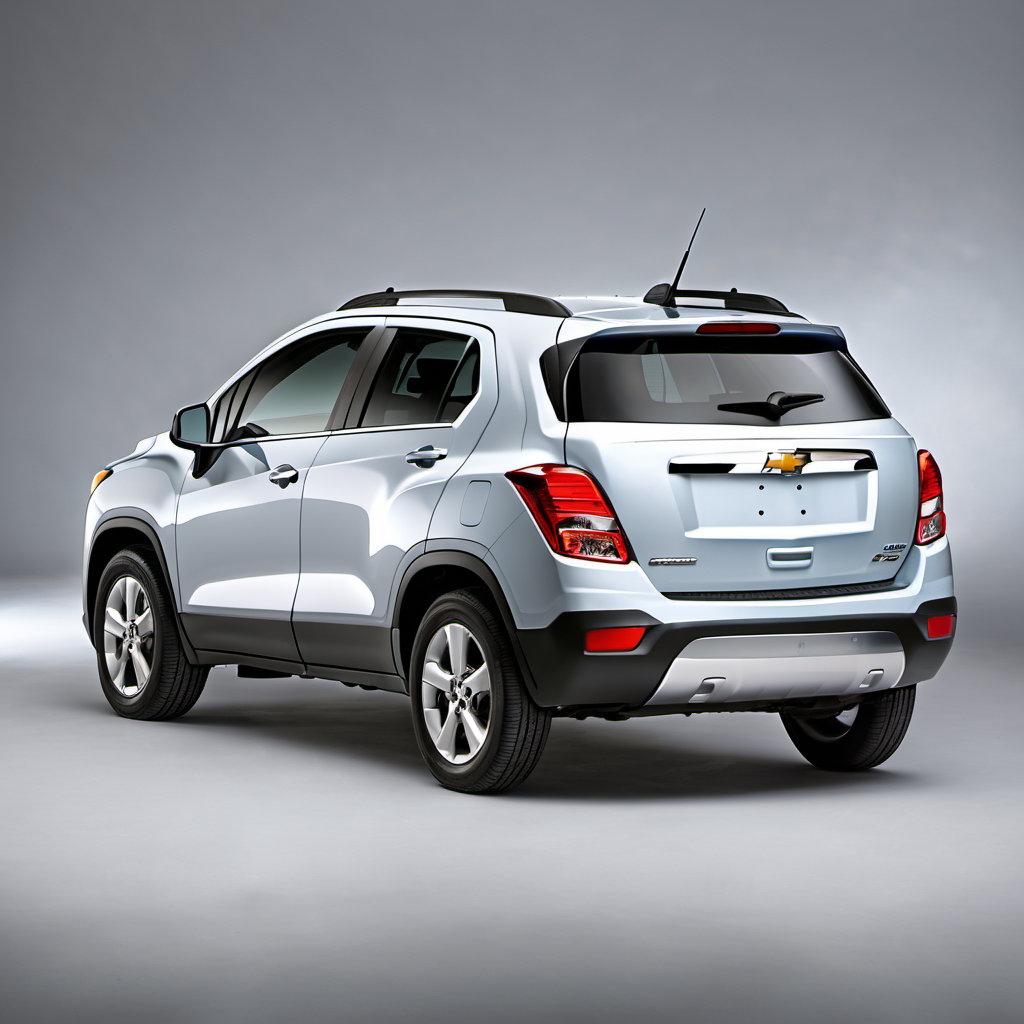
Direct domestic competitor in size and price. The 1.4L turbo here is shared with the Sonic/Cruze and is better sorted than the Renegade's version. Parts availability is strong across the upper Midwest.
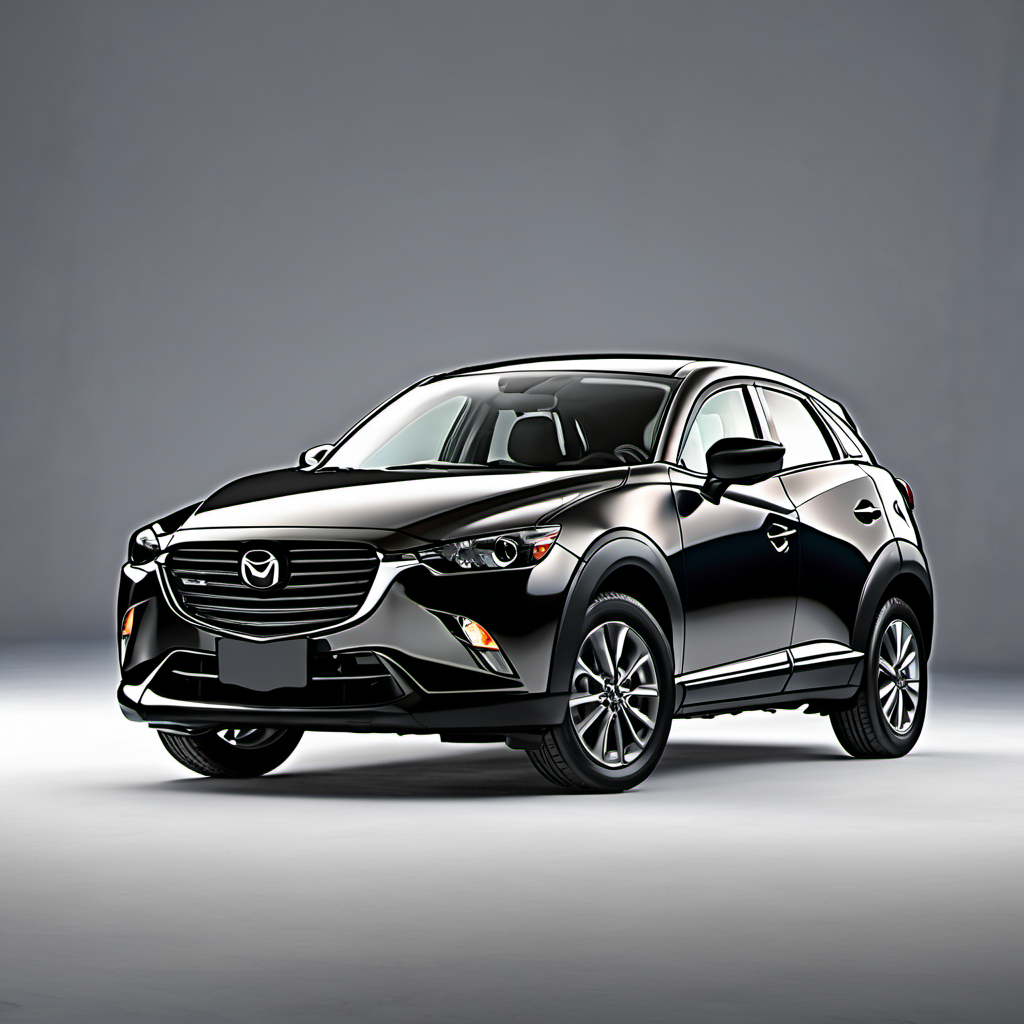
Sporty subcompact crossover with similar MPG and footprint. Mazda's reliability record is considerably stronger, and the SkyActiv engine has no known oil consumption issues. Available AWD with a more capable system.
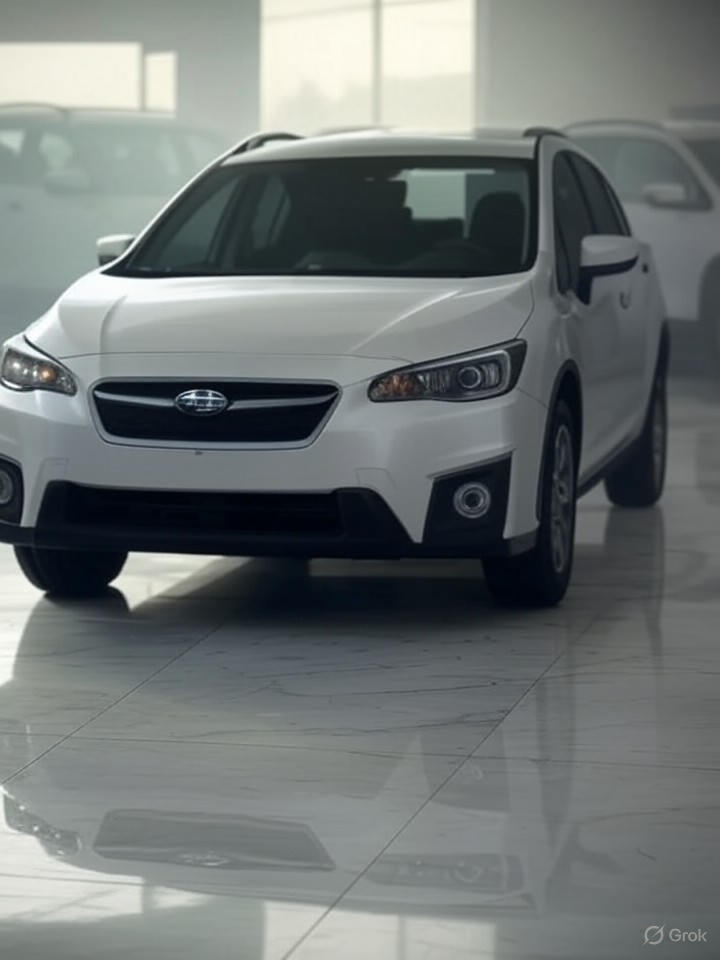
Slightly larger but similarly priced. Standard AWD is a major advantage for Wisconsin winters compared to the Renegade's base FWD. Subaru's reliability is stronger overall, though head gaskets on older models warrant inspection.