Variable Valve Timing (VVT) / Oil Control Valve issues
medium- Typically appears
- 60,000–120,000 mi
- Estimated repair
- $200 – $600
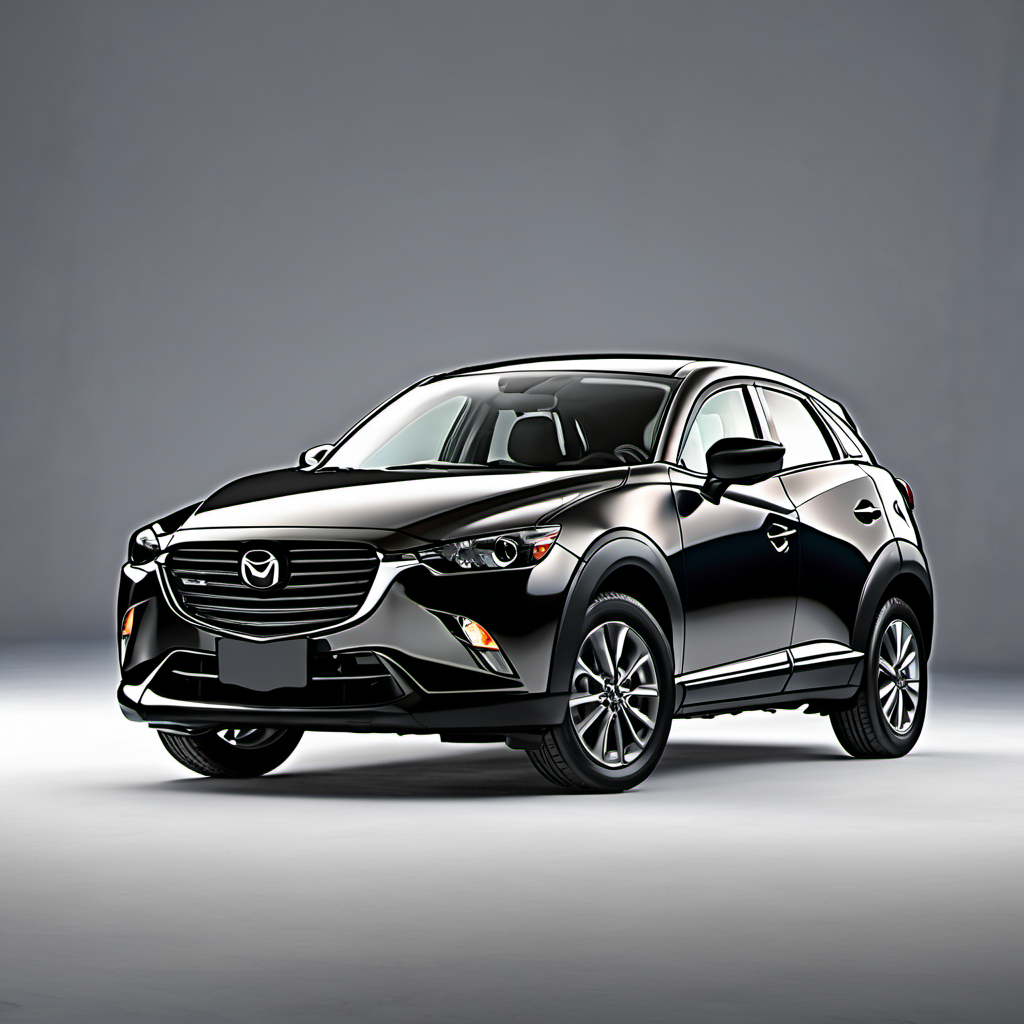
2016 MAZDA
SUV
The 2016 Mazda CX-3 is a subcompact crossover built on Mazda's global small-car platform, sharing its underpinnings with the Mazda2. It launched in the U.S. for the 2016 model year, slotting below the CX-5 as Mazda's entry into the booming subcompact SUV segment. The CX-3 earned attention for its sharp Kodo styling, driver-focused feel, and above-average fuel economy — qualities uncommon in its class. Under the hood sits Mazda's SKYACTIV-G 2.0L four-cylinder paired to a 6-speed automatic. The interior is compact but well-finished for the price, and the infotainment system uses Mazda's rotary commander interface. Rear-seat room is tight by class standards, and cargo space is among the smaller in the segment — tradeoffs for the car-like handling and sleek roofline. For Lake Geneva drivers, the base FWD version handles typical Wisconsin winters adequately with good all-season tires, though the available AWD (i-ACTIV) variant is a stronger pick for heavier snow. The CX-3 suits commuters and solo or couple drivers more than families needing rear-seat or cargo room.
The 2016 Mazda CX-3 is a subcompact crossover built on Mazda's global small-car platform, sharing its underpinnings with the Mazda2. It launched in the U.S. for the 2016 model year, slotting below the CX-5 as Mazda's entry into the booming subcompact SUV segment. The CX-3 earned attention for its sharp Kodo styling, driver-focused feel, and above-average fuel economy — qualities uncommon in its class. Under the hood sits Mazda's SKYACTIV-G 2.0L four-cylinder paired to a 6-speed automatic. The interior is compact but well-finished for the price, and the infotainment system uses Mazda's rotary commander interface. Rear-seat room is tight by class standards, and cargo space is among the smaller in the segment — tradeoffs for the car-like handling and sleek roofline. For Lake Geneva drivers, the base FWD version handles typical Wisconsin winters adequately with good all-season tires, though the available AWD (i-ACTIV) variant is a stronger pick for heavier snow. The CX-3 suits commuters and solo or couple drivers more than families needing rear-seat or cargo room.
Mazda specifies 0W-20 for SKYACTIV-G engines. Using thicker oil or stretching intervals can contribute to VVT solenoid sludging, which is the leading cause of camshaft timing fault codes on this engine.
Wisconsin road salt and seasonal pollen clog cabin filters faster than in milder climates. A blocked filter reduces HVAC effectiveness and defroster performance — critical in winter.
Brake fluid absorbs moisture over time, lowering its boiling point and promoting internal caliper corrosion. Midwestern salt exposure accelerates caliper and brake hardware corrosion — don't skip this.
SKYACTIV-G engines use direct injection and high compression. Worn plugs affect combustion efficiency and can exacerbate carbon buildup on intake valves.
Direct injection engines don't wash the intake valves with fuel. Carbon deposits accumulate and can cause rough idle, misfires, and reduced power, particularly noticeable after 60k miles.
Mazda does not list this as required, but real-world experience shows the 6-speed automatic shifts more cleanly and lasts longer with fresh fluid at this interval, especially in stop-and-go city driving.
Lake Geneva regularly sees sub-zero temperatures. A battery that passes a basic voltage test in fall can still fail a load test and leave you stranded in January. Replace proactively if it's over 4 years old.
Wisconsin road salt is hard on brake caliper slide pins, rotors, and underbody hardware. Cleaning and lubricating caliper hardware at each brake service extends component life significantly.
Always defer to the manufacturer's service manual for warranty-mandated intervals.
The CX-3 is an inexpensive vehicle to own day-to-day. Parts are affordable, the 2.0L engine is simple, and fuel costs are low. The main cost surprises are brake service (more frequent than expected) and the occasional Mazda dealer fee for software updates or module resets. Avoid letting oil changes slide — sludge-related VVT repairs are the most expensive thing that can happen to this engine.
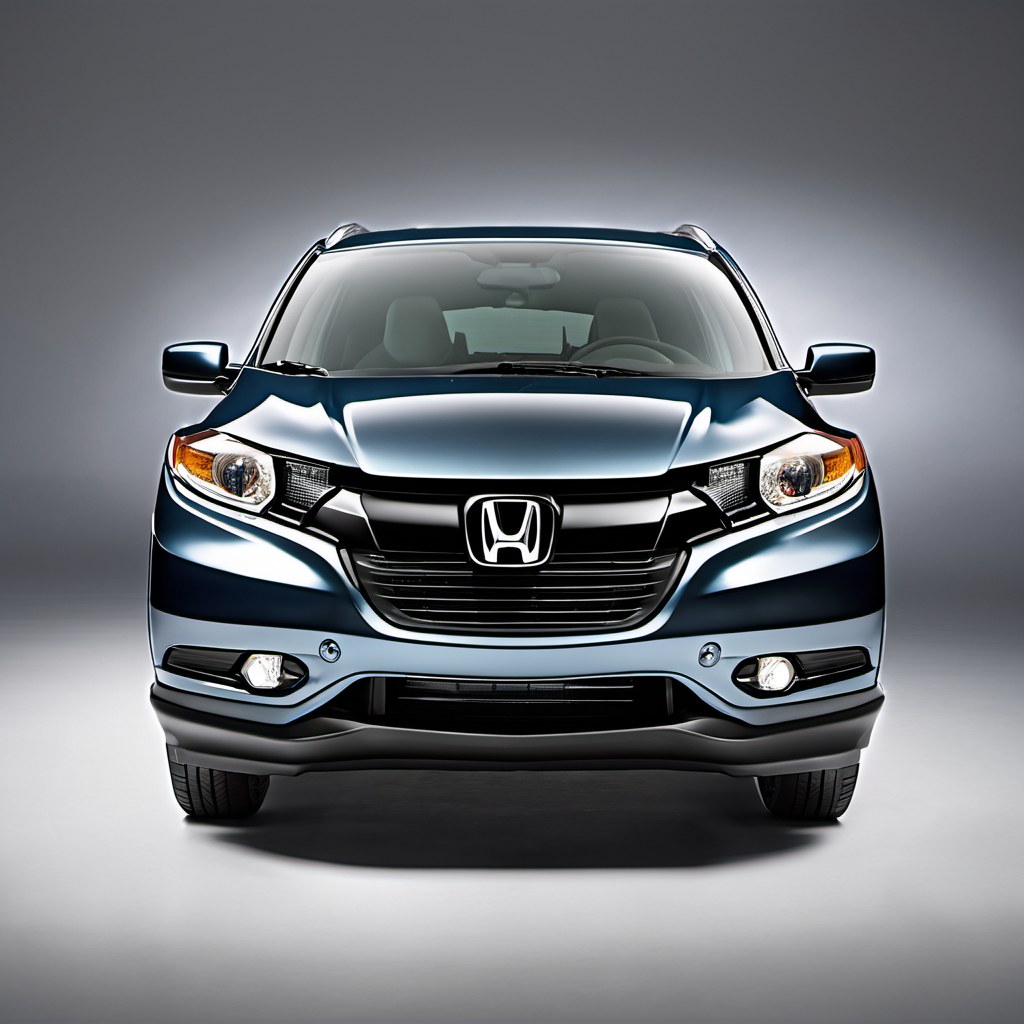
Same subcompact crossover segment, similar price, FWD or AWD. The HR-V offers significantly more rear-seat and cargo room via its Magic Seat but feels less sporty to drive.
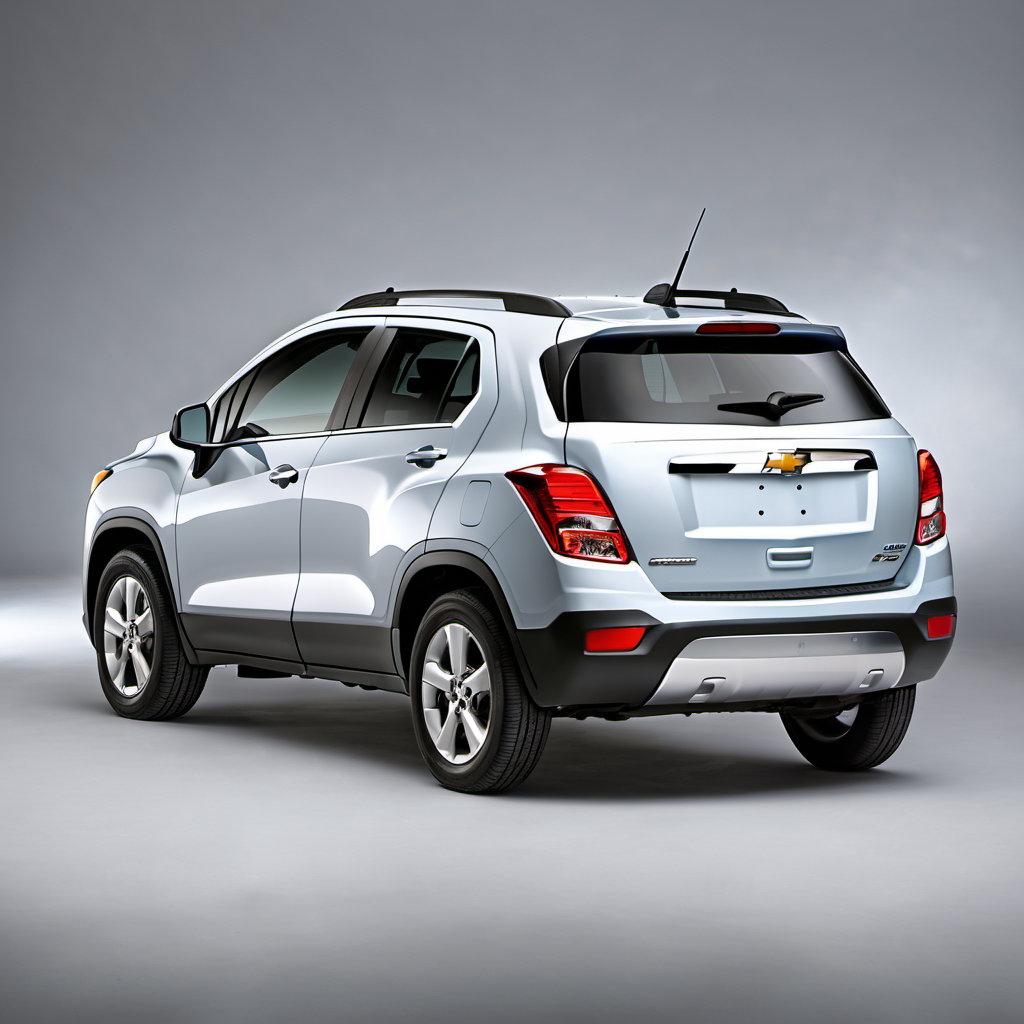
Direct segment competitor at a similar price point. The Trax offers a turbocharged 1.4L and more practical interior packaging, but trails the CX-3 in driving dynamics and fuel economy.
Stylish subcompact crossover with similar front-driver dynamics. The C-HR arrived for 2018 in the U.S., but is the closest Toyota rival in this slot for style-focused buyers.
No catalog match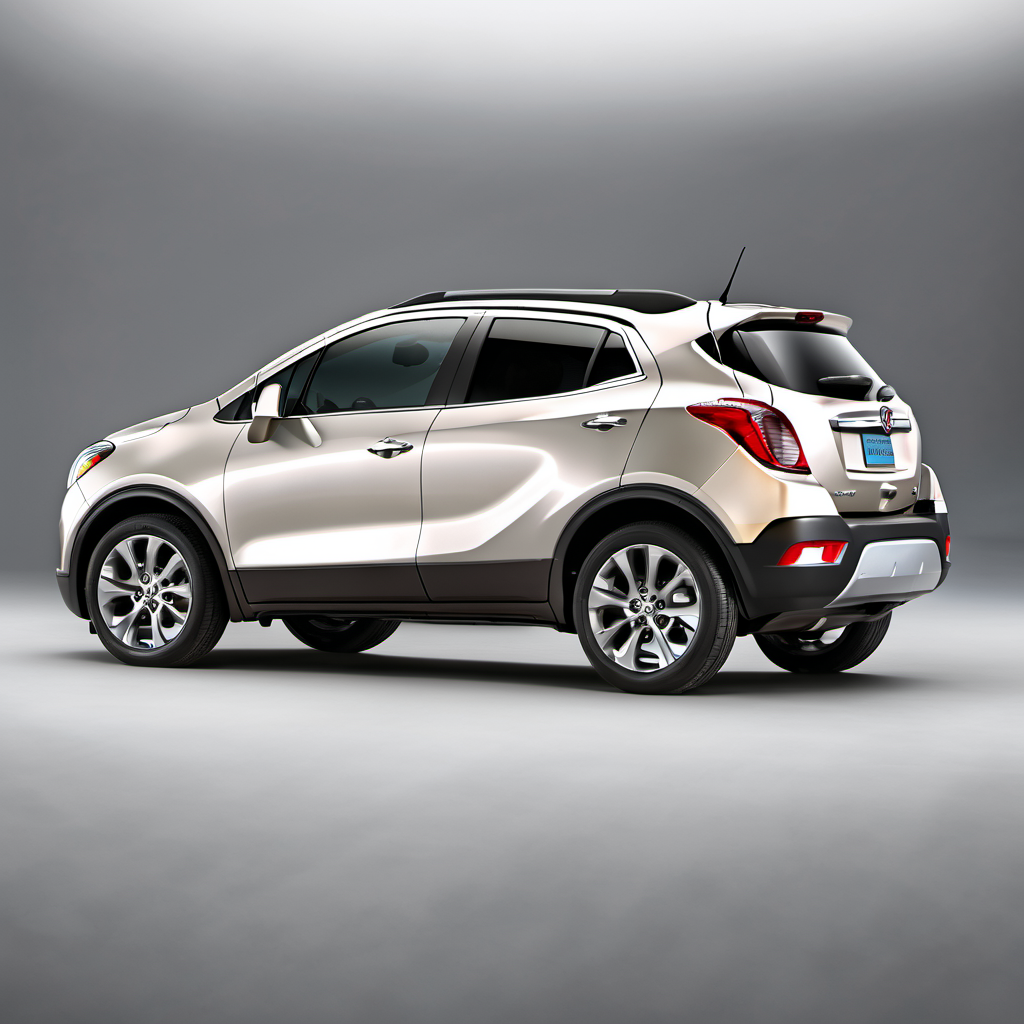
Subcompact crossover with a premium interior focus at a similar used-market price. The Encore trades CX-3's driving feel for a quieter cabin and slightly more passenger room.