TIPM (Totally Integrated Power Module) Failure
high- Typically appears
- 60–120k mi
- Estimated repair
- $500 – $1,500
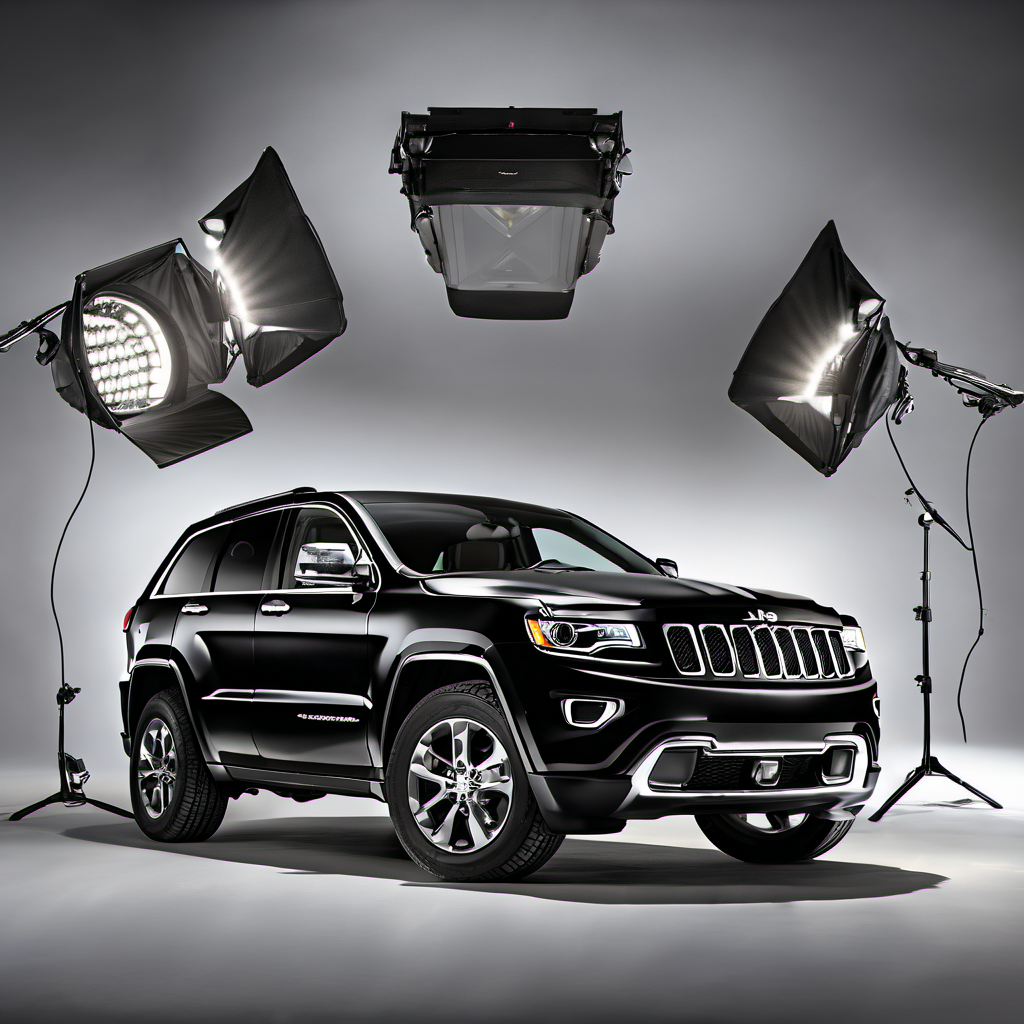
2015 Jeep
3.6L Pentastar V6 · SUV
The 2015 Jeep Grand Cherokee is the fourth-generation WK2 platform SUV, now in its fifth model year of that generation. It sits in the midsize SUV segment and is one of Jeep's best-selling vehicles, offering a wide range of trims from the base Laredo through the performance-oriented SRT. The 3.6L Pentastar V6 is by far the most common engine, though the 5.7L Hemi V8 and the 3.0L EcoDiesel V6 are also available. All trims come standard with a 8-speed automatic transmission and available Quadra-Trac or Quadra-Drive 4WD systems. The 2015 model year brought a mild refresh including updated front-end styling, a revised interior, and the addition of the 8.4-inch Uconnect infotainment system across more trims. The Grand Cherokee earns its reputation for blending genuine off-road capability with a comfortable, car-like interior — a combination few competitors match at the price point. That said, the WK2 generation carries some well-known reliability weak spots, particularly around the TIPM (Totally Integrated Power Module), VVT/camshaft phaser components on the Pentastar engine, and the EcoDiesel's emissions hardware. Buyers willing to stay on top of maintenance and address issues promptly will generally find the Grand Cherokee a capable and rewarding vehicle.
The 2015 Jeep Grand Cherokee is the fourth-generation WK2 platform SUV, now in its fifth model year of that generation. It sits in the midsize SUV segment and is one of Jeep's best-selling vehicles, offering a wide range of trims from the base Laredo through the performance-oriented SRT. The 3.6L Pentastar V6 is by far the most common engine, though the 5.7L Hemi V8 and the 3.0L EcoDiesel V6 are also available. All trims come standard with a 8-speed automatic transmission and available Quadra-Trac or Quadra-Drive 4WD systems. The 2015 model year brought a mild refresh including updated front-end styling, a revised interior, and the addition of the 8.4-inch Uconnect infotainment system across more trims. The Grand Cherokee earns its reputation for blending genuine off-road capability with a comfortable, car-like interior — a combination few competitors match at the price point. That said, the WK2 generation carries some well-known reliability weak spots, particularly around the TIPM (Totally Integrated Power Module), VVT/camshaft phaser components on the Pentastar engine, and the EcoDiesel's emissions hardware. Buyers willing to stay on top of maintenance and address issues promptly will generally find the Grand Cherokee a capable and rewarding vehicle.
The Pentastar V6's VVT system is highly sensitive to oil quality and viscosity. Sludge from extended intervals is the #1 trigger for P0012/P0015/P0022/P0025 camshaft timing codes and costly phaser repairs.
Jeep officially lists the fluid as 'lifetime,' but real-world experience shows fresh fluid at this interval prevents the shudder and harsh-shift complaints common on high-mileage units.
4WD use in Wisconsin's wet/salty conditions accelerates fluid contamination. Fresh fluid protects gears and limited-slip clutches.
Worn plugs on the Pentastar cause misfires that can falsely trigger VVT-related codes. Use OEM-spec iridium plugs only.
Wisconsin road dust and fall leaves can clog the filter faster than the service interval suggests; a clogged filter strains the MAF and VVT system.
Brake fluid absorbs moisture quickly in Wisconsin's climate swings. Degraded fluid lowers boiling point and corrodes ABS/ESC components.
OAT coolant degrades and becomes acidic, attacking the water pump and radiator. Critical before Wisconsin winters.
Cold temps make rubber air springs brittle and accelerate leaks. Catching a slow leak before it strands you in -10°F weather saves a big tow bill.
Always defer to the manufacturer's service manual for warranty-mandated intervals.
A well-maintained 2015 Grand Cherokee V6 runs $700–$1,600/year in routine maintenance at an independent shop. Budget the higher end if you have air suspension or the EcoDiesel. A TIPM failure or air suspension compressor replacement can add $500–$1,800 in a single year — having a repair fund matters. Overall ownership cost is mid-range for the segment; comparable to a Ford Explorer, more than a Toyota 4Runner, less than a comparable BMW X5.

Same segment, similar price, family-focused with available 4WD. More car-like to drive, less off-road capable, but stronger reliability reputation and wider dealer/parts network.
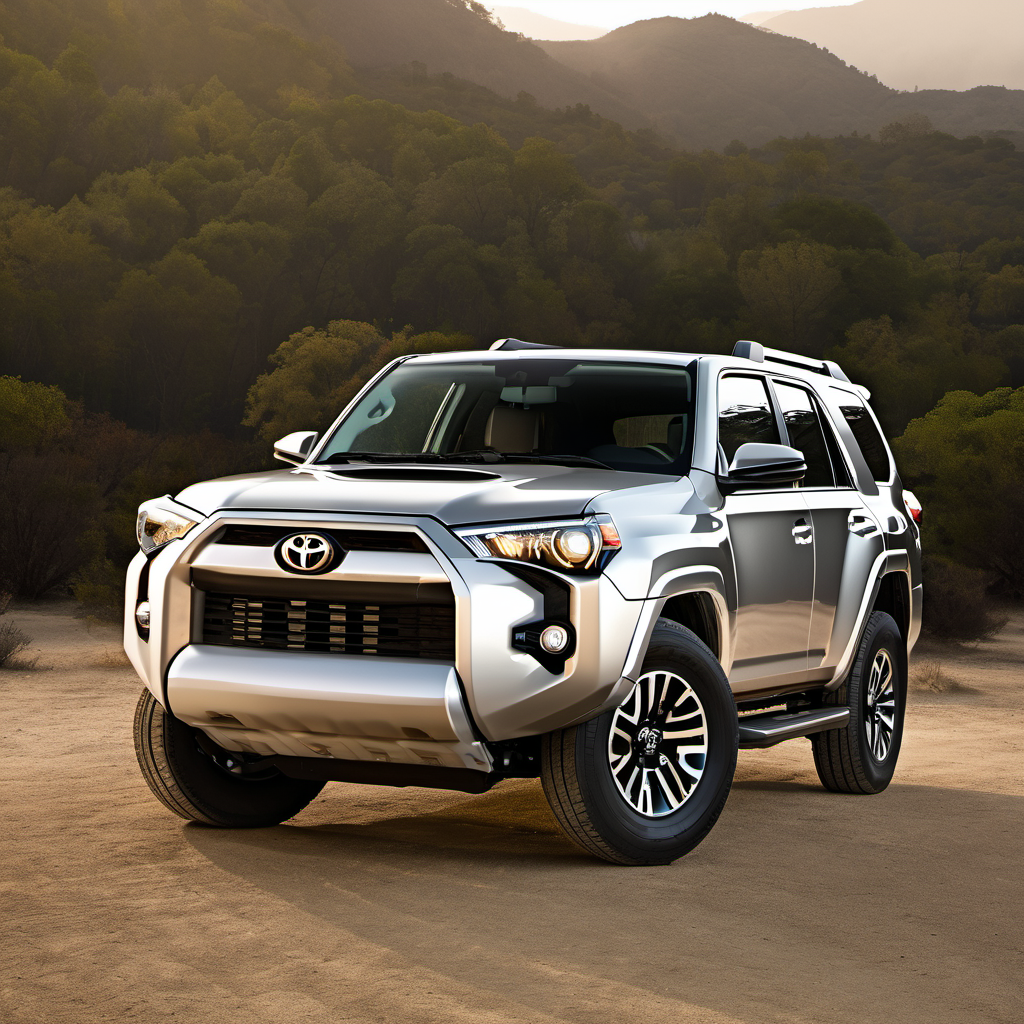
Body-on-frame off-road credibility, legendary long-term reliability, and similar 4WD capability. Higher resale value, older interior tech, and lower towing capacity than the Grand Cherokee.
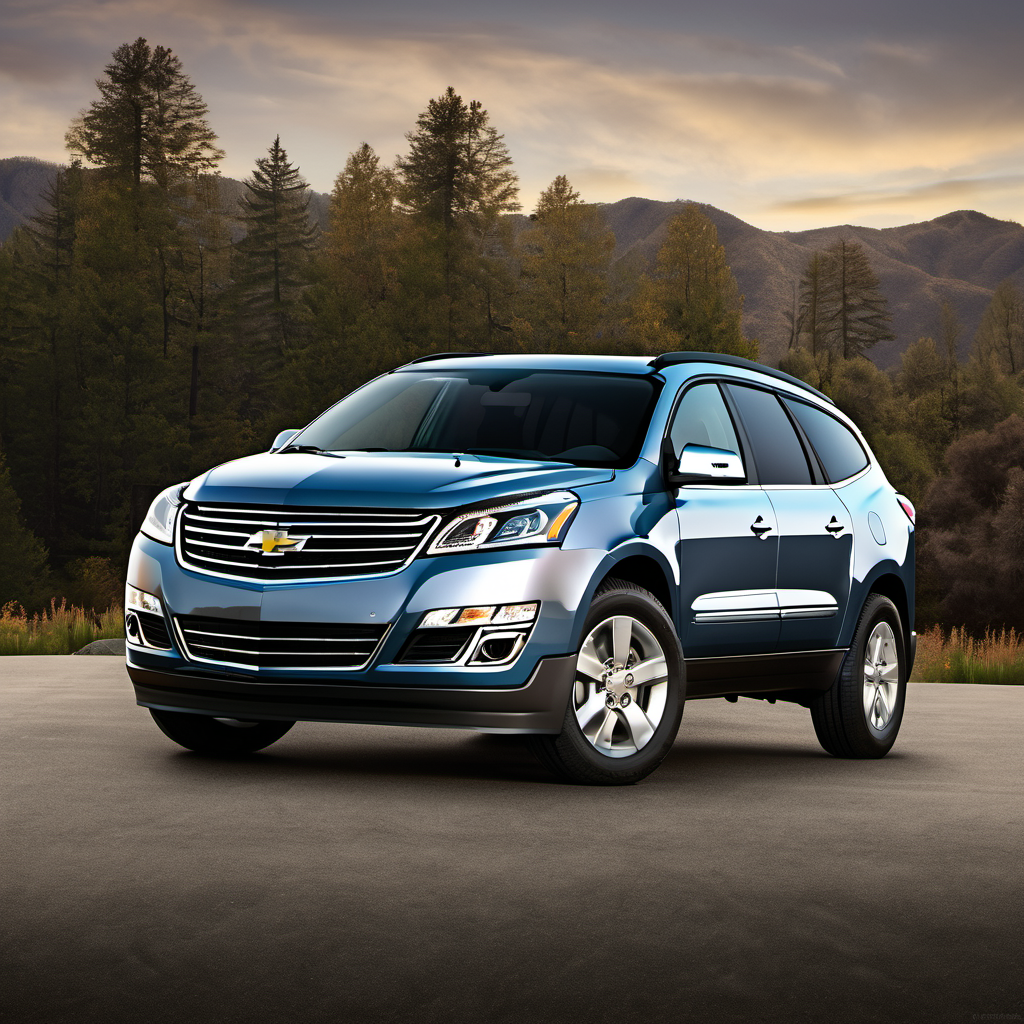
Three-row capacity at a similar price, strong Midwest dealer support, and simpler powertrain. Less off-road focused but more practical for larger families.
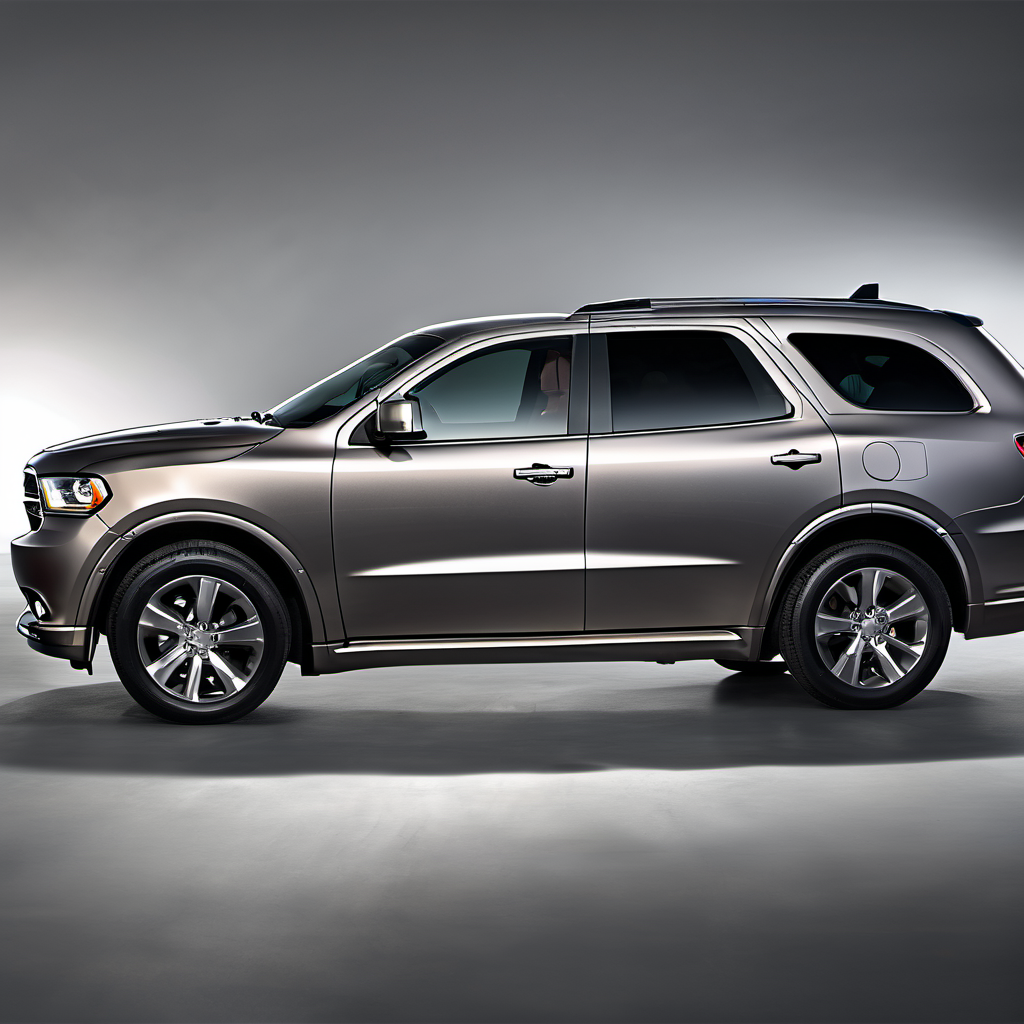
Shares the WK2 platform and Pentastar/Hemi engines with the Grand Cherokee. Adds a third row and higher towing ceiling. Same TIPM and VVT caveats apply.