Timing Chain Stretch / VVT System Faults
high- Typically appears
- 80–150k mi
- Estimated repair
- $900 – $2,200
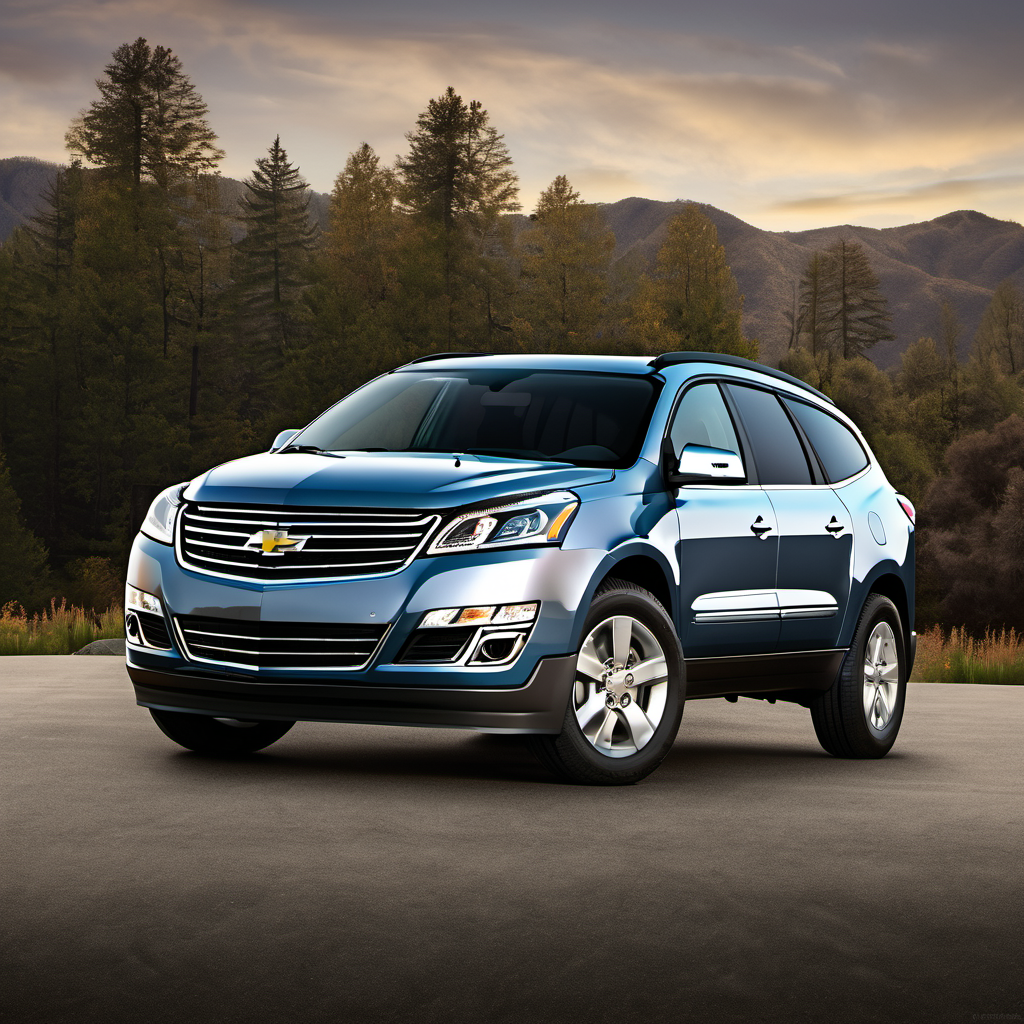
2015 Chevrolet
SUV
The 2015 Chevrolet Traverse is a full-size, three-row crossover SUV built on GM's Lambda platform. It seats up to eight and competes in the family hauler segment alongside the Ford Explorer and Honda Pilot. The 3.6L V6 with direct injection (SIDI) is the only engine offered, paired to a 6-speed automatic — no four-cylinder option exists on this generation. By 2015, GM had sorted out most of the first-gen Traverse's early growing pains, but the 3.6L SIDI engine still carries known vulnerabilities around timing chain stretch and carbon buildup on intake valves — both directly tied to oil change discipline. Buyers who keep up on oil changes and address timing chain codes promptly can expect solid longevity; those who don't face expensive engine work. For a Lake Geneva family needing room for gear, passengers, and Wisconsin winters, the Traverse is a practical choice. AWD models handle snow confidently. FWD models (the most common on lots) manage adequately with good winter tires but require more caution on icy grades.
The 2015 Chevrolet Traverse is a full-size, three-row crossover SUV built on GM's Lambda platform. It seats up to eight and competes in the family hauler segment alongside the Ford Explorer and Honda Pilot. The 3.6L V6 with direct injection (SIDI) is the only engine offered, paired to a 6-speed automatic — no four-cylinder option exists on this generation. By 2015, GM had sorted out most of the first-gen Traverse's early growing pains, but the 3.6L SIDI engine still carries known vulnerabilities around timing chain stretch and carbon buildup on intake valves — both directly tied to oil change discipline. Buyers who keep up on oil changes and address timing chain codes promptly can expect solid longevity; those who don't face expensive engine work. For a Lake Geneva family needing room for gear, passengers, and Wisconsin winters, the Traverse is a practical choice. AWD models handle snow confidently. FWD models (the most common on lots) manage adequately with good winter tires but require more caution on icy grades.
The 3.6L SIDI V6 timing chain and VVT system are directly degraded by dirty or low oil. This is the single most important maintenance item on this engine. Use the GM-specified dexos1 full-synthetic 5W-30.
GM's 'lifetime' fluid designation assumes ideal conditions. On a used Traverse with unknown history, fresh Dexron VI fluid is cheap insurance against transmission wear.
Direct injection deposits carbon on intake valves with no fuel wash. Walnut blasting or chemical induction cleaning restores performance and prevents misfires.
DEX-COOL degrades over time and becomes acidic, attacking gaskets and the water pump. Do not mix with green coolant.
The 3.6L V6 rear bank plugs require significant labor to access — doing all six at once saves repeated disassembly costs.
Clogged drains cause water to back up into the headliner and cabin electronics. A compressed-air blow-out takes minutes; water damage repair can take days.
Glycol-based brake fluid absorbs moisture, lowering boiling point and promoting internal corrosion. Wisconsin road salt accelerates corrosion on brake hardware.
Plastic fittings crack from freeze-thaw cycling. Catching a weep before it becomes a full leak prevents transmission fluid loss and potential damage.
Always defer to the manufacturer's service manual for warranty-mandated intervals.
A well-maintained 2015 Traverse is a reasonably affordable vehicle to own year-to-year. The catch is deferred maintenance — skipped oil changes and ignored timing chain codes can turn a $1,000 repair into a $3,000–$5,000+ engine job quickly. Budget for intake valve cleaning and transmission fluid service as near-term expenses on any used purchase with unknown history.

Direct competitor in the three-row family crossover segment. Similar pricing and feature set; the Explorer offers available AWD on more trims and a turbocharged 4-cylinder option but has its own known issues (coolant leak into oil on 3.5L EcoBoost).
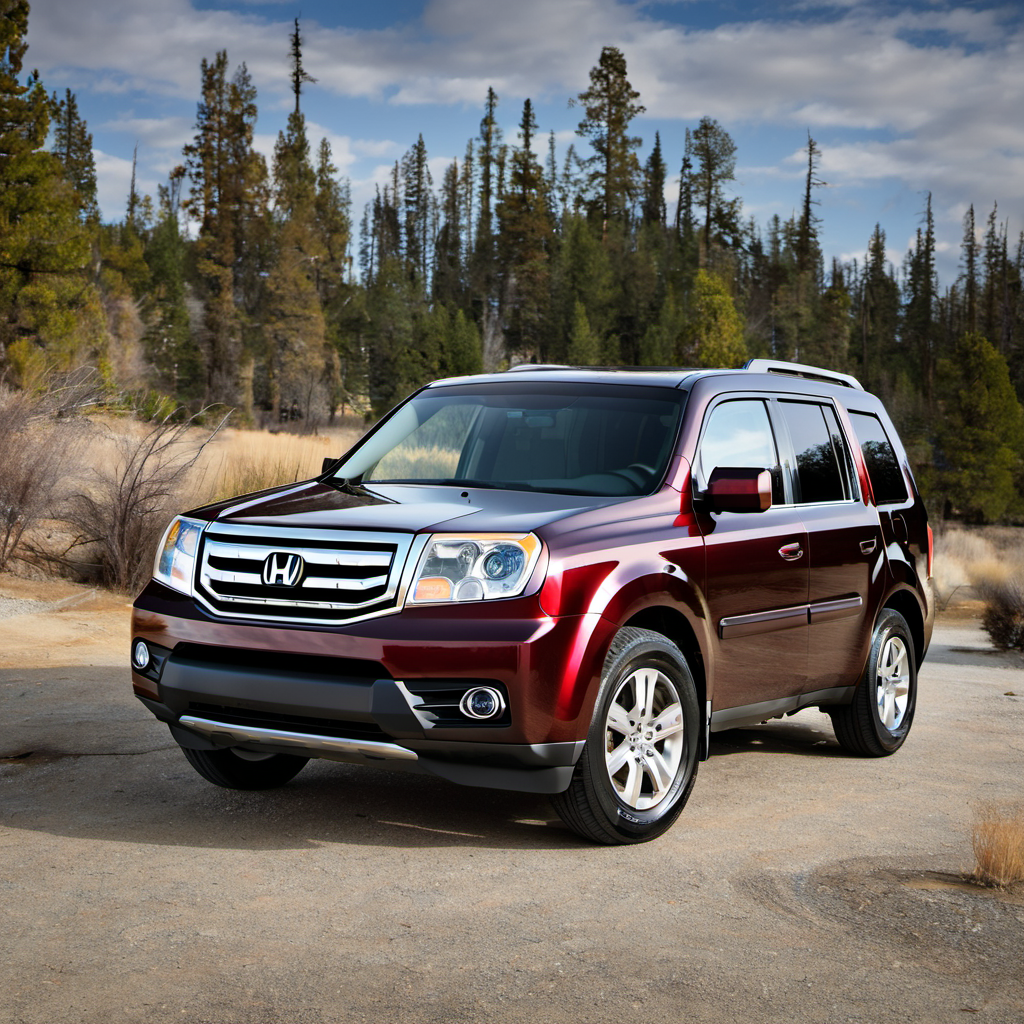
Three-row crossover with a stronger long-term reliability reputation, though the same basic mission and price range. The Pilot's naturally aspirated V6 avoids direct-injection carbon issues but has notably less cargo room.
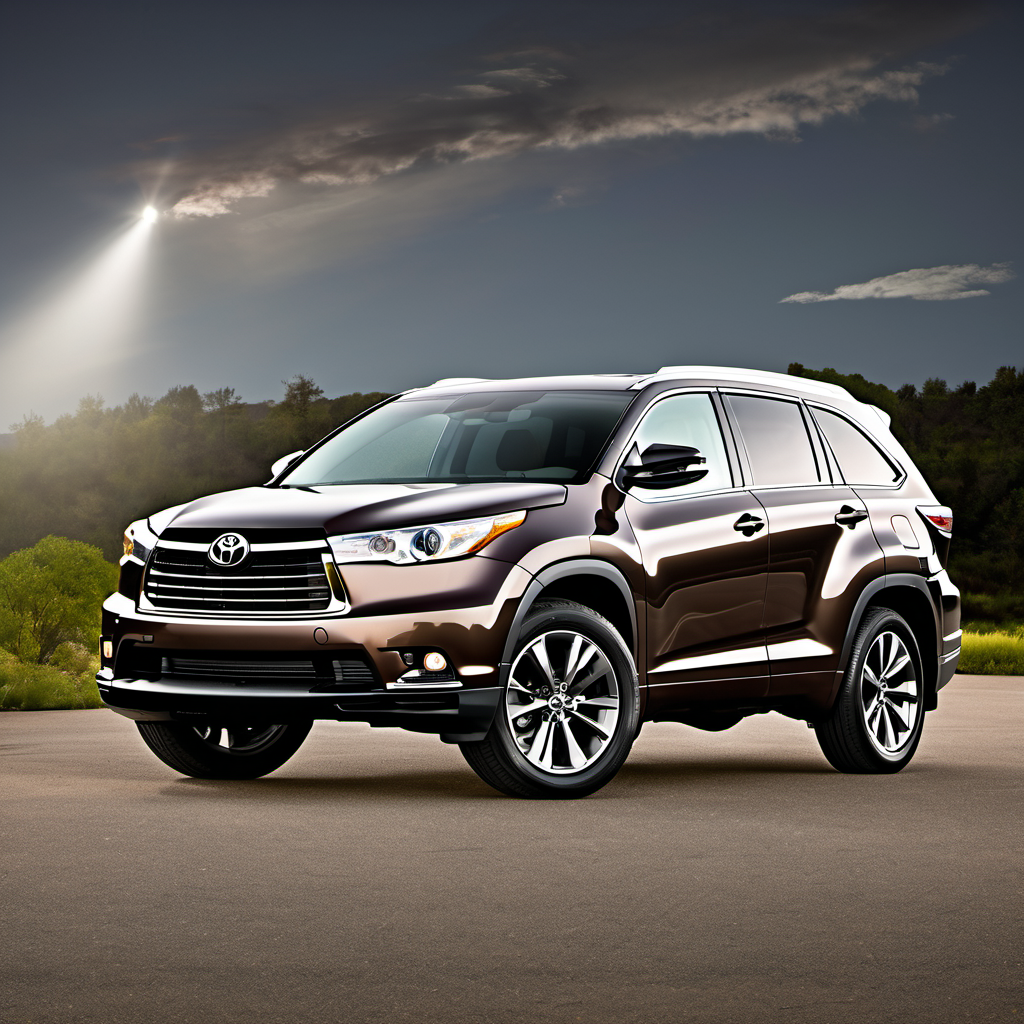
Three-row crossover with a higher resale value and stronger reliability track record than the Traverse. Slightly more expensive used, seats up to 8, and offers a V6 or hybrid option. Fewer known powertrain vulnerabilities.
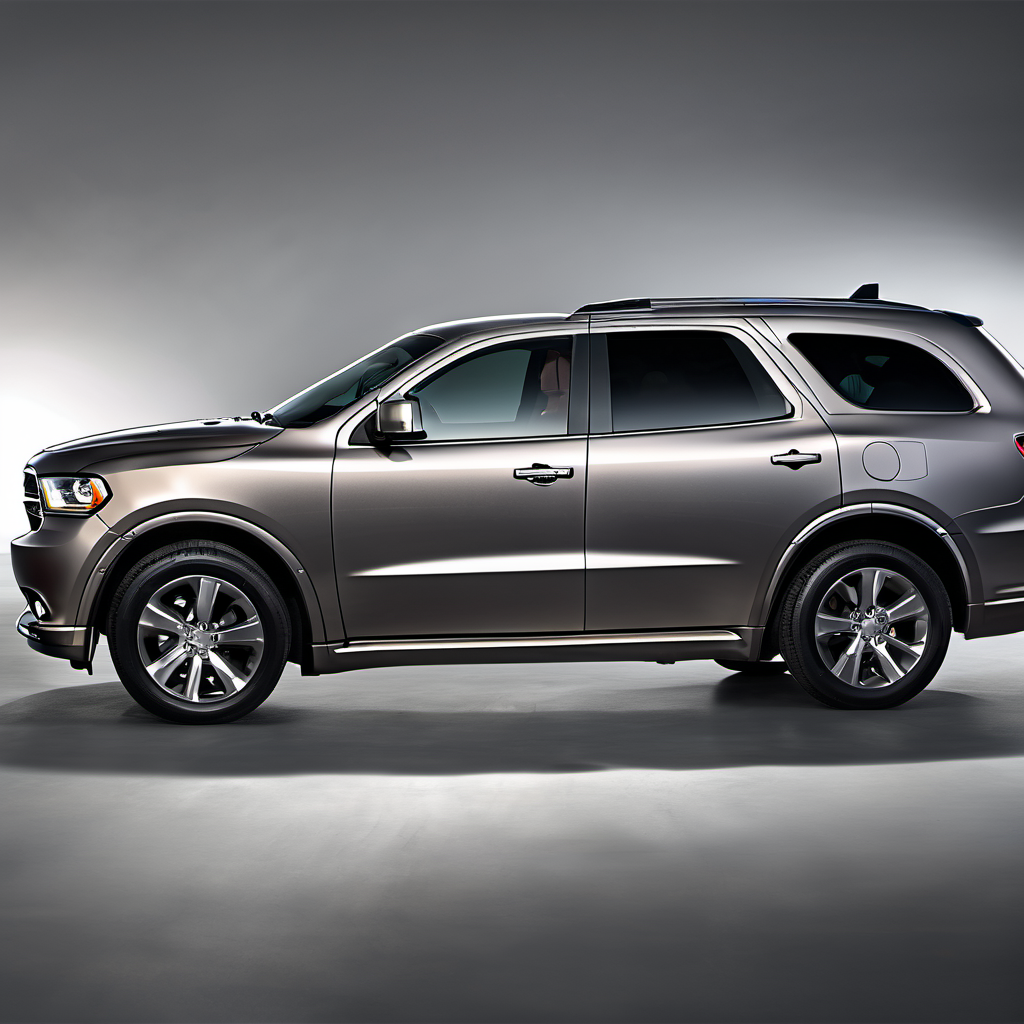
Body-on-frame alternative with three rows and stronger tow ratings. The Pentastar 3.6L V6 is similarly capable; the Durango's RWD/AWD base helps in Wisconsin winters. Tends to cost less used but carries higher fuel and insurance costs.