VVT-i Oil Line Banjo Fitting Failure
high- Typically appears
- 80–150k mi
- Estimated repair
- $300 – $600
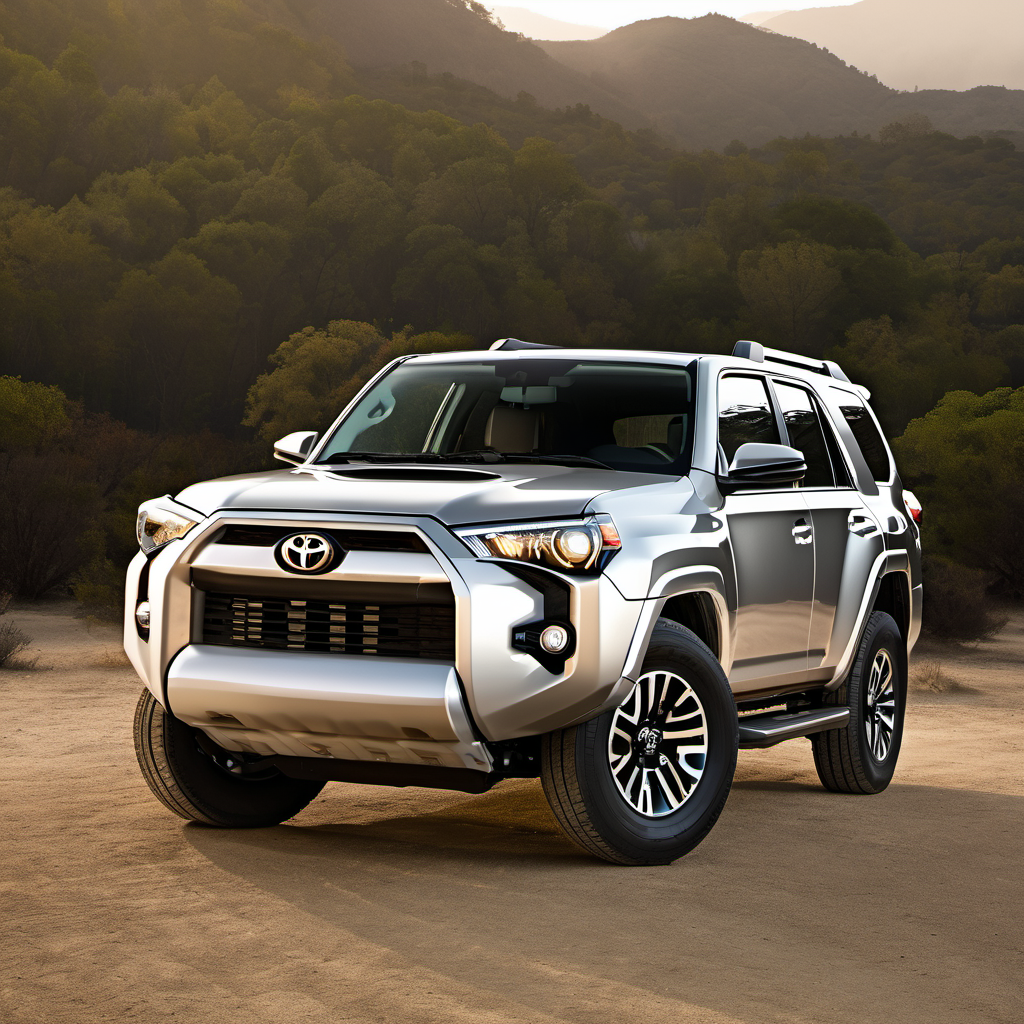
2015 Toyota
SUV
The 2015 Toyota 4Runner is a body-on-frame midsize SUV built on the same platform Toyota has refined since 2010 — and deliberately so. While crossover competitors chased fuel economy with unibody designs, Toyota kept the 4Runner rugged, with a solid rear axle, proper low-range 4WD (on 4WD trims), and a reputation for surviving well past 200,000 miles with normal maintenance. It seats five comfortably, carries gear confidently, and tows up to 5,000 lbs. The 4.0L V6 paired with a 5-speed automatic is neither flashy nor cutting-edge, but it is proven. Owners regularly report 200k–300k miles with no major powertrain work beyond fluids and plugs. The trade-off is fuel economy — 17/22 mpg is the reality, and there's no hybrid option in this generation. Around Lake Geneva, the 4WD Trail or SR5 4WD trims are the most popular for exactly the reasons you'd expect: winter traction and the occasional dirt-road confidence. This is a purpose-built off-road-capable SUV that doubles as a daily driver. If you need a comfortable luxury ride or maximum fuel efficiency, look elsewhere. If you want something that starts at -15°F, gets you down a snowy back road, and still runs strong at 250,000 miles, the 4Runner is hard to beat in its class.
The 2015 Toyota 4Runner is a body-on-frame midsize SUV built on the same platform Toyota has refined since 2010 — and deliberately so. While crossover competitors chased fuel economy with unibody designs, Toyota kept the 4Runner rugged, with a solid rear axle, proper low-range 4WD (on 4WD trims), and a reputation for surviving well past 200,000 miles with normal maintenance. It seats five comfortably, carries gear confidently, and tows up to 5,000 lbs. The 4.0L V6 paired with a 5-speed automatic is neither flashy nor cutting-edge, but it is proven. Owners regularly report 200k–300k miles with no major powertrain work beyond fluids and plugs. The trade-off is fuel economy — 17/22 mpg is the reality, and there's no hybrid option in this generation. Around Lake Geneva, the 4WD Trail or SR5 4WD trims are the most popular for exactly the reasons you'd expect: winter traction and the occasional dirt-road confidence. This is a purpose-built off-road-capable SUV that doubles as a daily driver. If you need a comfortable luxury ride or maximum fuel efficiency, look elsewhere. If you want something that starts at -15°F, gets you down a snowy back road, and still runs strong at 250,000 miles, the 4Runner is hard to beat in its class.
The VVT-i system depends on clean, low-viscosity oil to function properly. Toyota's 10,000-mile OCI recommendation assumes ideal conditions; the 4Runner's known VVT-i sludge and fitting issues make 5,000-mile intervals the smart choice in real-world driving — especially in Wisconsin winters with cold starts and short trips.
This is the highest-risk failure point on the 5th-gen 4Runner. The aluminum fitting cracks slowly. Catching a small seep at a service visit costs a few hundred dollars. Catching it after it has dumped oil into the engine bay at highway speed may cost you the engine.
Toyota's published interval is longer but upper Midwest conditions — seasonal temperature swings, water crossings, occasional off-road use — accelerate fluid degradation. Fresh fluid is cheap; rebuilt differentials are not.
The 1GR-FE uses iridium plugs with a long service life, but worn plugs on a 6-cylinder can cause misfires that look like VVT or sensor issues. Replacing on schedule eliminates them as a diagnostic variable.
Brake fluid is hygroscopic — it absorbs moisture over time, lowering its boiling point. In Wisconsin winters where brakes work harder in cold and wet conditions, fresh fluid maintains consistent pedal feel and protects ABS components.
KDSS-equipped trucks develop line seeps that worsen into leaks. Catching it at an early seep is a much smaller job than a full hydraulic system repair.
Cold-cranking amps drop significantly at sub-zero temperatures. The 4Runner's larger V6 needs a healthy battery to start reliably at -10°F to -15°F. Replace any battery showing reduced CCA before the first hard freeze.
Road salt in Wisconsin accelerates corrosion on unlubed U-joints and slip yokes. The 4Runner's body-on-frame design exposes the front driveshaft and U-joints to significant salt spray. Grease them before they're needed — they won't give much warning before they fail.
Always defer to the manufacturer's service manual for warranty-mandated intervals.
The 4Runner is a low-drama ownership proposition. Annual maintenance on a well-kept example runs $600–$1,200 at an independent shop — mostly oil changes, filters, and fluid services. The big wildcard is deferred maintenance on a used purchase: if the VVT-i oil line, diff fluids, and spark plugs haven't been touched, budget $800–$1,500 upfront to bring it current. Fuel is the largest ongoing cost — this is not an efficient vehicle. But major unplanned repairs on a properly maintained 4Runner are genuinely infrequent, which makes the true cost of ownership competitive over a 10-year horizon.
No comparable vehicles documented yet.