VCT Phaser Wear / Timing Over-Retarded
high- Typically appears
- 80–140k mi
- Estimated repair
- $600 – $1,800

2015 Ford
3.5L V6 Ti-VCT · SUV
The 2015 Ford Explorer is a three-row, midsize SUV built on a unibody car-based platform — a significant departure from the earlier body-on-frame Explorers. It seats up to seven and pairs reasonably capable all-wheel drive with a comfortable, family-friendly interior. The standard engine is Ford's naturally aspirated 3.5L Ti-VCT V6, which provides adequate power without the complexity of the EcoBoost turbo system offered in other trims. By 2015 Ford had ironed out many early-generation (2011–2012) growing pains, but the platform still carries a few well-documented trouble areas — particularly around the variable valve timing (VCT) system, door latches, and exhaust fume intrusion into the cabin. This last issue prompted a federal investigation and a TSB, and it's something any prospective buyer or current owner should be aware of. For a Wisconsin family needing year-round versatility, the Explorer's standard AWD option, decent ground clearance, and roomy cabin make it a practical pick. Just plan for the maintenance items below and budget accordingly — deferred service on the VCT system in particular can turn an inexpensive oil change interval into a four-figure repair.
The 2015 Ford Explorer is a three-row, midsize SUV built on a unibody car-based platform — a significant departure from the earlier body-on-frame Explorers. It seats up to seven and pairs reasonably capable all-wheel drive with a comfortable, family-friendly interior. The standard engine is Ford's naturally aspirated 3.5L Ti-VCT V6, which provides adequate power without the complexity of the EcoBoost turbo system offered in other trims. By 2015 Ford had ironed out many early-generation (2011–2012) growing pains, but the platform still carries a few well-documented trouble areas — particularly around the variable valve timing (VCT) system, door latches, and exhaust fume intrusion into the cabin. This last issue prompted a federal investigation and a TSB, and it's something any prospective buyer or current owner should be aware of. For a Wisconsin family needing year-round versatility, the Explorer's standard AWD option, decent ground clearance, and roomy cabin make it a practical pick. Just plan for the maintenance items below and budget accordingly — deferred service on the VCT system in particular can turn an inexpensive oil change interval into a four-figure repair.
The Ti-VCT phasers and oil control solenoids are oil-pressure and oil-cleanliness dependent. Dirty or low oil is the #1 cause of expensive VCT failures on this engine.
Ford's 'lifetime' fluid claim doesn't hold up in real-world use. Fresh fluid with the correct Ford spec is the cheapest transmission insurance you can buy.
The 3.5L Ti-VCT uses iridium plugs rated for 60k. Worn plugs increase combustion stress and can exacerbate VCT timing issues.
Given the documented exhaust intrusion issue, a clean cabin filter and a functioning HVAC system are especially important. Inspect the fresh-air intake duct at the same time.
Degraded coolant accelerates corrosion in aluminum engine components and the heater core.
Brake fluid absorbs moisture over time. Wisconsin's freeze-thaw cycles accelerate this, raising the risk of a spongy pedal or caliper corrosion.
Given the history of latch failures on this generation, annual lube with a dry lubricant (no oil — it attracts grit) helps prevent cold-weather latch freeze and mechanism wear.
Directly related to the exhaust intrusion TSB. Cracked or missing seals and plugged drain holes are the primary entry points. A 10-minute inspection can prevent a serious health hazard.
Always defer to the manufacturer's service manual for warranty-mandated intervals.
A well-maintained 2015 Explorer is a reasonable cost-to-own proposition if you stay ahead of the VCT service intervals. Annual maintenance in the $700–$1,400 range covers routine items; budget an additional $500–$1,000 reserve for the VCT solenoids and O2 sensors that commonly need attention in this mileage range. One deferred VCT phaser job can easily exceed what you'd spend on three years of oil changes.
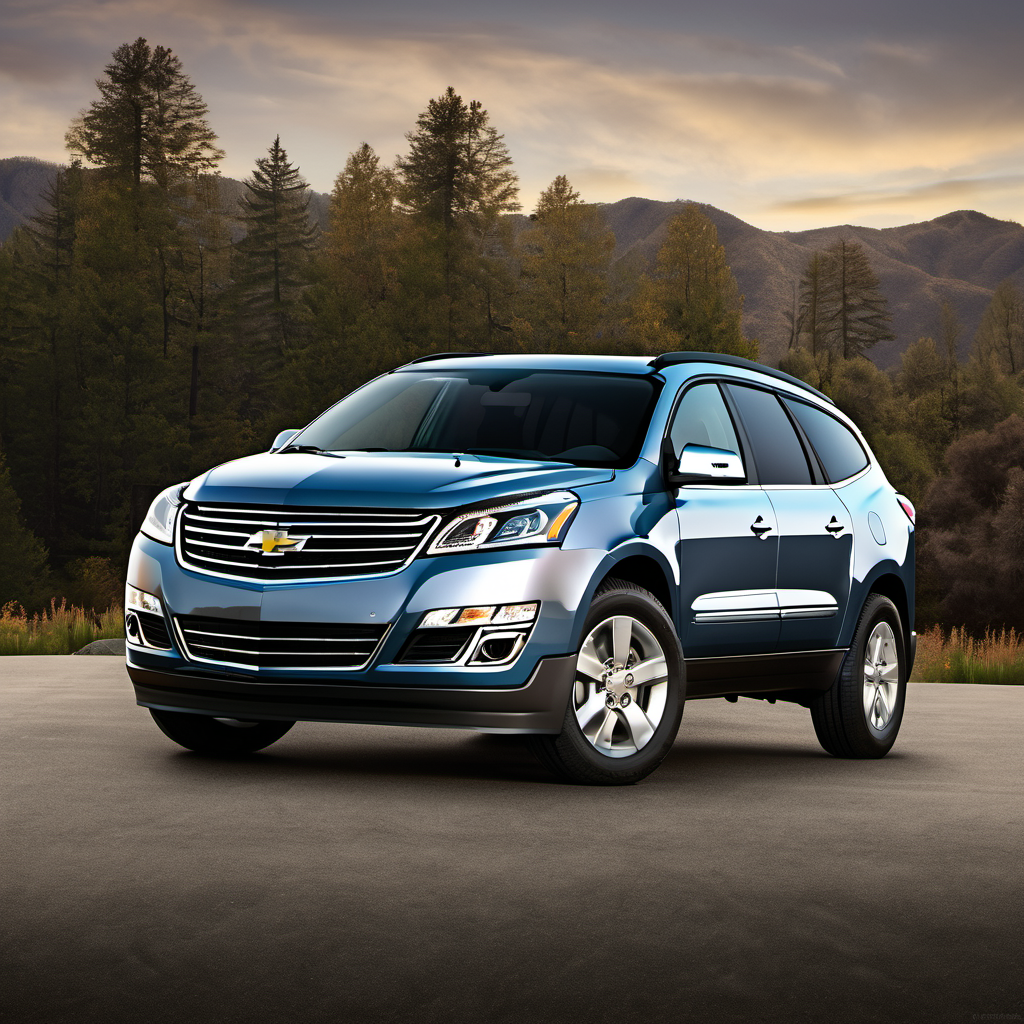
Same three-row, unibody midsize class. The Traverse offers more interior volume and a slightly more reliable powertrain reputation, though it's thirstier and less refined on the road.
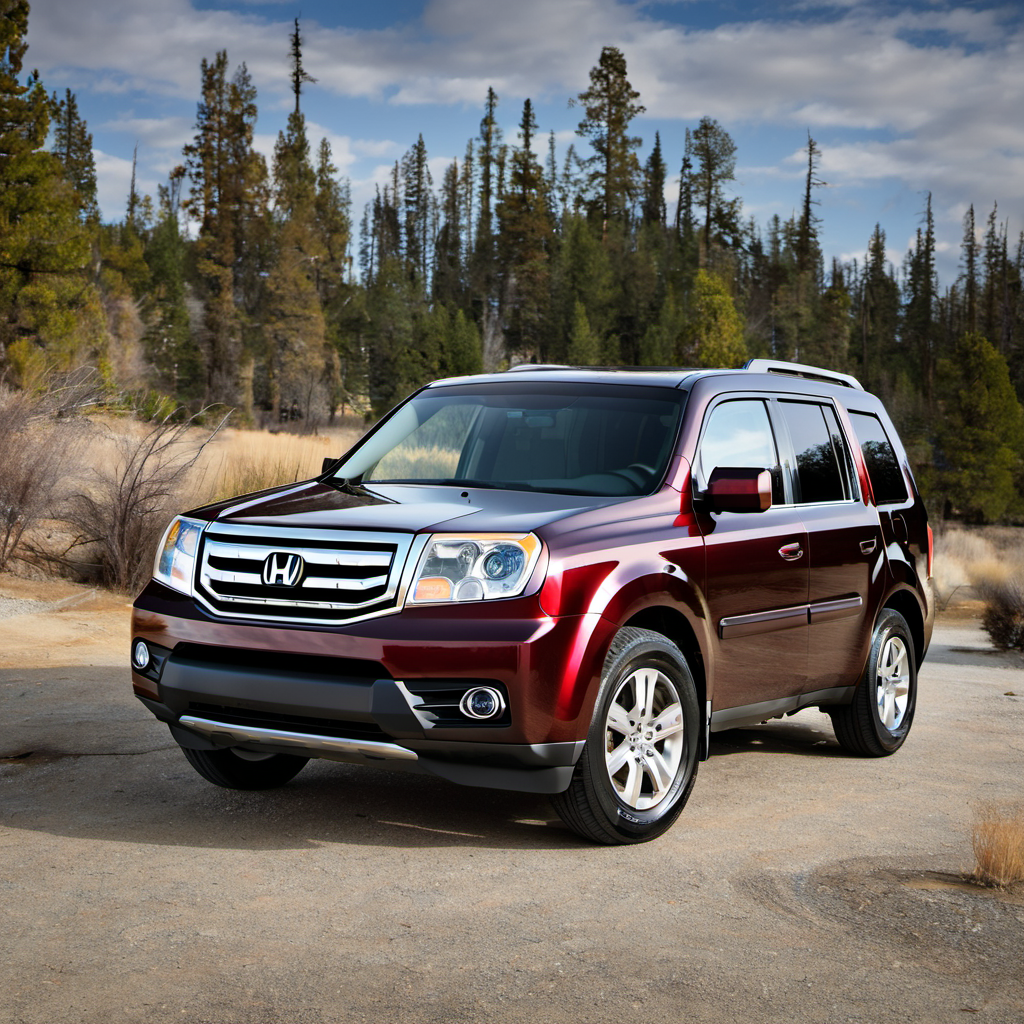
Honda's midsize three-row SUV. Generally higher reliability scores than the Explorer, though smaller and with less towing capacity. A good alternative for buyers prioritizing long-term dependability.
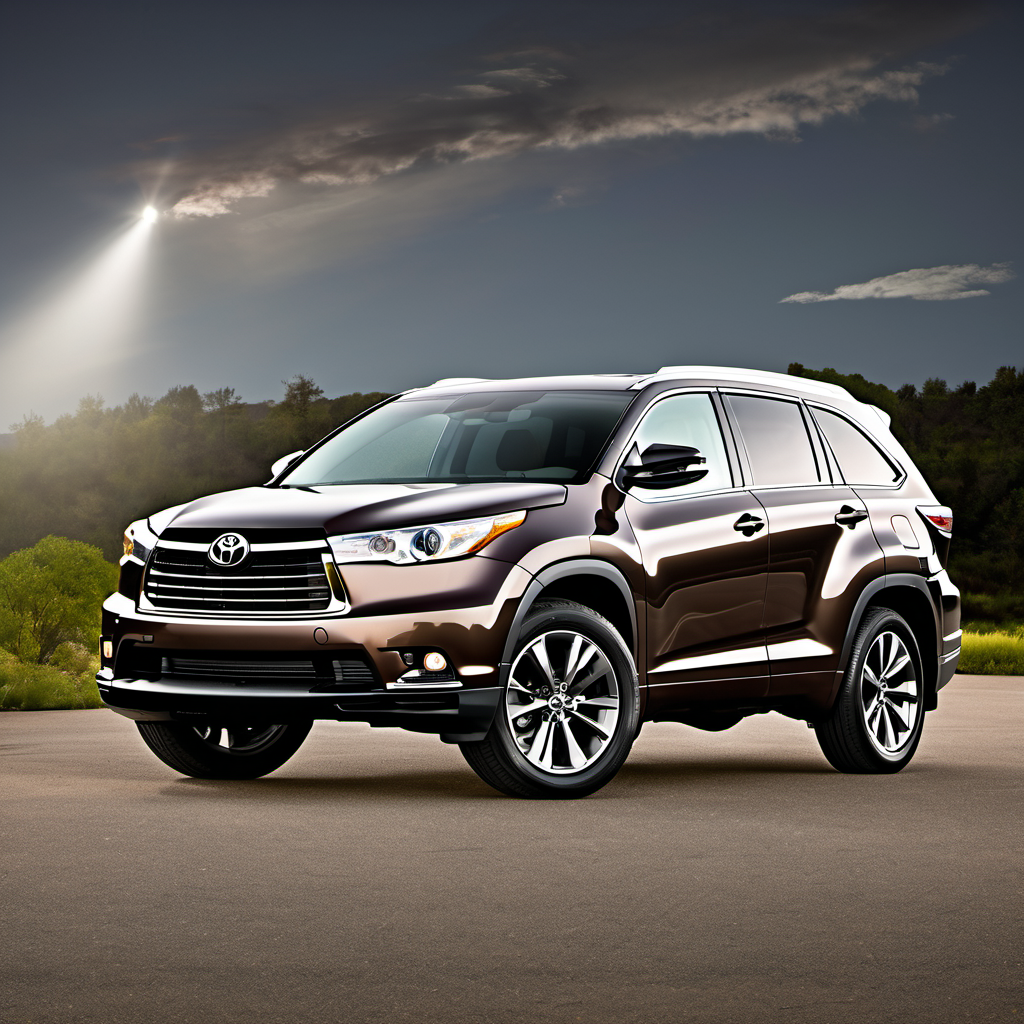
Top-tier reliability in the segment, excellent resale value, and a proven V6. Costs more used than the Explorer but typically requires less unplanned maintenance.
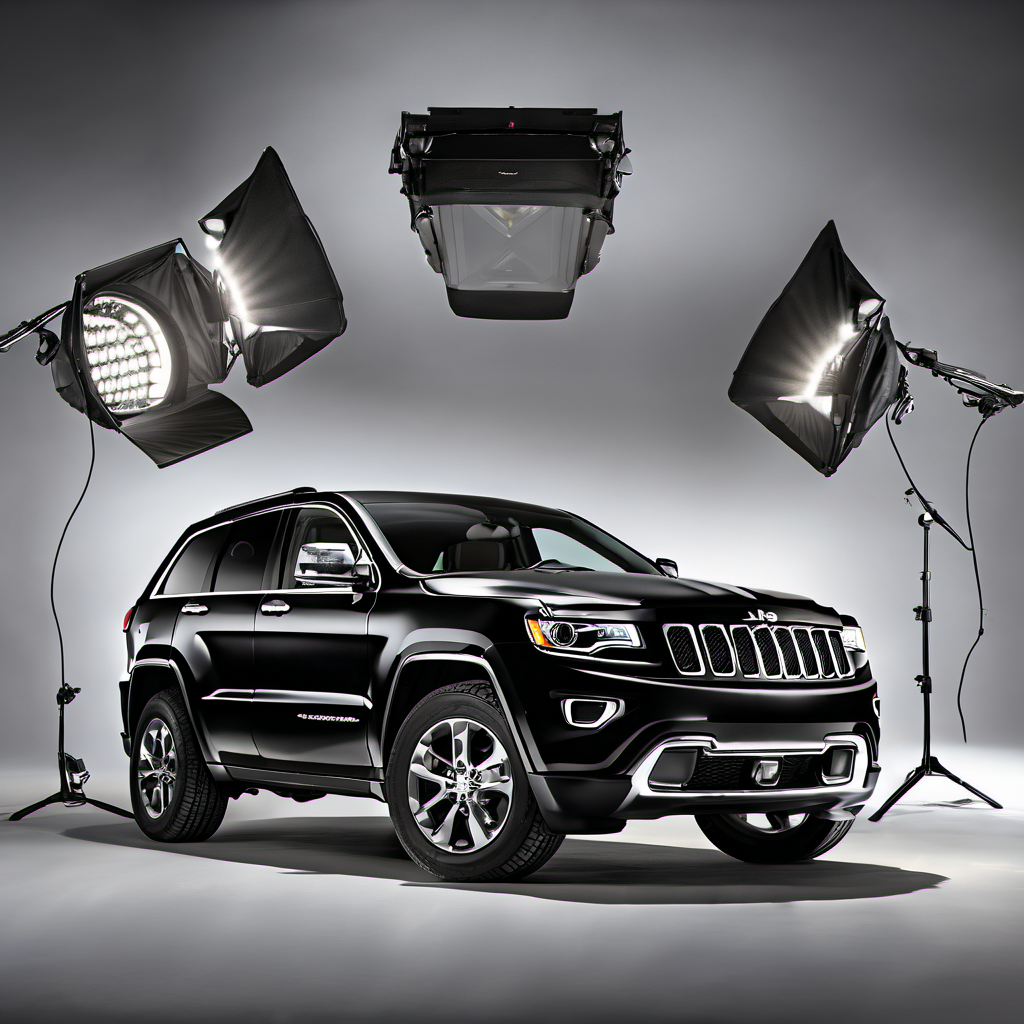
Strong off-road capability and a robust Quadra-Drive AWD system that handles Wisconsin winters confidently. A two-row vehicle, so it trades the third-row seat for better driving dynamics and trail capability.