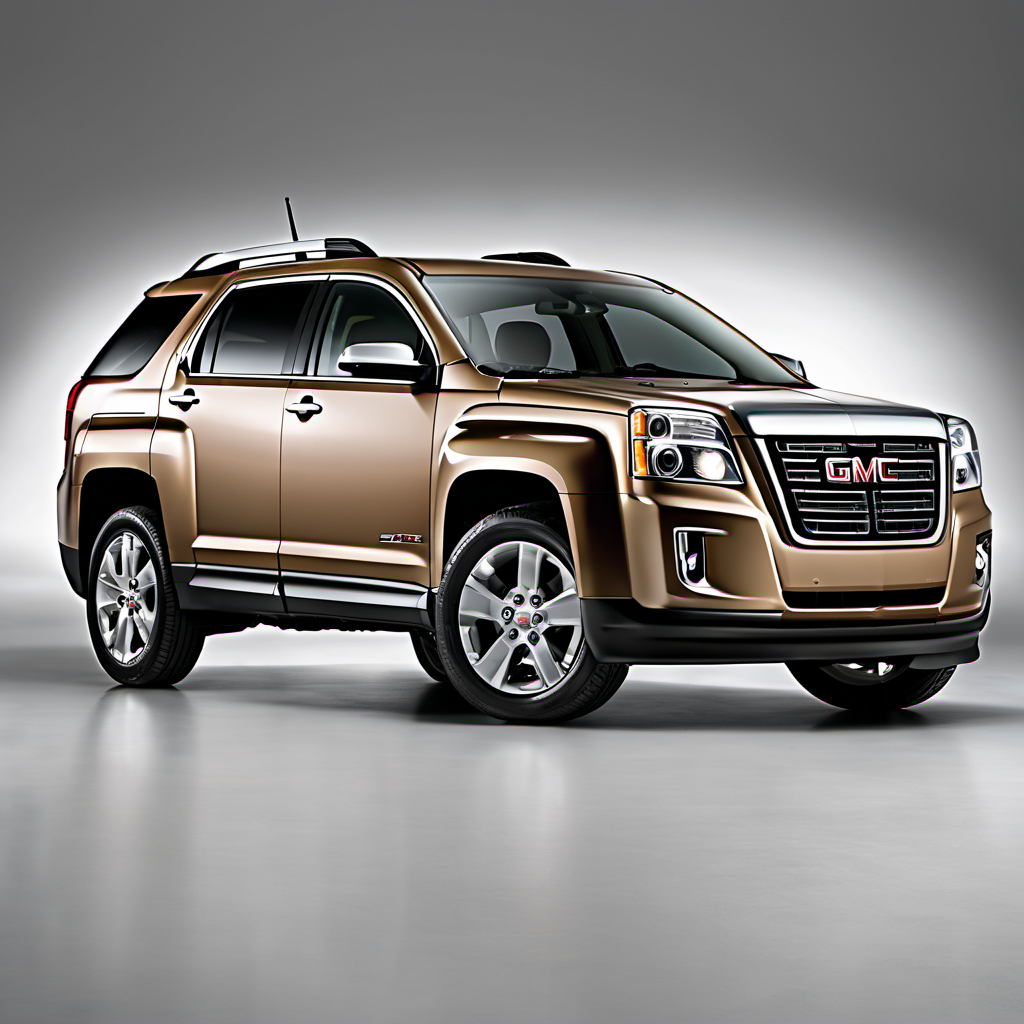
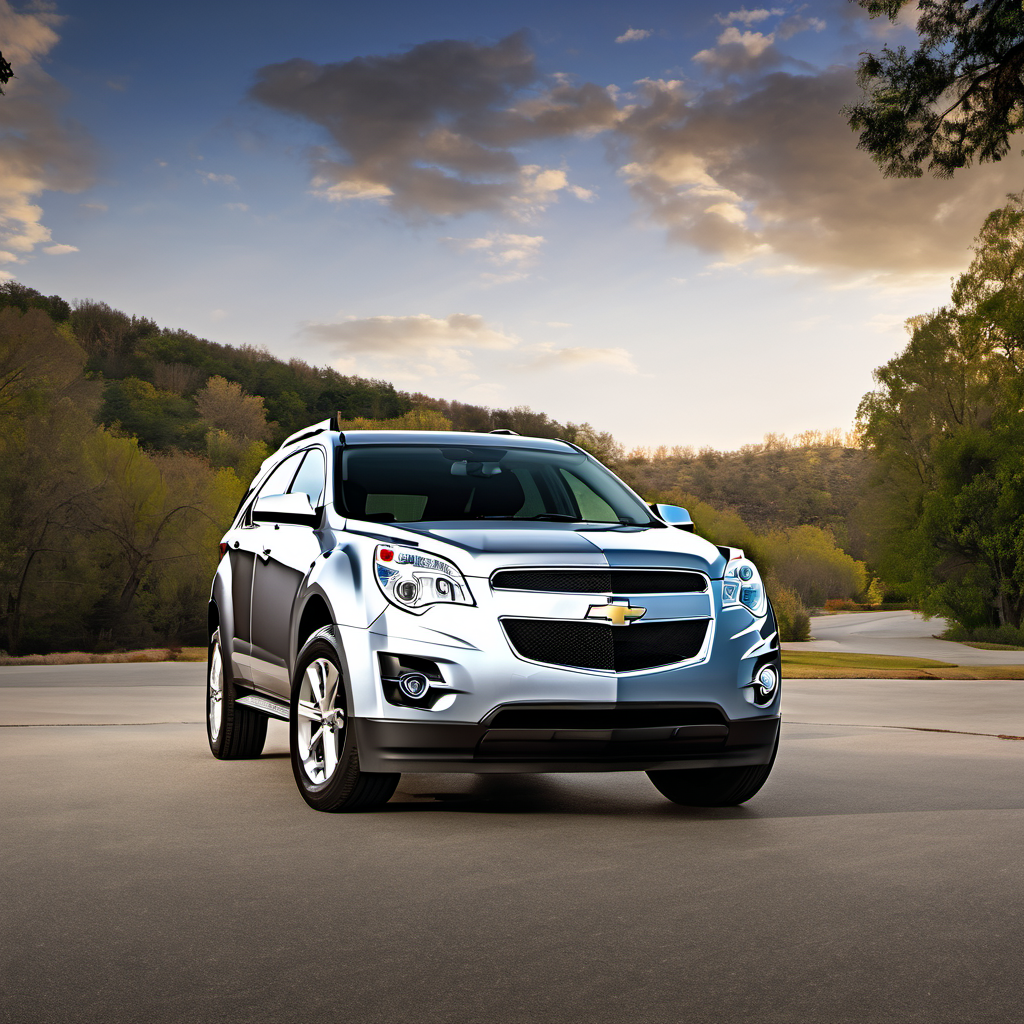
2015 GMC Terrain SUV

2015 GMC

TerrainSUV

2.4L I4 SIDI · SUV

The 2015 GMC Terrain is a compact crossover SUV built on GM's Theta Premium platform, sharing its bones with the Chevrolet Equinox. It slots between subcompact and midsize crossovers and was a strong seller for GMC thanks to its upscale interior feel and available AWD — both useful in Lake Geneva winters. The base engine is a 2.4L inline-4; a 3.6L V6 is available for buyers who want more pull. The Terrain rides comfortably, has decent cargo room for its footprint, and offers solid visibility out the front and sides. Rear and over-shoulder sightlines are limited by the styling, so plan on using the available backup camera. Infotainment is dated by 2025 standards but functional. Reliability is middling for a GM product of this era. The 2.4L engine has known oil consumption issues that every used-car shopper should check before buying, and the VVT system on both engines can cause headaches if oil changes are neglected. With diligent maintenance it will serve well into the 150k-mile range; neglected examples tend to rack up expensive repairs earlier.

Reliability
3/5
Verified data
Specs shown for Terrain AWD — the most common configuration. Other trims may vary in engine, drivetrain, or fuel economy. Sign in to see your vehicle's exact specs.
Engine
[object Object]
Drivetrain
AWD
Fuel
Gasoline
MPG
17 city / 24 hwy / 20 combined
Seats
5
Doors
4
Body
SUV
MSRP
$27,595

Overview

AI-curated

The 2015 GMC Terrain is a compact crossover SUV built on GM's Theta Premium platform, sharing its bones with the Chevrolet Equinox. It slots between subcompact and midsize crossovers and was a strong seller for GMC thanks to its upscale interior feel and available AWD — both useful in Lake Geneva winters. The base engine is a 2.4L inline-4; a 3.6L V6 is available for buyers who want more pull. The Terrain rides comfortably, has decent cargo room for its footprint, and offers solid visibility out the front and sides. Rear and over-shoulder sightlines are limited by the styling, so plan on using the available backup camera. Infotainment is dated by 2025 standards but functional. Reliability is middling for a GM product of this era. The 2.4L engine has known oil consumption issues that every used-car shopper should check before buying, and the VVT system on both engines can cause headaches if oil changes are neglected. With diligent maintenance it will serve well into the 150k-mile range; neglected examples tend to rack up expensive repairs earlier.

Known for
  • Upscale GMC interior feel relative to the Equinox twin
  • Available AWD well-suited to Midwest winters
  • Roomy, comfortable front seats
  • 2.4L engine oil consumption problems
  • Distinct bold styling with thick D-pillars
Best for
  • Families wanting a practical AWD daily driver
  • Buyers who want near-truck brand reliability without a truck
  • Commuters needing solid winter traction in Wisconsin
  • Light hauling and weekend trips
Watch for
  • 2.4L excessive oil consumption — can burn a quart every 2,000 miles
  • VVT/camshaft actuator failures tied to infrequent oil changes
  • Timing chain stretch on high-mileage examples
  • Power liftgate and interior electronics gremlins
  • Rust on undercarriage and brake lines from road salt exposure

Common issues by mileage

6 known

2.4L Engine Excessive Oil Consumption

high
Typically appears
30–100k mi
Estimated repair
$100 – $2,500

Timing Chain Stretch / Noise on Cold Start

medium
Typically appears
80–150k mi
Estimated repair
$800 – $2,200

Oxygen Sensor / Sensor Heater Circuit Failure

medium
Typically appears
60–120k mi
Estimated repair
$150 – $400

Undercarriage / Brake Line Rust

high
Typically appears
50k+ mi
Estimated repair
$300 – $1,500

Maintenance schedule

  1. 1
    Every 5,000 miles (do NOT stretch to GM's Oil Life Monitor max on these engines) Engine oil change — full synthetic 5W-30

    The 2.4L SIDI engine is sensitive to oil quality and level. Longer intervals accelerate VVT actuator wear and worsen oil consumption. Check the dipstick every fill-up.

  2. 2
    Every fuel fill-up or at minimum monthly Check and top off engine oil level

    High oil consumption on the 2.4L means you can go a quart low between changes without warning. Running low accelerates timing chain and camshaft actuator damage.

  3. 3
    Every 45,000 miles Transmission fluid change

    GM lists this as a 'lifetime' fluid on paper; real-world experience says the 6-speed lives longer with fresh fluid every 45k. Use Dexron VI only.

  4. 4
    Every 60,000 miles Spark plug replacement

    The direct-injection 2.4L runs hot plugs. Worn plugs stress the ignition coils and can cause misfires.

  5. 5
    Every 5 years or 100,000 miles Coolant flush

    Dexcool degrades over time and can cause scaling in the coolant passages. Critical in Wisconsin freeze-thaw cycles.

  6. 6
    Every fall, before winter Inspect brake lines and fuel lines for rust

    Road salt in Wisconsin accelerates line corrosion. Brake line failure is a safety emergency. Catch it early with an annual undercarriage inspection.

  7. 7
    Every 7,500 miles Rotate tires

    AWD systems put uneven load across all four corners. Regular rotation evens wear and keeps AWD engagement smooth.

  8. 8
    Every fall (before temps drop below 20°F) Battery load test

    Cold cranking demand spikes in Wisconsin winters. A battery showing 70% health in October can fail to start the car in January.

Always defer to the manufacturer's service manual for warranty-mandated intervals.

Cost of ownership

Annual maintenance
$600 – $1,400
Fuel
At 20 MPG combined and ~15,000 miles/year, expect roughly $1,500–$1,800/year at current Midwest gas prices. The V6 model will cost $300–$500 more annually.
Insurance
Typically $1,000–$1,400/year for a Wisconsin driver with a clean record on a 2015 Terrain; AWD trim adds a small premium.

A well-maintained 2015 Terrain is a reasonable ownership proposition — not cheap, not expensive. The wildcard is the 2.4L oil consumption issue: if it's burning oil heavily, add $200–$400/year in oil costs and budget for a possible engine repair. Brake lines, wheel bearings, and struts are the most common mid-to-high mileage hits in Wisconsin due to salt and rough roads. Budget on the higher end of maintenance if the vehicle has mostly Wisconsin miles.
Seasonal care

Lake Geneva, WI
Winter
  • Switch to full synthetic 5W-30 if not already used — it flows better at sub-zero temps and protects the VVT system on cold starts
  • Load-test the battery every October; replace if below 70% capacity before temperatures drop
  • Install dedicated winter tires — the AWD system improves traction but cannot overcome an all-season tire's limitations on ice
  • Flush washer fluid reservoir and top with -20°F or better rated fluid; the reservoir is large on the Terrain and diluted fluid will freeze in the lines
  • Inspect and treat undercarriage and brake lines before first heavy salt exposure; consider an annual undercoating for high-mileage Wisconsin vehicles
  • Keep the fuel tank above half in extreme cold to prevent fuel line moisture and reduce fuel pump strain
Summer
  • Check tire pressure monthly — every 10°F rise in temperature adds roughly 1 PSI, leading to overinflation on hot days
  • Inspect the A/C system for refrigerant leaks and verify cabin cooling before peak heat — the Terrain's A/C can struggle on very hot days if the system is even slightly low
  • Check coolant concentration and top off if needed; overheating risk rises with the 2.4L's existing thermal load
  • Inspect wiper blades after winter — salt and cold cracking degrade them quickly; replace before summer storms
  • Check brake pad thickness; summer heat soak can reveal brake fade on pads worn thin over winter

Comparable vehicles

If you're shopping for one

Red flags
  • Any evidence of oil consumption without a documented repair or engine work
  • Timing chain rattle on cold start — can mean a $1,500+ repair is imminent
  • Visible brake line rust, bubbling, or white corrosion residue on the undercarriage
  • Multiple VVT or camshaft timing DTCs in scan history
  • Transmission shudder or harsh shifts — indicates deferred fluid service
  • High-mileage example with no service records and a Wisconsin title
What to inspect
  • Pull the dipstick cold and check oil level and condition — dark, low oil on a freshly changed interval suggests active consumption or neglect
  • Ask for oil change records; intervals longer than 5,000 miles are a red flag on this engine
  • Start the engine cold and listen for timing chain rattle in the first 5–10 seconds
  • Check for VVT-related codes with an OBD-II scanner before purchase (P0012, P0015, P0022, P0025)
  • Inspect the full undercarriage for rust, especially brake lines, fuel lines, and frame welds — Wisconsin salt is brutal
  • Test the AWD system by doing a slow tight-radius turn on dry pavement; binding or clunking suggests transfer case or coupling wear
  • Verify the A/C blows cold and the power liftgate operates smoothly — both are known problem areas
AI profile generated 20 days ago · claude-sonnet-4-6 · v2.