Excessive Engine Oil Consumption (2.4L)
high- Typically appears
- 30–100k mi
- Estimated repair
- $100 – $4,500
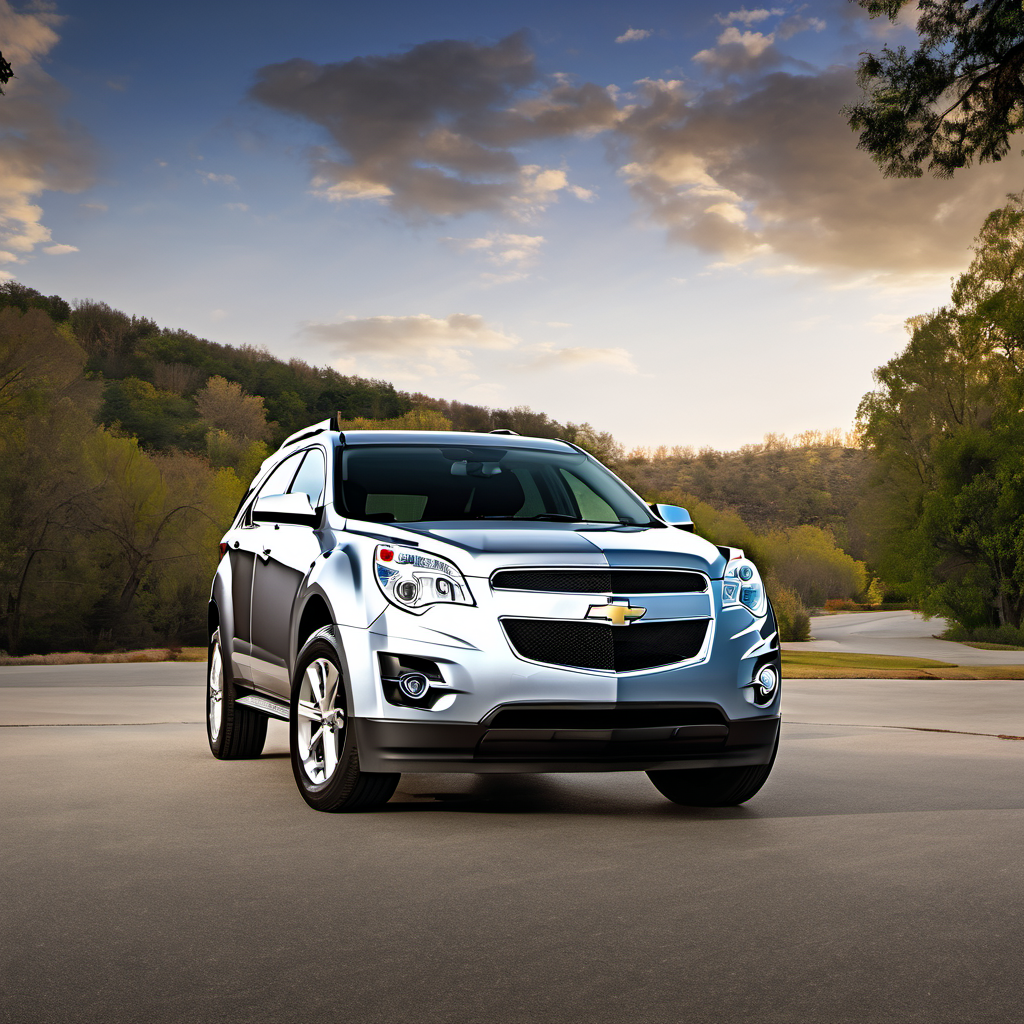
2015 Chevrolet
2.4L I4 · SUV
The 2015 Chevrolet Equinox is a compact crossover SUV in its second generation, sitting squarely in one of the most competitive segments in America. It offers a comfortable ride, a user-friendly interior, and a choice of two engines — a 2.4L four-cylinder or an available 3.6L V6 — making it a practical daily driver for families and commuters alike. By 2015, GM had refined this generation significantly, but the Equinox carries a few persistent issues that owners should know going in: the 2.4L engine is prone to timing chain and oil consumption problems, and the power steering system has a documented history of failures. These aren't deal-breakers, but they require eyes-open ownership. For buyers in Lake Geneva and the surrounding area, the AWD variant is worth the premium given Wisconsin winters. Rust on the undercarriage is a real concern on any used example that's lived its life in the salt belt — inspect carefully before buying.
The 2015 Chevrolet Equinox is a compact crossover SUV in its second generation, sitting squarely in one of the most competitive segments in America. It offers a comfortable ride, a user-friendly interior, and a choice of two engines — a 2.4L four-cylinder or an available 3.6L V6 — making it a practical daily driver for families and commuters alike. By 2015, GM had refined this generation significantly, but the Equinox carries a few persistent issues that owners should know going in: the 2.4L engine is prone to timing chain and oil consumption problems, and the power steering system has a documented history of failures. These aren't deal-breakers, but they require eyes-open ownership. For buyers in Lake Geneva and the surrounding area, the AWD variant is worth the premium given Wisconsin winters. Rust on the undercarriage is a real concern on any used example that's lived its life in the salt belt — inspect carefully before buying.
The 2.4L is known to consume oil. Running low accelerates timing chain and bearing wear. Get in the habit of checking the dipstick monthly regardless of the oil life monitor.
Full synthetic is strongly recommended on both engines to protect VVT components. Extended intervals on conventional oil are a leading cause of timing chain and actuator failures on the 2.4L.
Sludge in the solenoid screens is a primary cause of cam timing codes (P0012, P0015, P0026, P0027). Cleaning or replacing these solenoids is cheap insurance before they cause phaser damage.
Wisconsin road salt aggressively attacks steel brake lines on this generation Equinox. Catching a pinhole early is a $150 repair; a blown line on the road is a safety emergency.
The 2.4L water pump is driven by the timing chain and lives inside the engine. It's a known failure item, and replacing it at the same time as timing chain work saves significant labor costs later.
A clogged cabin filter stresses the HVAC blower and reduces defrost effectiveness — a real issue during Wisconsin winters.
Cold cranking demand spikes sharply below 0°F. A battery that passes a summer test can fail its first cold morning. Most batteries over 4 years old should be proactively replaced in the upper Midwest.
Summer washer fluid freezes in the reservoir and lines. A frozen washer pump is a nuisance; zero visibility from road spray in winter is dangerous.
Always defer to the manufacturer's service manual for warranty-mandated intervals.
The Equinox is a budget-friendly crossover to own when it's healthy, but the 2.4L oil consumption issue can add meaningful unplanned costs. Budget $100–$200/year just for oil top-offs if your engine consumes. A timing chain job ($800–$2,200) or EPS repair ($400–$900) are the two biggest potential surprises. Keeping up with full-synthetic oil changes is the single best thing you can do to keep costs down.
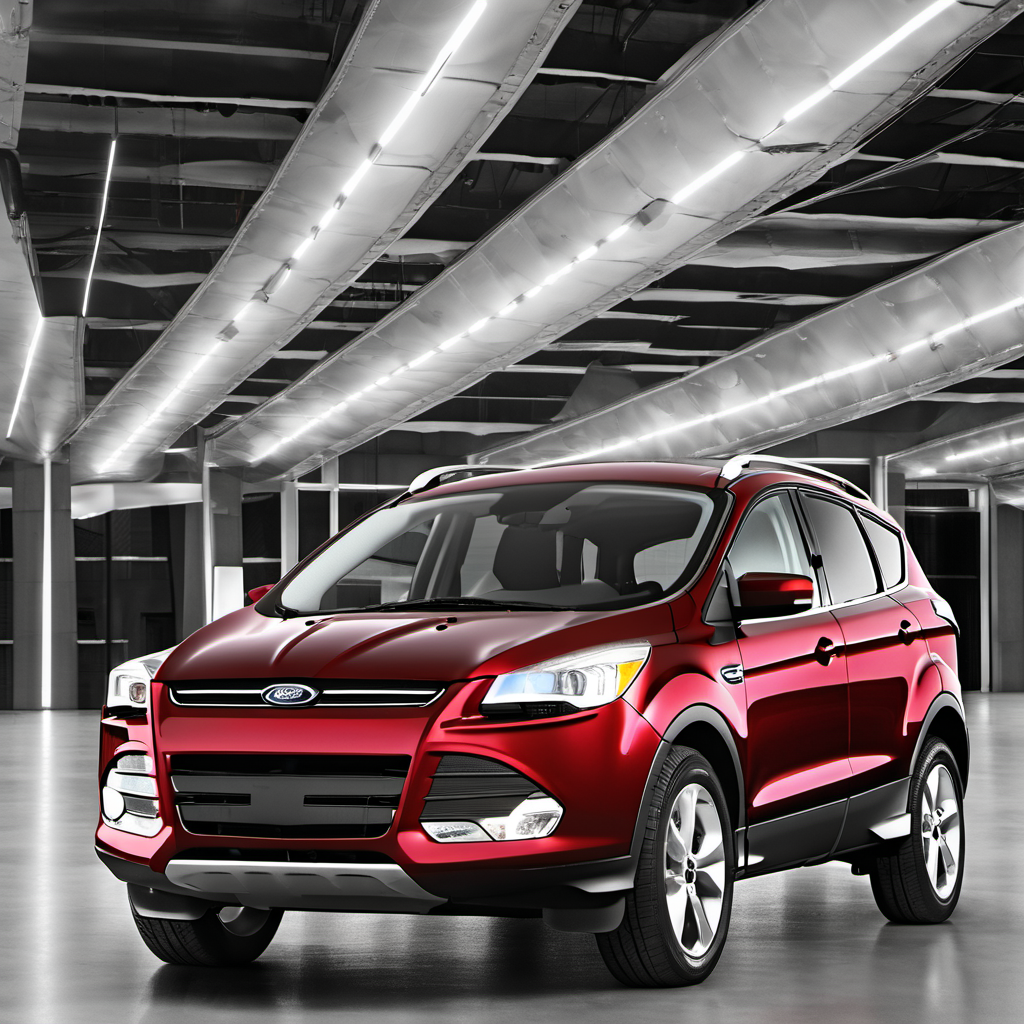
Direct competitor in the compact crossover segment. The 1.6L EcoBoost has its own issues but the 2.0L and 2.5L are generally more reliable than the Equinox 2.4L. Available AWD, similar cargo room, better driving dynamics.
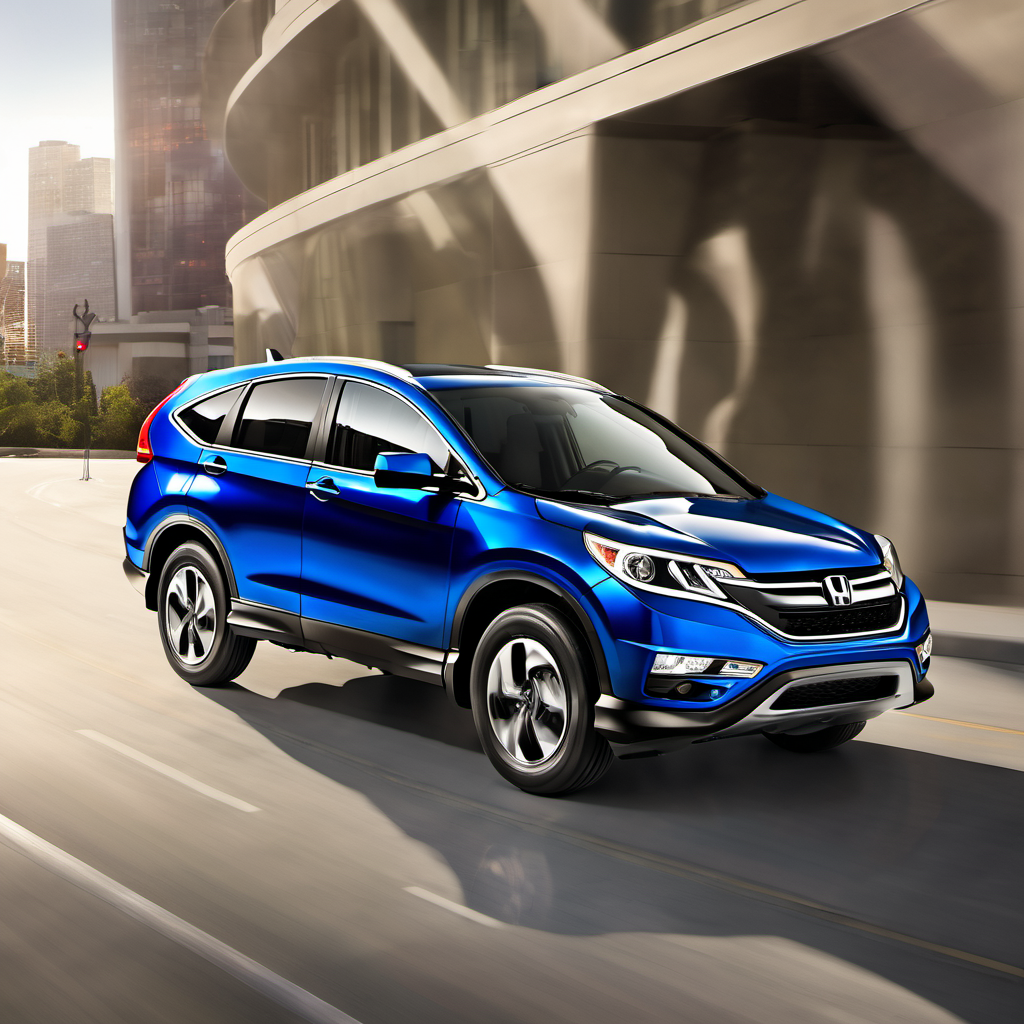
Benchmark reliability in this class. The 2.4L naturally aspirated engine is proven and durable, with none of the oil consumption drama of the Equinox 2.4L. Slightly smaller interior but better long-term ownership record.
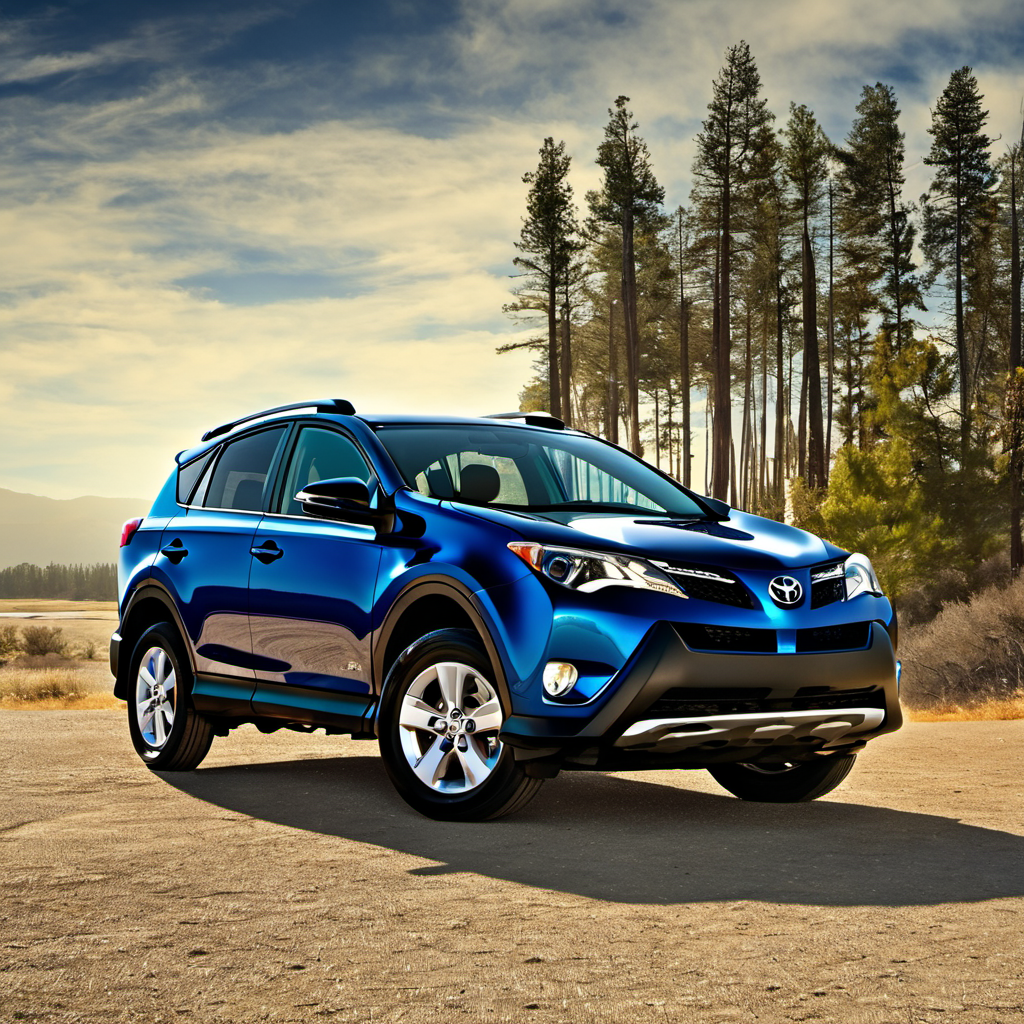
Among the most reliable compact crossovers available. The 2.5L four-cylinder is bulletproof by comparison. AWD is available and well-suited for Wisconsin winters. Resale value is stronger than the Equinox.
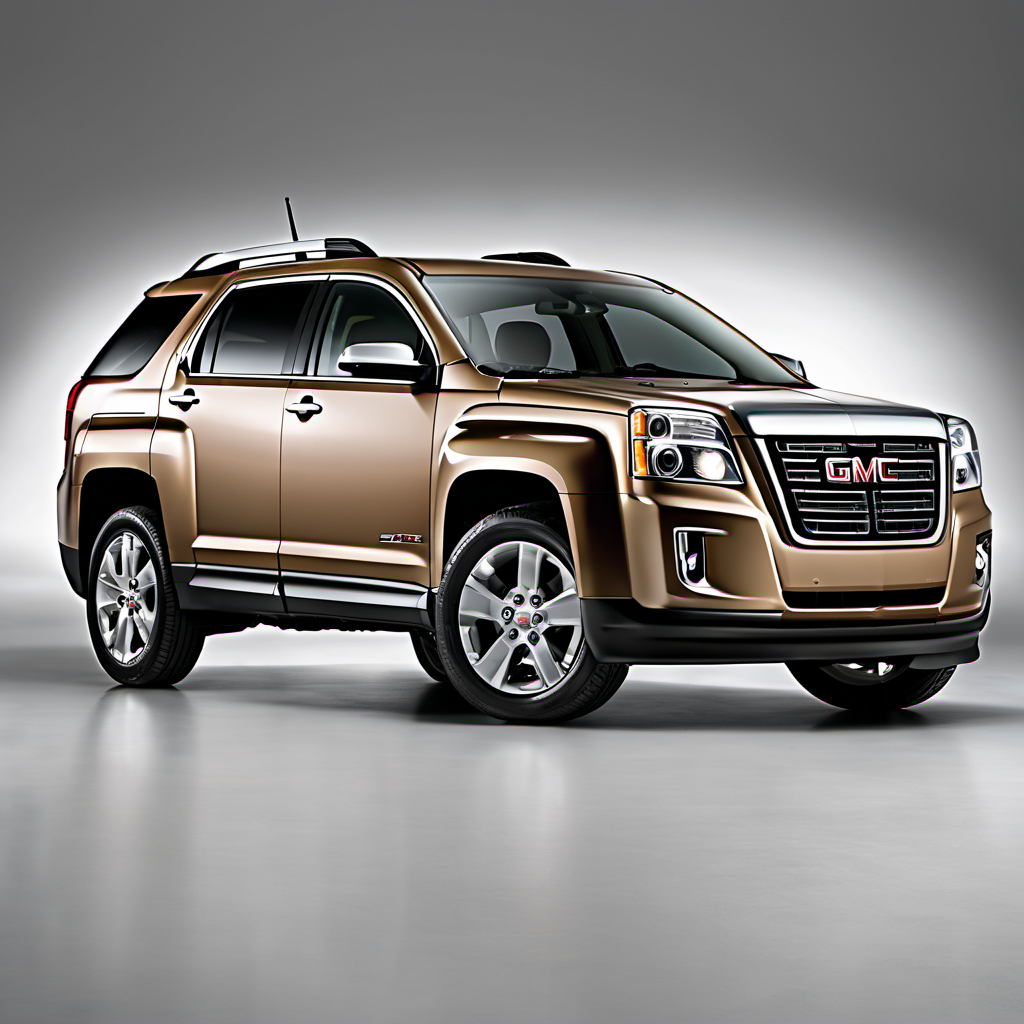
Mechanically identical to the Equinox — same engines, same platform, same common issues. Sometimes priced differently due to brand perception, but offers no real mechanical advantage or disadvantage.