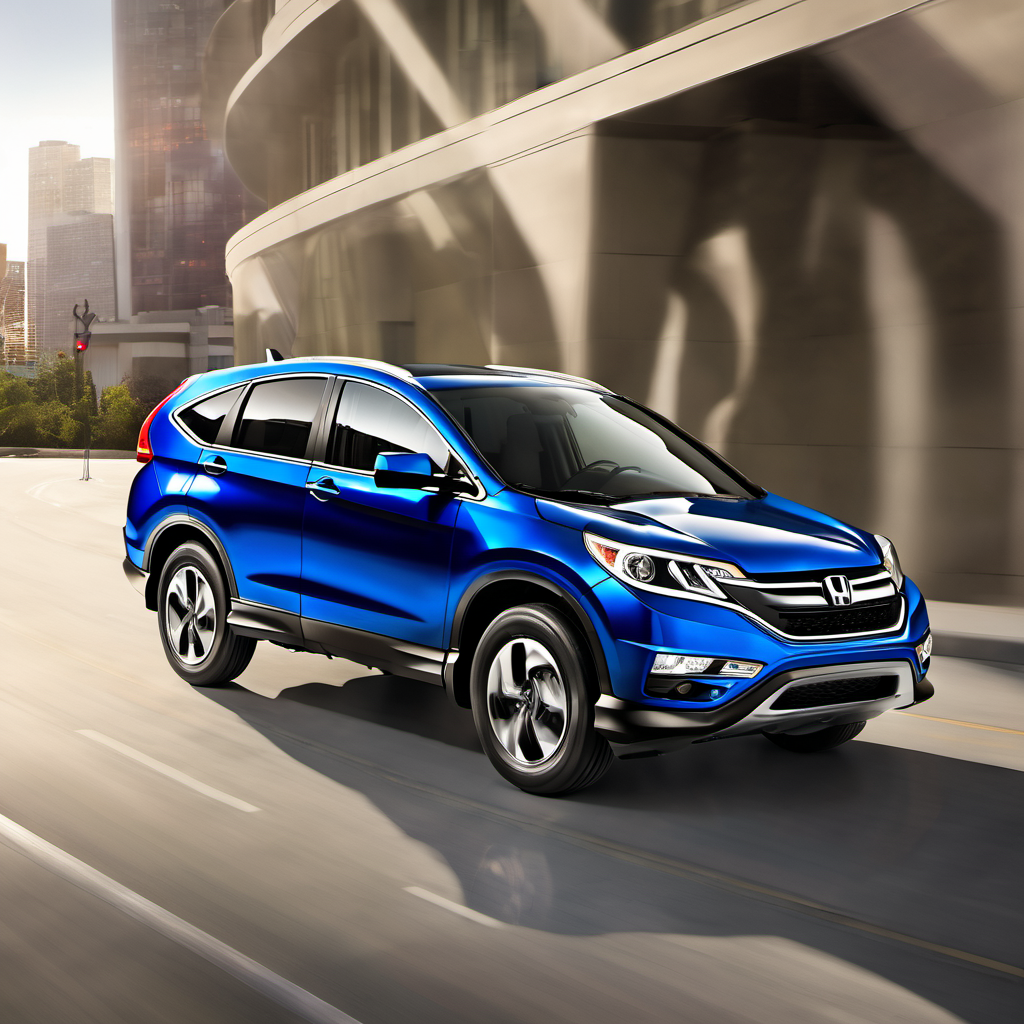
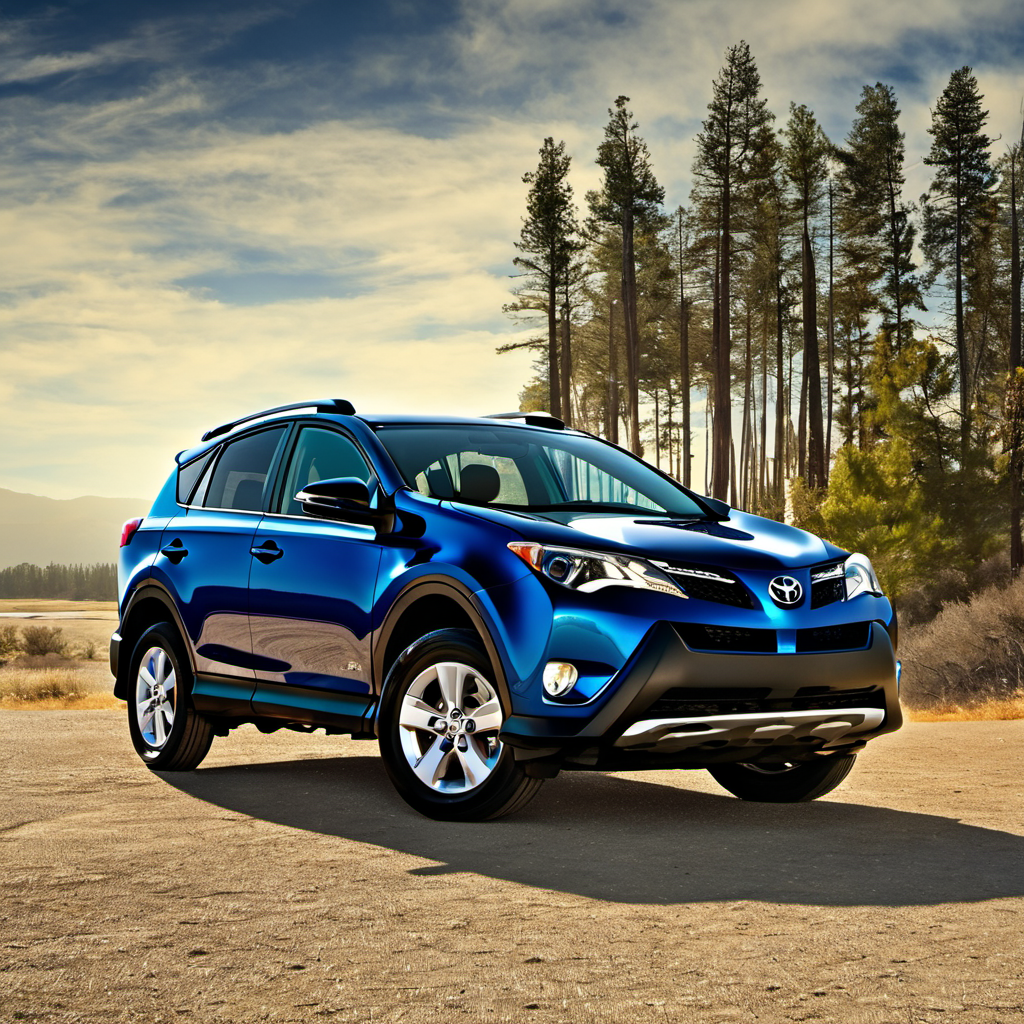
2015 Honda CR-V SUV

2015 Honda

CR-VSUV

SUV

The 2015 Honda CR-V is the fourth generation of Honda's best-selling compact crossover, a segment it helped define. It carries over the proven 2.4L Earth Dreams four-cylinder engine paired with a five-speed automatic, offering a sensible balance of fuel economy, interior space, and everyday reliability. Honda's reputation for durability is well-earned here — the CR-V regularly hits 200k miles with proper maintenance. The 2015 model year sits at the tail end of the fourth-gen (2012–2016), meaning any early-gen bugs have largely been sorted. You get a roomy cabin relative to its footprint, excellent cargo versatility, and a comfortable highway ride. It's not exciting to drive, but that's not the point — it's a dependable daily driver that asks very little of its owner. For Lake Geneva drivers, the FWD version handles most Wisconsin winters adequately with a quality set of snow tires. Buyers who regularly deal with heavy accumulation or back-road drifts may prefer the AWD variant, which uses Honda's Real Time AWD system and adds meaningful traction on slick surfaces.

Reliability
4/5
Verified data
Specs shown for CR-V 2WD — the most common configuration. Other trims may vary in engine, drivetrain, or fuel economy. Sign in to see your vehicle's exact specs.
Engine
[object Object]
Drivetrain
FWD
Fuel
Gasoline
MPG
27 city / 33 hwy / 29 combined
Seats
Doors
Body
Small Sport Utility Vehicle 2WD

Overview

AI-curated

The 2015 Honda CR-V is the fourth generation of Honda's best-selling compact crossover, a segment it helped define. It carries over the proven 2.4L Earth Dreams four-cylinder engine paired with a five-speed automatic, offering a sensible balance of fuel economy, interior space, and everyday reliability. Honda's reputation for durability is well-earned here — the CR-V regularly hits 200k miles with proper maintenance. The 2015 model year sits at the tail end of the fourth-gen (2012–2016), meaning any early-gen bugs have largely been sorted. You get a roomy cabin relative to its footprint, excellent cargo versatility, and a comfortable highway ride. It's not exciting to drive, but that's not the point — it's a dependable daily driver that asks very little of its owner. For Lake Geneva drivers, the FWD version handles most Wisconsin winters adequately with a quality set of snow tires. Buyers who regularly deal with heavy accumulation or back-road drifts may prefer the AWD variant, which uses Honda's Real Time AWD system and adds meaningful traction on slick surfaces.

Known for
  • Long-term reliability and high mileage potential
  • Best-in-class cargo space and interior versatility for the segment
  • Excellent fuel economy for a compact SUV
  • Low ownership costs and widely available parts
  • Smooth, comfortable ride on highway
Best for
  • Daily commuters and family haulers
  • Buyers prioritizing low cost of ownership
  • Drivers who want reliability without complexity
  • Light-duty Wisconsin winter driving (especially AWD trim)
Watch for
  • Oil dilution with gasoline (more pronounced on 1.5T, less so on 2.4L but worth monitoring)
  • CVT concerns do not apply here — this gen uses a conventional 5-speed auto, which is good
  • AC compressor failures reported in higher-mileage examples
  • Rust on undercarriage and rear wheel arches in salt-belt states — inspect carefully on any Wisconsin used example
  • Timing chain tensioner wear at higher mileages if oil changes were neglected

Common issues by mileage

6 known

AC Compressor Failure

medium
Typically appears
80–130k mi
Estimated repair
$600 – $1,100

VTC (Variable Timing Control) Actuator Rattle on Cold Start

medium
Typically appears
60–120k mi
Estimated repair
$300 – $700

Timing Chain Tensioner Wear / Timing Noise

low
Typically appears
100–160k mi
Estimated repair
$500 – $1,200

Valve Control Solenoid (VTC Oil Control Valve) Clogging

medium
Typically appears
70–130k mi
Estimated repair
$150 – $450

Rear Brake Caliper Seizure (Corrosion-Related)

high
Typically appears
60–120k mi
Estimated repair
$200 – $500

Tailgate Latch / Power Tailgate Cable Failure

low
Typically appears
80–150k mi
Estimated repair
$150 – $400

Maintenance schedule

  1. 1
    Every 5,000–7,500 miles Engine oil and filter change (use 0W-20 full synthetic)

    The 2.4L timing chain and VTC actuator are oil-pressure dependent. Neglected oil changes are the #1 cause of premature timing chain noise and VTC rattle on this engine family.

  2. 2
    Every 30,000 miles Replace engine air filter

    Dirty air filters reduce fuel economy and can affect MAF sensor accuracy over time.

  3. 3
    Every 30,000 miles or 3 years Flush and replace brake fluid

    Wisconsin road salt accelerates brake system corrosion. Fresh fluid keeps caliper pistons and ABS components from seizing.

  4. 4
    Every 45,000 miles Inspect and replace spark plugs (iridium)

    Stock iridium plugs are long-lived, but worn plugs cause rough idle, reduced fuel economy, and can stress the ignition coils.

  5. 5
    Every 60,000 miles Replace engine coolant (Honda Type 2 or compatible OAT)

    Degraded coolant corrodes the aluminum cooling system components, including the water pump and heater core.

  6. 6
    Every 30,000 miles or when shifting feels sluggish Transmission fluid drain and fill (Honda ATF DW-1 only)

    The 5-speed automatic is durable but only tolerates Honda's DW-1 fluid. Non-OEM fluid causes shift quality issues and accelerates clutch pack wear.

  7. 7
    Every fall (before first freeze) Inspect undercarriage for rust, treat exposed metal, flush brake calipers

    Salt-belt corrosion is the biggest long-term threat to Wisconsin CR-Vs. Seized rear calipers are among the most common repair issues on this generation.

  8. 8
    Every 100,000 miles Inspect timing chain, tensioner, and VTC actuator

    While not a scheduled replacement item, a mechanic should listen for cold-start rattle and check for P0012/P0015 codes. Catching tensioner wear early avoids a much costlier repair.

Always defer to the manufacturer's service manual for warranty-mandated intervals.

Cost of ownership

Annual maintenance
$400 – $900
Fuel
At 29 MPG combined and ~15,000 miles/year, expect roughly $1,500–$1,900/year in fuel at current Midwest prices.
Insurance
Typically $900–$1,400/year for a 2015 CR-V in southeastern Wisconsin depending on driver profile and coverage level.

The CR-V is one of the cheaper compact crossovers to own long-term. Parts are widely available, labor rates are reasonable, and it doesn't need much beyond scheduled maintenance through 100k miles. The main budget risk is deferred maintenance catching up — timing chain and AC compressor work can spike a year's cost if both land at once.
Seasonal care

Lake Geneva, WI
Winter
  • Switch to dedicated winter tires by mid-November — the stock all-season tires are marginal below 20°F on Wisconsin roads. FWD CR-Vs especially benefit from this.
  • Use 0W-20 full synthetic oil year-round; it flows properly at sub-zero temperatures and protects the VTC actuator on cold starts.
  • Test the 12V battery before winter. Cold-cranking amps drop sharply below 0°F and this generation's battery sits under the hood exposed to the elements.
  • Top off washer fluid with a -20°F or lower rated fluid. The reservoir is generous but depletes fast on salted Wisconsin roads.
  • Flush the brake system and inspect rear calipers in the fall — road salt will accelerate caliper seizure over winter if corrosion is already present.
  • Keep the fuel tank above a quarter-full to reduce condensation in the fuel system during temperature swings.
Summer
  • Check tire pressure after the first hot week — pressure rises roughly 1 PSI per 10°F increase and overinflated tires reduce grip and wear unevenly.
  • Inspect and recharge the AC system if cooling is weak before summer heat peaks. The compressor on higher-mileage examples is a known failure point.
  • Check coolant level and condition at the start of summer; a weakened cooling system shows up fastest under hot, stop-and-go conditions.
  • Inspect the cabin air filter — pollen season loads it up quickly and a blocked filter makes the AC work harder.

Comparable vehicles

If you're shopping for one

Red flags
  • Cold-start timing chain or VTC rattle — expensive if the tensioner or actuator has been ignored
  • Any rust perforation on the rear wheel arches or visible brake line corrosion
  • Transmission hesitation or shudder on light throttle — may indicate wrong fluid or worn clutch packs
  • P0012, P0015, P0026, or P0027 codes in stored/pending memory without a repair record
  • Oil that smells like gasoline or a milky appearance on the dipstick (coolant intrusion)
What to inspect
  • Undercarriage: check rear wheel arches, frame rails, and brake lines for salt corrosion — this is the biggest used-car risk on any Wisconsin CR-V
  • Cold-start the engine and listen for VTC actuator rattle (ticking or rattling noise in the first 5–10 seconds before oil pressure builds). If present, budget for VTC actuator replacement.
  • Check all four brake calipers for seizure or uneven pad wear, especially the rears
  • Scan for stored/pending codes before buying — P0012 or P0026/P0027 indicate VTC/oil system issues that need investigation
  • Inspect the AC system: turn it on full and verify it blows cold within 60 seconds
  • Pull the oil dipstick and smell the oil — a fuel smell in the oil is a red flag worth walking away from
AI profile generated 4 days ago · claude-sonnet-4-6 · v2.