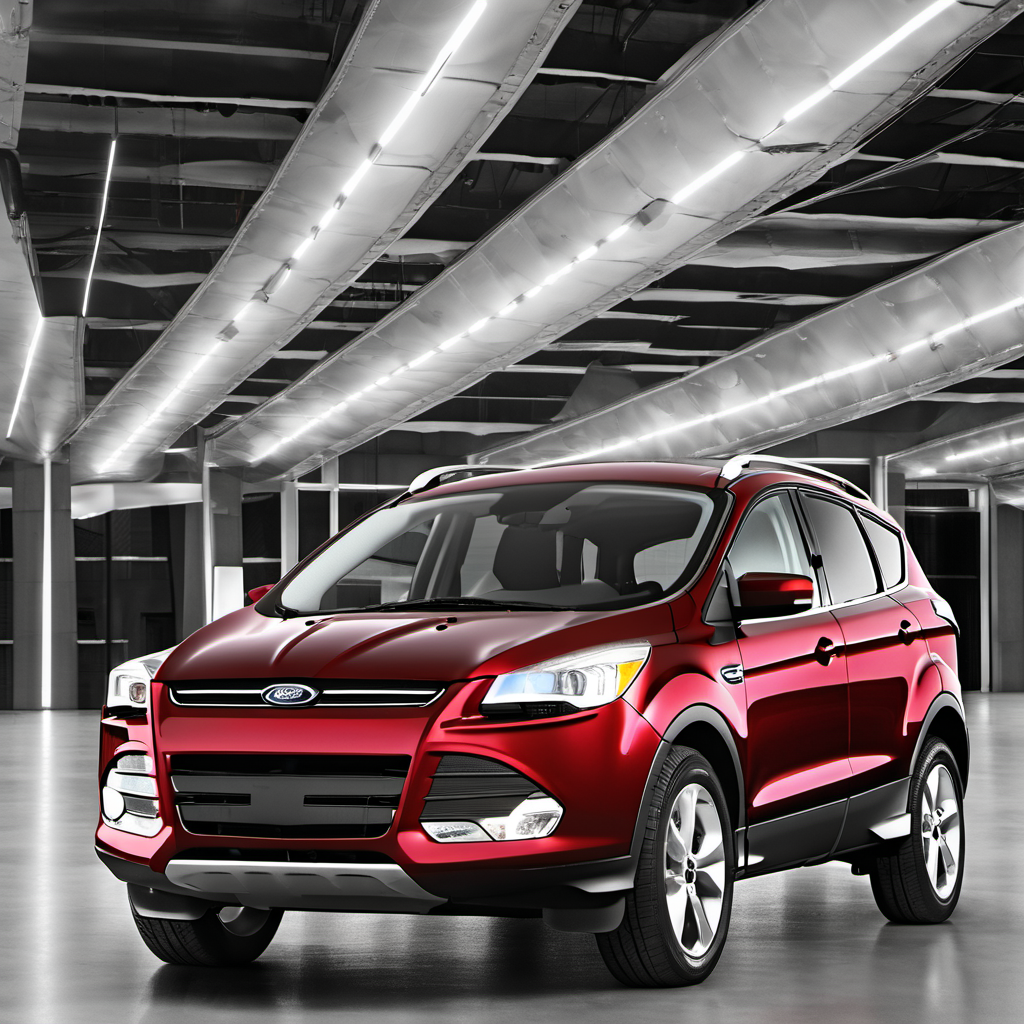
2015 Ford Escape SUV

2015 Ford

EscapeSUV

2.0L I4 EcoBoost Turbocharged · SUV

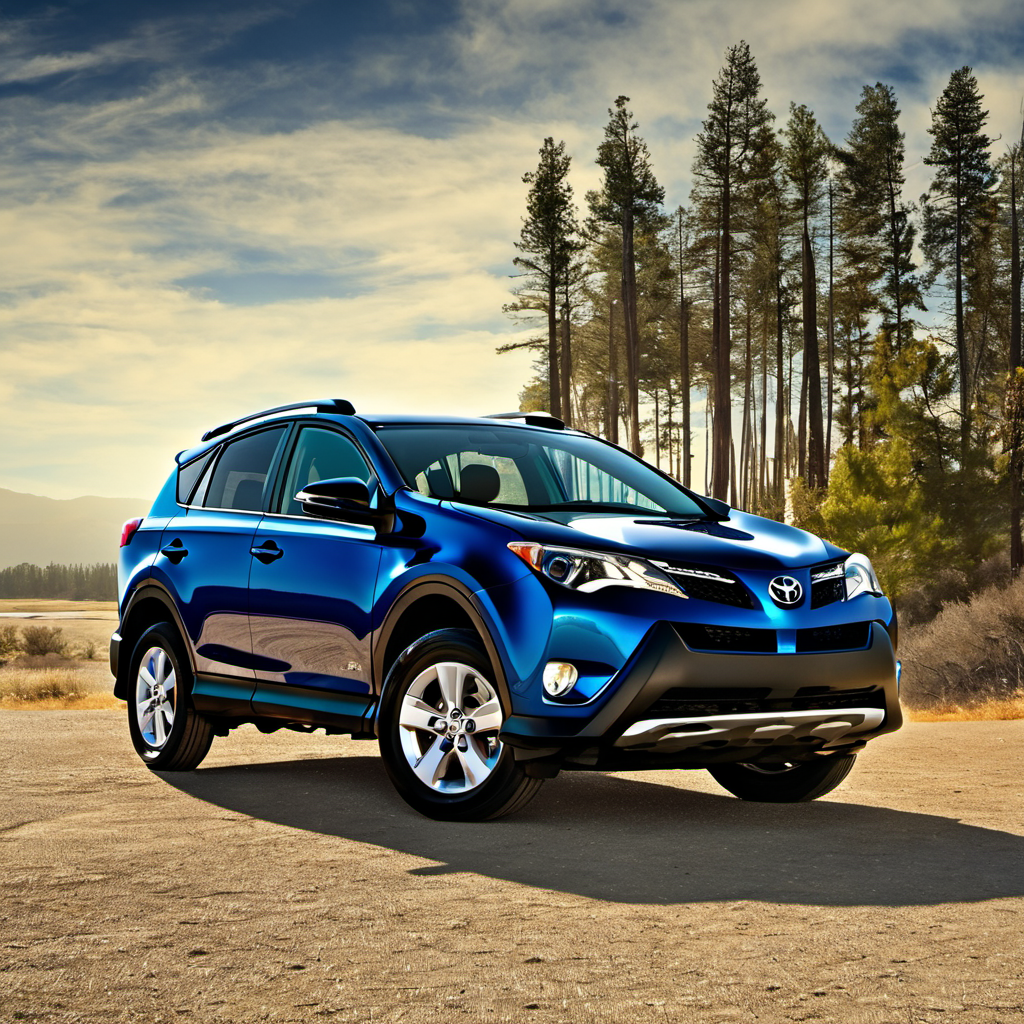
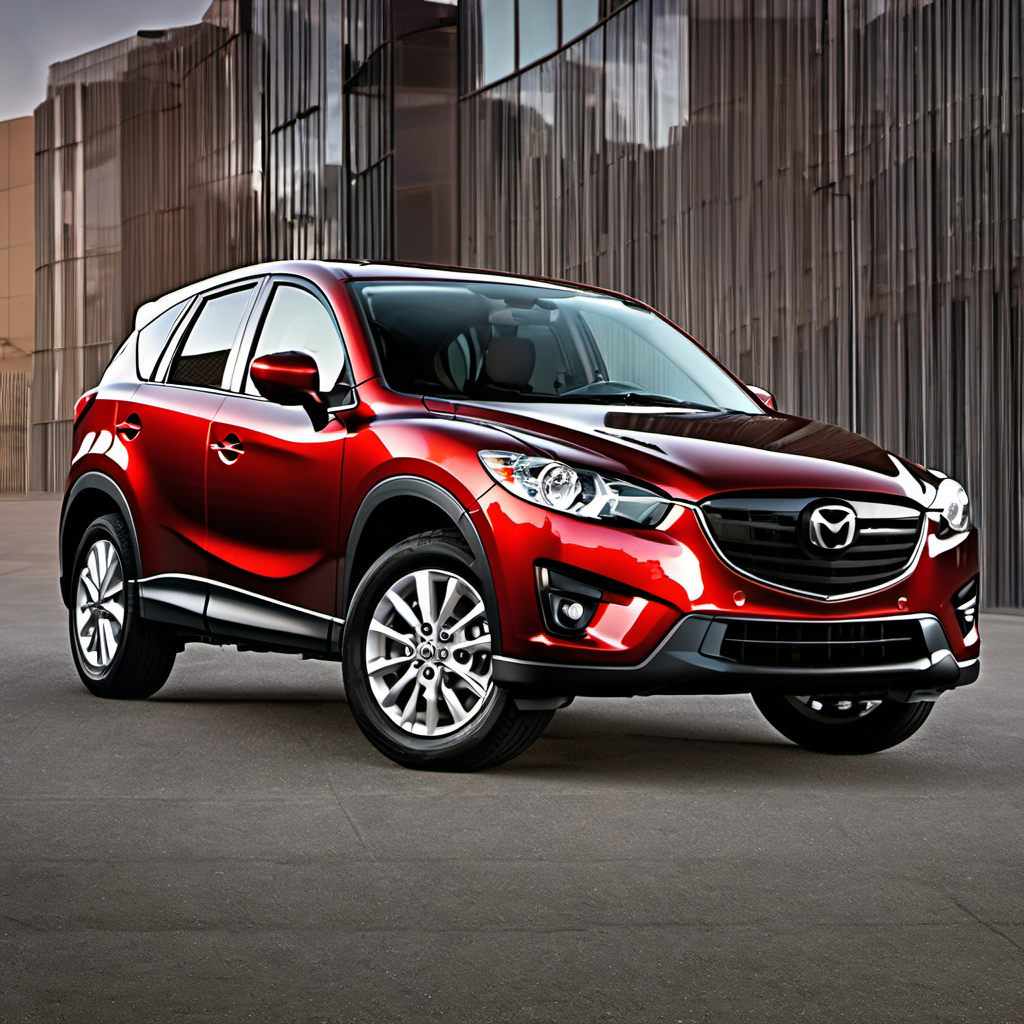
The 2015 Ford Escape is a compact crossover SUV in its second generation (2013–2019 platform), sold in SE, S, and Titanium trims. It competes directly with the Honda CR-V, Toyota RAV4, and Mazda CX-5, and carved out a loyal following thanks to its car-like driving dynamics, available turbocharged engines, and a roomy, well-appointed interior for the class. The 2015 model year brought minor refinements over the launch-year growing pains of 2013, but this generation still carries real ownership baggage — particularly around its EcoBoost turbocharged engines and a coolant/engine fire recall history that buyers must take seriously. The 1.6L EcoBoost in particular has a documented pattern of coolant leaks into the cylinder head that can result in catastrophic engine failure if ignored. For buyers who need a practical family hauler with available AWD and solid fuel economy in a compact footprint, the Escape can be a good value — but it demands attentive maintenance and a thorough pre-purchase inspection. It is not a 'set it and forget it' vehicle.

Reliability
2/5
Verified data
Specs shown for Escape AWD — the most common configuration. Other trims may vary in engine, drivetrain, or fuel economy. Sign in to see your vehicle's exact specs.
Engine
[object Object]
Drivetrain
AWD
Fuel
Gasoline
MPG
22 city / 31 hwy / 26 combined
Seats
5
Doors
4
Body
SUV
MSRP
$27,680

Overview

AI-curated

The 2015 Ford Escape is a compact crossover SUV in its second generation (2013–2019 platform), sold in SE, S, and Titanium trims. It competes directly with the Honda CR-V, Toyota RAV4, and Mazda CX-5, and carved out a loyal following thanks to its car-like driving dynamics, available turbocharged engines, and a roomy, well-appointed interior for the class. The 2015 model year brought minor refinements over the launch-year growing pains of 2013, but this generation still carries real ownership baggage — particularly around its EcoBoost turbocharged engines and a coolant/engine fire recall history that buyers must take seriously. The 1.6L EcoBoost in particular has a documented pattern of coolant leaks into the cylinder head that can result in catastrophic engine failure if ignored. For buyers who need a practical family hauler with available AWD and solid fuel economy in a compact footprint, the Escape can be a good value — but it demands attentive maintenance and a thorough pre-purchase inspection. It is not a 'set it and forget it' vehicle.

Known for
  • Car-like handling and responsive steering for a compact SUV
  • Available turbocharged EcoBoost engines with strong highway fuel economy
  • Roomy, well-designed interior with SYNC infotainment
  • Available AWD across most trims
Best for
  • Commuters who want SUV practicality with a car-like ride
  • Small families needing cargo space and occasional AWD traction
  • Buyers prioritizing fuel economy in a compact crossover
Watch for
  • 1.6L EcoBoost coolant leak into cylinder head — can cause engine fire or failure
  • Cam phaser and VCT solenoid issues on both EcoBoost engines
  • Door latch recalls (multiple campaigns on 2013–2016 Escape)
  • Transmission shudder and hesitation complaints on 6-speed automatic
  • Rust on undercarriage and wheel wells in salt-belt states like Wisconsin

Common issues by mileage

6 known

1.6L EcoBoost Coolant Leak / Cylinder Head Failure

high
Typically appears
60–120k mi
Estimated repair
$2,800 – $6,500

Turbocharger Bypass Valve Failure

medium
Typically appears
80–140k mi
Estimated repair
$250 – $700

6-Speed Automatic Transmission Shudder / Hesitation

medium
Typically appears
50–100k mi
Estimated repair
$150 – $3,200

Door Latch Failure (Recall History)

medium
Typically appears
Any mileage
Estimated repair
$0 – $400

Undercarriage & Wheel Well Rust (Salt Belt)

high
Typically appears
60k+ mi in WI/IL/MN
Estimated repair
$300 – $2,000

Maintenance schedule

  1. 1
    Every 5,000 miles or 6 months, whichever comes first Engine oil change — full synthetic 5W-30

    EcoBoost engines run hot and turbo-charged; extended oil change intervals starve cam phasers and VCT solenoids of clean oil, accelerating the most expensive failures on this platform.

  2. 2
    Annually or at every other oil change Coolant system inspection (1.6L EcoBoost owners: pressure test annually)

    The 1.6L cylinder head is prone to cracking and leaking coolant internally. Catching low coolant or white exhaust smoke early is the difference between a $300 repair and a $5,000 engine replacement.

  3. 3
    Every 60,000 miles Transmission fluid change

    Ford's 'lifetime' fluid claim is optimistic for real-world use. Fresh fluid reduces shudder complaints and protects clutch packs in the SelectShift 6-speed.

  4. 4
    Every 60,000 miles Spark plug replacement

    Turbocharged direct-injection engines are harder on plugs than naturally aspirated engines. Worn plugs cause misfires and stress the ignition coils.

  5. 5
    Every 20,000–25,000 miles Cabin and engine air filter replacement

    Wisconsin road conditions — especially in spring — load up filters faster than the service schedule assumes.

  6. 6
    Every 2 years Brake fluid flush

    Brake fluid absorbs moisture over time, lowering its boiling point. Wisconsin winters and freeze-thaw cycles accelerate moisture intrusion.

  7. 7
    Every spring (after road salt season ends) Undercarriage wash and rust inspection

    Lake Geneva roads see heavy salt. Inspect frame rails, subframe mounting points, brake lines, and fuel lines. Apply rust inhibitor to uncoated surfaces annually.

  8. 8
    Every 5,000–7,500 miles Tire rotation and AWD system check

    Mismatched tire wear on AWD systems can overload the rear coupling. Even tire wear protects drivetrain components.

Always defer to the manufacturer's service manual for warranty-mandated intervals.

Cost of ownership

Annual maintenance
$600 – $1,400
Fuel
At $3.50/gal and 15,000 miles/year, expect roughly $1,800–$2,000/year on the 2.0L EcoBoost (26 mpg combined). The 1.6L is similar. Premium fuel is not required — regular 87 octane is fine.
Insurance
Typically $1,100–$1,500/year for a driver with a clean record in the Lake Geneva area for a 2015 Escape. Verify with your carrier.

The Escape is an affordable vehicle to buy used, but its maintenance costs are higher than segment peers like the CR-V or RAV4 due to EcoBoost-specific service needs. Budget at the higher end if you have the 1.6L engine or are buying above 80k miles. A major engine or transmission event can easily exceed $3,000–$6,000 at an independent shop, so a pre-purchase inspection is money well spent.
Seasonal care

Lake Geneva, WI
Winter
  • Switch to a full-synthetic 5W-30 oil before temperatures drop below 20°F — cold starts are the leading cause of cam phaser wear on EcoBoost engines.
  • Test the battery every fall; EcoBoost engines place high electrical demand on start-up and a weak battery compounds cold-start stress on the turbo and VCT system.
  • Fill the washer fluid reservoir with a rated -20°F or colder formula — Lake Geneva temperatures regularly hit that range and a frozen washer system is a safety hazard.
  • Install dedicated winter tires if using AWD for traction — the Escape's AWD system is reactive (not full-time) and winter tires dramatically outperform all-seasons on ice.
  • Inspect rubber door seals in late fall and apply a silicone protectant to prevent freezing and tearing.
  • Flush the undercarriage at least once mid-winter during a warm spell to remove salt accumulation from brake lines, the subframe, and wheel wells.
Summer
  • Check tire pressure monthly — for every 10°F rise in temperature, tires gain roughly 1 PSI, which can push already-warm tires over their rated pressure.
  • Inspect the A/C system for refrigerant level and compressor function before summer — the Escape's A/C is a comfort necessity on hot Wisconsin days and recharge costs are low if caught early.
  • Monitor coolant level closely in summer heat, especially on the 1.6L EcoBoost — hot weather plus a marginal cylinder head accelerates coolant loss.
  • Check the cabin air filter — a clogged filter reduces A/C efficiency and puts added load on the blower motor.
  • Inspect wiper blades after winter; salt and cold degrade rubber compounds and summer pop-up storms demand reliable wiper function.

Comparable vehicles

If you're shopping for one

Red flags
  • 1.6L EcoBoost engine with no documented coolant system service or recent pressure test
  • Any active VCT or cam timing DTCs (P0012, P0015, P0022, P0025) without a clear repair record
  • Visible rust on brake lines, the subframe, or fuel lines on the undercarriage
  • Missing recall completion records — check NHTSA recall lookup by VIN before buying
  • Transmission that hesitates, shudders, or slips between 2nd and 3rd gear
  • Evidence of overheating history (warped hood paint, replaced coolant reservoir, aftermarket thermostat)
What to inspect
  • Pull the oil filler cap and look for white or milky residue — a classic sign of coolant intrusion into the engine (critical on 1.6L EcoBoost)
  • Check for white exhaust smoke on a warm start, which signals coolant burning in the combustion chamber
  • Scan for active or pending DTCs before buying — P0012, P0015, P0022, P0025 and related VCT codes indicate expensive cam/timing system work ahead
  • Test all four door latches — open and close each door firmly and verify they latch and release correctly given the documented recall history
  • Inspect the undercarriage, wheel wells, and rear subframe for rust perforation, especially on Wisconsin-registered vehicles
  • Request a full service history and confirm oil change intervals were under 7,500 miles — anything longer accelerates EcoBoost timing system wear
  • Check for transmission shudder during a test drive at 30–45 mph light throttle cruise
AI profile generated 20 days ago · claude-sonnet-4-6 · v2.