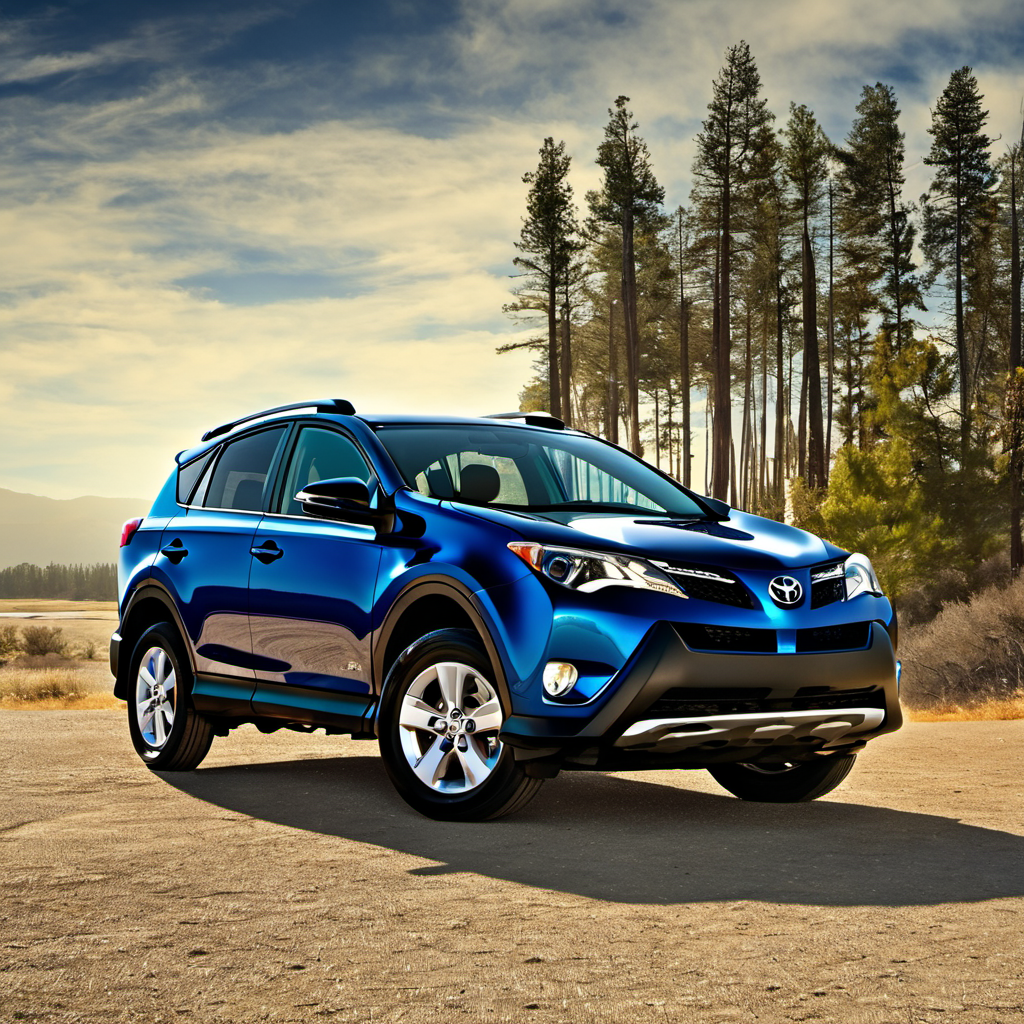
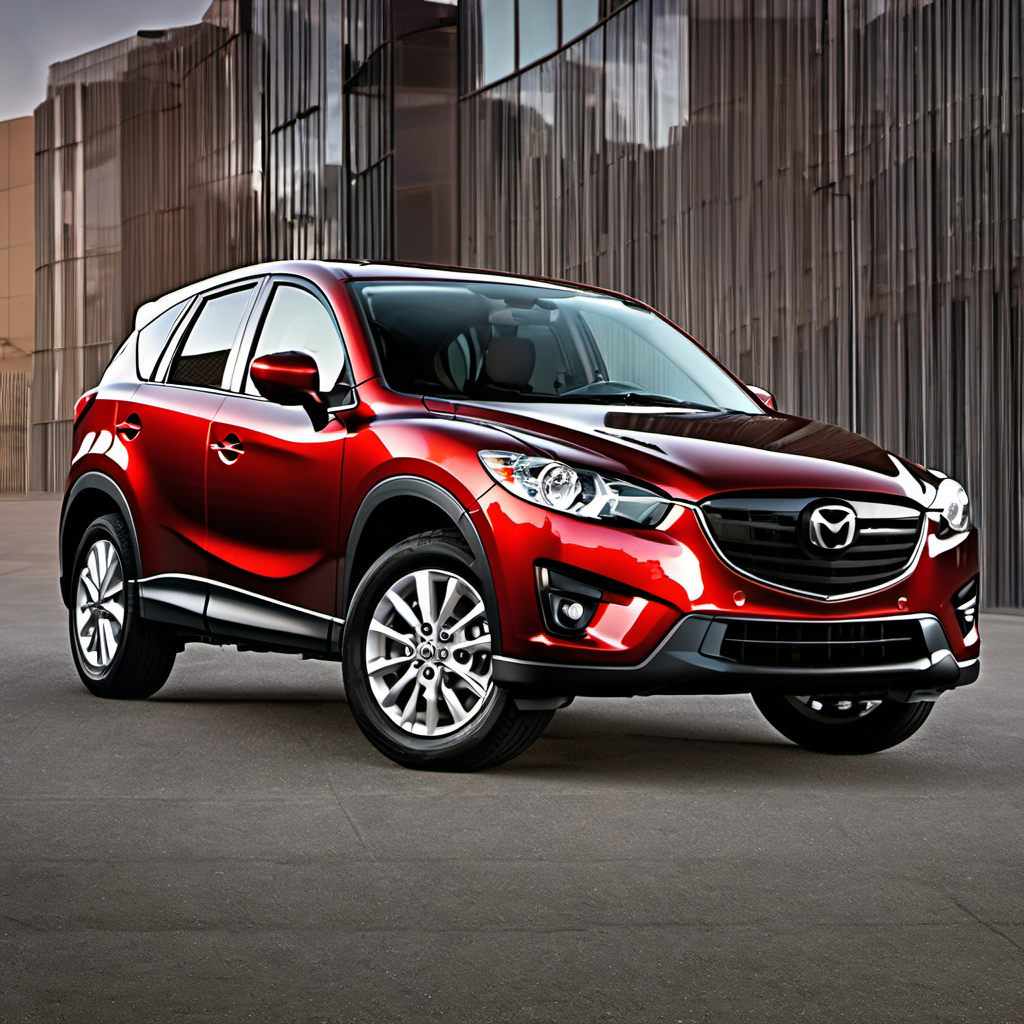
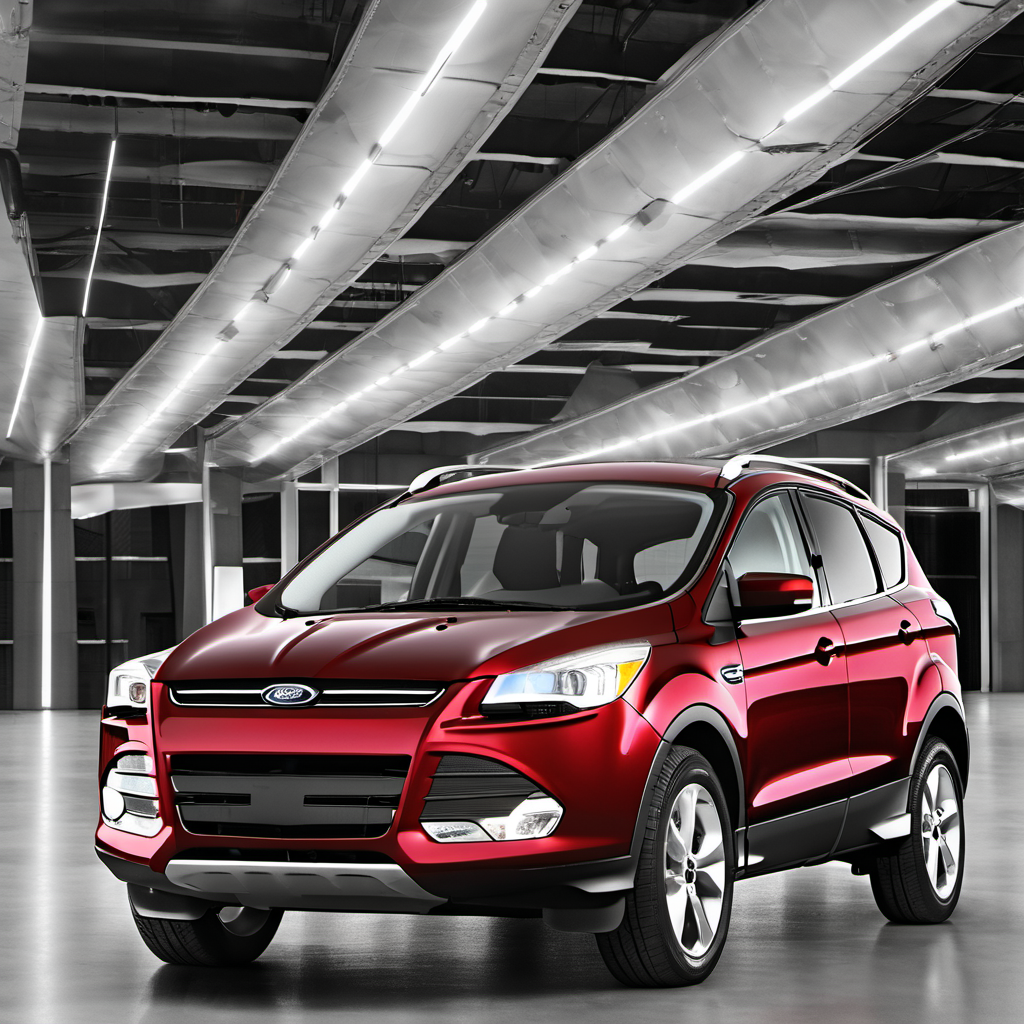
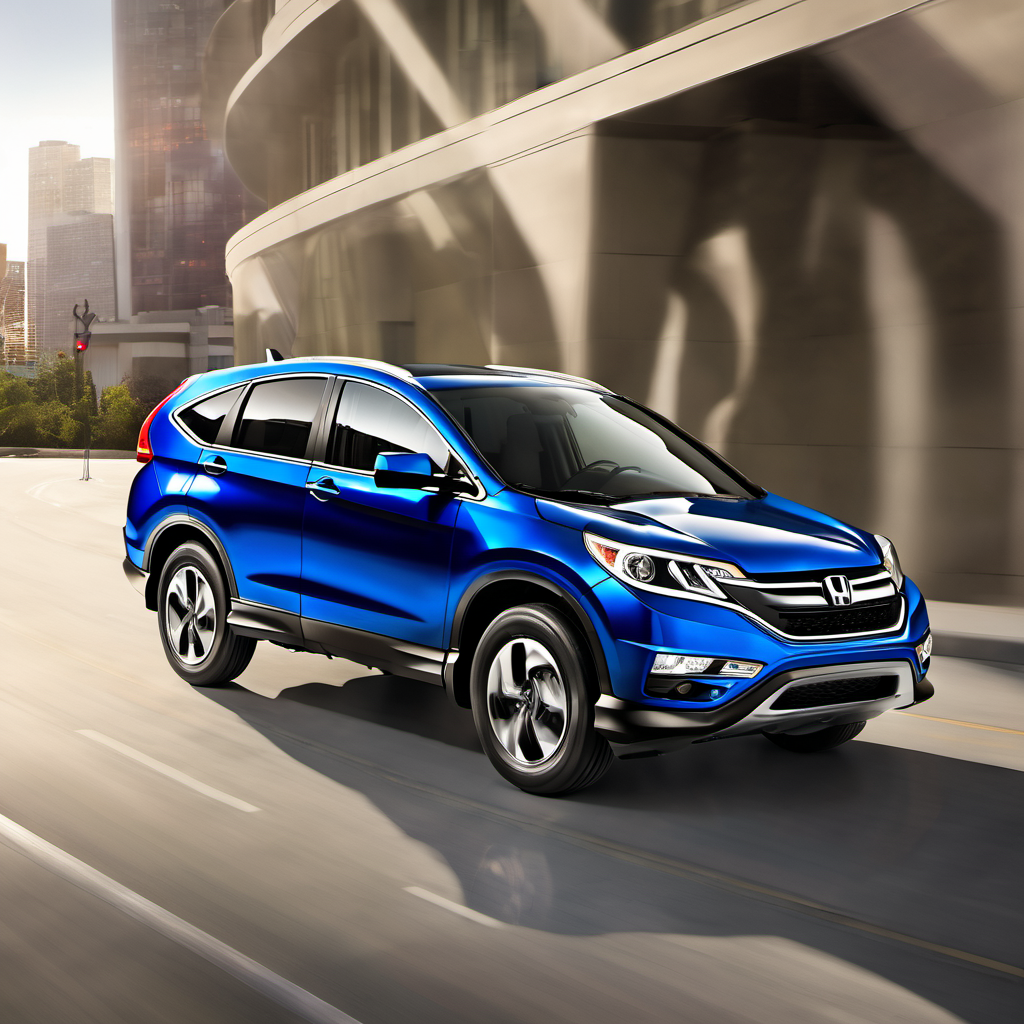
2015 Toyota RAV4 SUV
Popular pick

2015 Toyota

RAV4SUV

2.5L 4-Cylinder DOHC 16-Valve with Dual VVT-i · SUV

The 2015 Toyota RAV4 is the third model year of the fourth-generation (XA40) platform, a compact crossover that had already cemented itself as America's best-selling SUV by this point. It rides on a car-based unibody platform, seats five comfortably, and offers both front-wheel and all-wheel drive. The 2.5L four-cylinder carries over from the previous generation and is well-proven in millions of Camry and Venza applications — reliability is a core selling point. For 2015, Toyota made minor refinements to the lineup including updated trim content, but the powertrain and chassis remained unchanged from the 2013 redesign. The XLE and Limited trims add convenience features, but the LE base trim is genuinely well-equipped and arguably the smartest buy on the used market due to lower depreciation risk. This is a practical, no-drama crossover. It won't thrill drivers, but it will quietly accumulate high mileage with less fuss than most competitors. AWD models are particularly common in Wisconsin and hold up well to winter use when properly maintained.

Reliability
4/5
Verified data
Specs shown for RAV4 AWD — the most common configuration. Other trims may vary in engine, drivetrain, or fuel economy. Sign in to see your vehicle's exact specs.
Engine
[object Object]
Drivetrain
AWD
Fuel
Gasoline
MPG
22 city / 29 hwy / 25 combined
Seats
5
Doors
4
Body
SUV
MSRP
$24,650

Overview

AI-curated

The 2015 Toyota RAV4 is the third model year of the fourth-generation (XA40) platform, a compact crossover that had already cemented itself as America's best-selling SUV by this point. It rides on a car-based unibody platform, seats five comfortably, and offers both front-wheel and all-wheel drive. The 2.5L four-cylinder carries over from the previous generation and is well-proven in millions of Camry and Venza applications — reliability is a core selling point. For 2015, Toyota made minor refinements to the lineup including updated trim content, but the powertrain and chassis remained unchanged from the 2013 redesign. The XLE and Limited trims add convenience features, but the LE base trim is genuinely well-equipped and arguably the smartest buy on the used market due to lower depreciation risk. This is a practical, no-drama crossover. It won't thrill drivers, but it will quietly accumulate high mileage with less fuss than most competitors. AWD models are particularly common in Wisconsin and hold up well to winter use when properly maintained.

Known for
  • Exceptional long-term reliability from the proven 2AR-FE engine
  • Strong resale value — one of the best in the compact SUV segment
  • Comfortable, upright seating with good outward visibility
  • AWD system that handles light snow and slippery roads with confidence
  • Toyota dealer and independent-shop support — parts are everywhere
Best for
  • Families or individuals wanting a low-stress daily driver
  • High-mileage commuters who need proven longevity
  • Wisconsin winters — AWD trim provides solid traction on salted roads
  • First-time SUV buyers wanting a simple, familiar ownership experience
  • Budget-conscious buyers looking for a reliable used crossover
Watch for
  • Oil consumption on high-mileage examples — the 2AR-FE has a known history
  • VVT-i oil control valve sludging if oil changes were skipped
  • Rear differential wear on AWD models that never had the fluid changed
  • Underbody rust from Wisconsin road salt — inspect the subframe and brake lines
  • Infotainment and backup camera systems that predate Android Auto/Apple CarPlay

Common issues by mileage

6 known

Excessive Engine Oil Consumption

medium
Typically appears
50–120k mi
Estimated repair
$100 – $2,500

Oxygen / Air-Fuel Sensor Heater Circuit Failure

low
Typically appears
80–150k mi
Estimated repair
$150 – $400

Rear Differential Coupling Wear (AWD models)

medium
Typically appears
80–150k mi
Estimated repair
$400 – $1,800

Brake Line and Underbody Rust (Salt-Belt vehicles)

high
Typically appears
60k+ mi
Estimated repair
$300 – $1,200

Power Door Lock Actuator Failure

low
Typically appears
80–130k mi
Estimated repair
$100 – $300

Maintenance schedule

  1. 1
    Every 5,000 miles or 6 months — do not stretch to Toyota's oil-life monitor maximum on used examples Engine oil and filter change

    The 2AR-FE is sensitive to oil quality. Sludge buildup clogs VVT-i oil control valves, causing cam timing codes (P0012, P0015) and expensive repairs. Shorter intervals are cheap insurance.

  2. 2
    Every 1,000–1,500 miles Check engine oil level between changes

    Known oil-consumption tendency means some engines drop a quart or more between changes. Running low accelerates wear and can trigger timing issues.

  3. 3
    Every 30,000 miles or at time of purchase if unknown Rear differential fluid replacement (AWD models)

    Toyota specifies a fluid change here but it is frequently skipped. Contaminated fluid degrades the rear coupling and a replacement unit runs $400–$1,800 at an independent shop.

  4. 4
    Every 60,000 miles Transmission fluid drain-and-fill

    Toyota labels this a 'lifetime' fluid but the 6-speed automatic lasts much longer with periodic changes, especially on used vehicles with unknown histories.

  5. 5
    First change at 100,000 miles, then every 50,000 miles Coolant flush

    Toyota's long-life coolant does hold up, but on a used vehicle with unknown history a flush and refill eliminates the risk of silicate dropout and water pump damage.

  6. 6
    Every 3 years regardless of mileage Brake fluid flush

    Brake fluid is hygroscopic. In Wisconsin's wide temperature swings, moisture-saturated fluid can cause spongy pedal feel and corrosion inside ABS components.

  7. 7
    Every fall before winter season Inspect and treat underbody / brake lines for rust

    Lake Geneva roads are salted heavily. Brake line rust-through is a real failure mode on Midwest RAV4s. Early detection and protective coating buys years of additional life.

  8. 8
    Every 15,000–20,000 miles Cabin air filter replacement

    Frequently overlooked. A clogged filter strains the HVAC blower motor and reduces defrost effectiveness — a problem you'll notice immediately on a Wisconsin January morning.

Always defer to the manufacturer's service manual for warranty-mandated intervals.

Cost of ownership

Annual maintenance
$450 – $900
Fuel
At 25 MPG combined and ~15,000 miles/year, expect roughly $1,500–$1,800/year at $2.50–$3.00/gallon. Regular 87-octane only.
Insurance
Typically $1,000–$1,400/year for full coverage in Wisconsin for a driver with a clean record. The RAV4's strong safety scores and low theft rates keep premiums reasonable.

The 2015 RAV4 is one of the more affordable compact SUVs to own long-term. Routine maintenance costs are low, parts are widely available, and the drivetrain rarely needs unplanned attention when oil changes are kept current. The main budget risk is deferred maintenance on a used example — particularly differential fluid and brake lines in a salt-belt state. Budget an extra $500–$800 at purchase for a full fluid service if history is unknown.
Seasonal care

Lake Geneva, WI
Winter
  • Switch to a quality full-synthetic 0W-20 before temps drop below 10°F — cold starts are easier and the VVT-i system gets oil pressure faster, reducing wear and cam-timing stress.
  • Test the battery in October. The OEM battery typically lasts 4–5 years; cold cranking amps drop sharply below 0°F and a marginal battery will fail on the coldest morning of the year.
  • Fill the washer fluid reservoir with -20°F or -30°F rated fluid. The standard lines and nozzles on the RAV4 can freeze solid with weaker mix, leaving you blind on salted roads.
  • Inspect and, if worn, replace wiper blades with winter-specific beam blades before the first snowfall — the standard blades pack with ice in heavy snow.
  • Rinse the undercarriage at a touchless car wash every 2–3 weeks during active salting season, paying attention to the rear wheel wells and subframe where salt accumulates.
  • Check tire pressure weekly in cold snaps — pressure drops roughly 1 PSI per 10°F of temperature loss, and underinflated tires reduce AWD traction and wear unevenly.
Summer
  • Inspect the A/C system for refrigerant charge before Memorial Day — a marginally low charge that's tolerable in spring becomes obvious misery in Wisconsin July heat and humidity.
  • Check tire pressure in the morning before the car has moved — summer heat causes pressure to rise during driving, and starting at the correct cold pressure prevents overinflation and uneven wear.
  • Inspect the coolant level and condition before summer road trips. The 2.5L runs warm in stop-and-go traffic; low or degraded coolant can push temps into the caution zone.
  • Clean debris (leaves, cottonwood seeds, maple helicopters) from the cowl/fresh-air intake area — blockages reduce cabin airflow and can hold moisture against the firewall.

Comparable vehicles

If you're shopping for one

Red flags
  • Check engine light on or recently cleared (watch for readiness monitors not set during OBD-II scan) — cam timing codes on this engine are expensive to ignore.
  • Milky residue under the oil cap or on the dipstick — potential head gasket or oil cooler issue.
  • Clunking or vibration at low AWD speeds (tight turns in a parking lot) — worn rear differential coupling that can cost $1,000+ to replace.
  • Heavy underbody rust on brake lines or subframe — a Wisconsin-specific deal-breaker that can make an otherwise solid car unsafe and expensive to repair.
  • Service records showing oil changes beyond every 7,500 miles or long gaps in maintenance — increases VVT-i sludge risk significantly.
What to inspect
  • Pull the oil dipstick and look for milky or extremely dark/sludgy oil — signs of neglect or internal coolant leak.
  • Check the oil level and note whether it's low between changes; ask the seller how often they added oil between services.
  • On AWD models, inspect underneath for rear differential fluid seepage and listen for a binding or humming sensation during low-speed turning.
  • Inspect all visible brake lines under the vehicle, especially near the rear axle and along the frame rails, for surface rust, pitting, or active corrosion.
  • Start the engine cold if possible and listen for any ticking or rattling in the first 5–10 seconds — VVT-i rattle on cold start points to oil control valve sludging.
  • Check that the backup camera display is clear and the system responds — replacements are costly on this generation's integrated display.
AI profile generated 22 days ago · claude-sonnet-4-6 · v2.